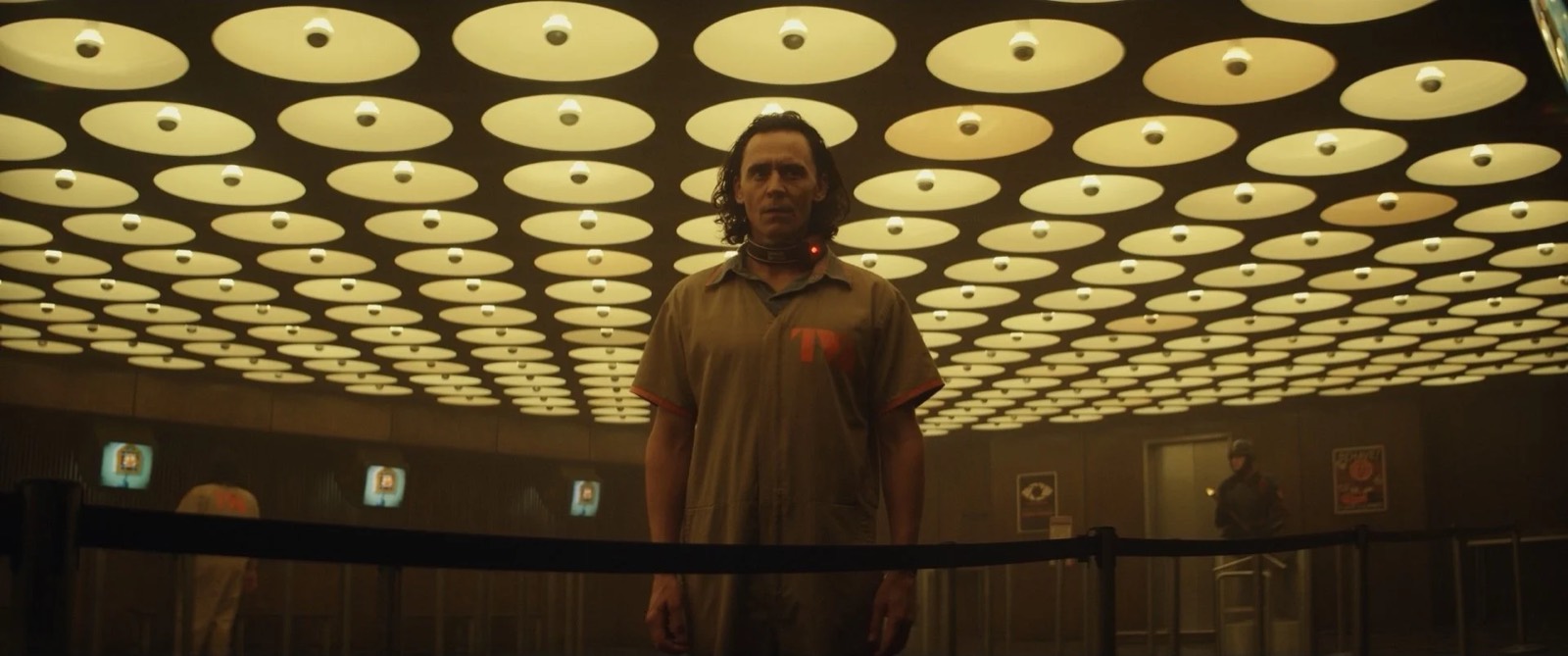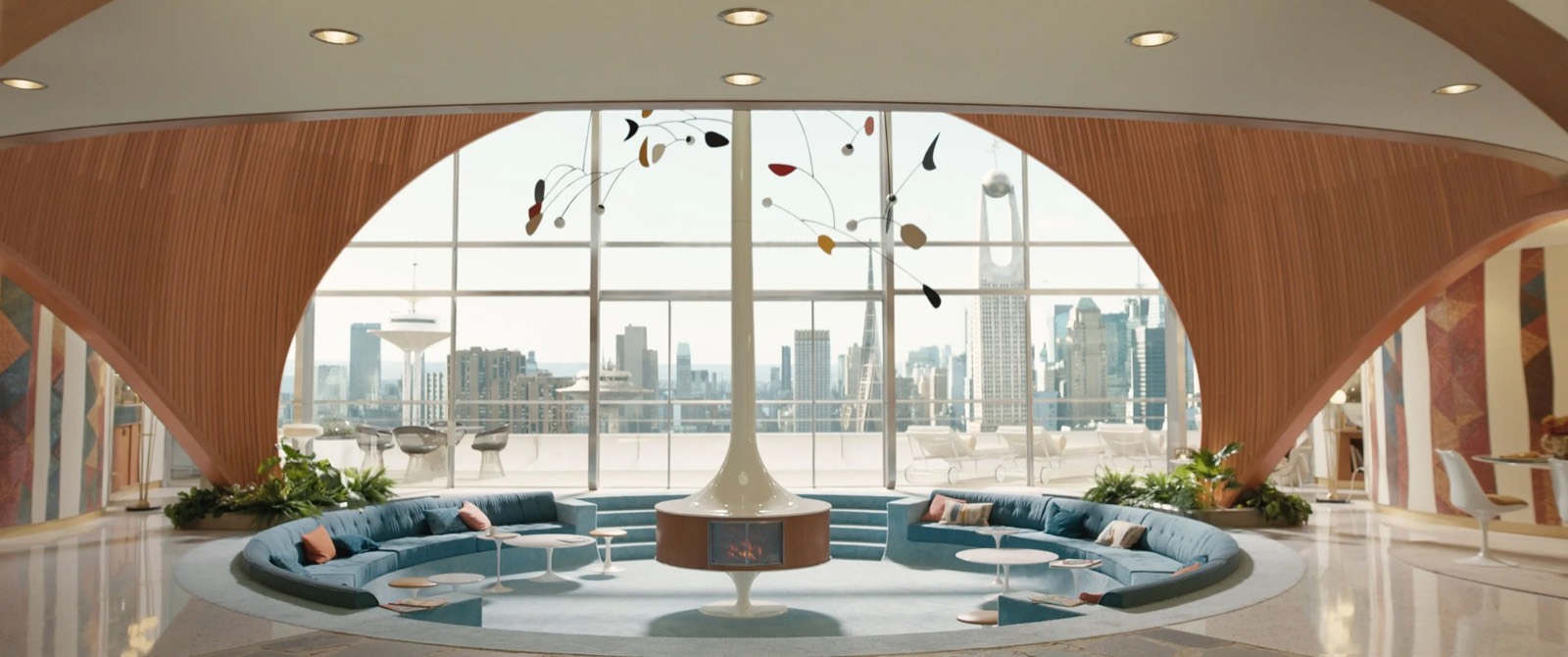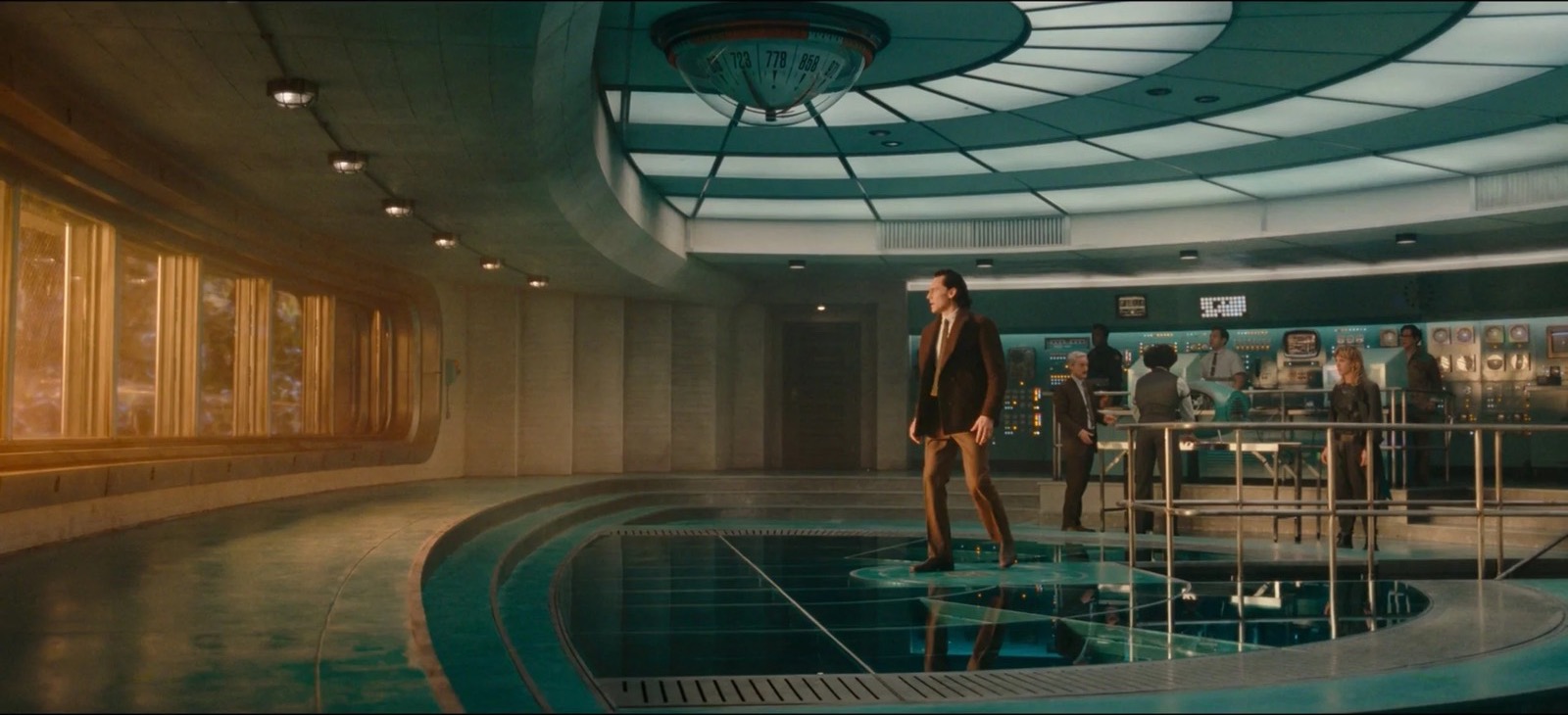
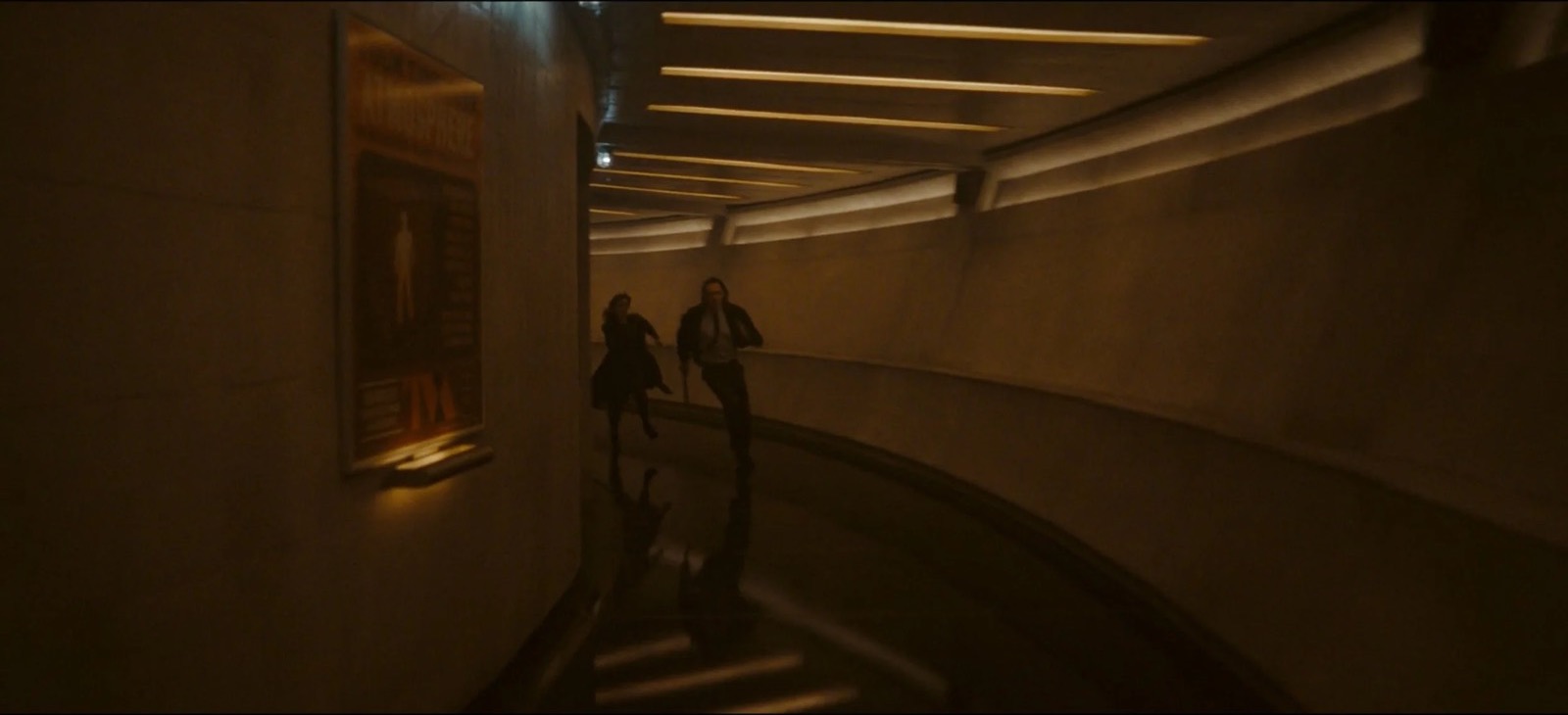
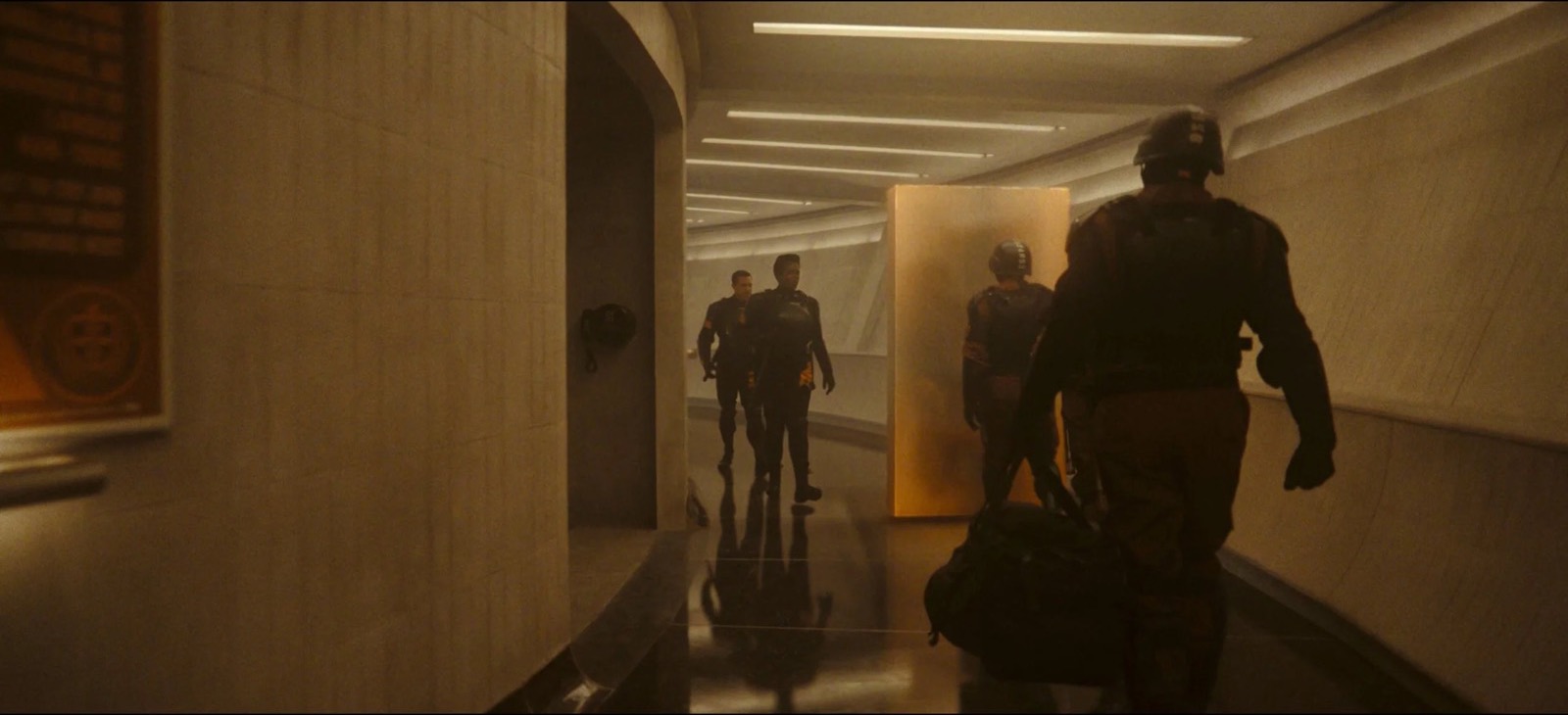
Season One showed audiences the front of house: the lobbies, courtrooms and cathedrals of the Time Variance Authority, an institution dressed in the optimism of the 1960s. Season Two goes underneath it. If you think of the TVA as a house, what we saw in the first season was the part you show to guests; the second season shows the foundation, and the systems that part is built on.
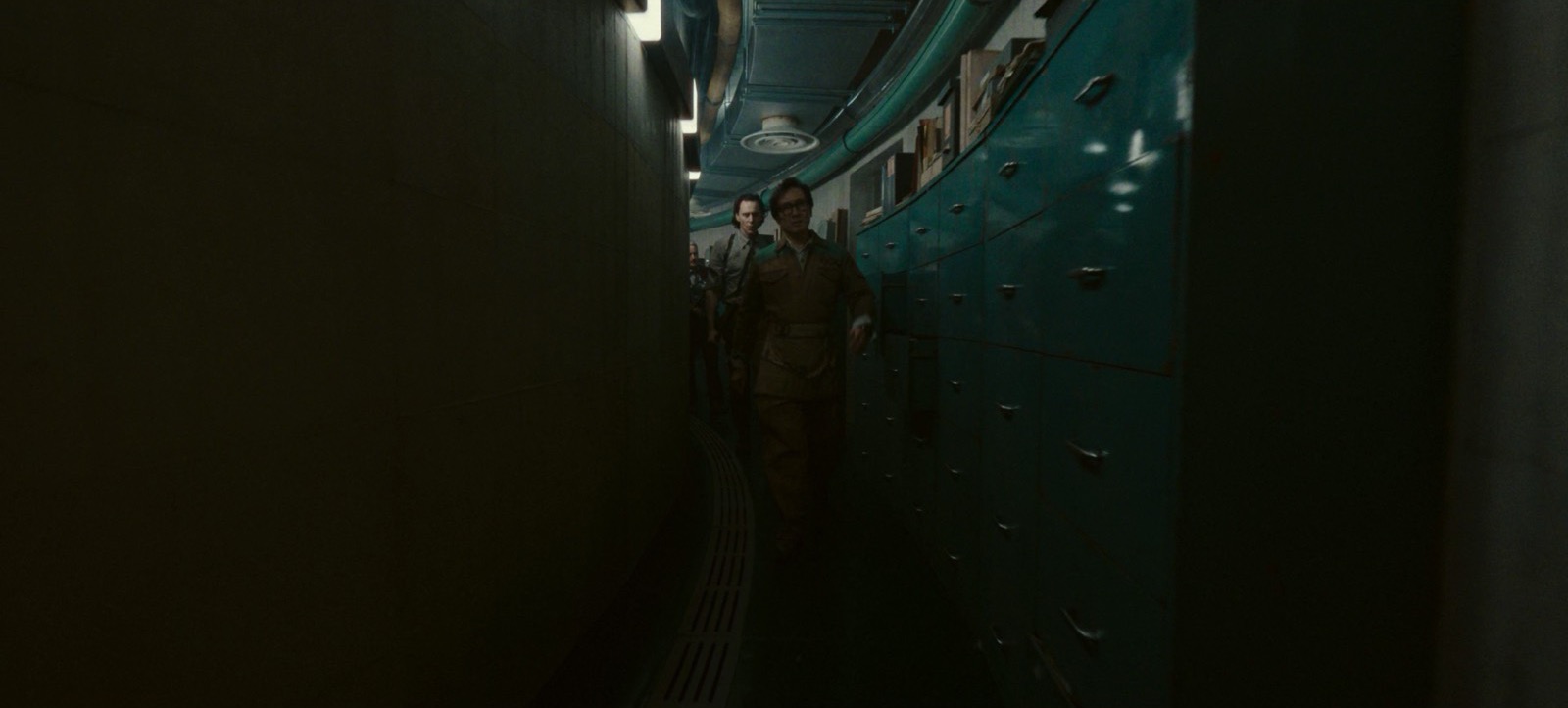
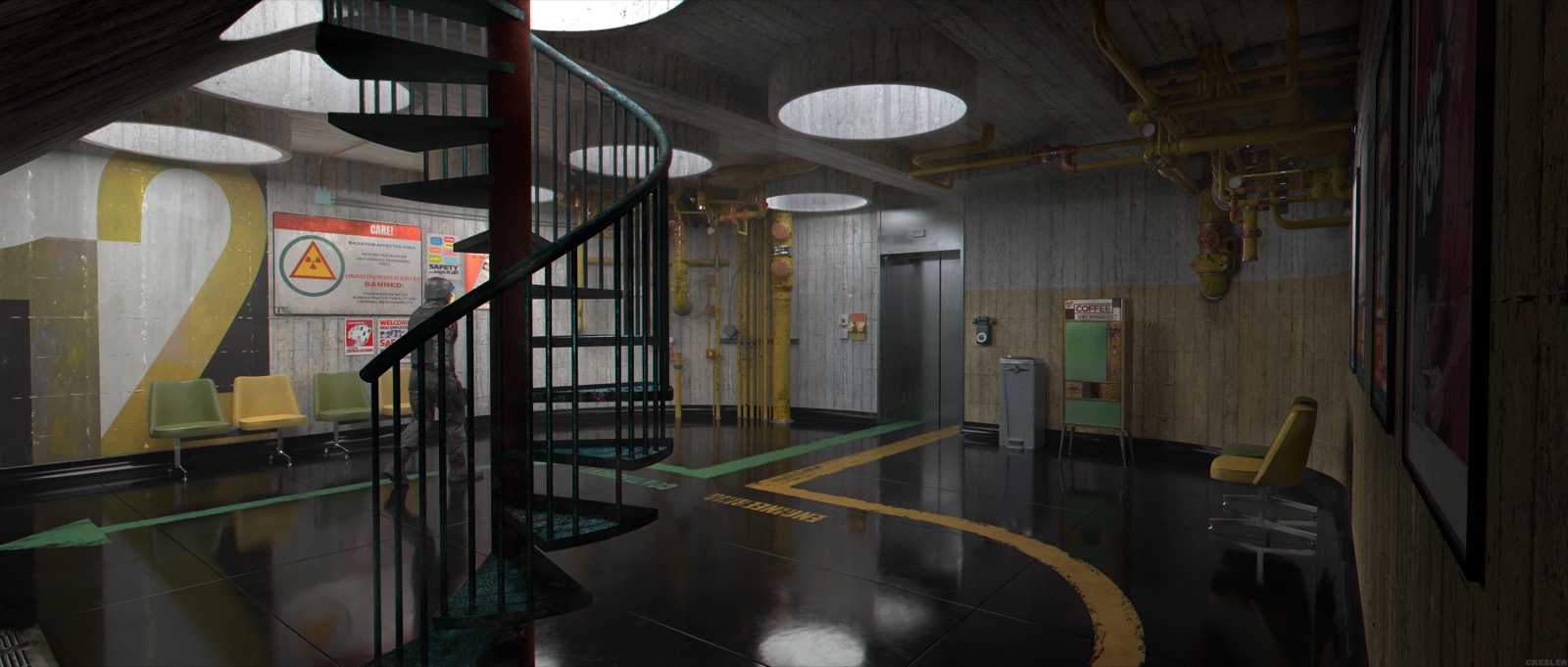
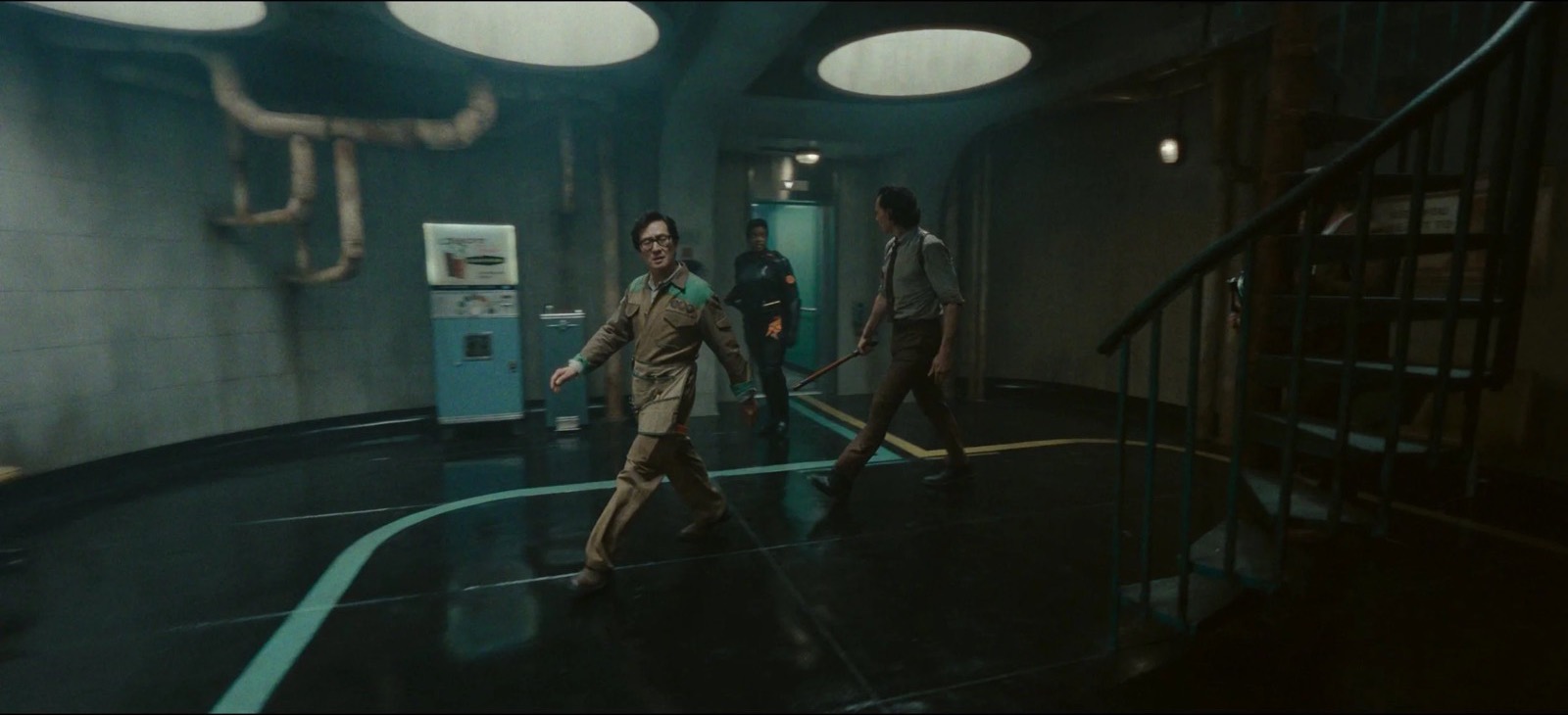
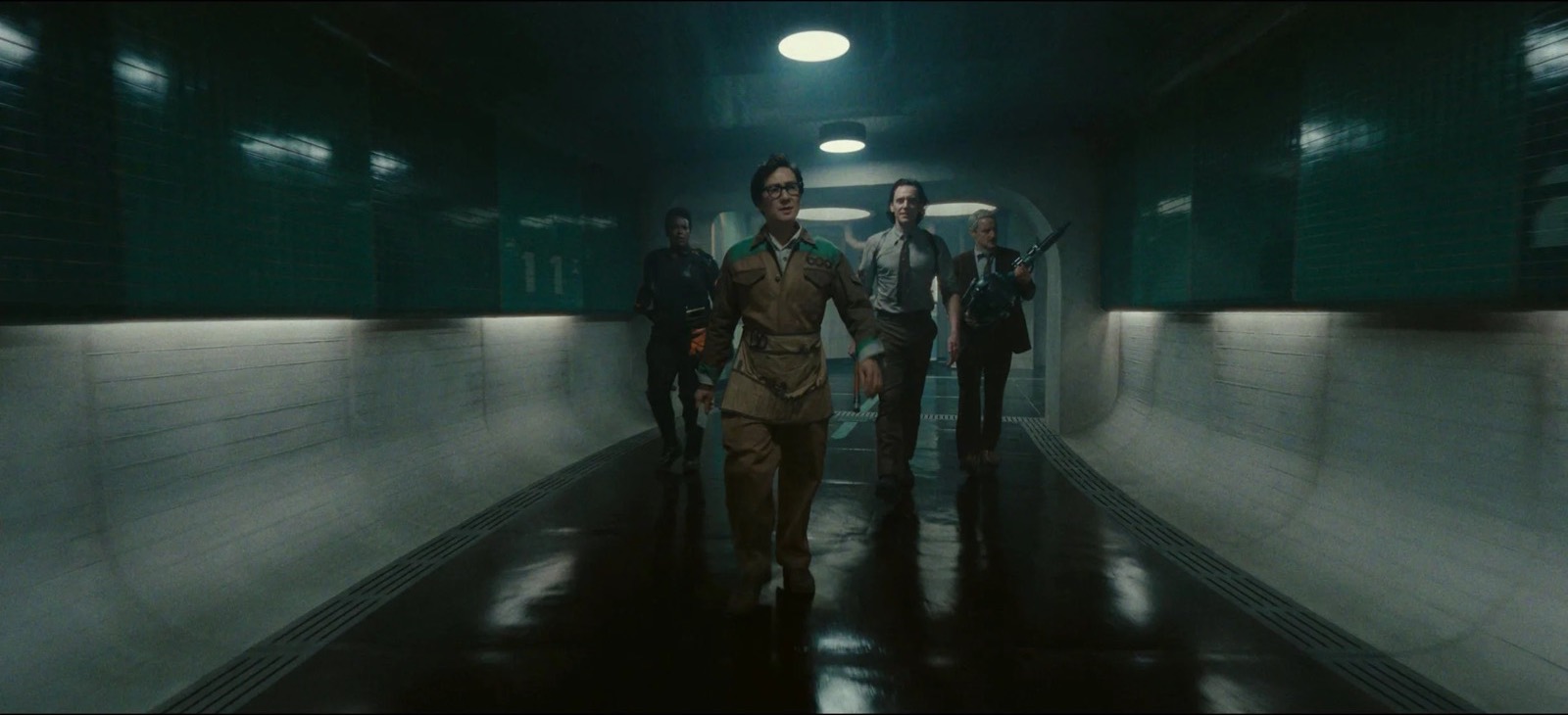
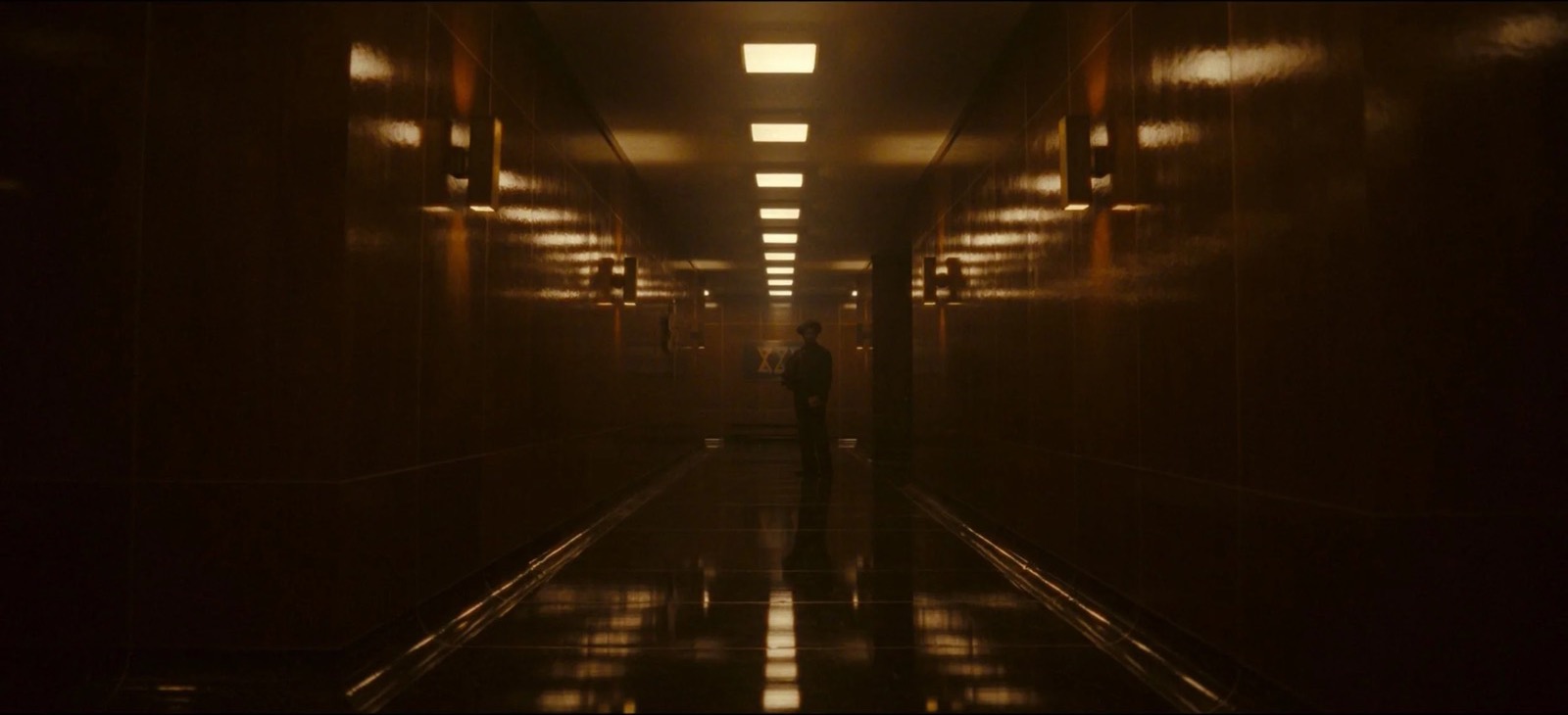
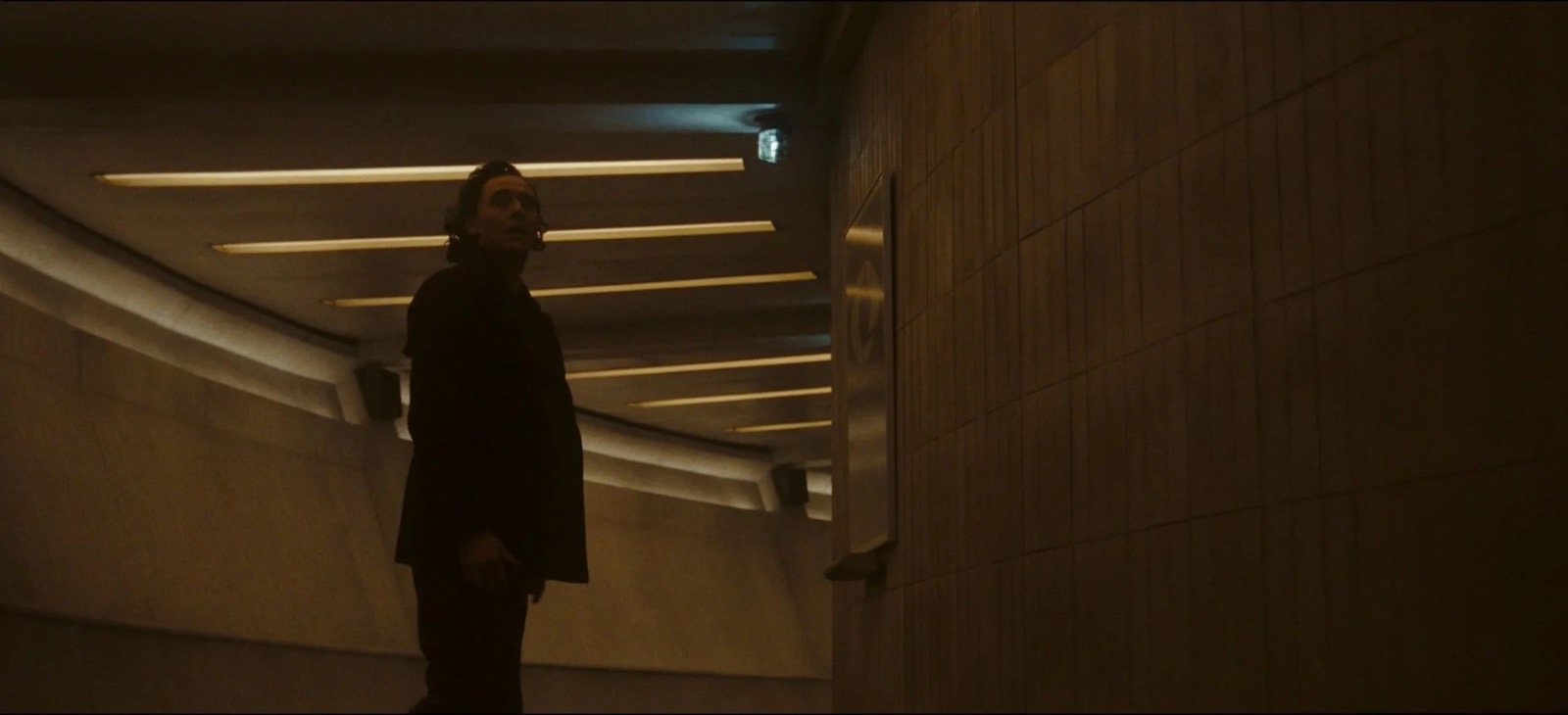
That idea set the rules for everything new. The spaces below needed to be cruder, more industrial and slightly more primitive than the ones above them, so we backdated them. Where Season One drew on the 1960s, the new sets—Repairs and Advancement, the Temporal Core and the corridors that link them — look to the mid-fifties and a Cold War bunker, with a palette built from greens rather than the TVA’s familiar orange. I came to think of it as the systems level: something like a power plant crossed with the maintenance apparatus for organizing time.
The season also moved. Season One was built and photographed in Atlanta; Season Two was made outside London, where supervising art director Tim Blake led a terrific UK art department, and every set we wanted to reuse, we shipped across the Atlantic.
I wore more hats this time. After Season One I joined the writers’ room, and by the time Episode 3 came up on the schedule most of the design work was done, which is how I came to write and direct “1893” as well as design it.
Season Two shows us the foundation and systems upon which the front-facing part of the TVA is built.
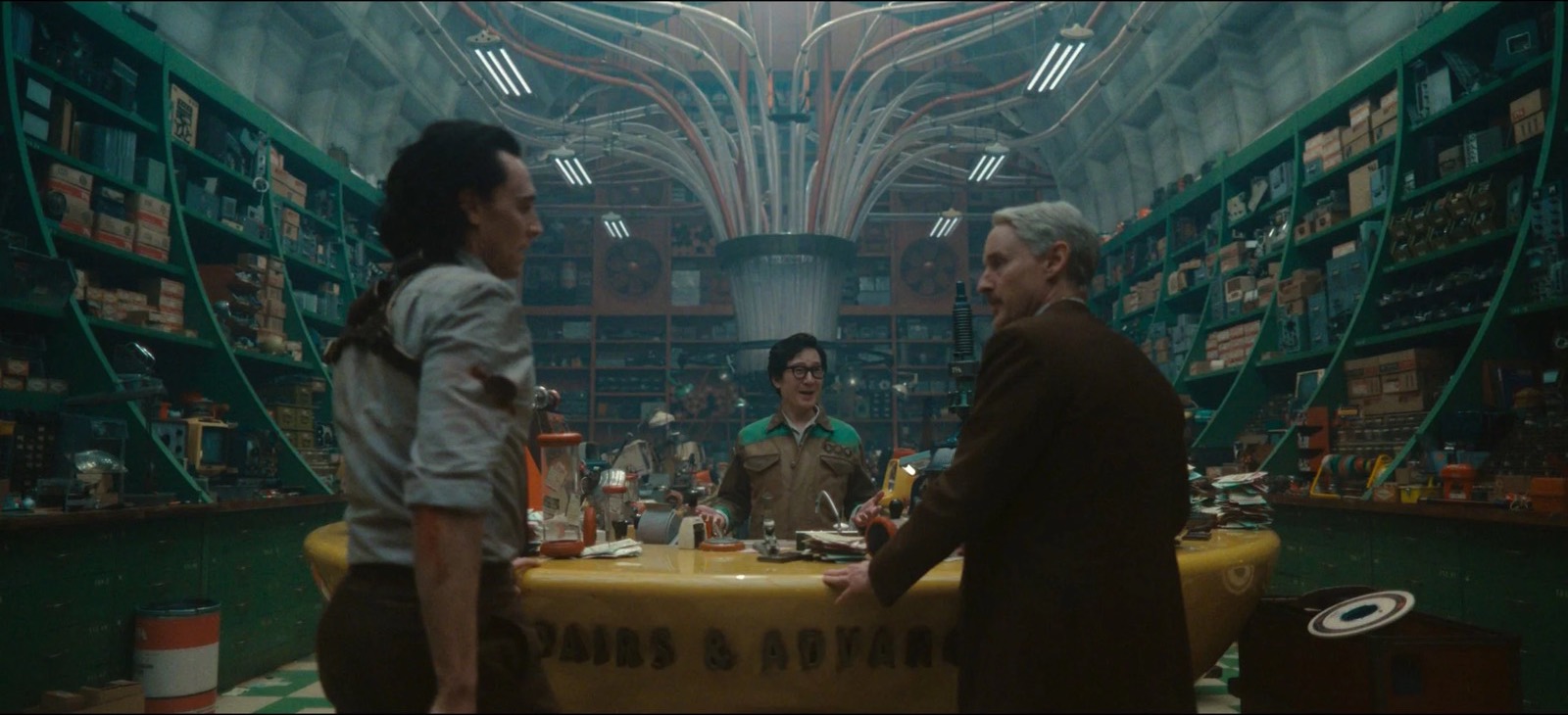
Repairs and Advancement
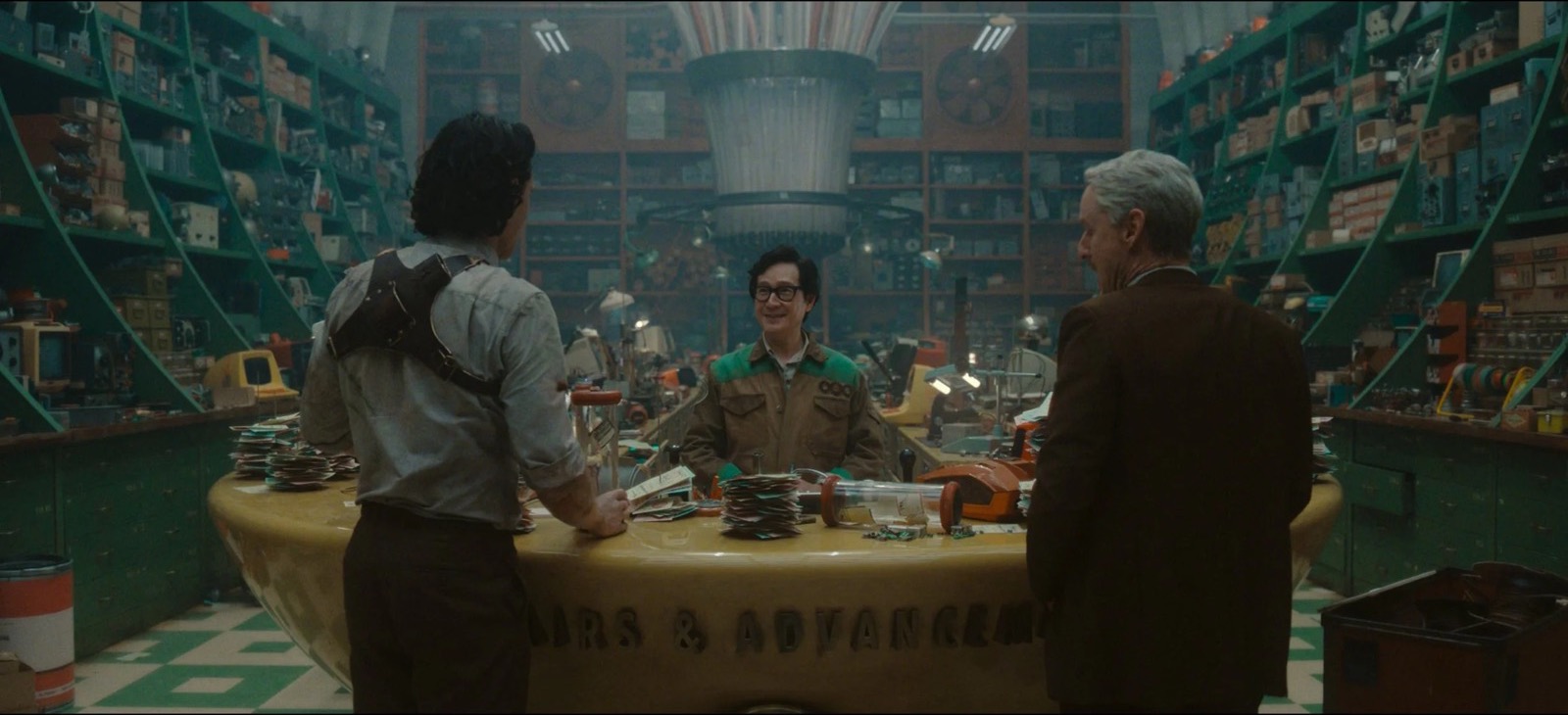
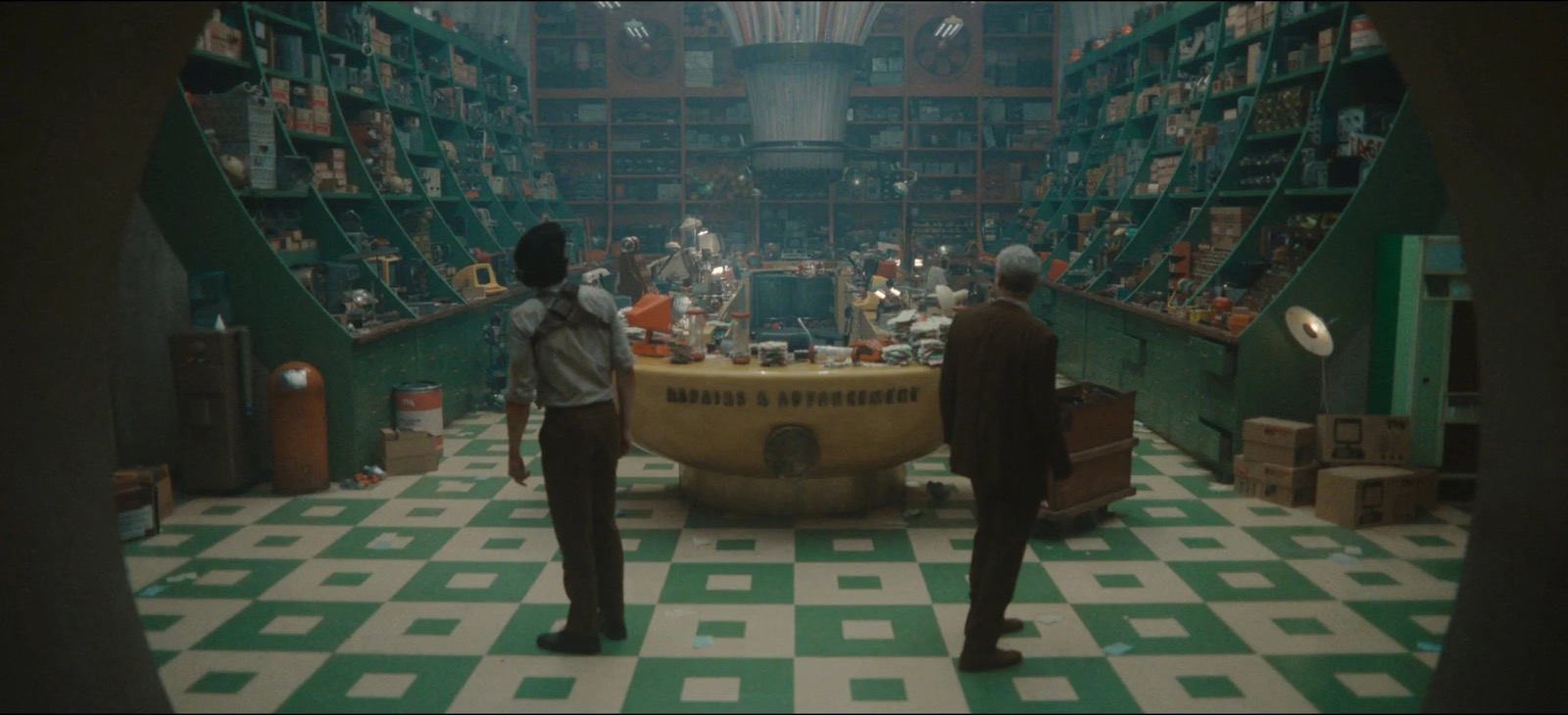
Repairs and Advancement is O.B.’s domain, and everything in the TVA seems to route through him. We hung giant pneumatic tubes overhead to carry work orders, broken equipment and everything else, which put him at the center of the machine.
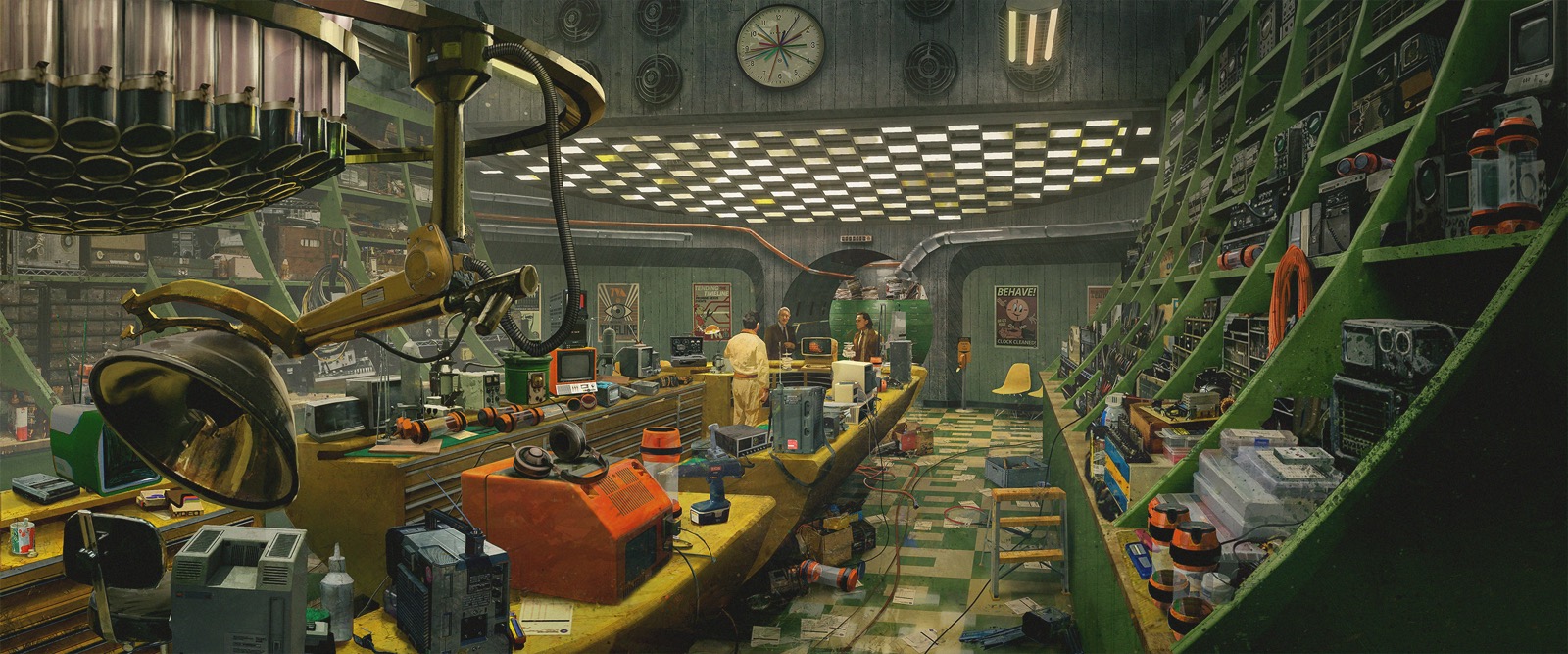
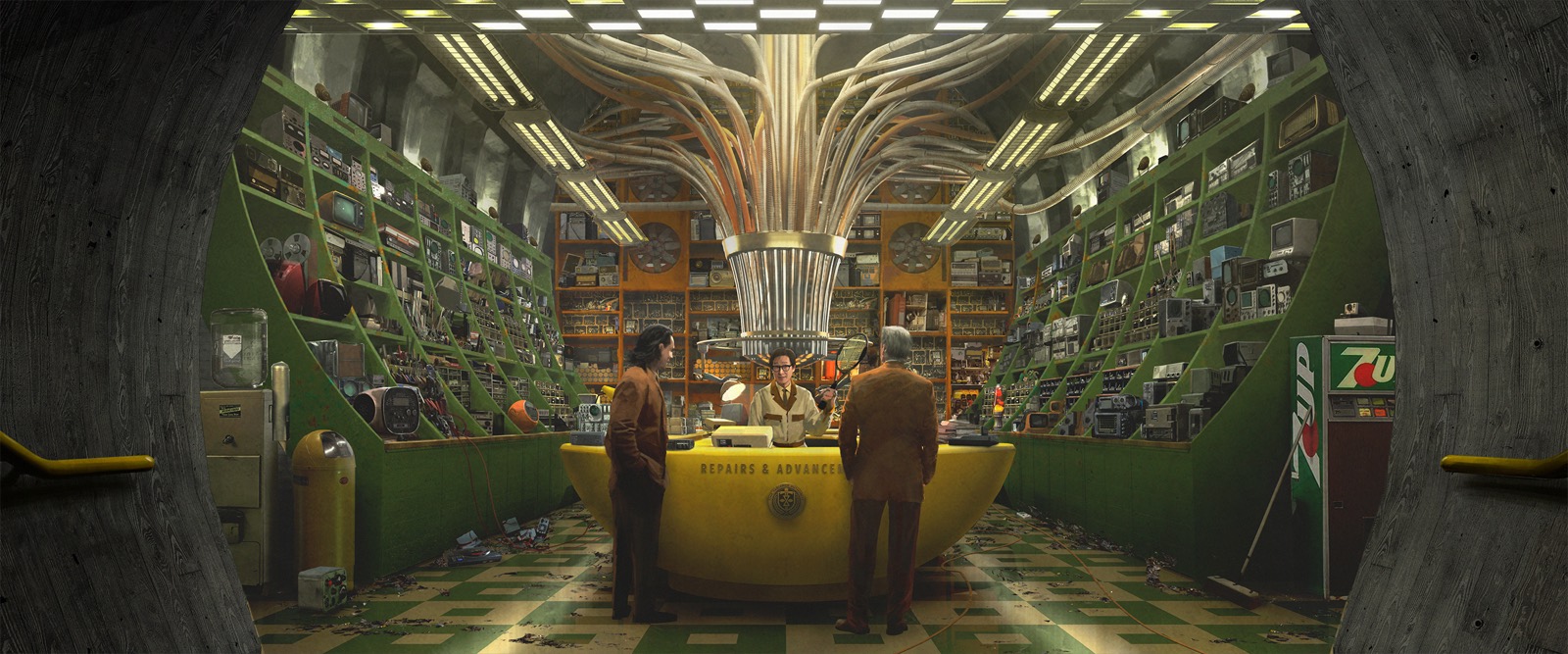
Concept illustration — Joe Studzinski
In Episode 5 we meet O.B. in his real life, in his own workspace, and we built that from the same set, altered and inverted. The idea was that when O.B. came to the TVA, his memory wiped, the years he had spent in that real-world lab were seared into his brain anyway. So when it came time to design Repairs and Advancement, he couldn’t help going back, subconsciously, to the room he’d come from. We hoped audiences would feel an uncanny recognition the first time they saw it.

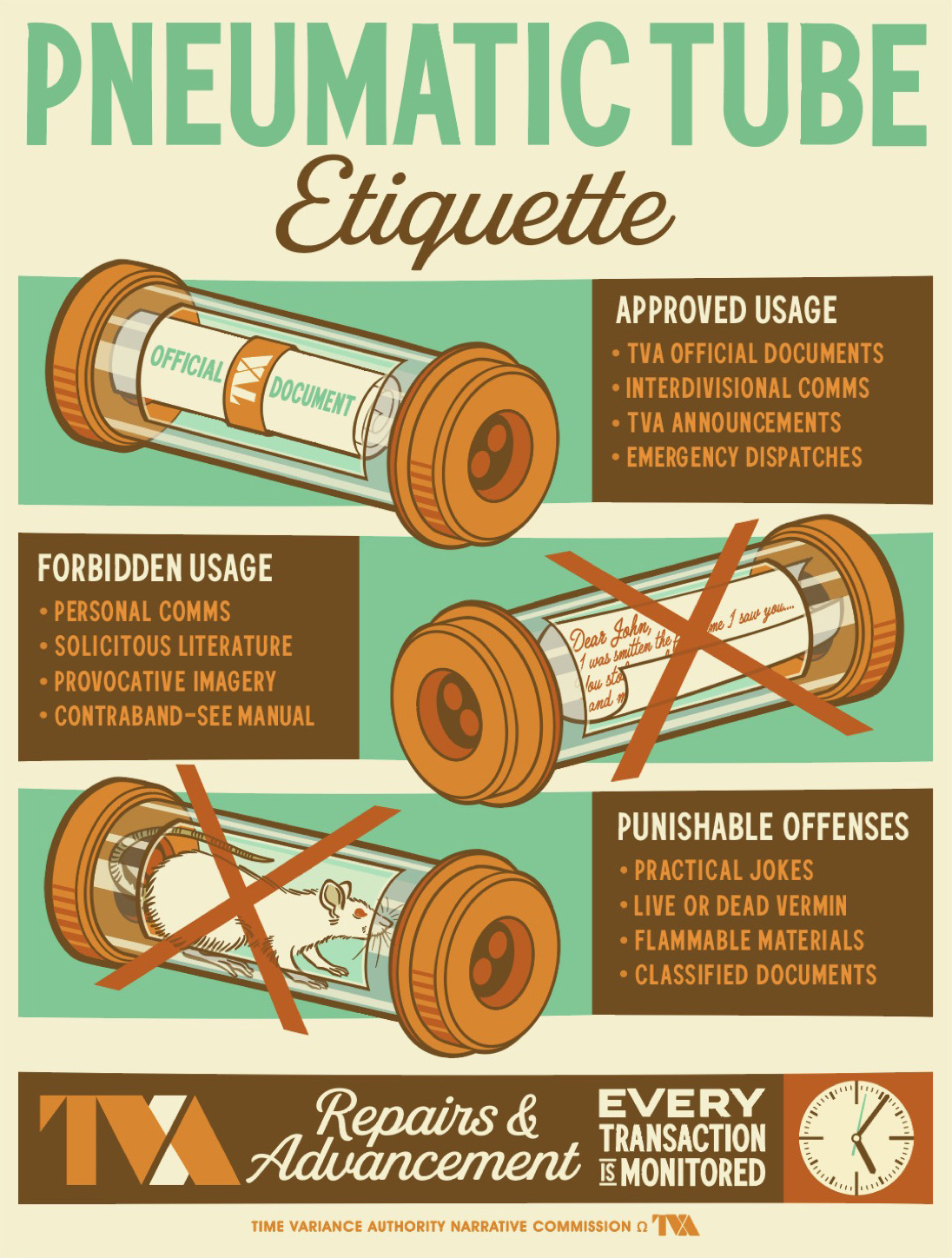
Poster design — Jason Sweers
The inversion is built into the room’s geometry. In the TVA, the funnel reads as a white triangle against an orange circle. In O.B.’s real workspace we flipped it: the funnel becomes a black triangle on a white wall, and the pneumatic tubes give way to daylight pouring in through big windows.
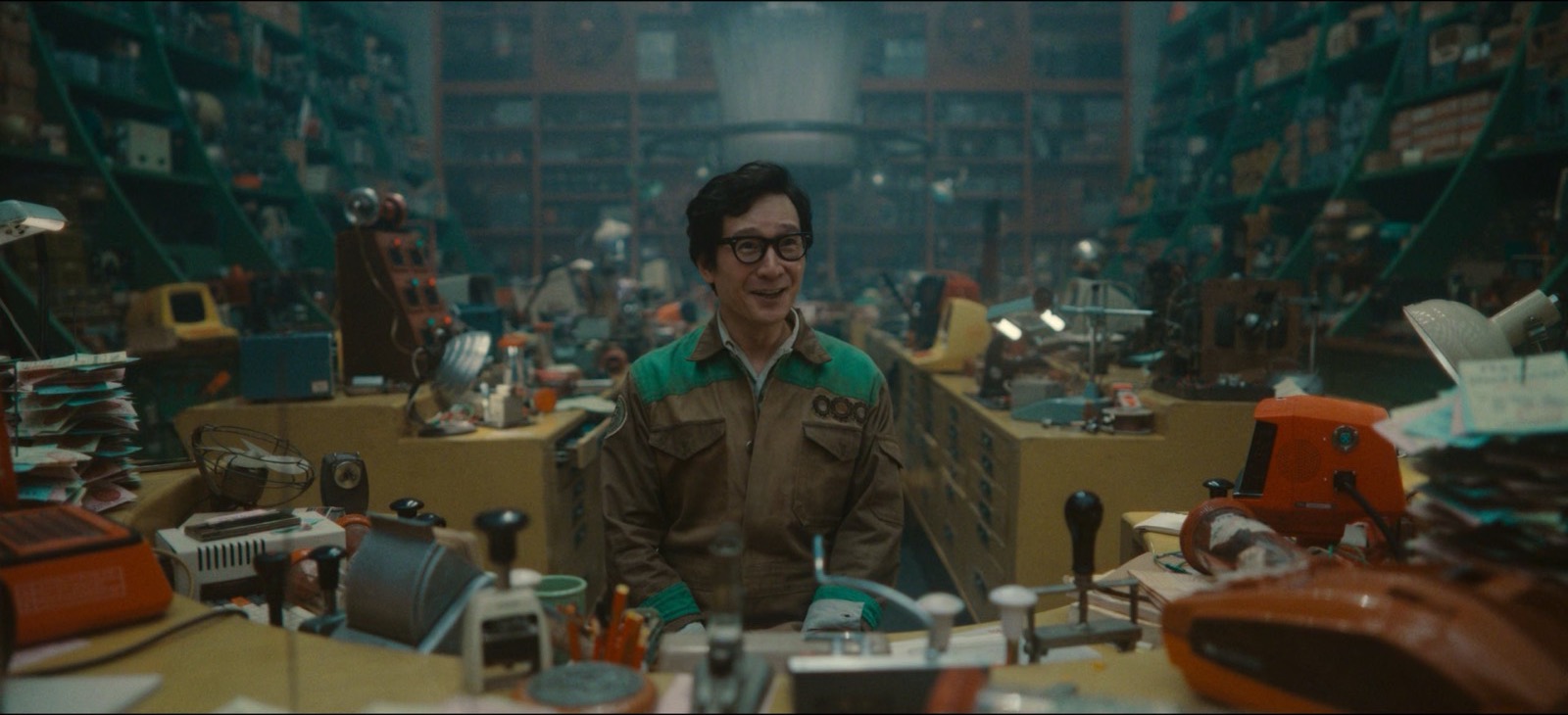
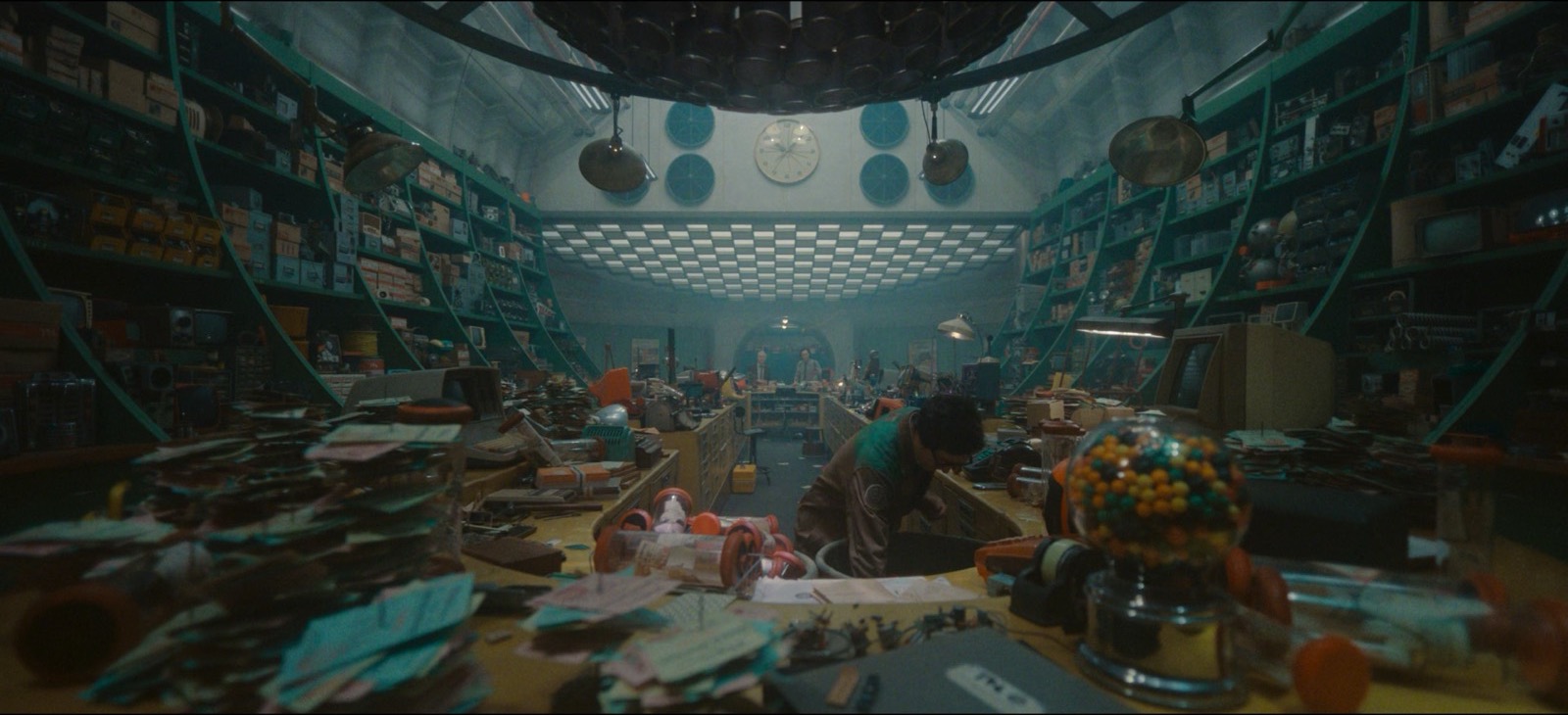
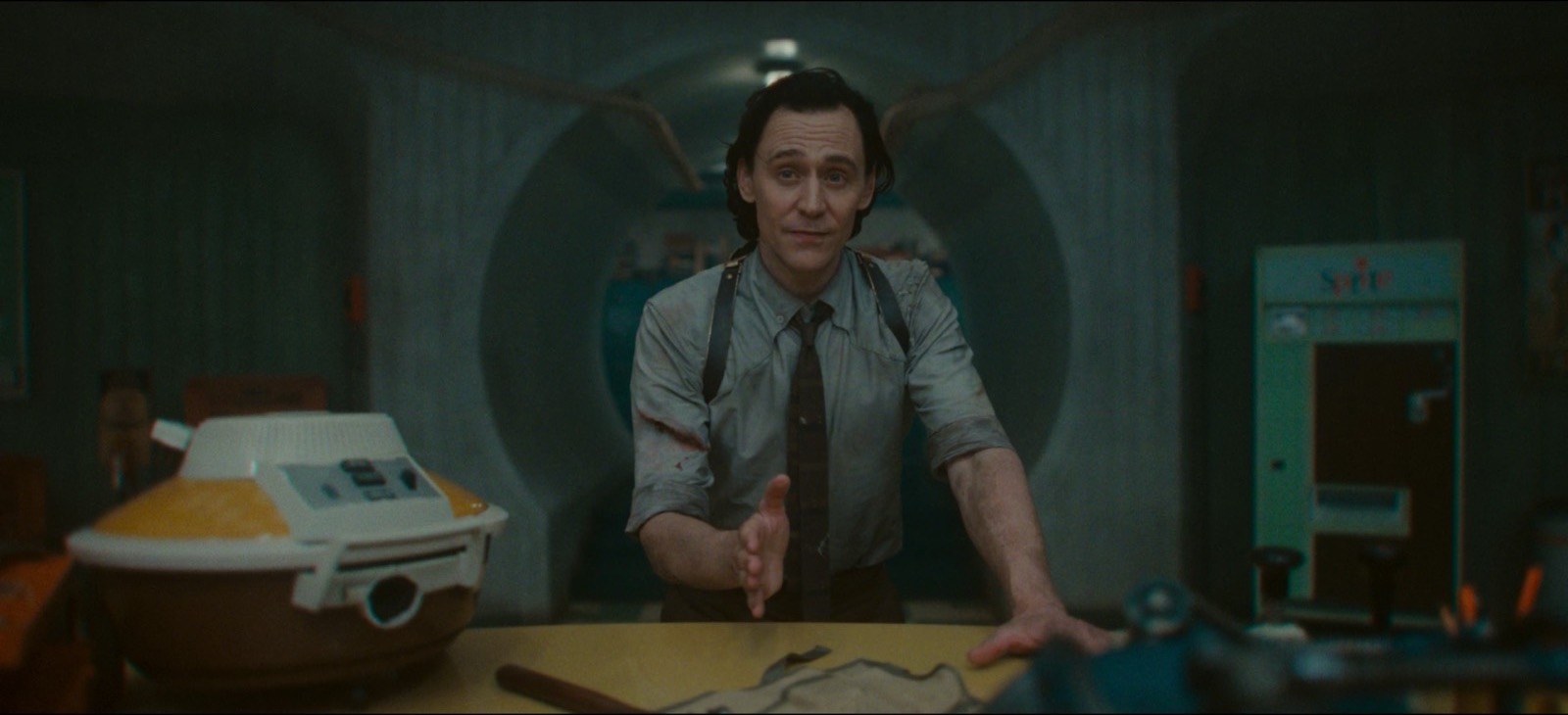
“Ouroboros,” the episode built around this set, earned an Art Directors Guild nomination.
The Temporal Core
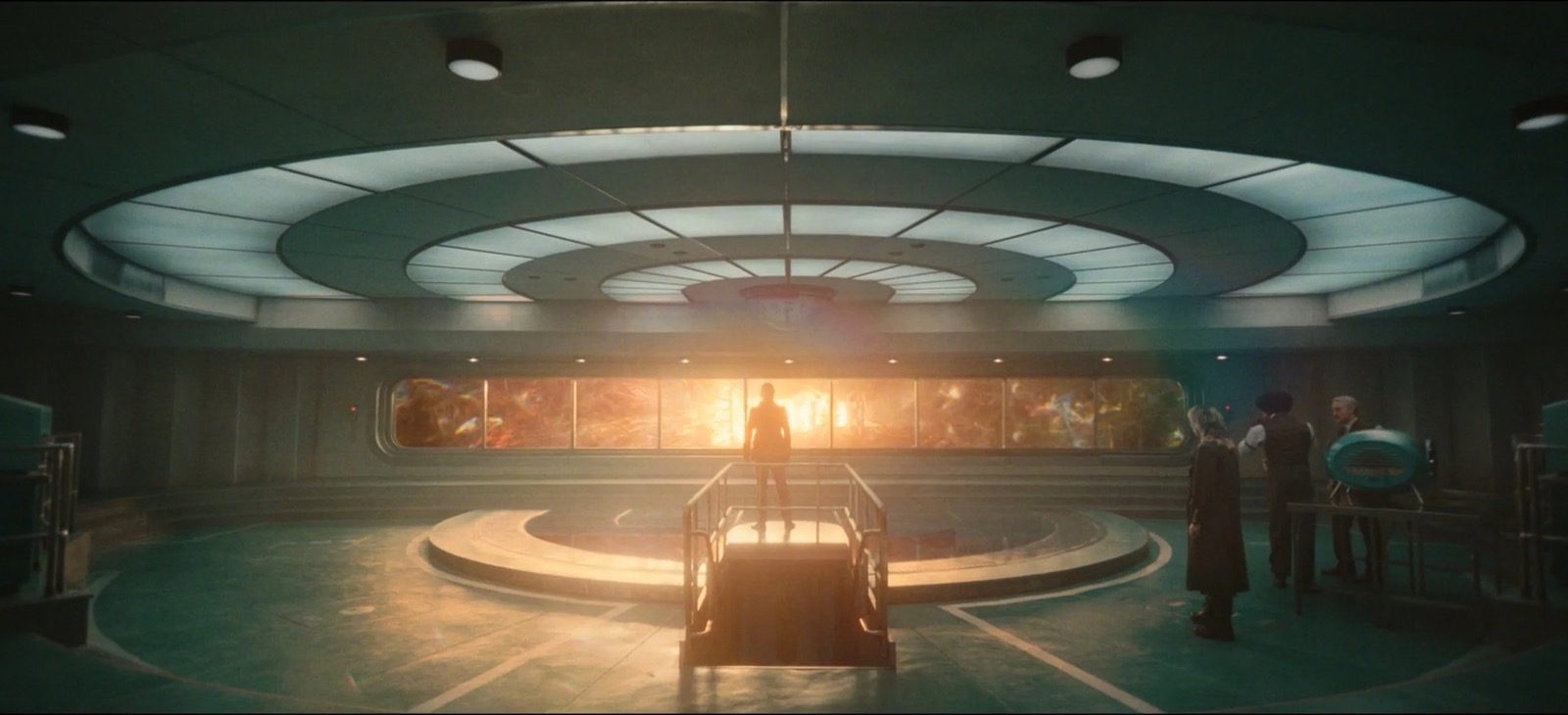
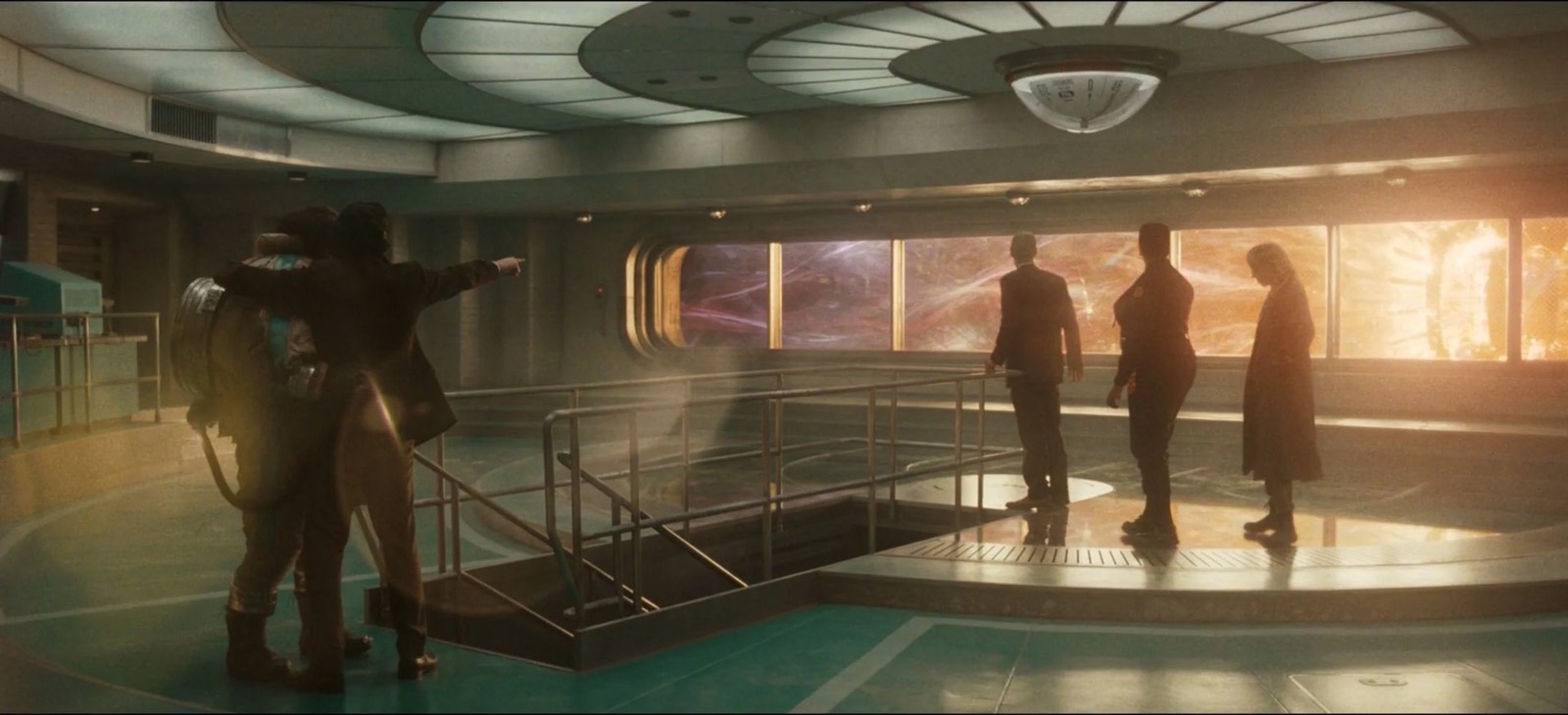
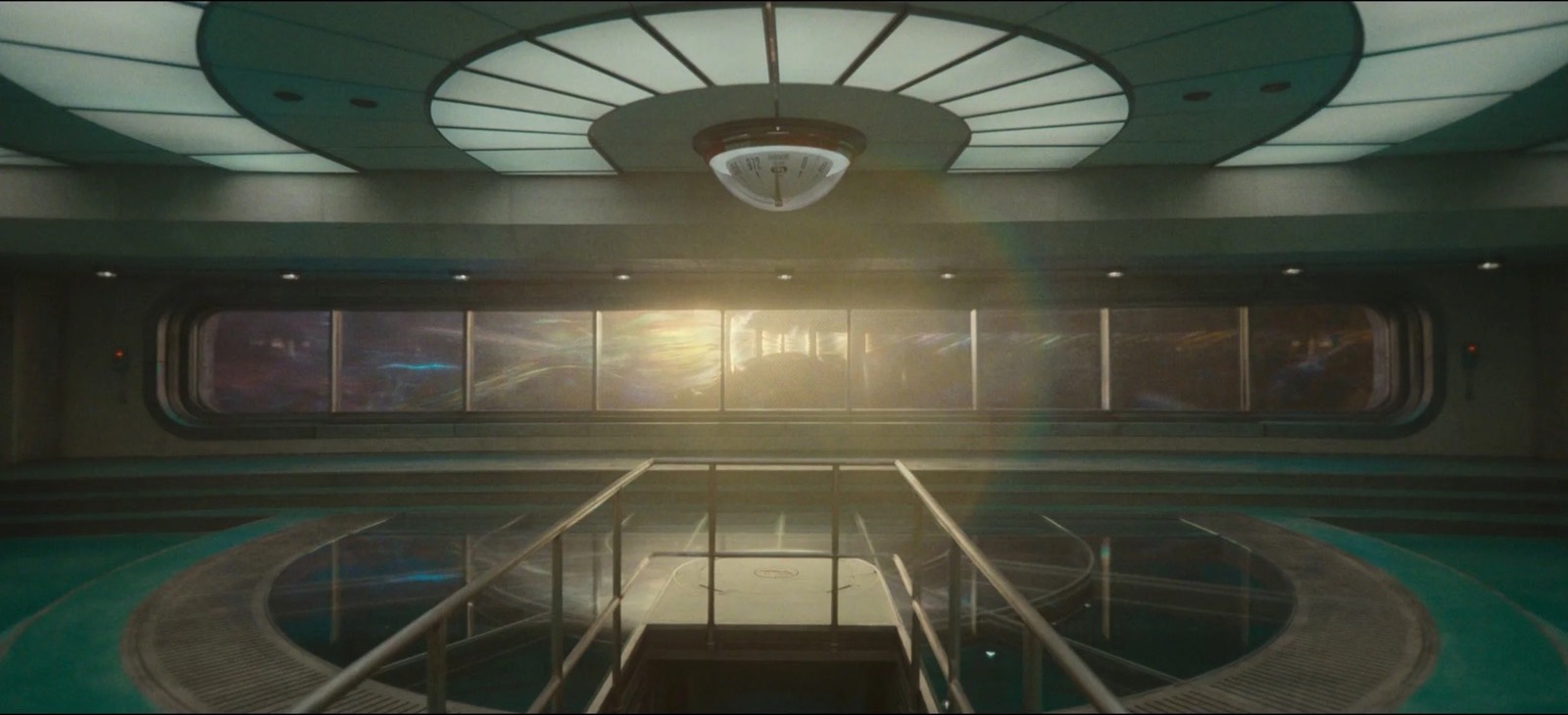
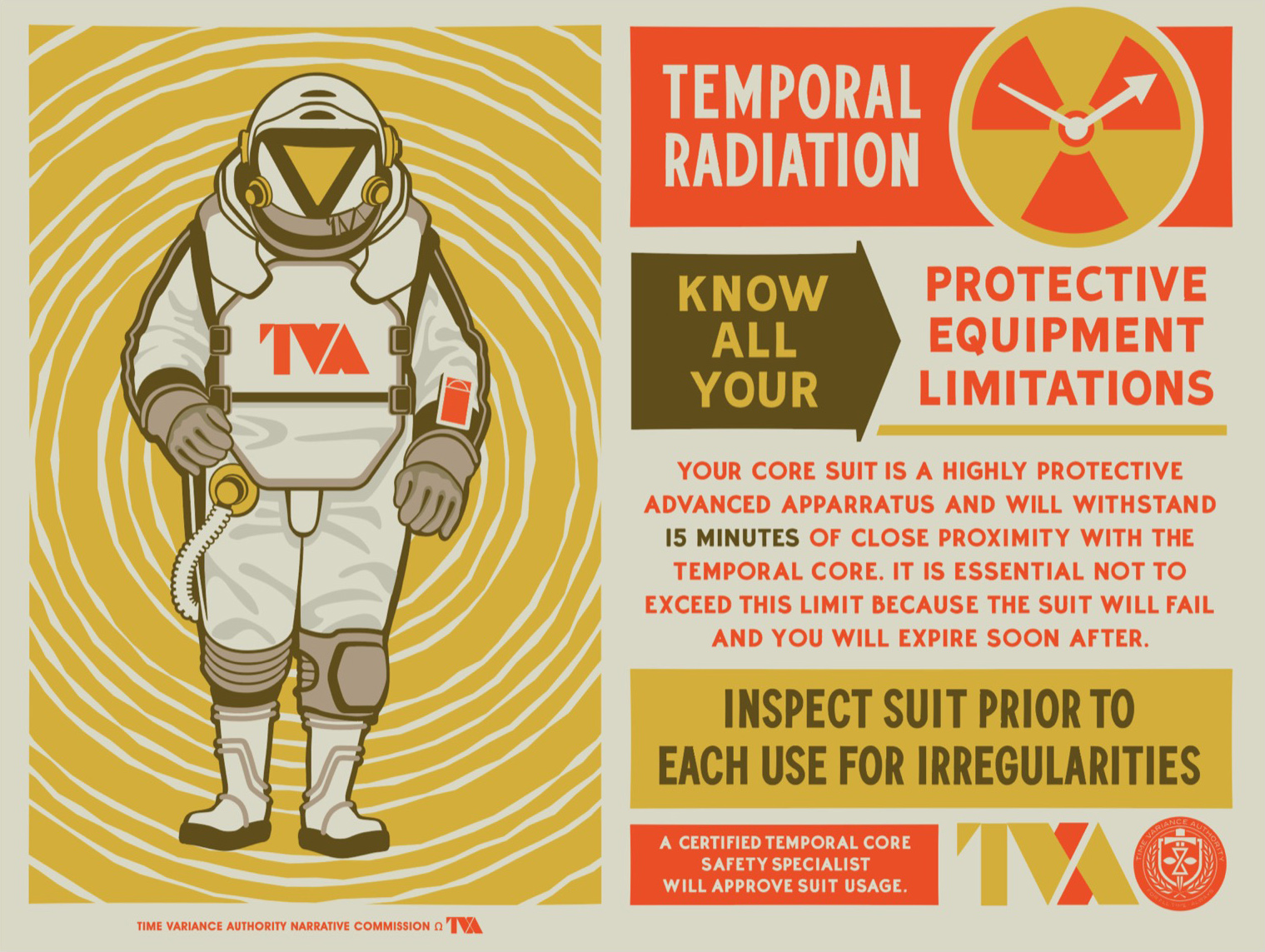
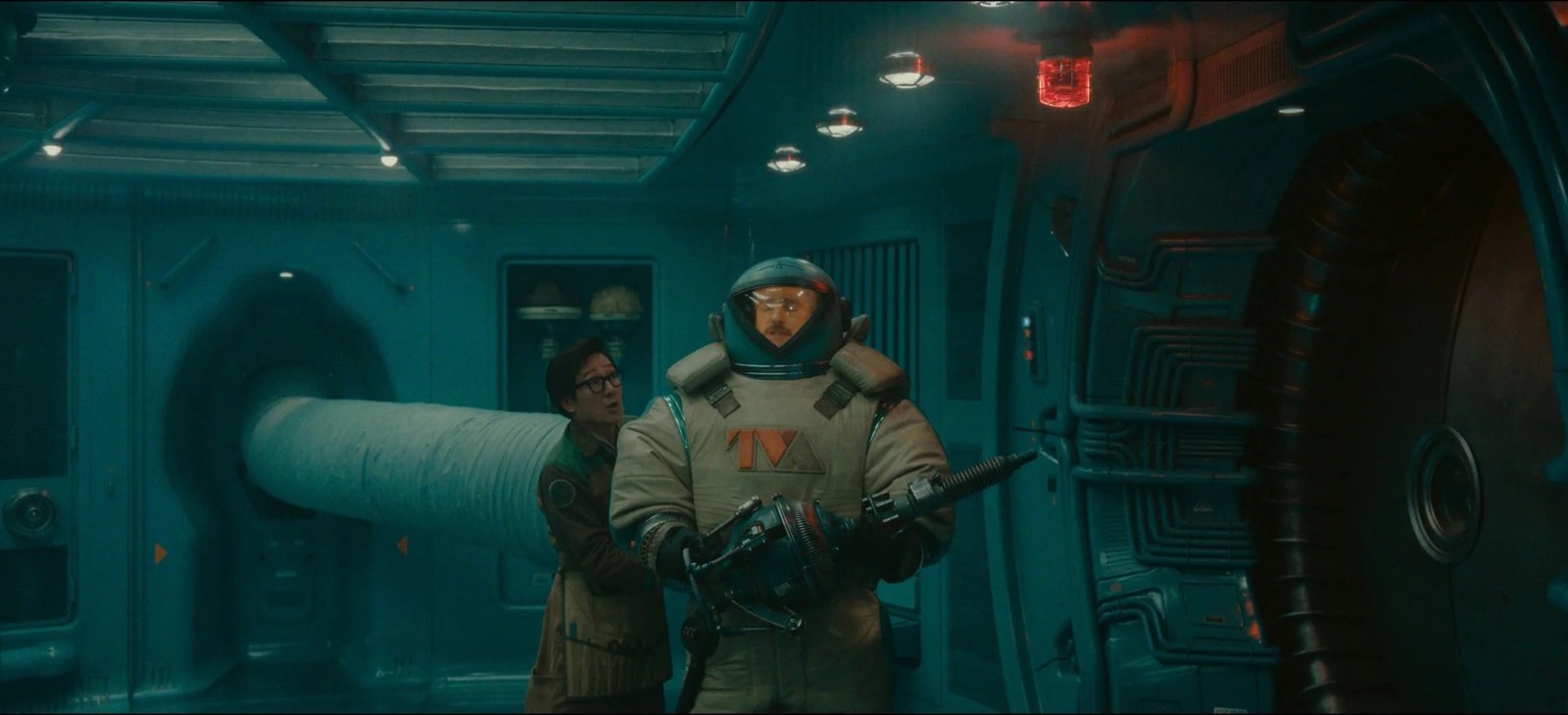
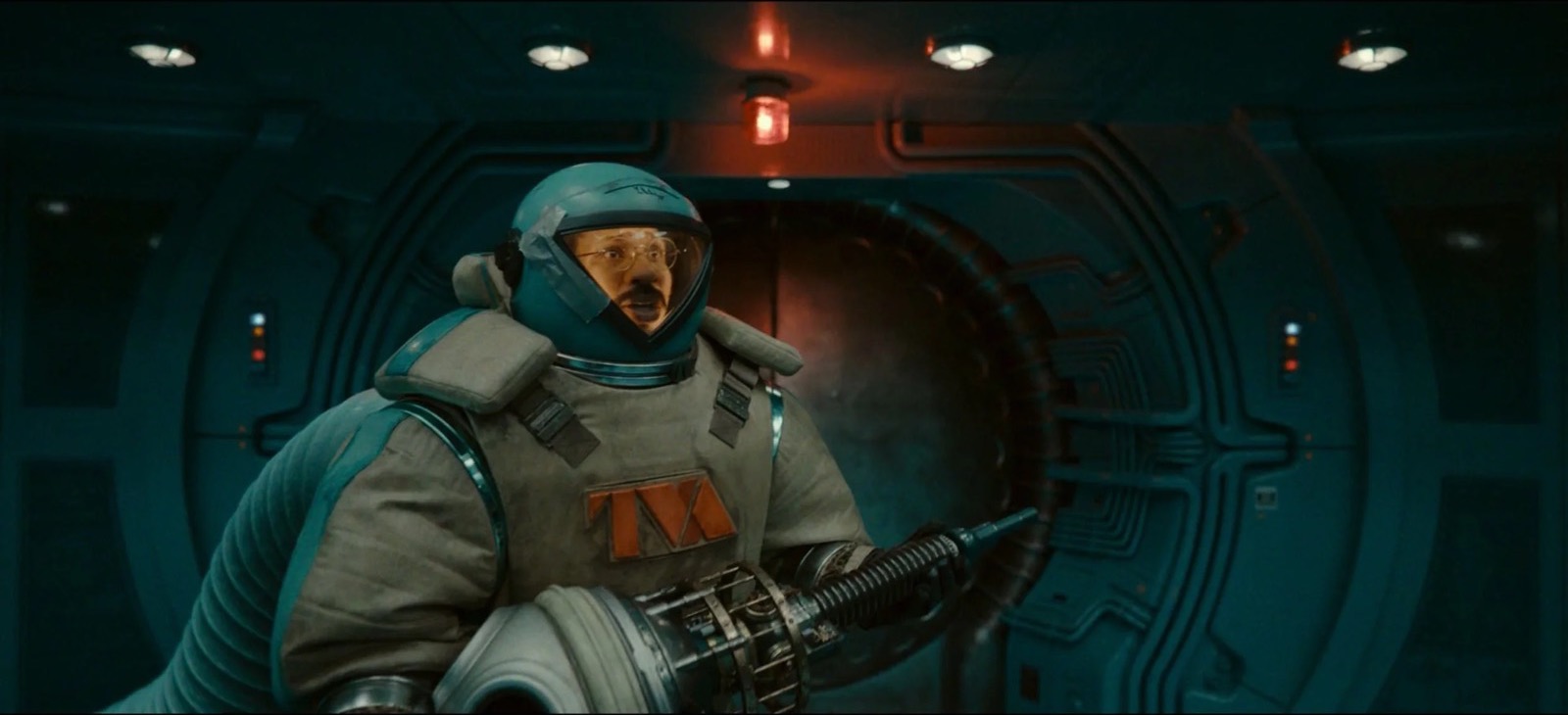
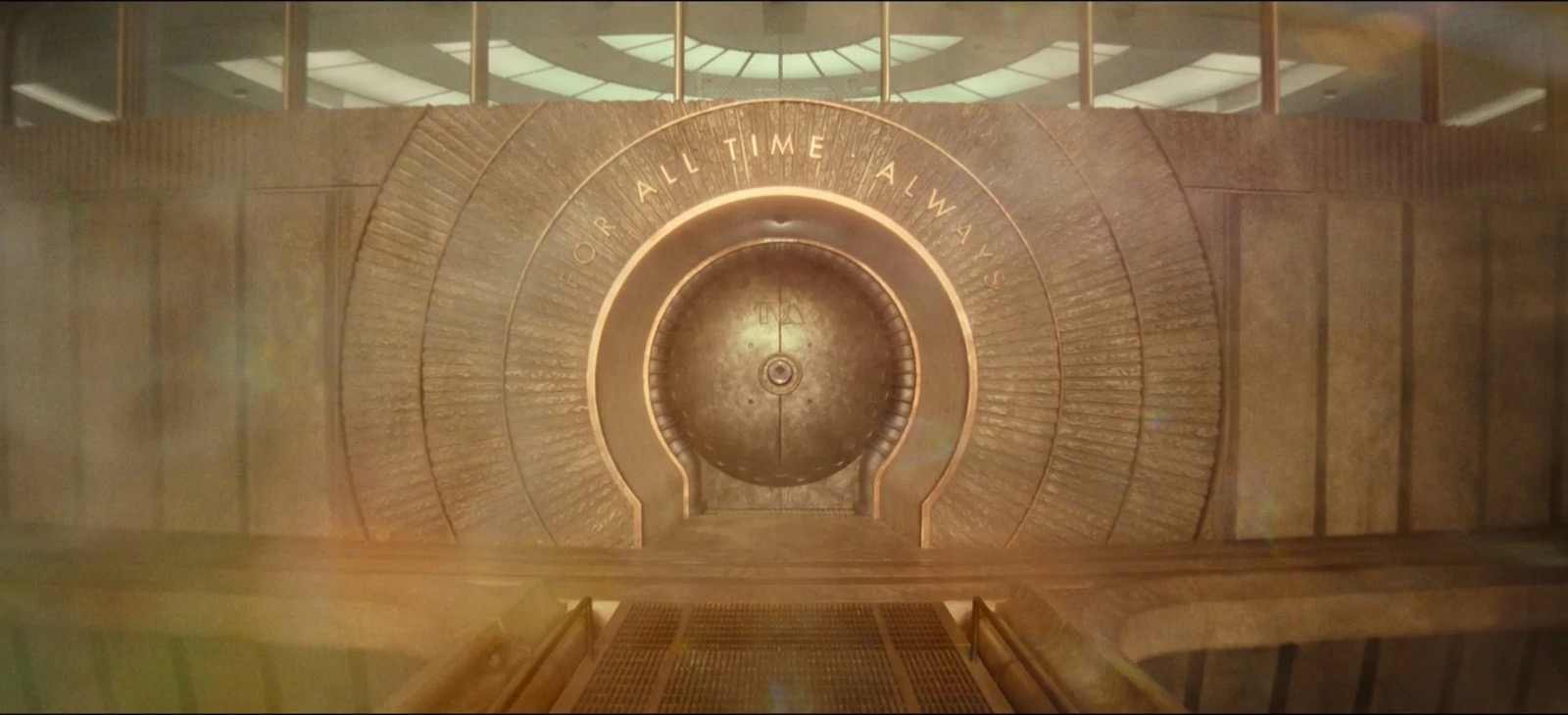
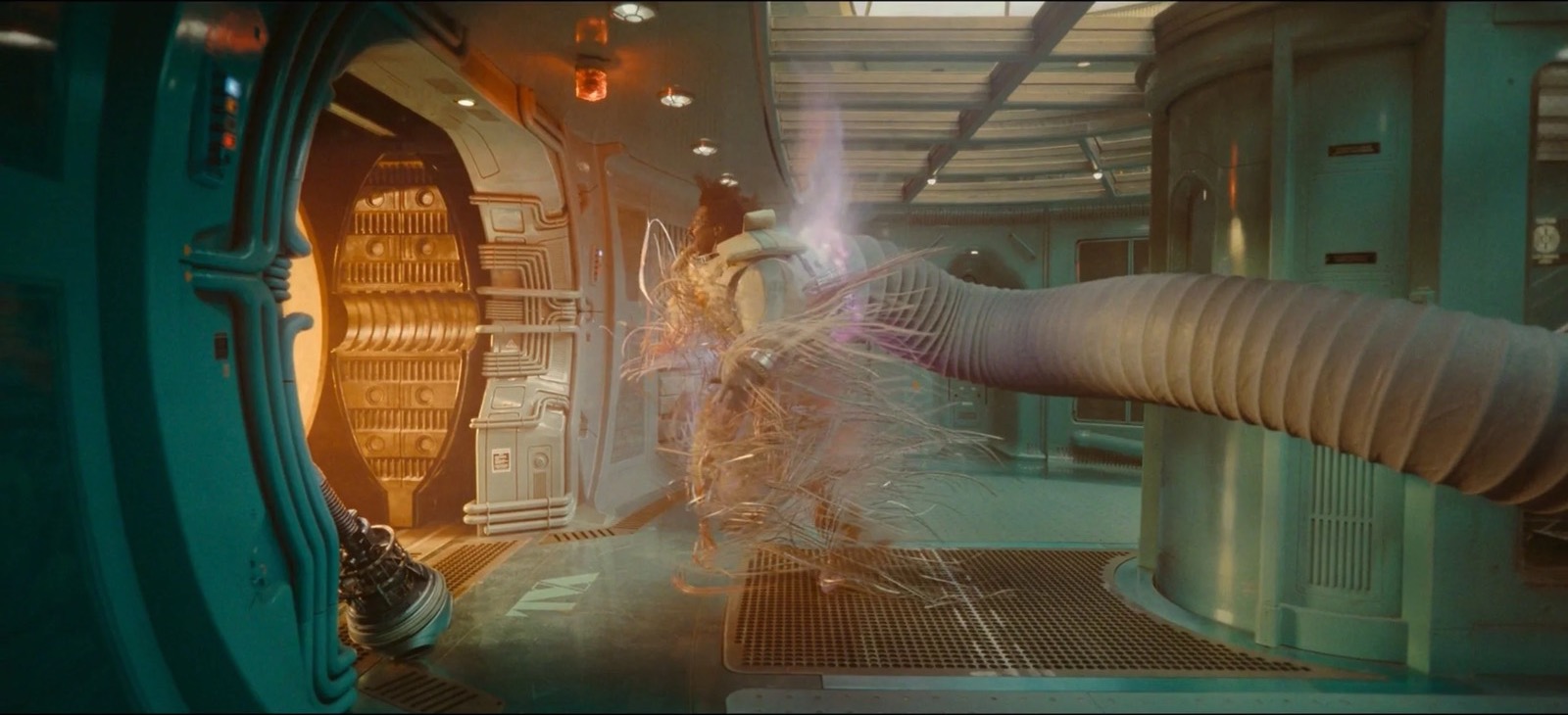
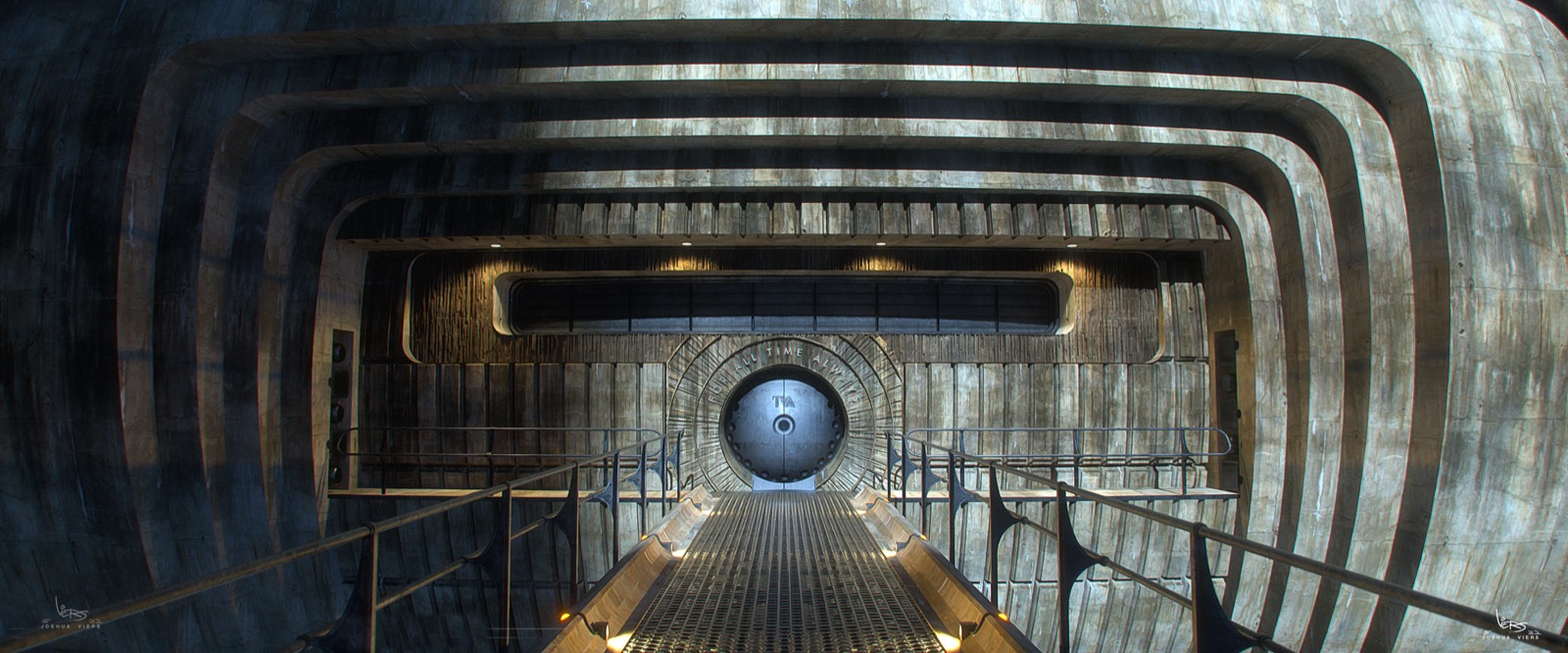
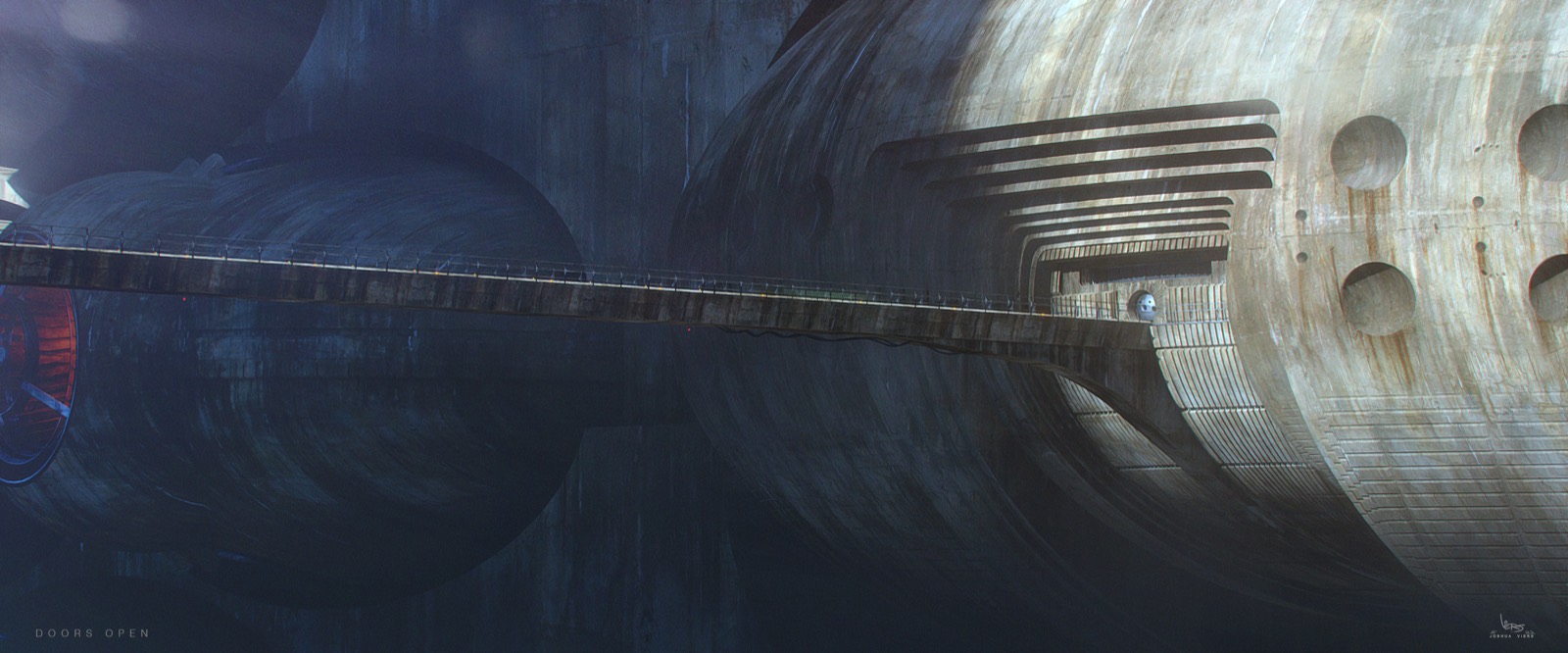
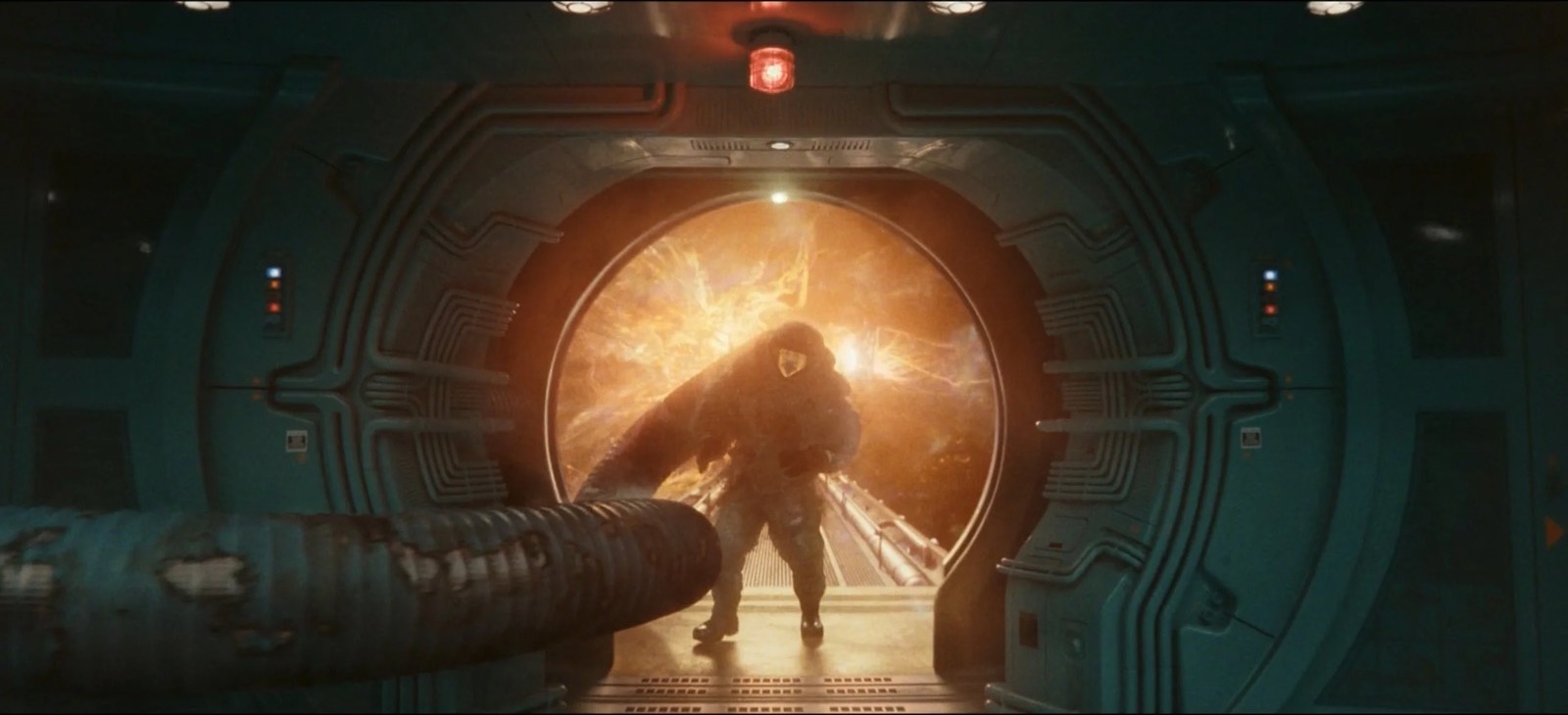
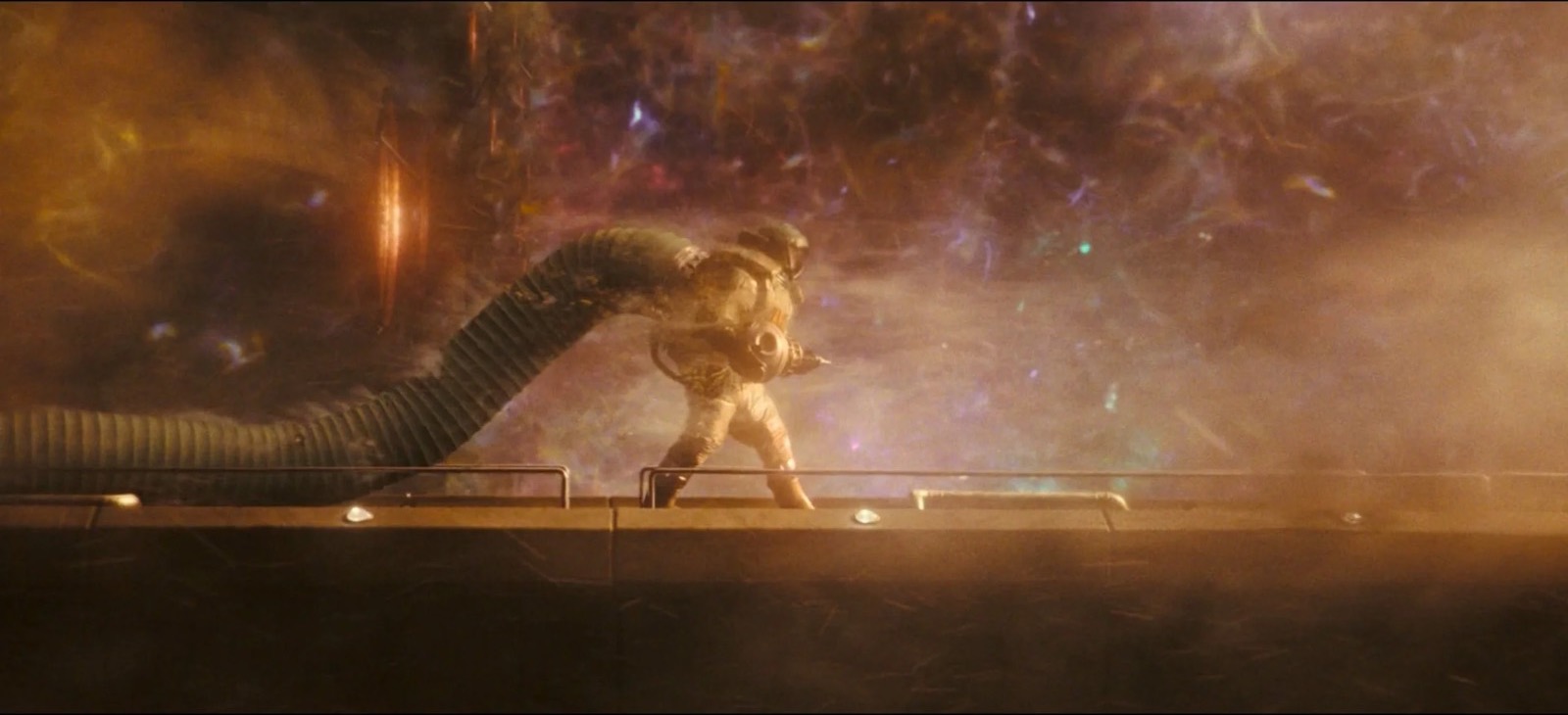
At the end of the corridors sits the season’s engine of jeopardy: the Temporal Core and the Loom. This is the Cold War bunker at its purest, the deepest and most industrial layer of the TVA.
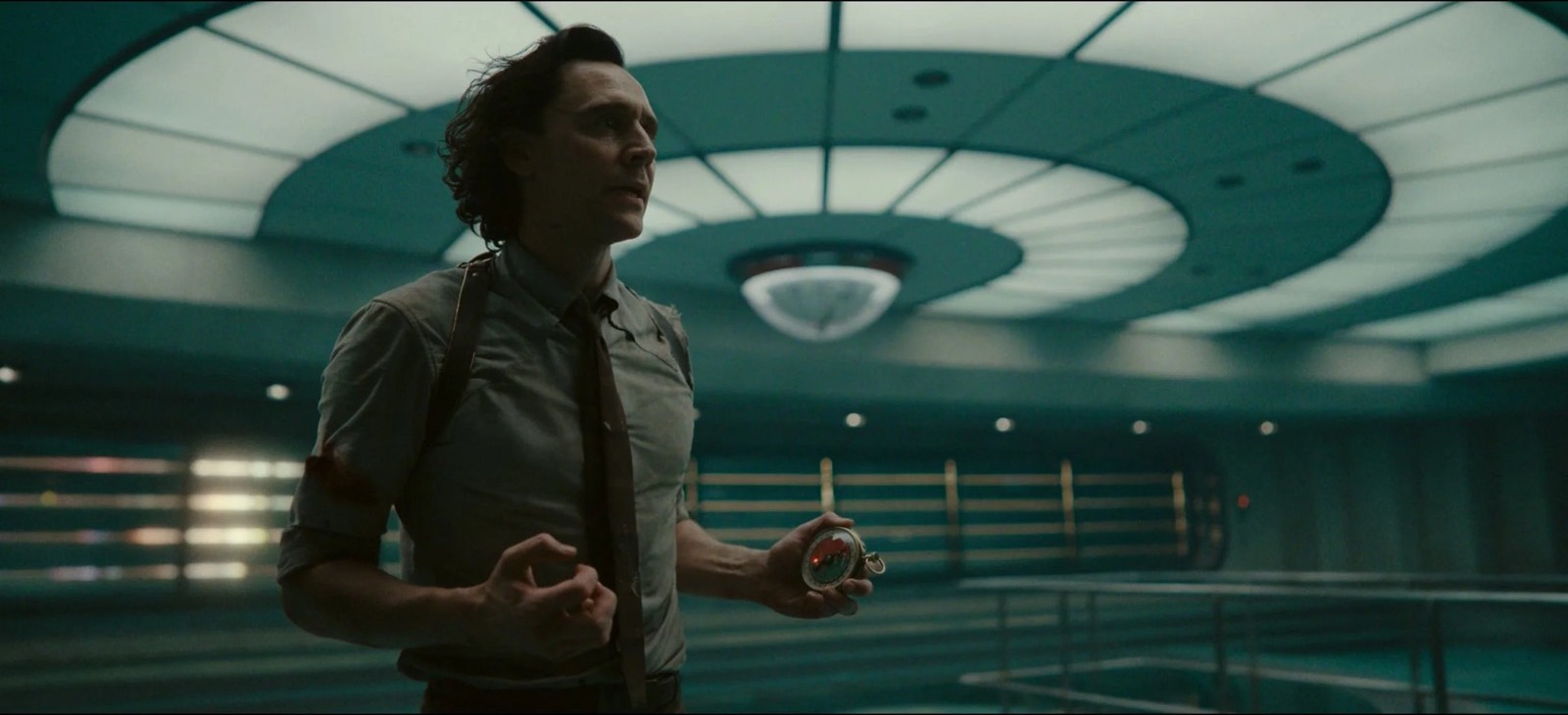
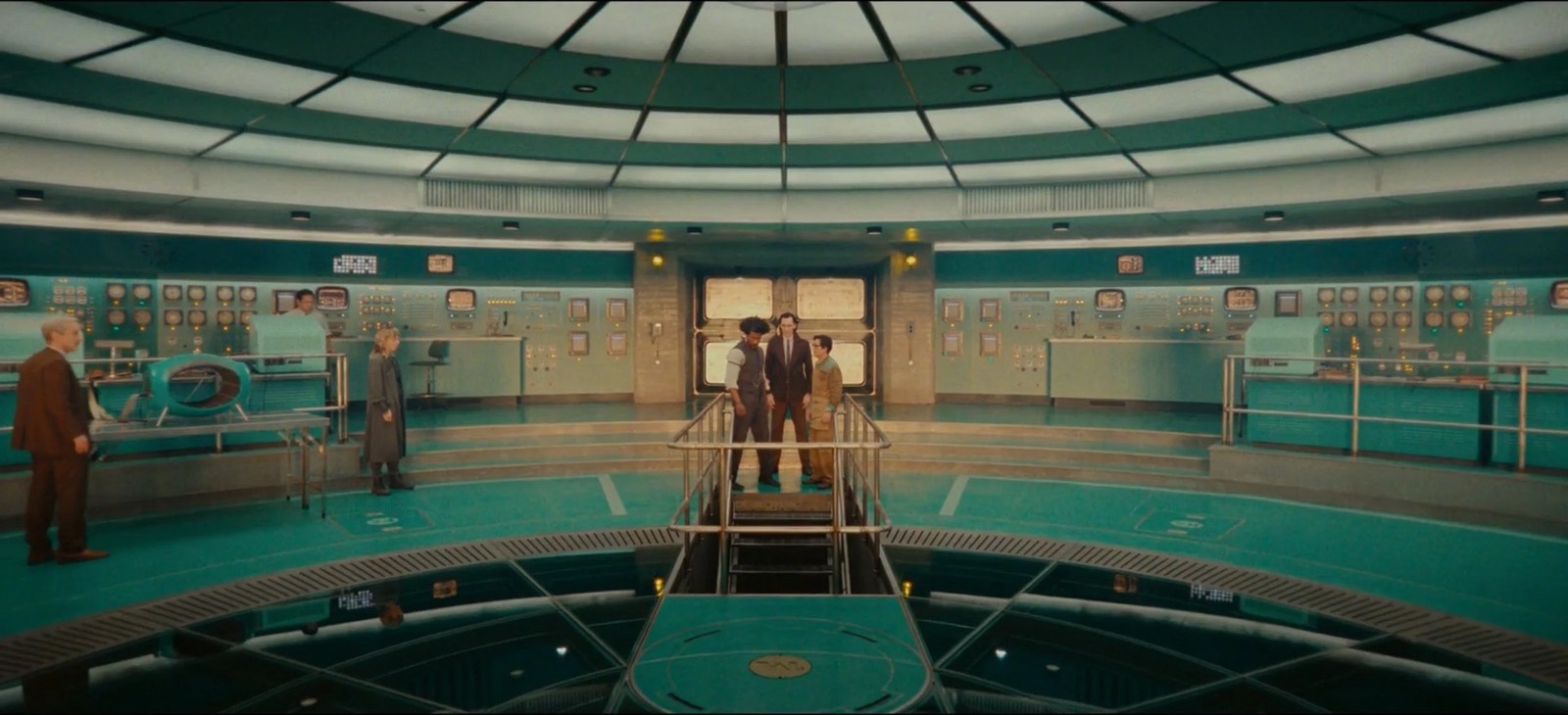
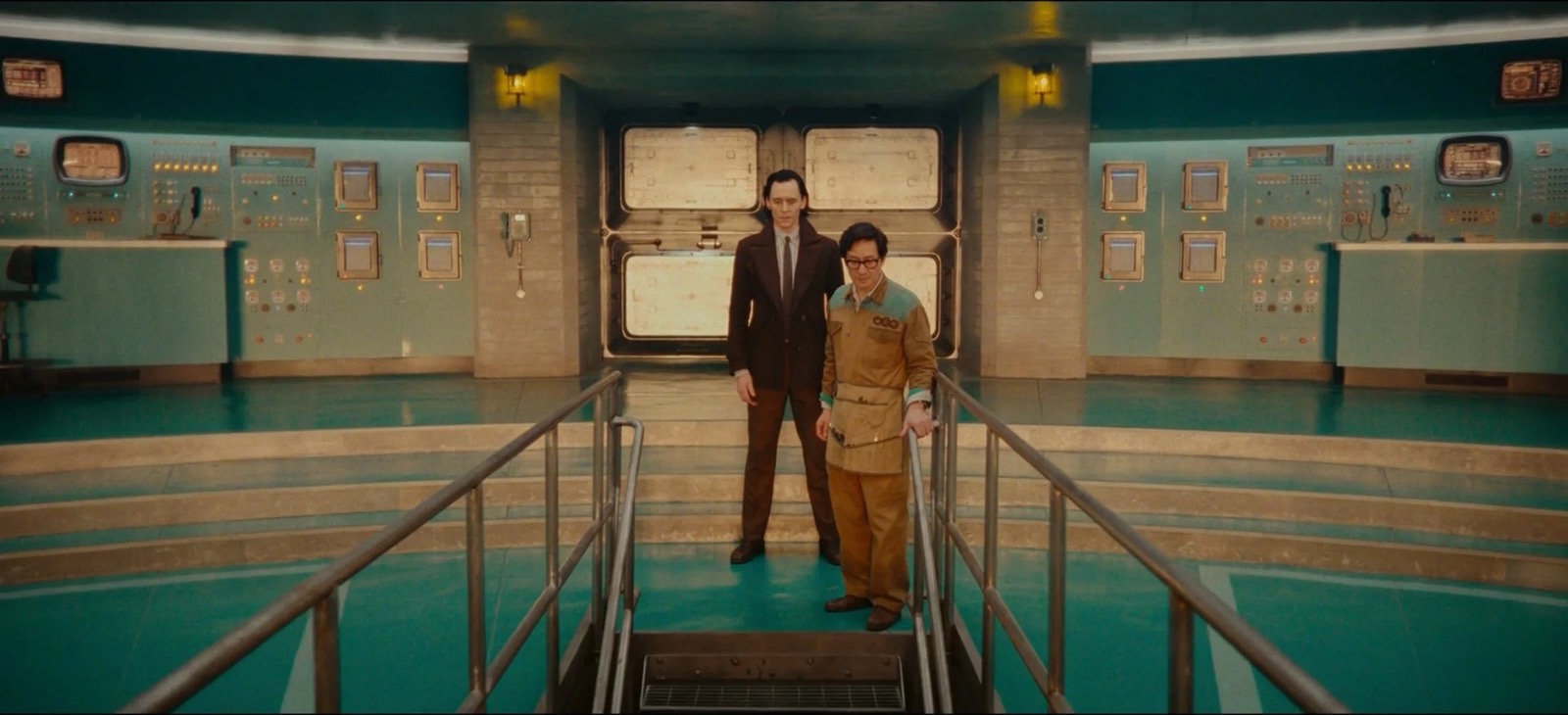
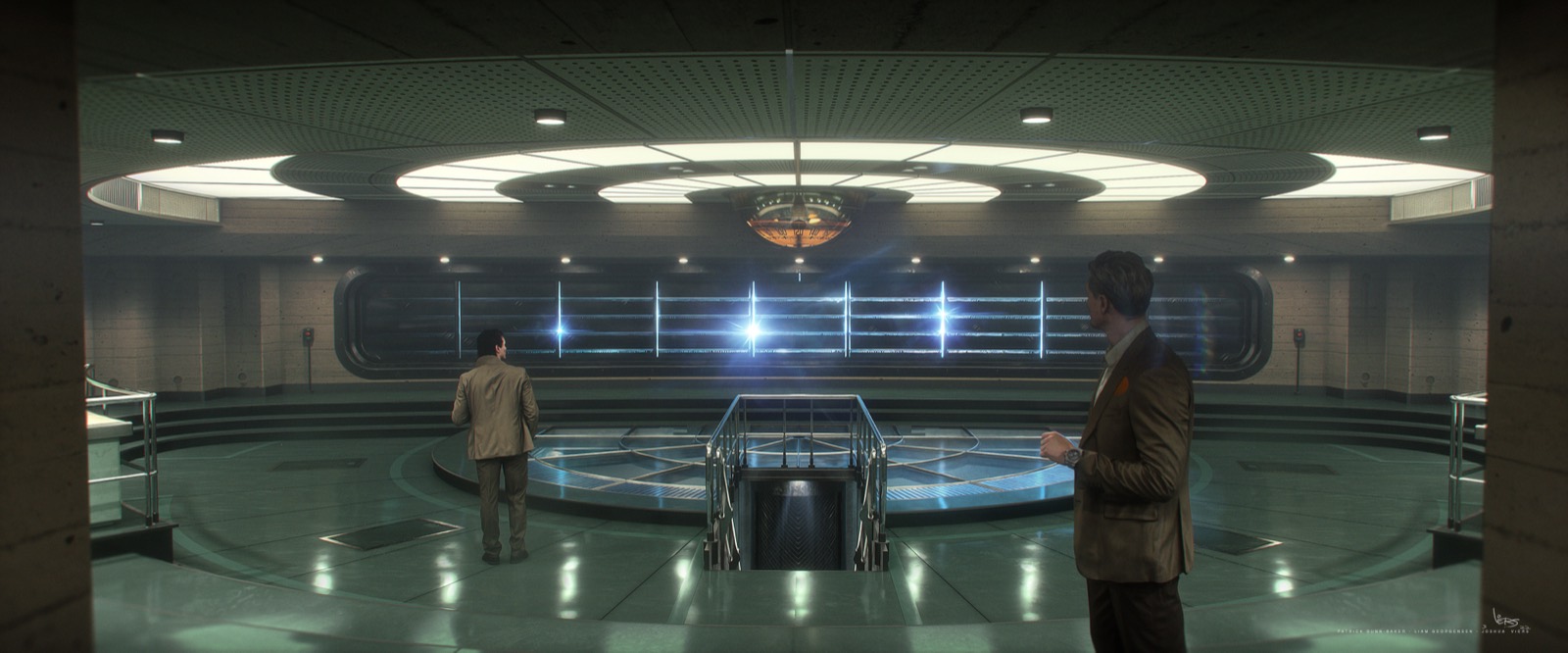
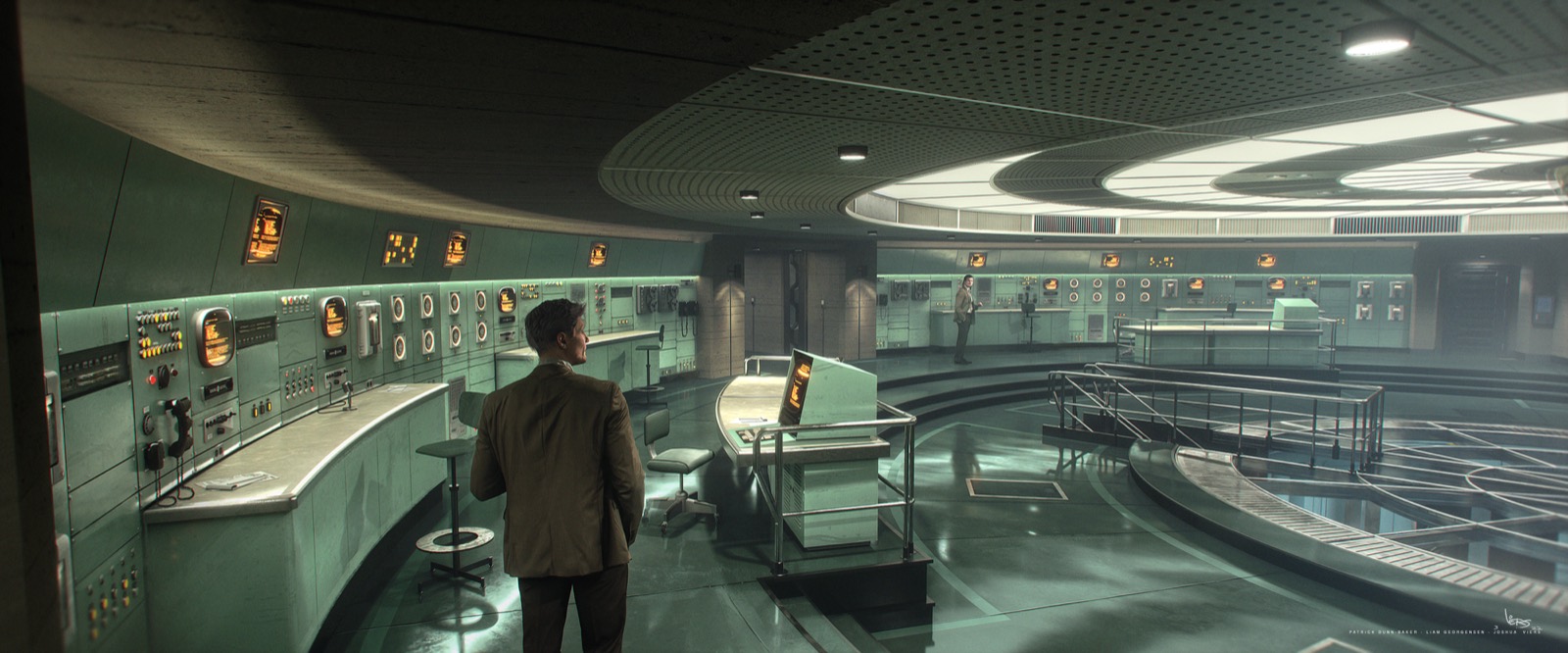
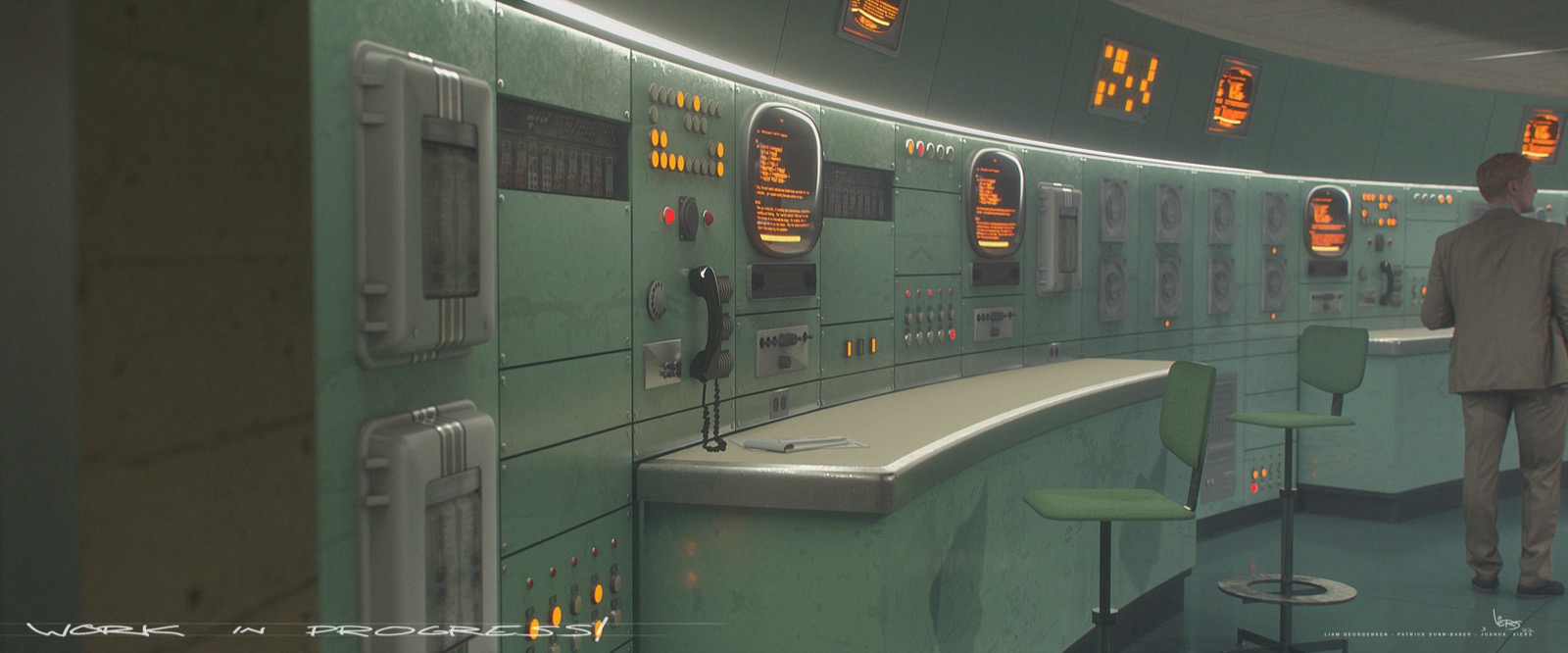
Concept illustration — Josh Viers
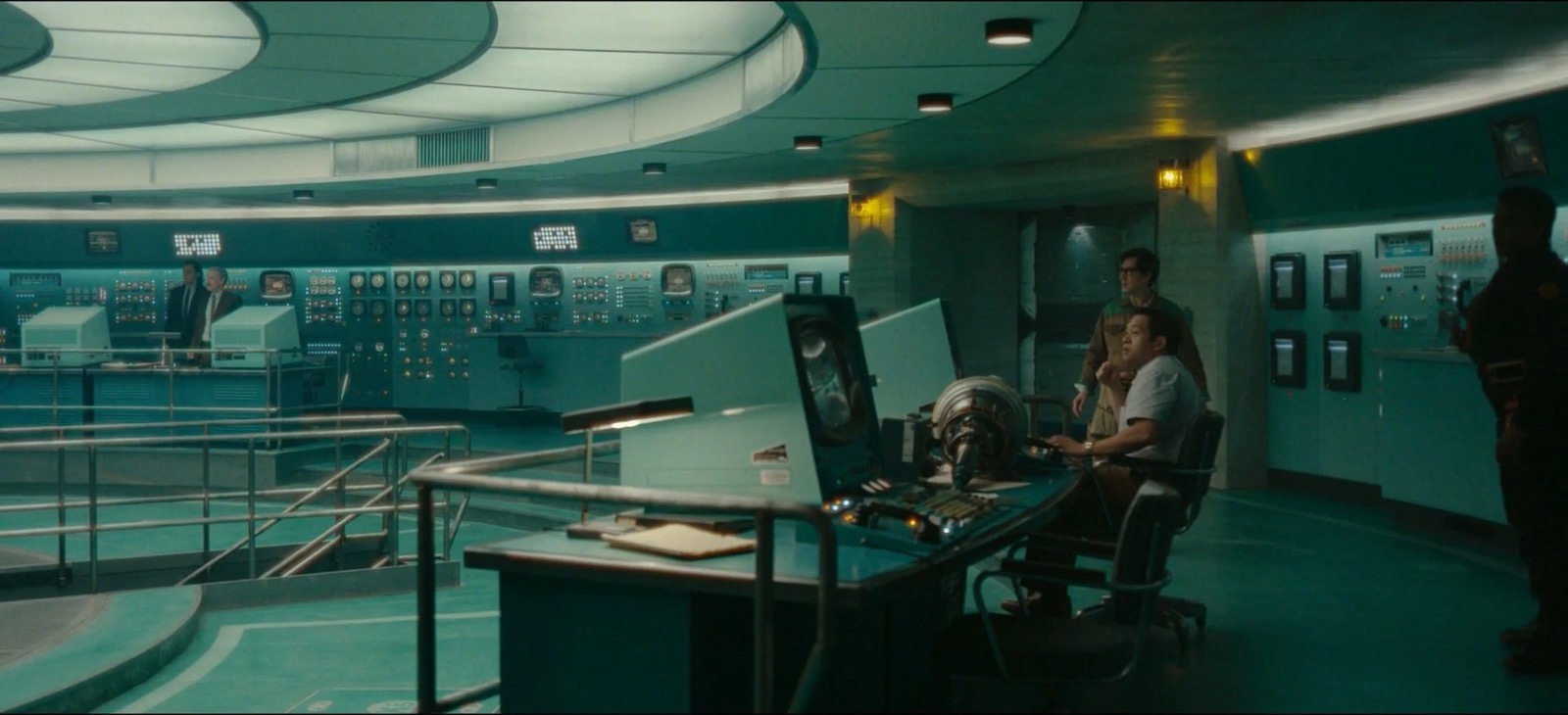

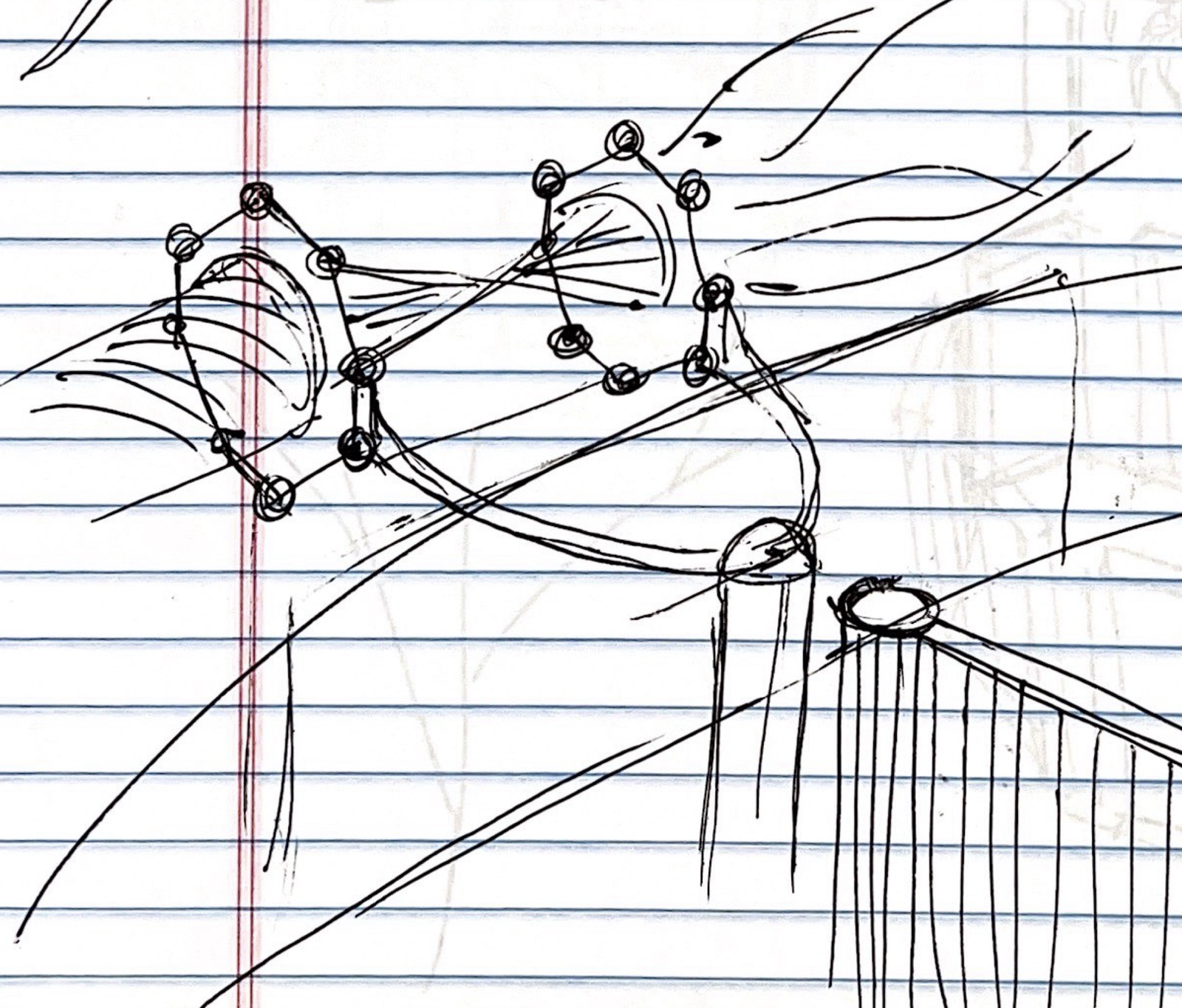
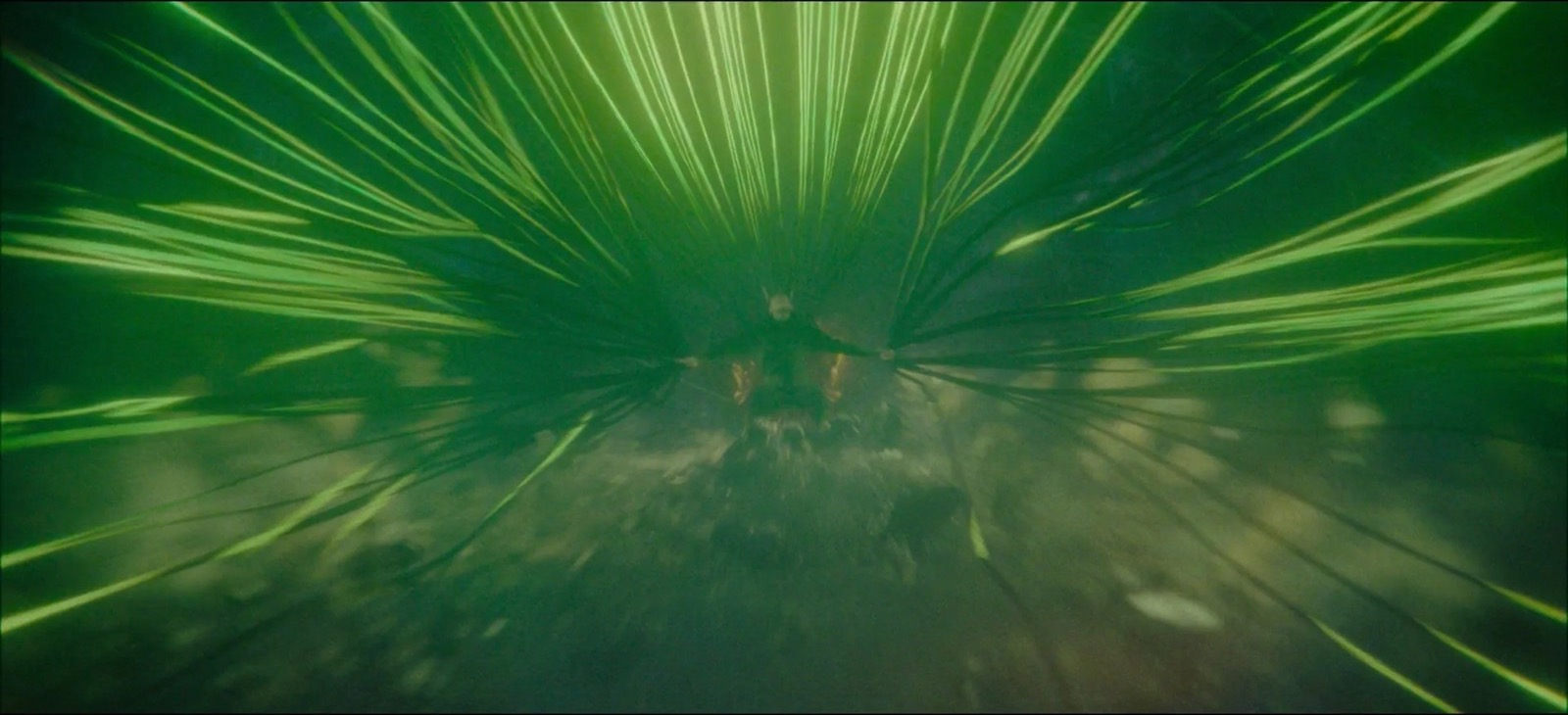
The Loom itself is a giant device the TVA built to weave the strands of time into a single, cohesive, regulated rope of timelines. We took our inspiration from the elaborate machines that wind stainless-steel cable from individual steel strands. The idea was that once the timeline was unleashed, the influx of time overwhelmed the Loom, exceeding the throughput it could handle—and that overload is the crisis our characters face throughout the season.
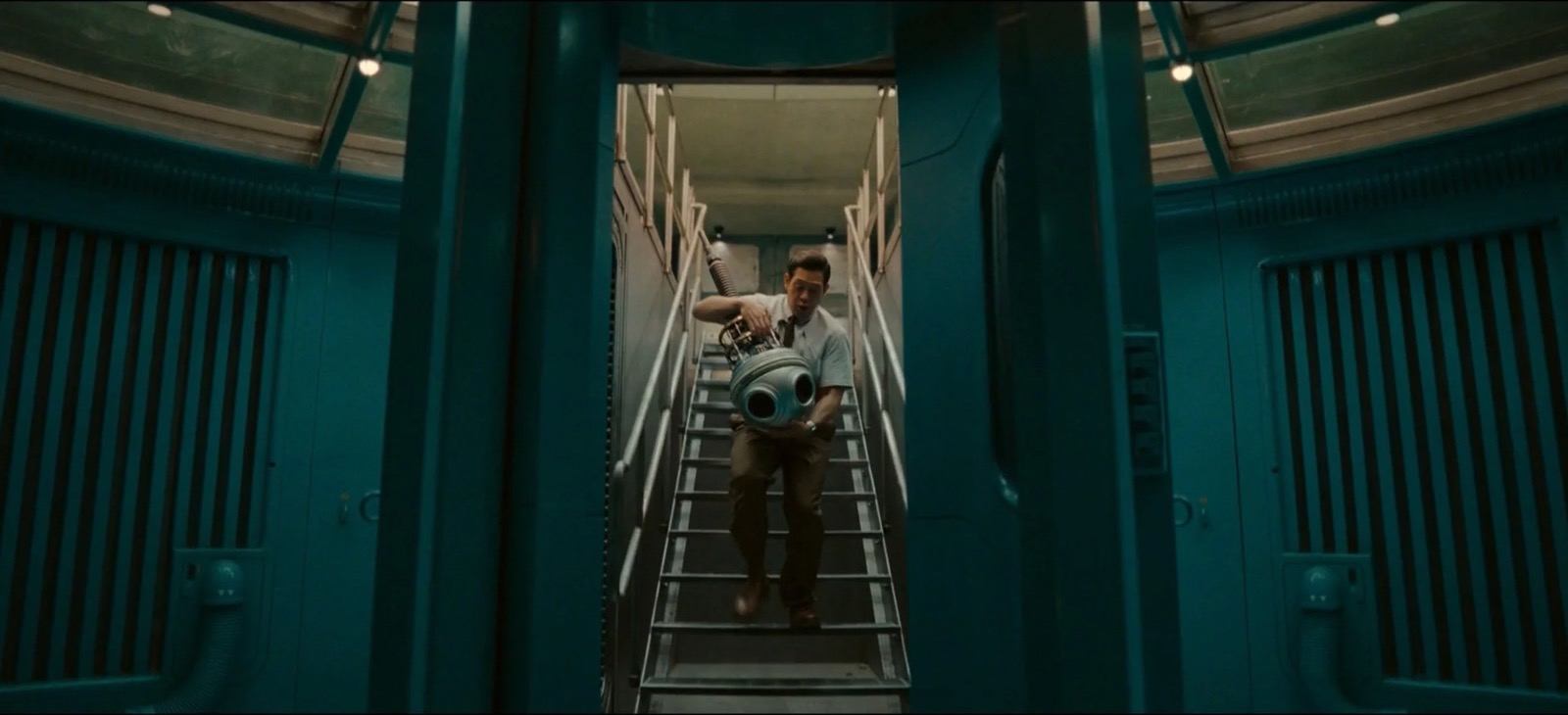
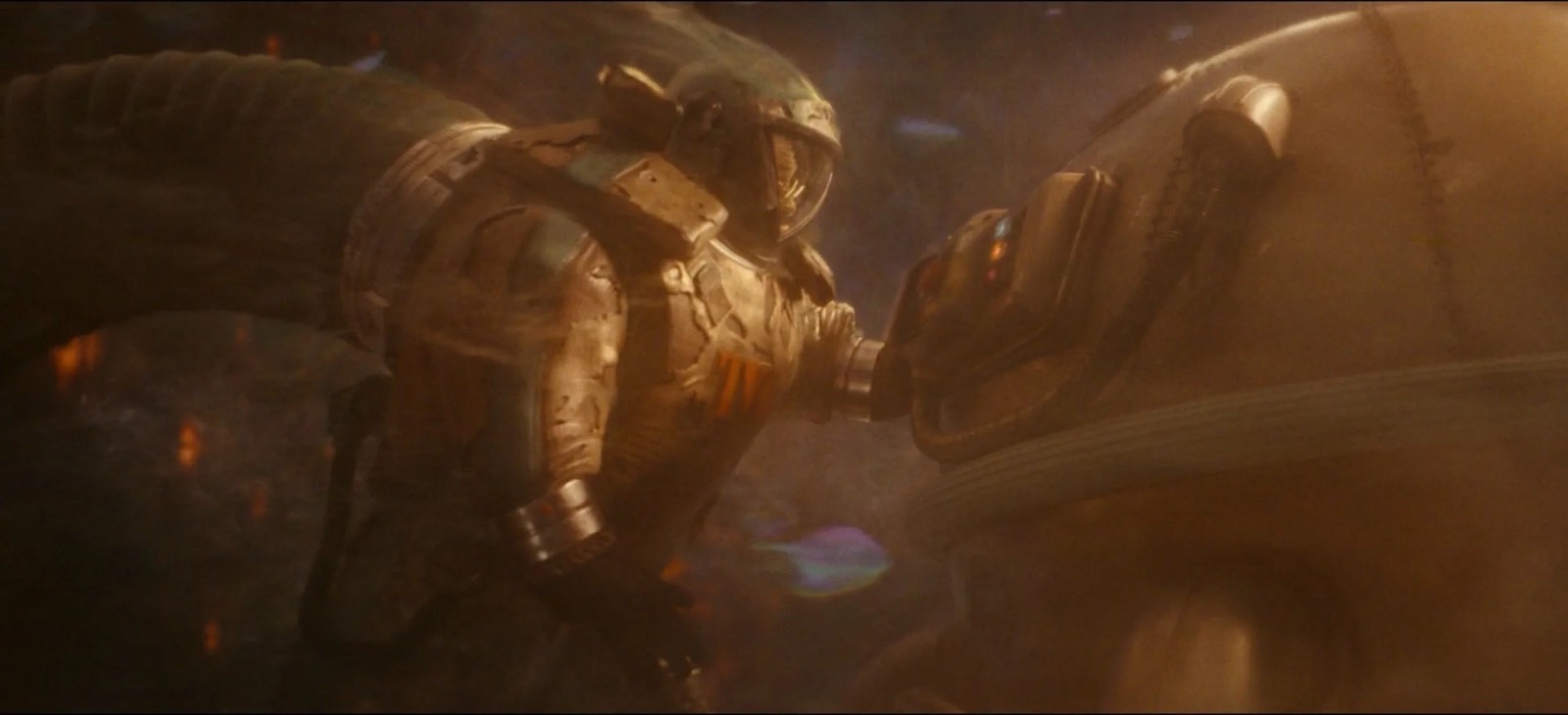
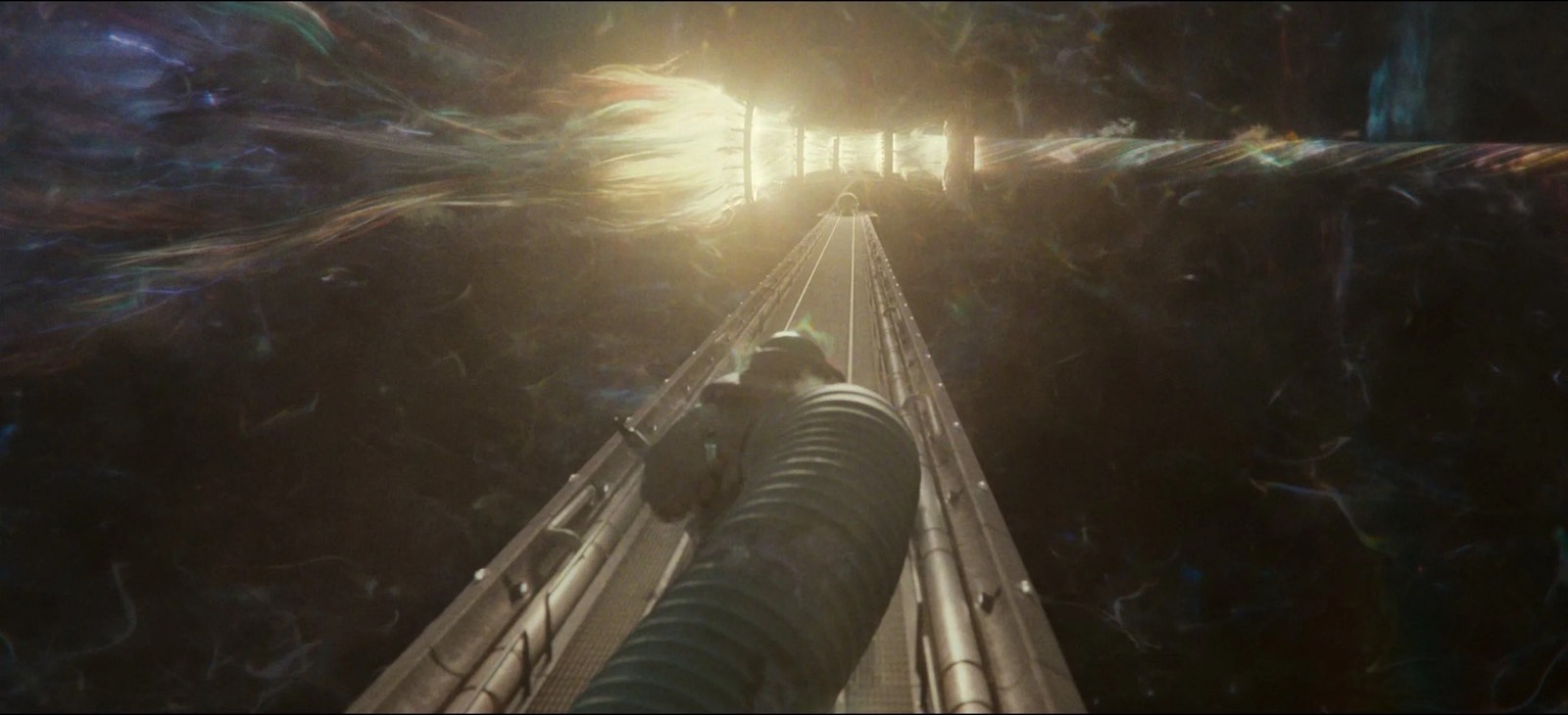
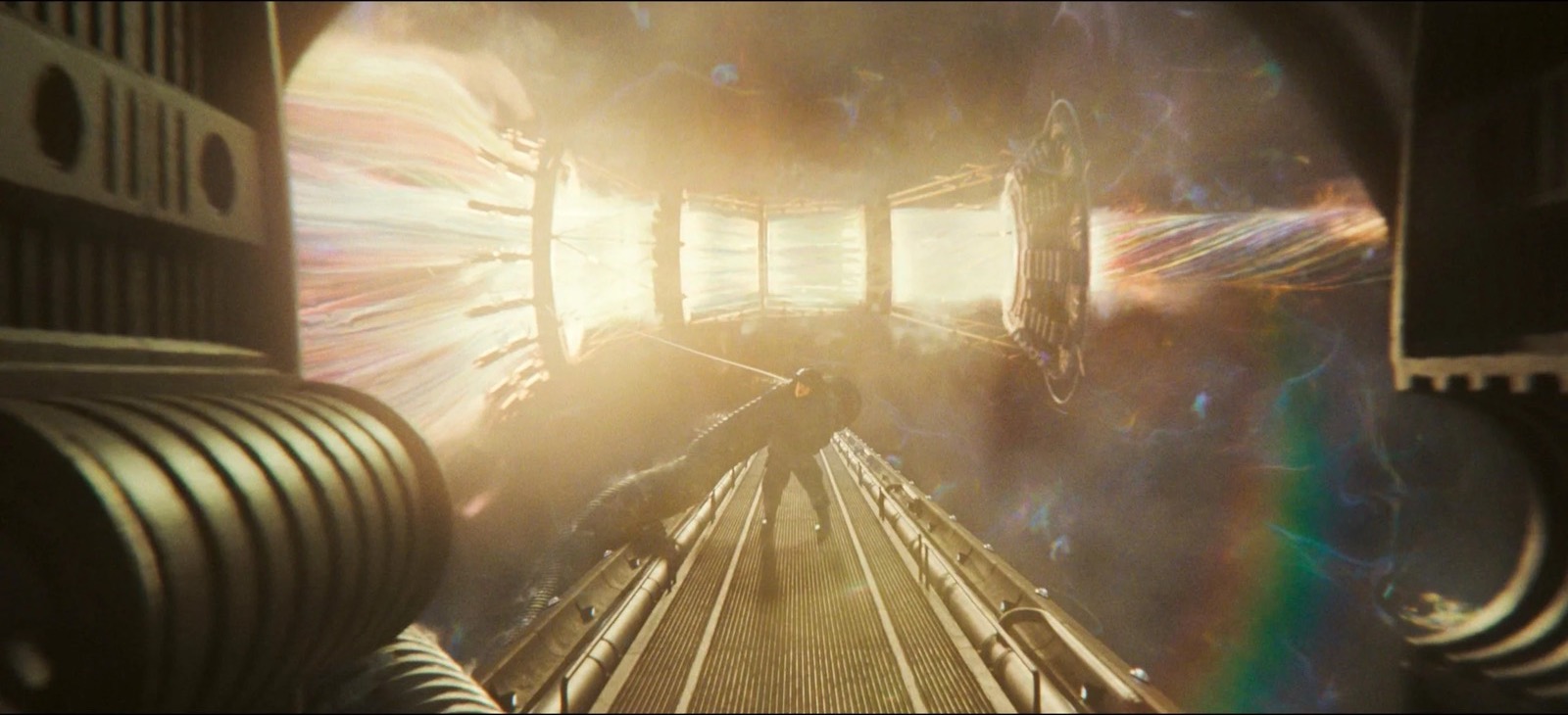
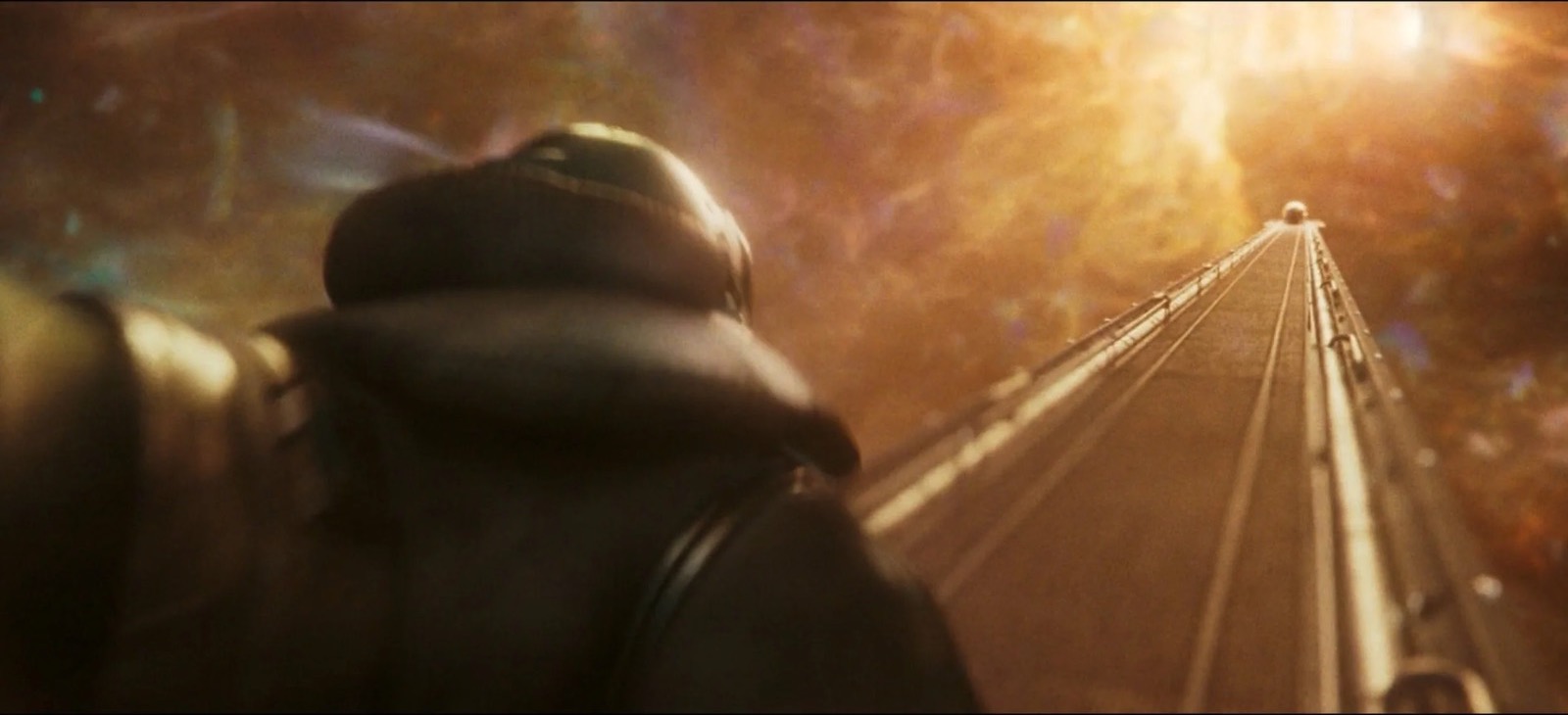
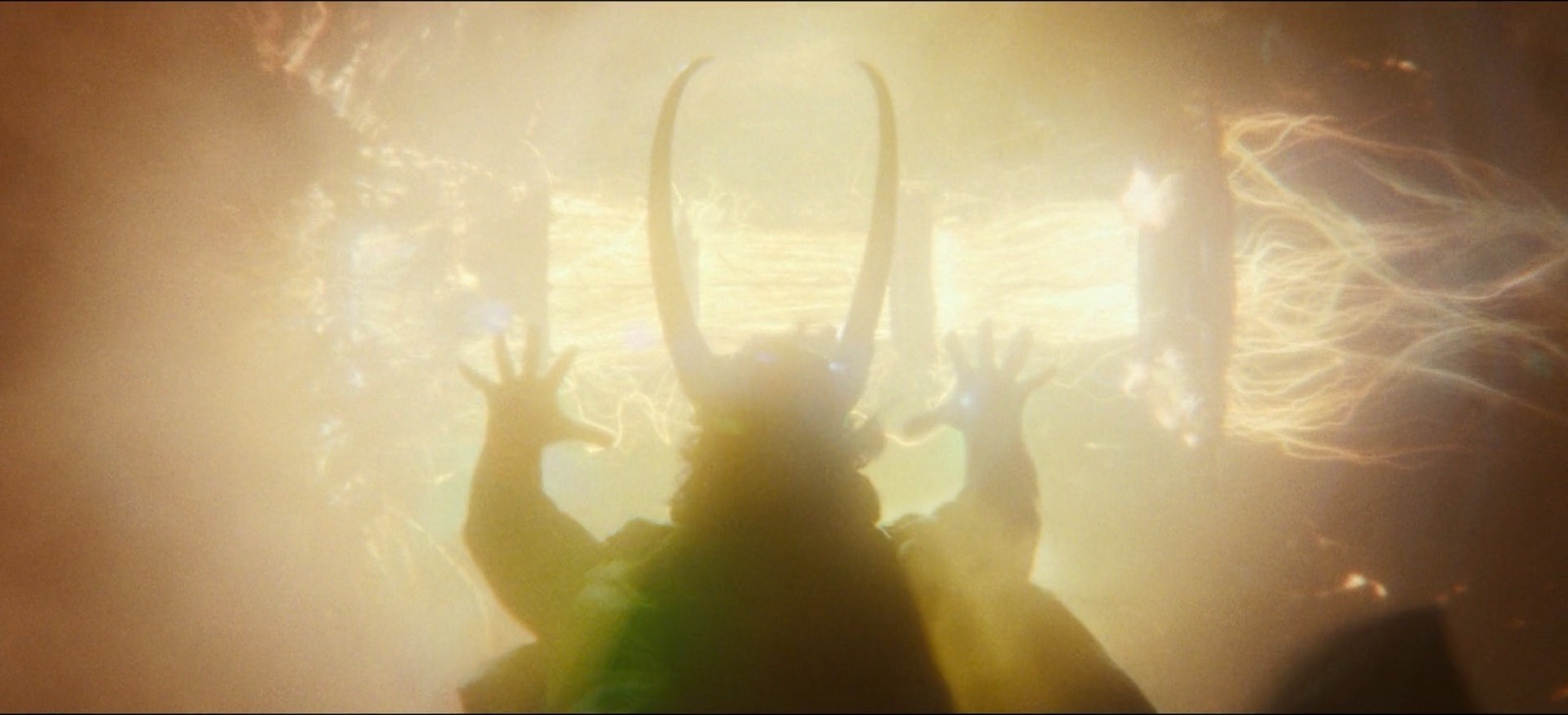
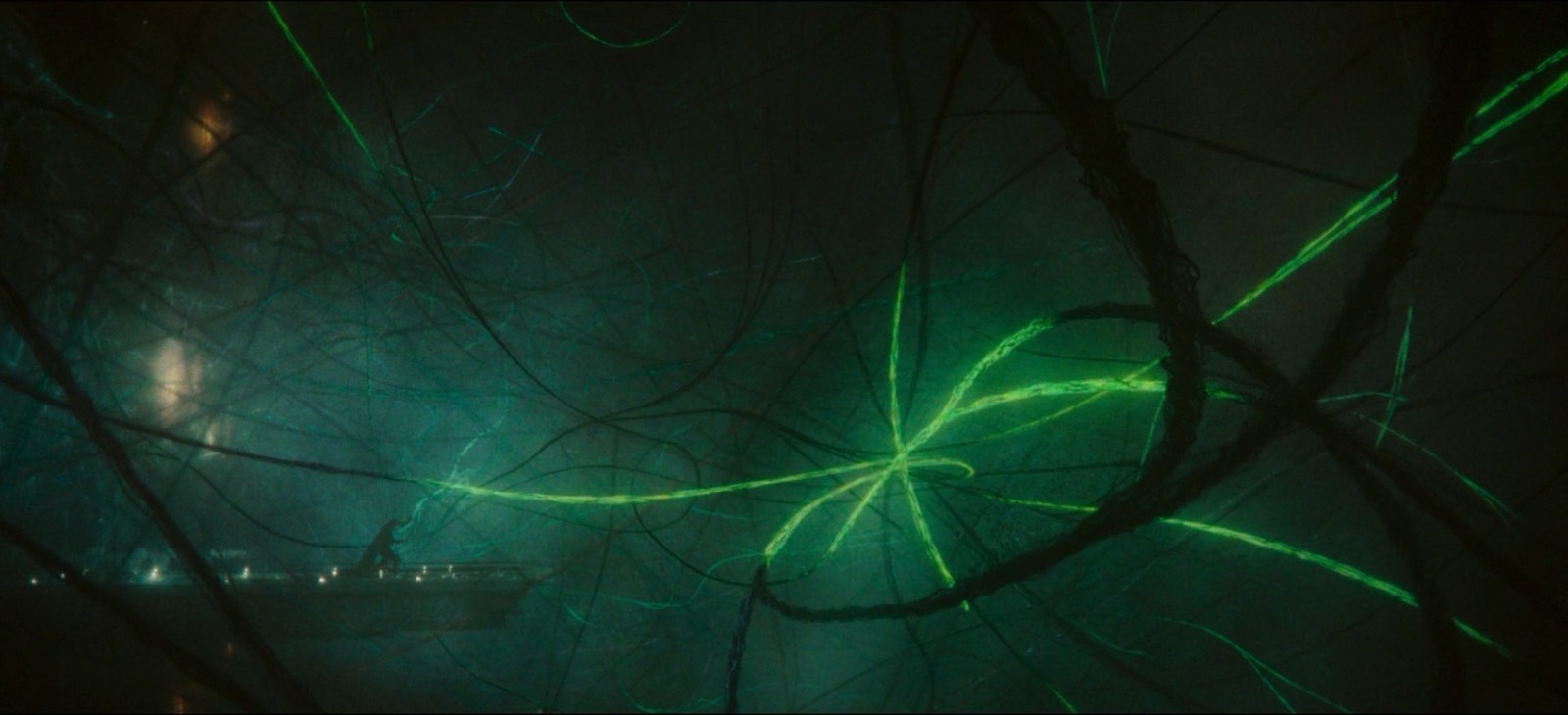
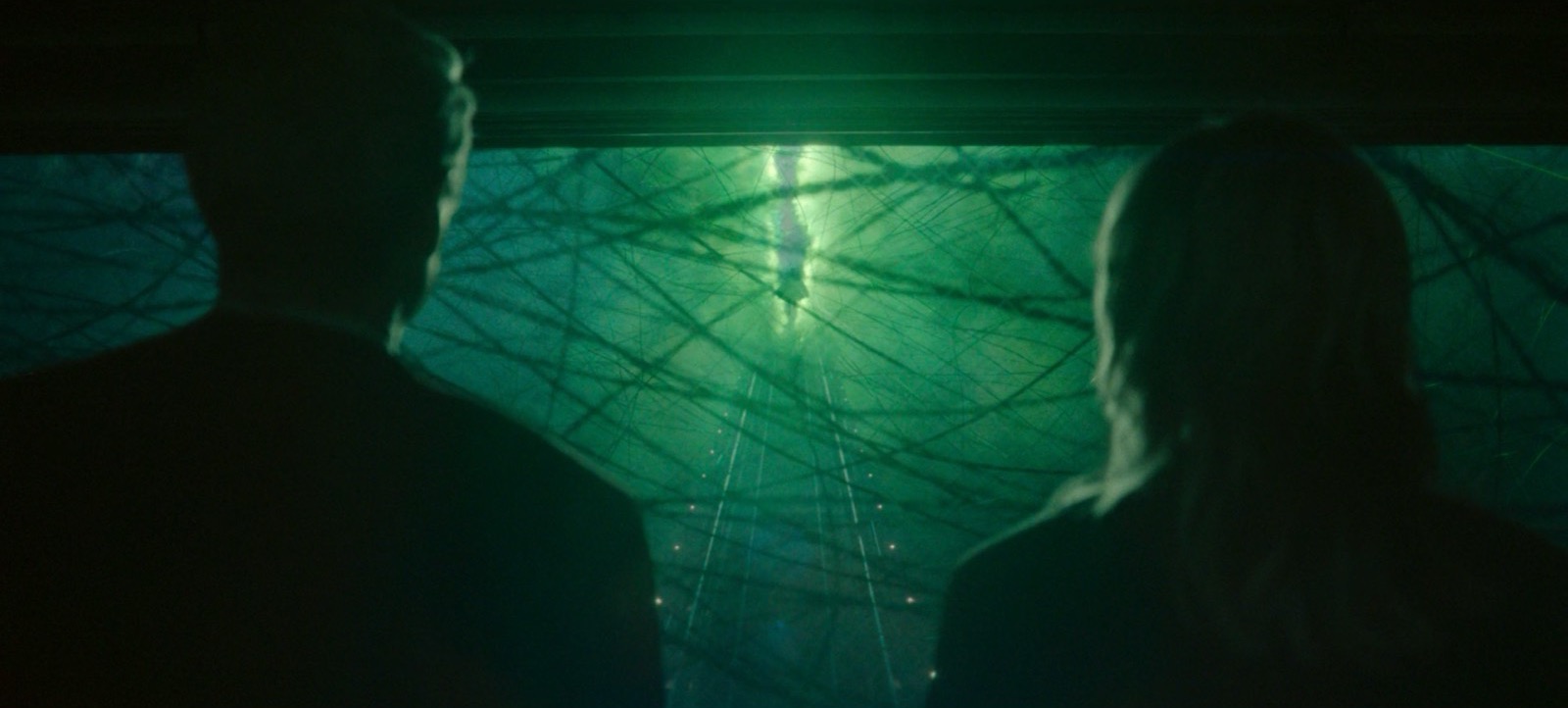
Concept illustration — Josh Viers
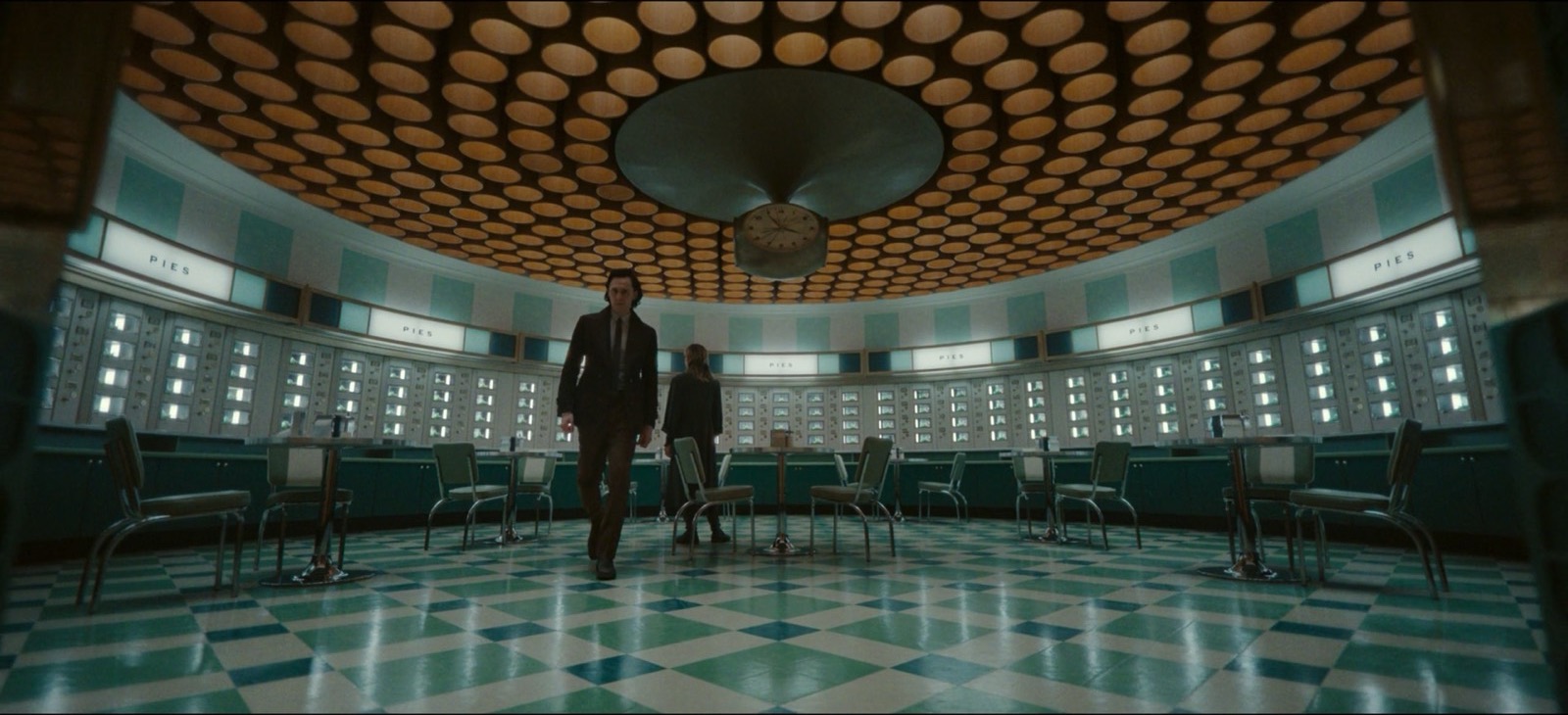
The Automat
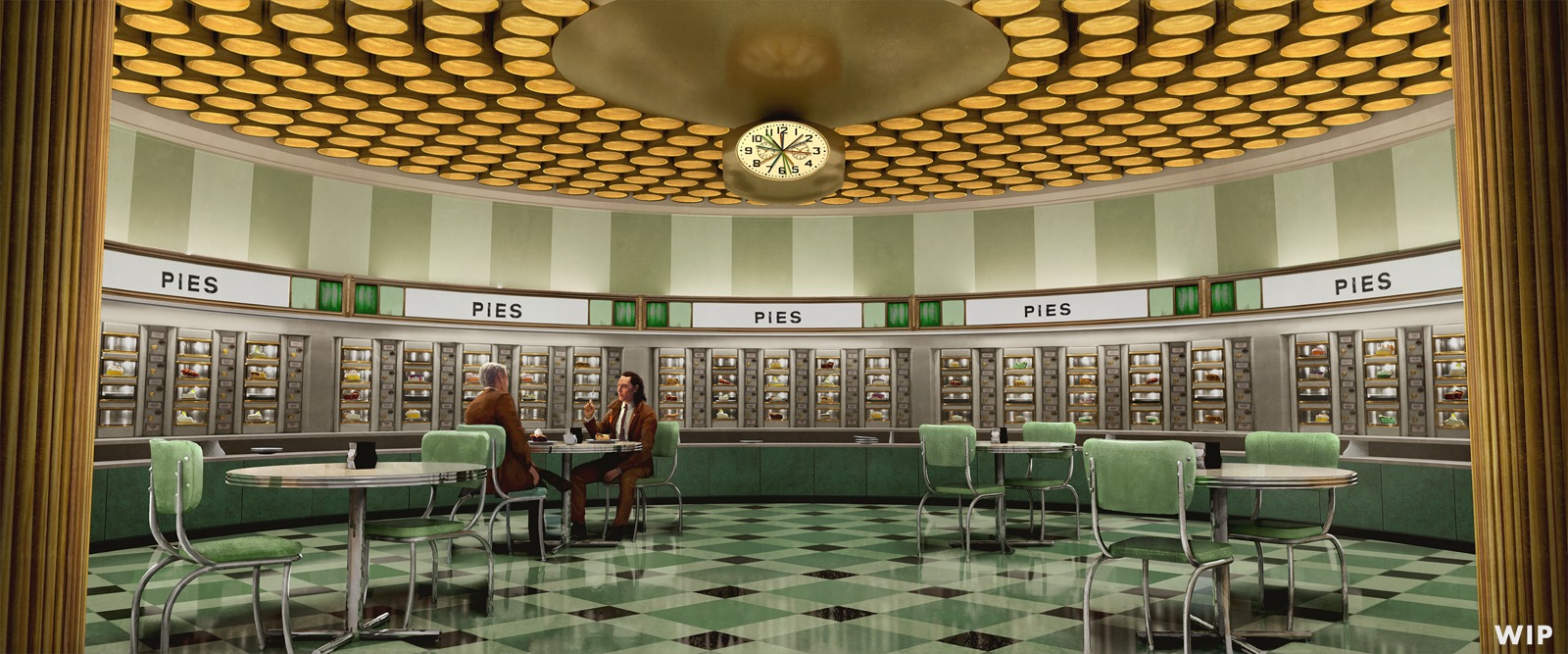
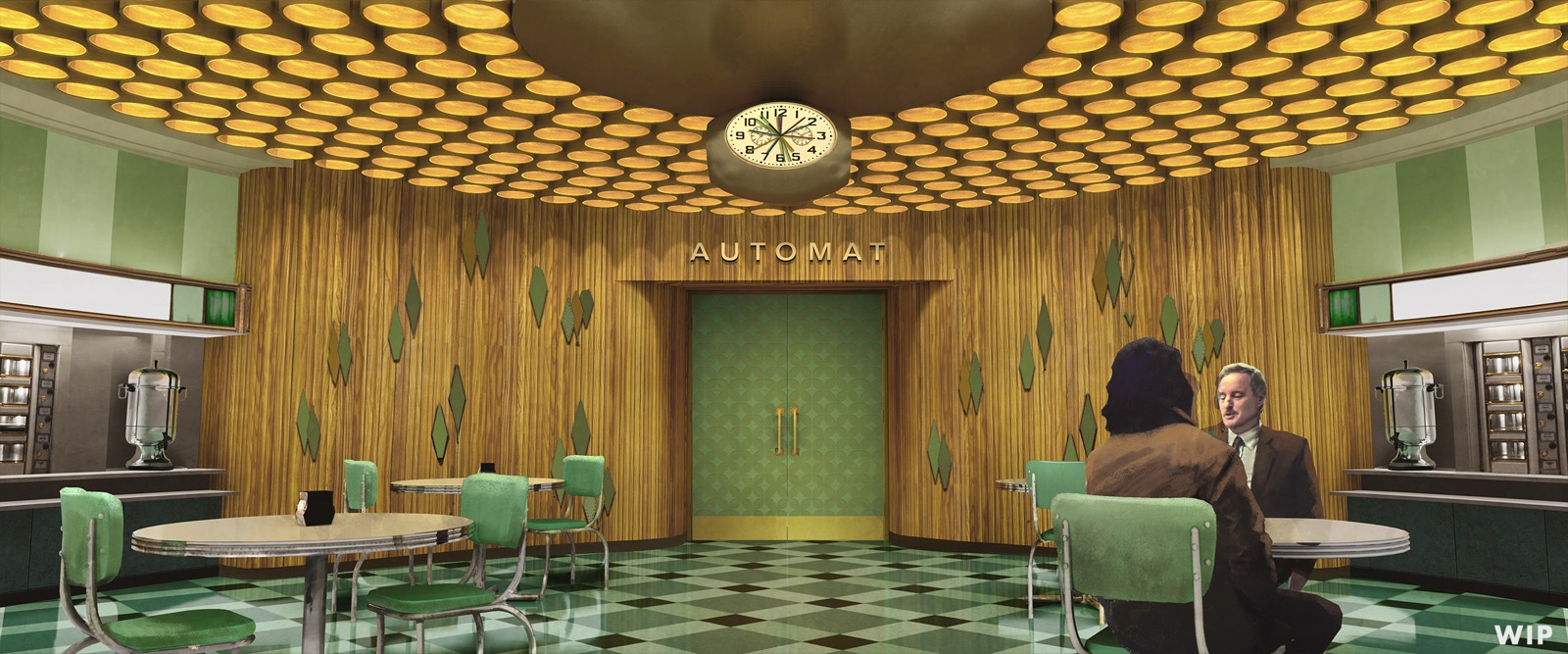
Every institution needs somewhere to eat, and the TVA’s is an automat, after the Horn & Hardart cafeterias where you fed a coin into a wall of little glass doors. It suits a bureaucracy that never went digital: food served by machinery, nobody behind the counter, and only one thing on the menu—key lime pie.
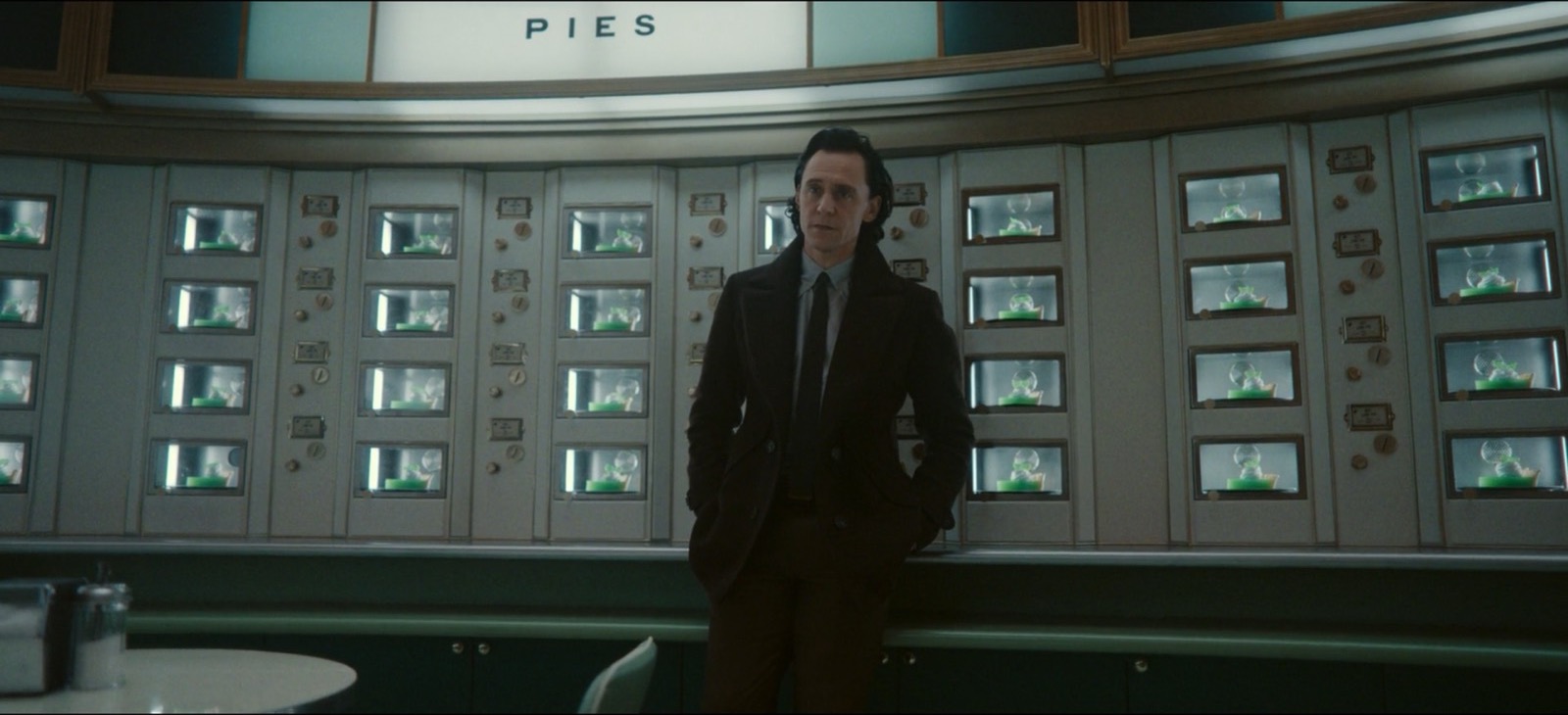
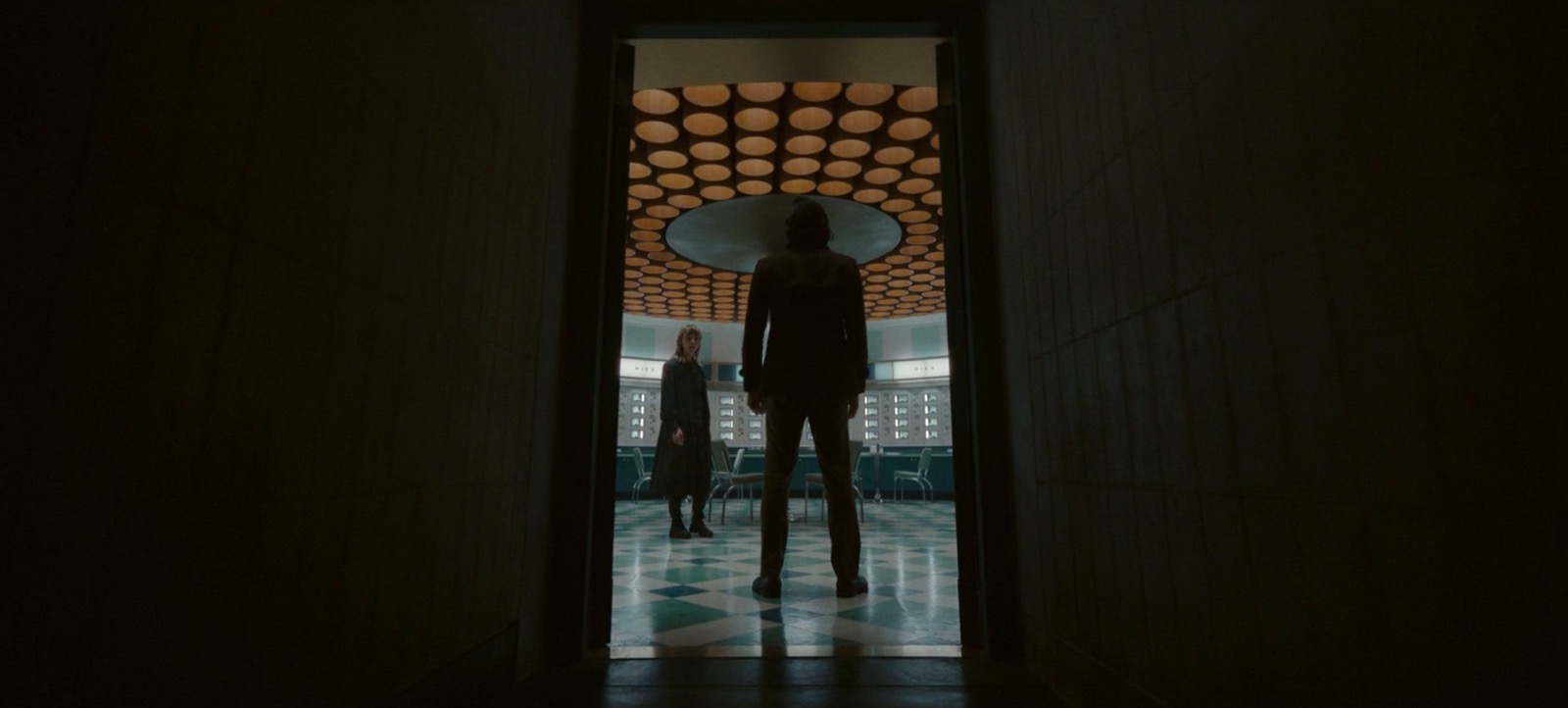
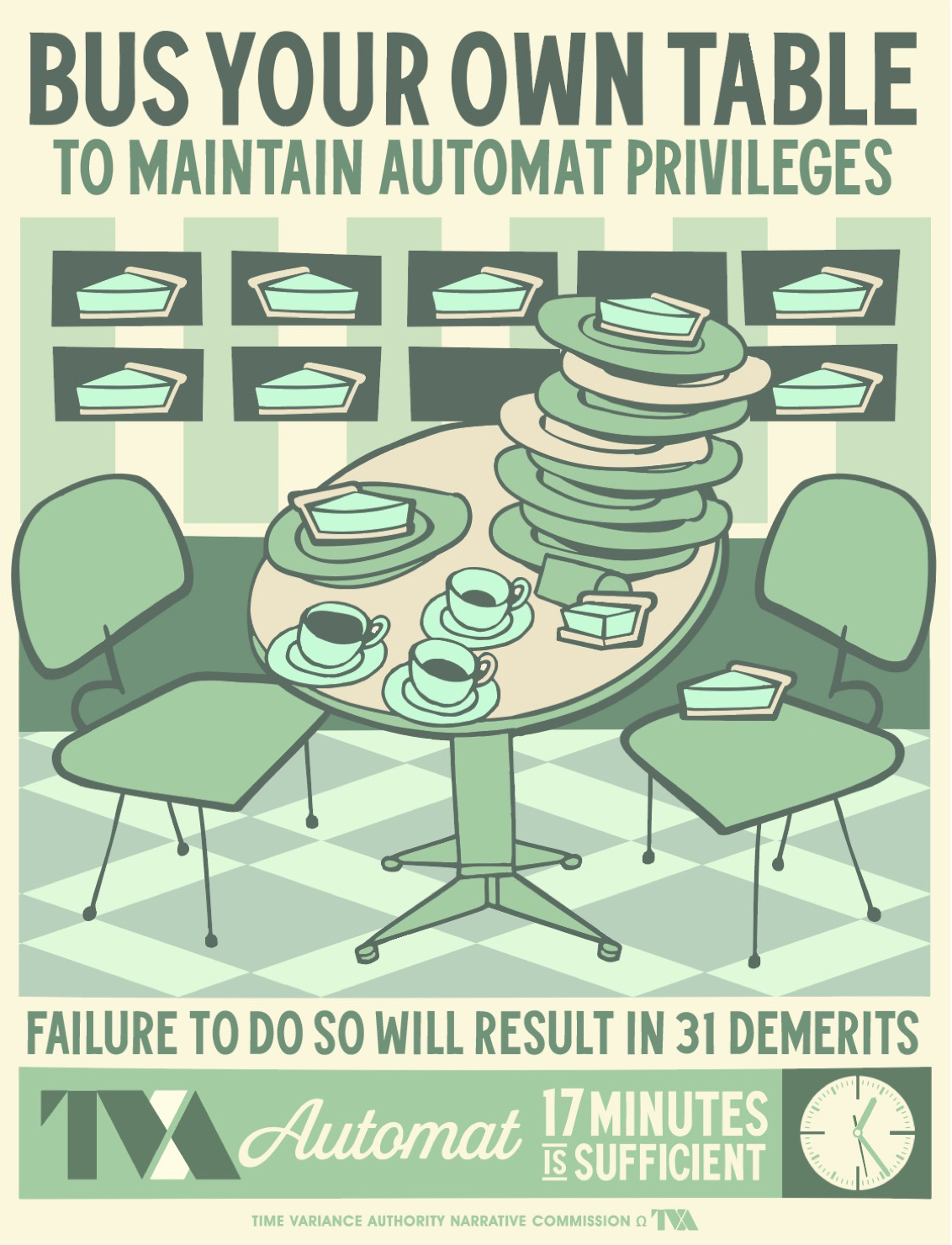
It was meant to feel like a liminal space. The characters stumble on it by accident, and it becomes a quiet refuge where they can hash out their deepest philosophical struggles over a slice of key lime pie that turns out to be surprisingly palatable.

The TVA
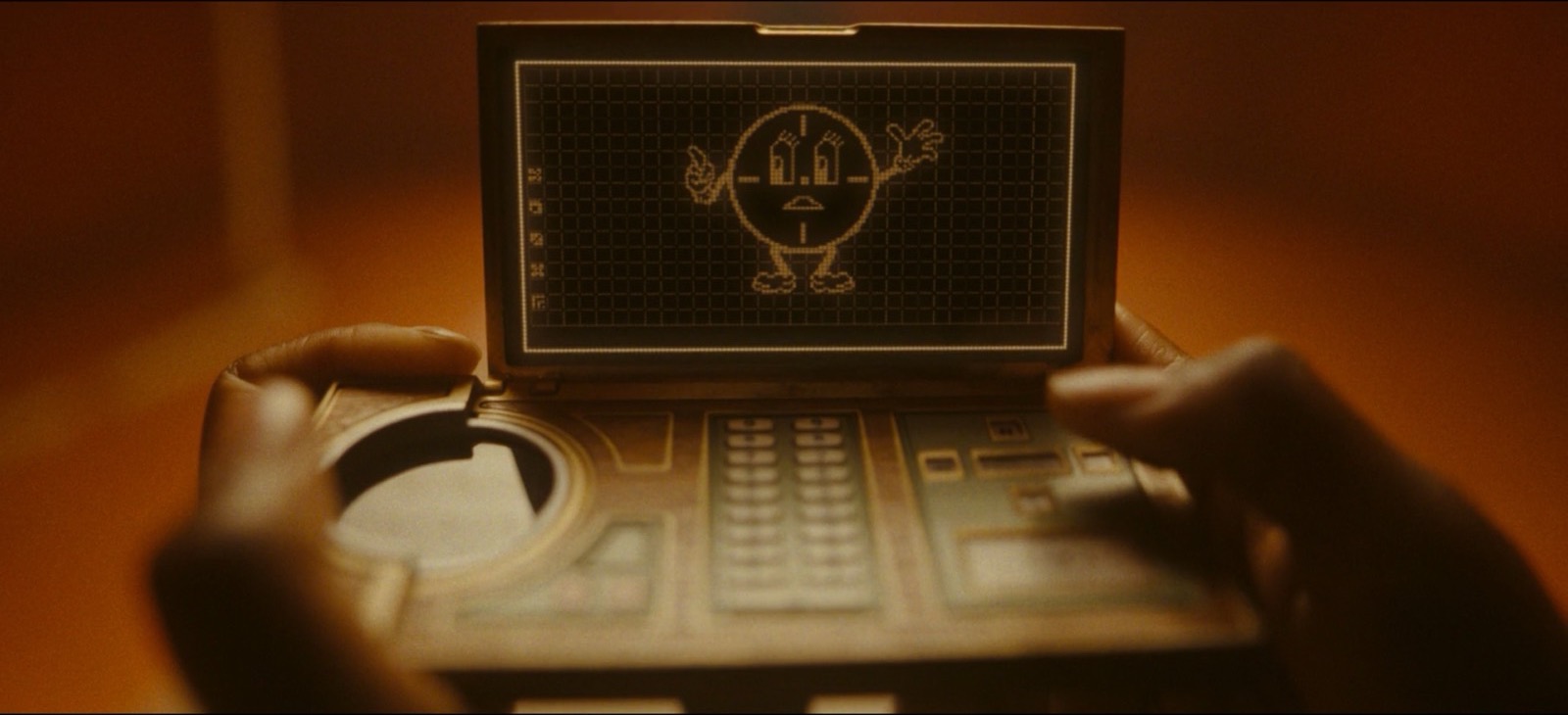
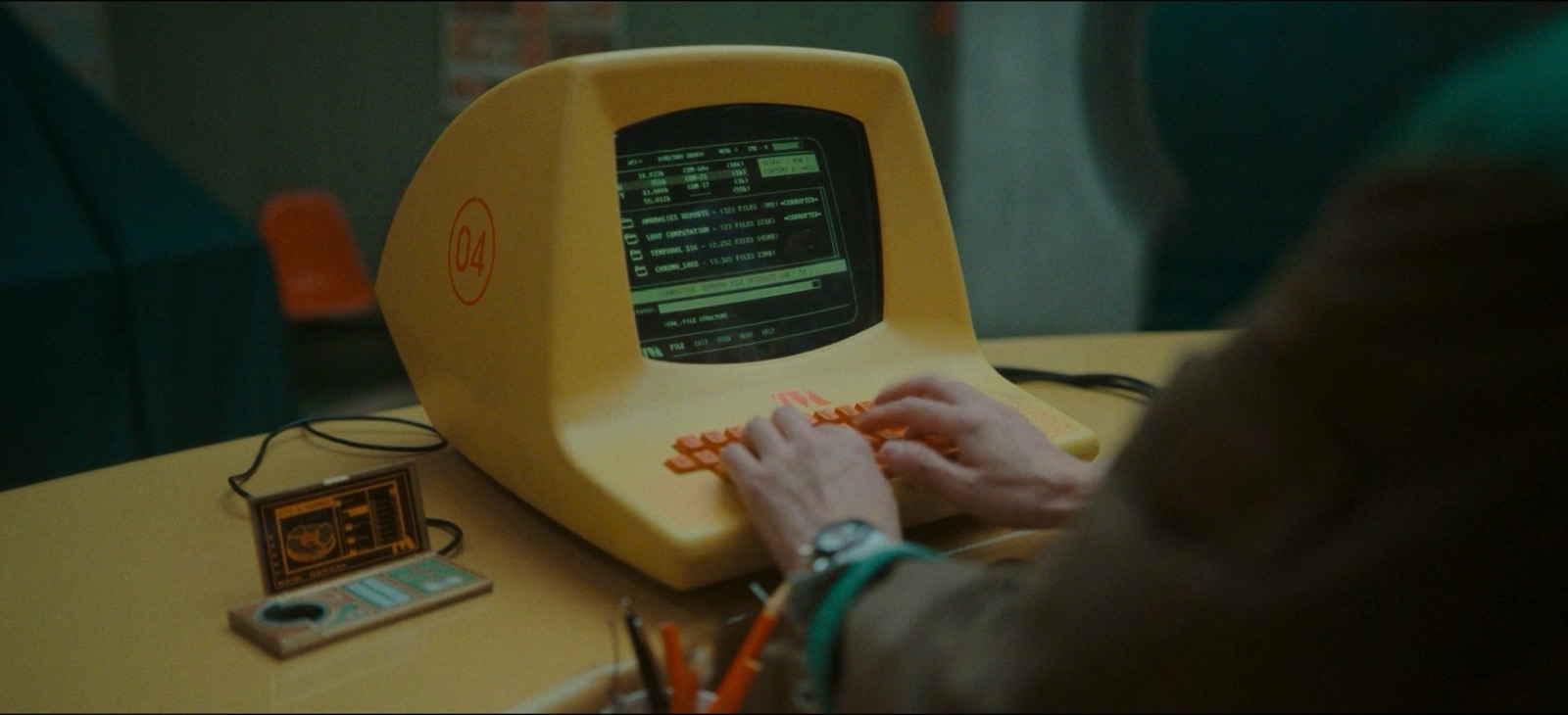
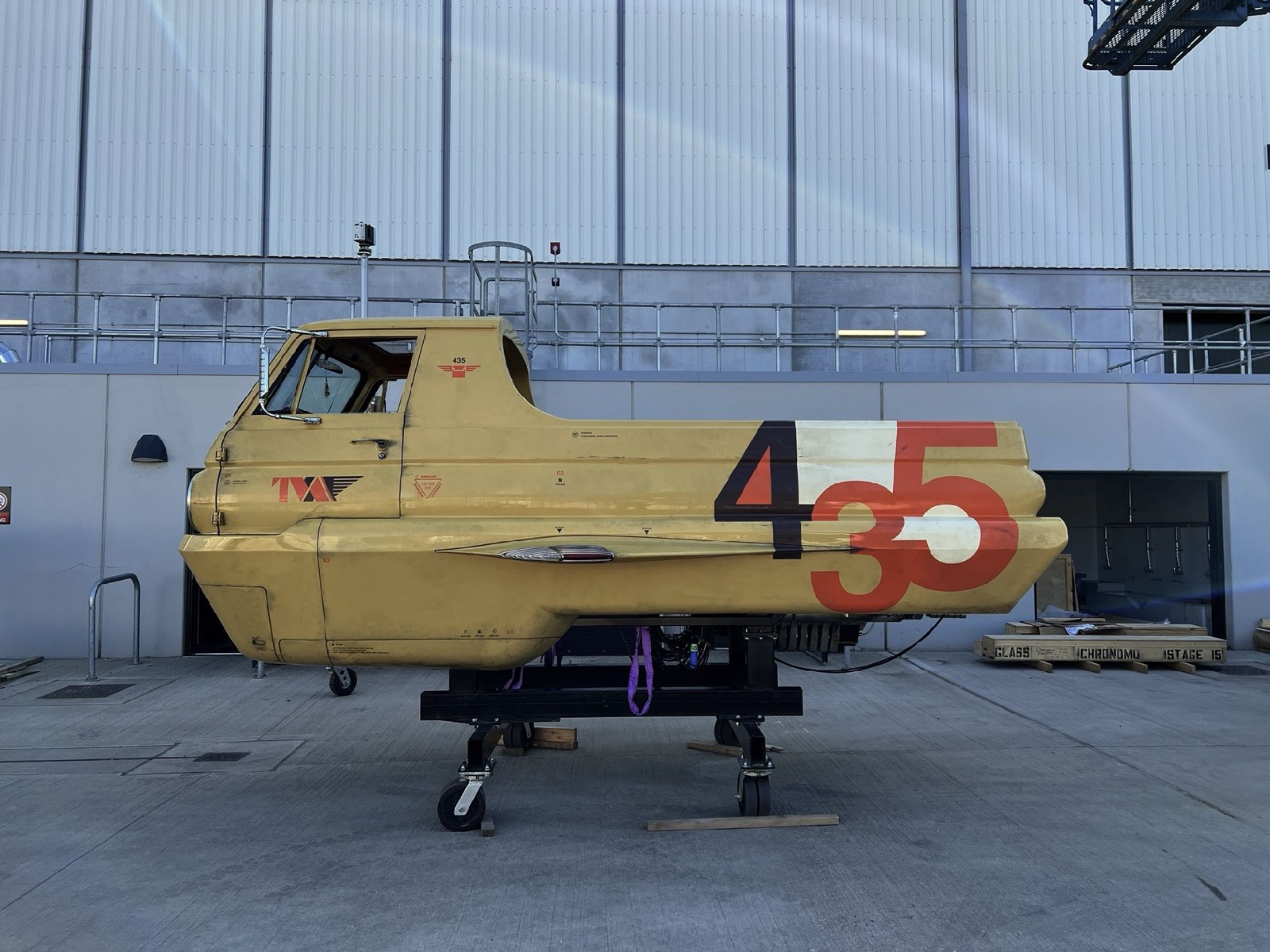
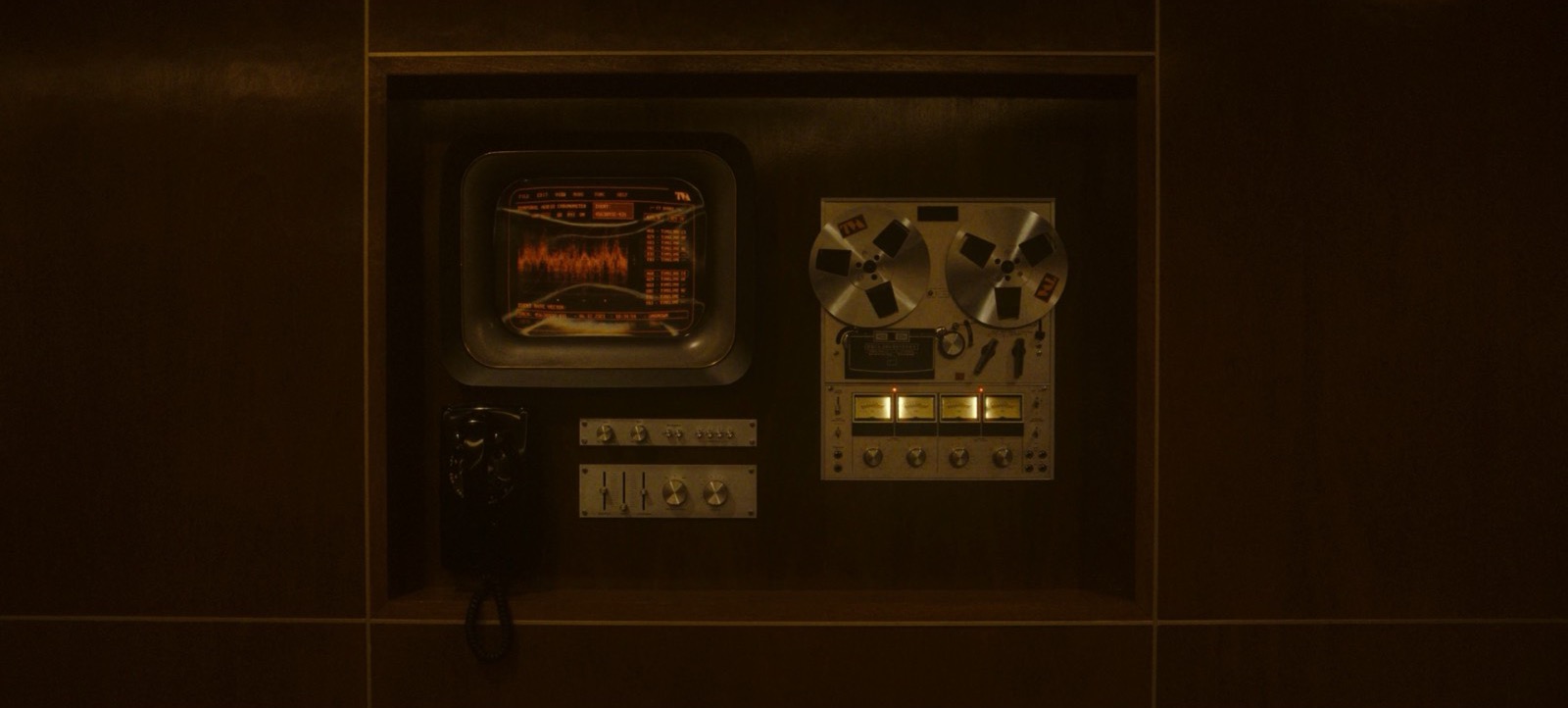
The first season’s brief was Mad Men meets Blade Runner, and the conceit behind it held for the second: the TVA never went digital. Its technology is analog machinery grown ever more sophisticated, plus whatever it has scavenged from across the multiverse. The result, as I’ve described it before, is Orwell’s 1984 wrapped in a veneer of Mad Men—a bureaucracy that is at once intimidating and uncomfortably warm. Season Two keeps that surface intact and shows what lies beneath it, keeping the lights on.
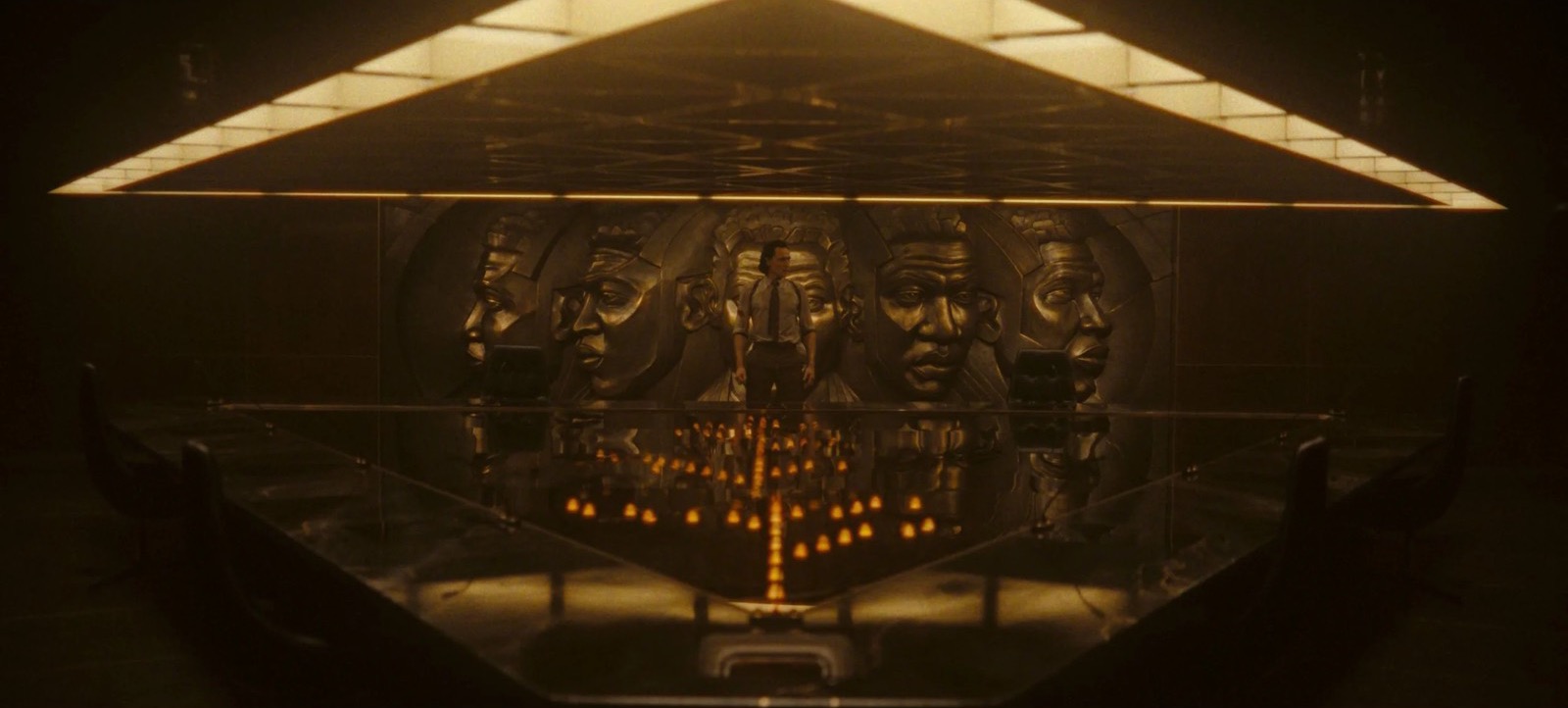
The War Room
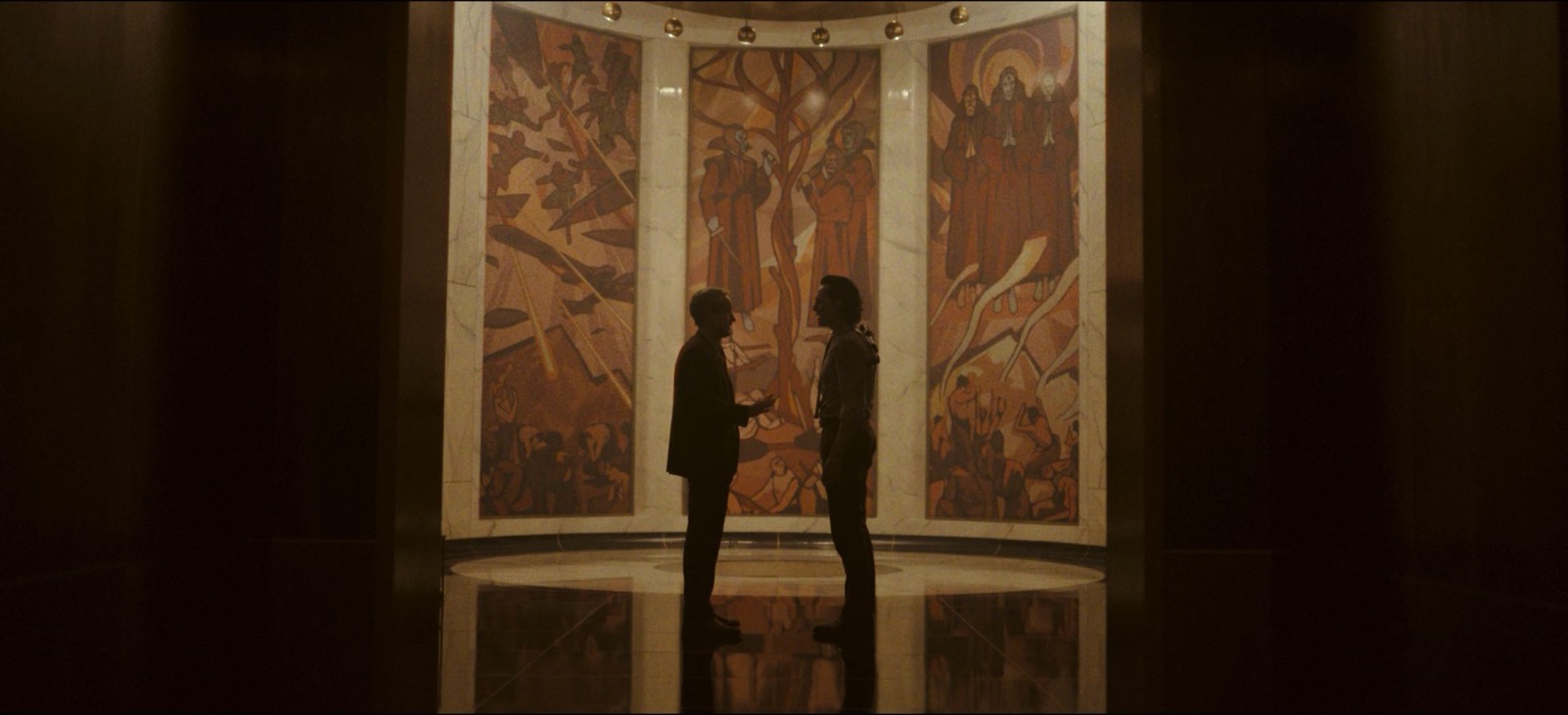
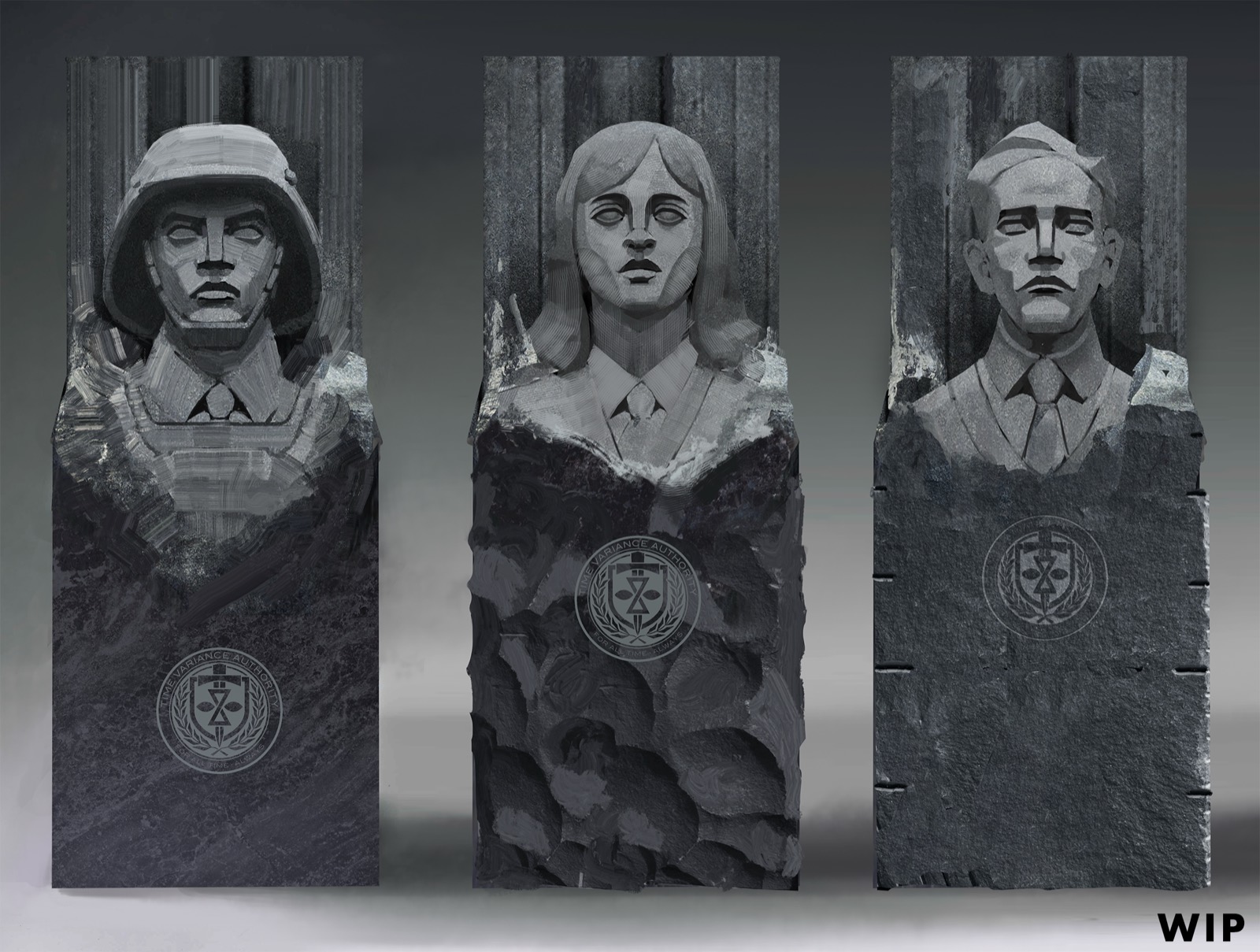
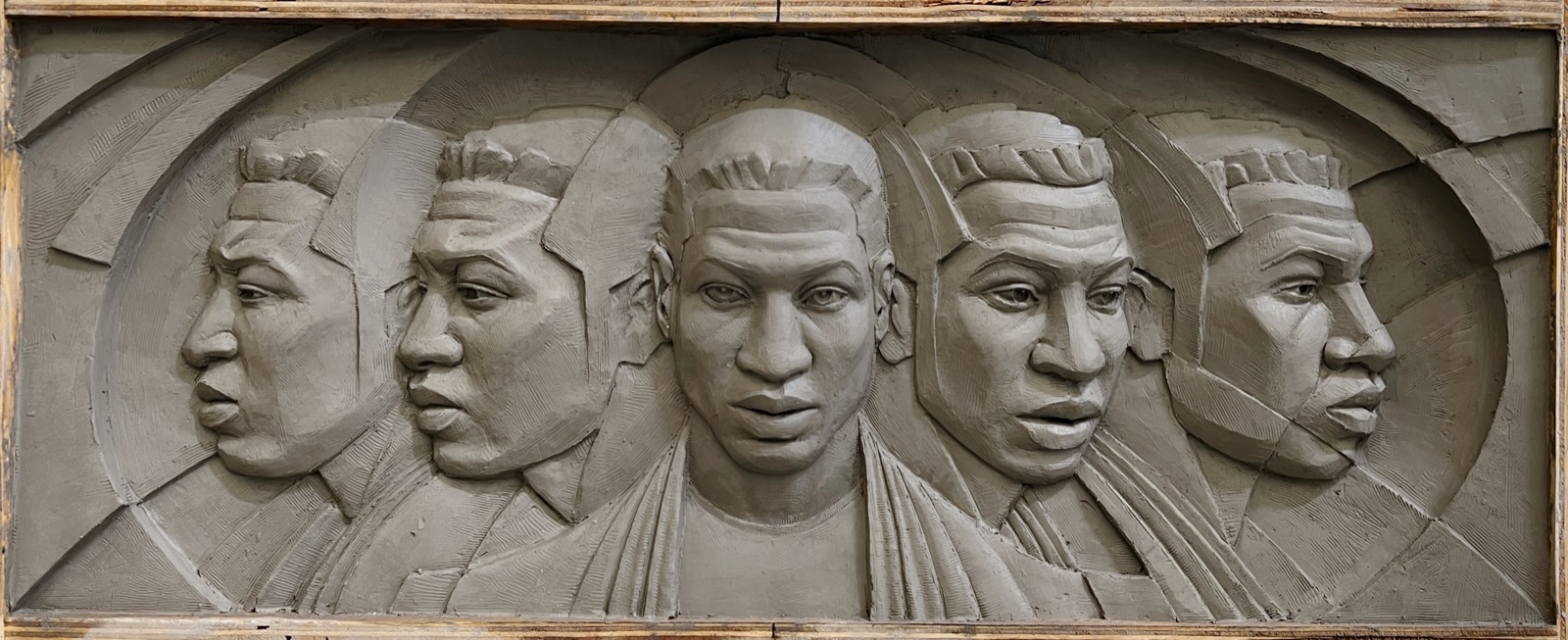
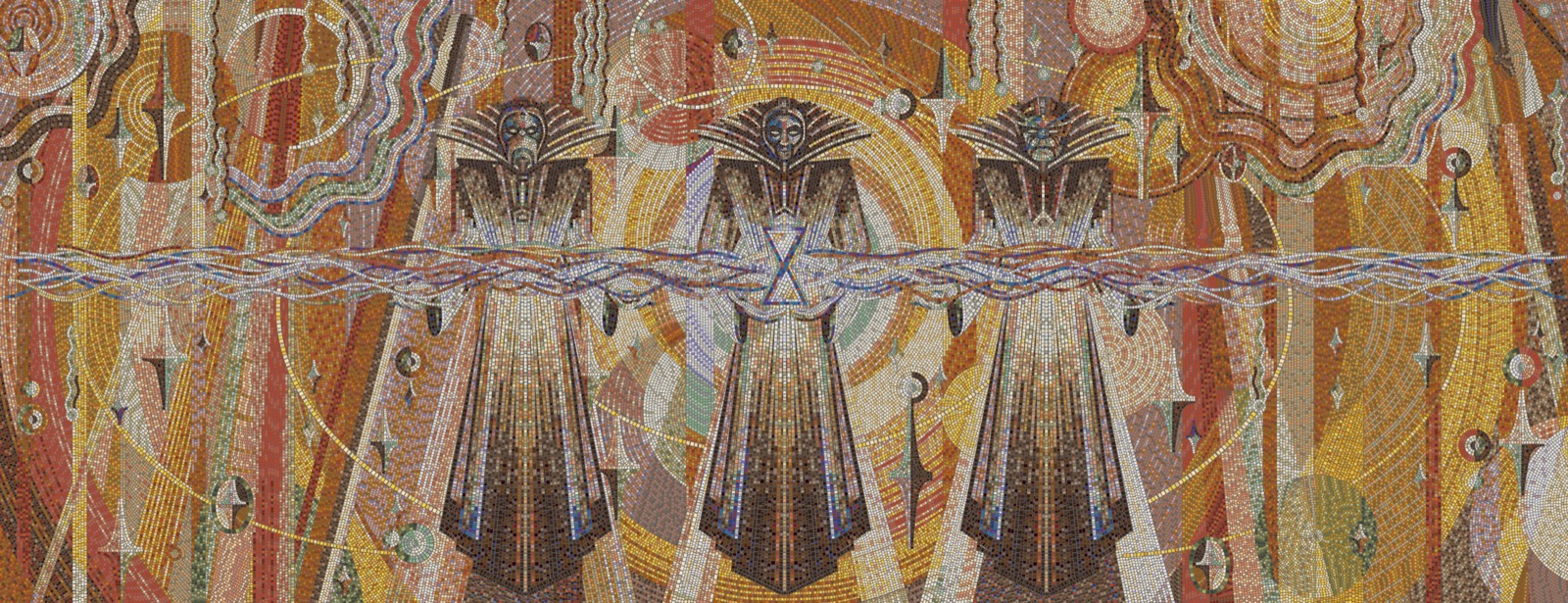
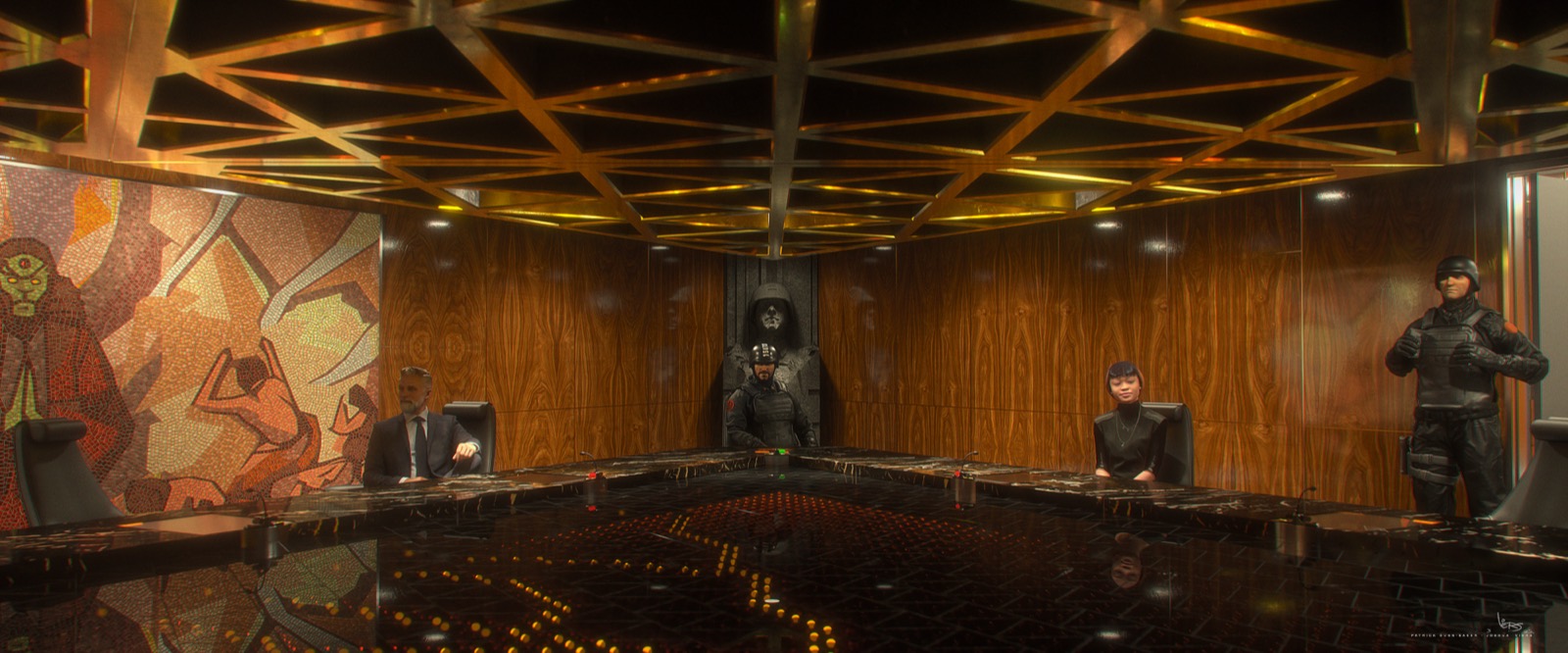
The War Room is where the TVA governs itself. We designed it as a triangular room around a massive conference table, one side for each of the three branches that control the TVA: the judges, the analysts and the Minutemen. The table itself is an enormous Chronomonitor, charting time as they argue over it. Each corner is anchored by a large sculpture glorifying its branch.
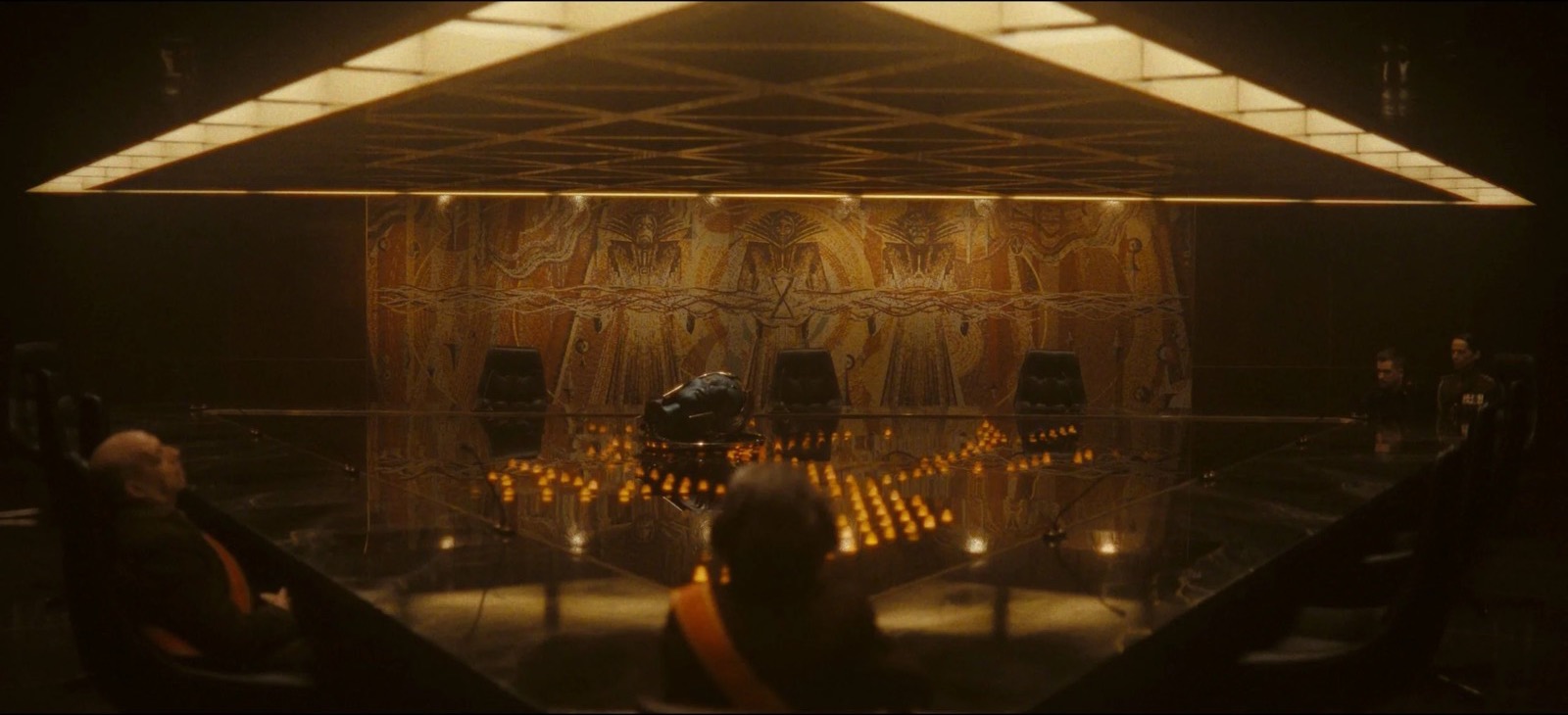
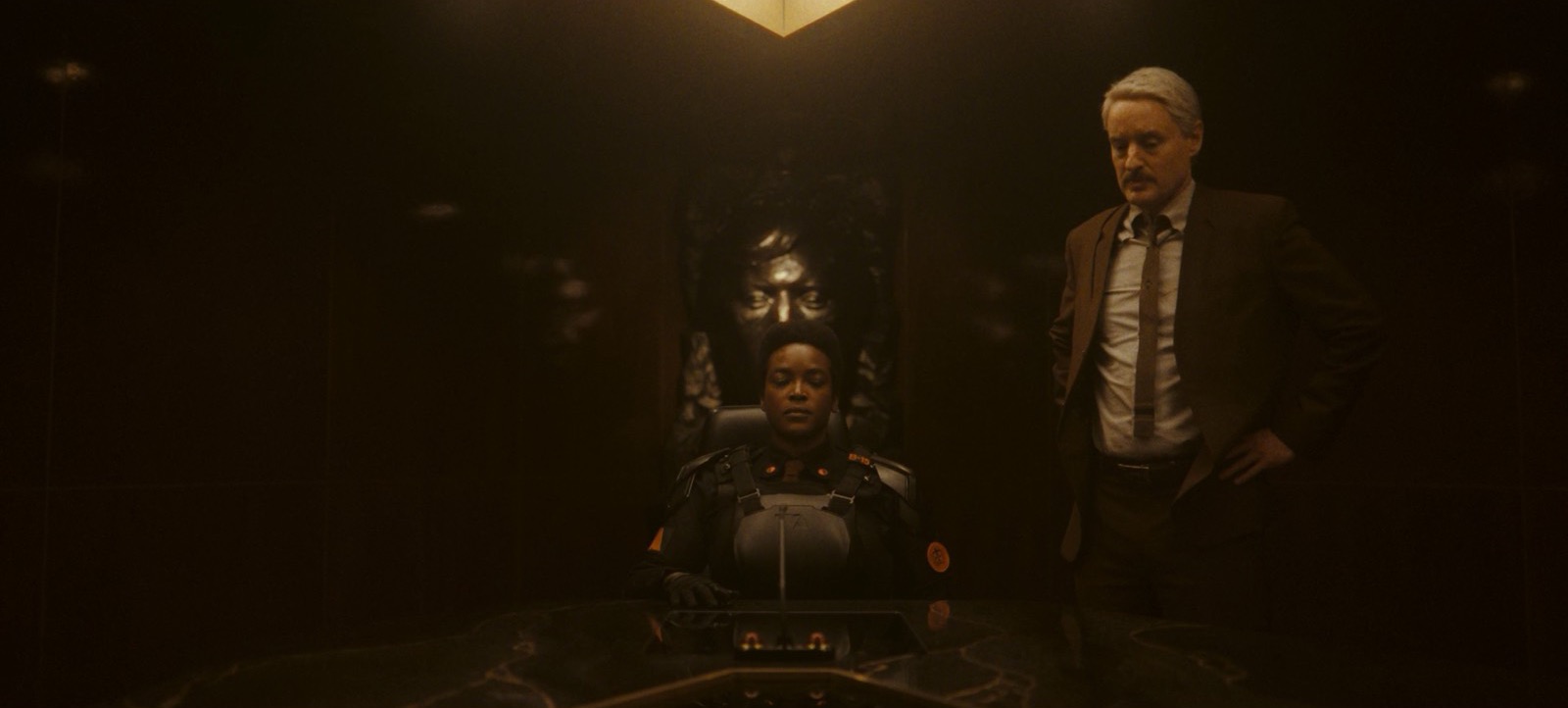
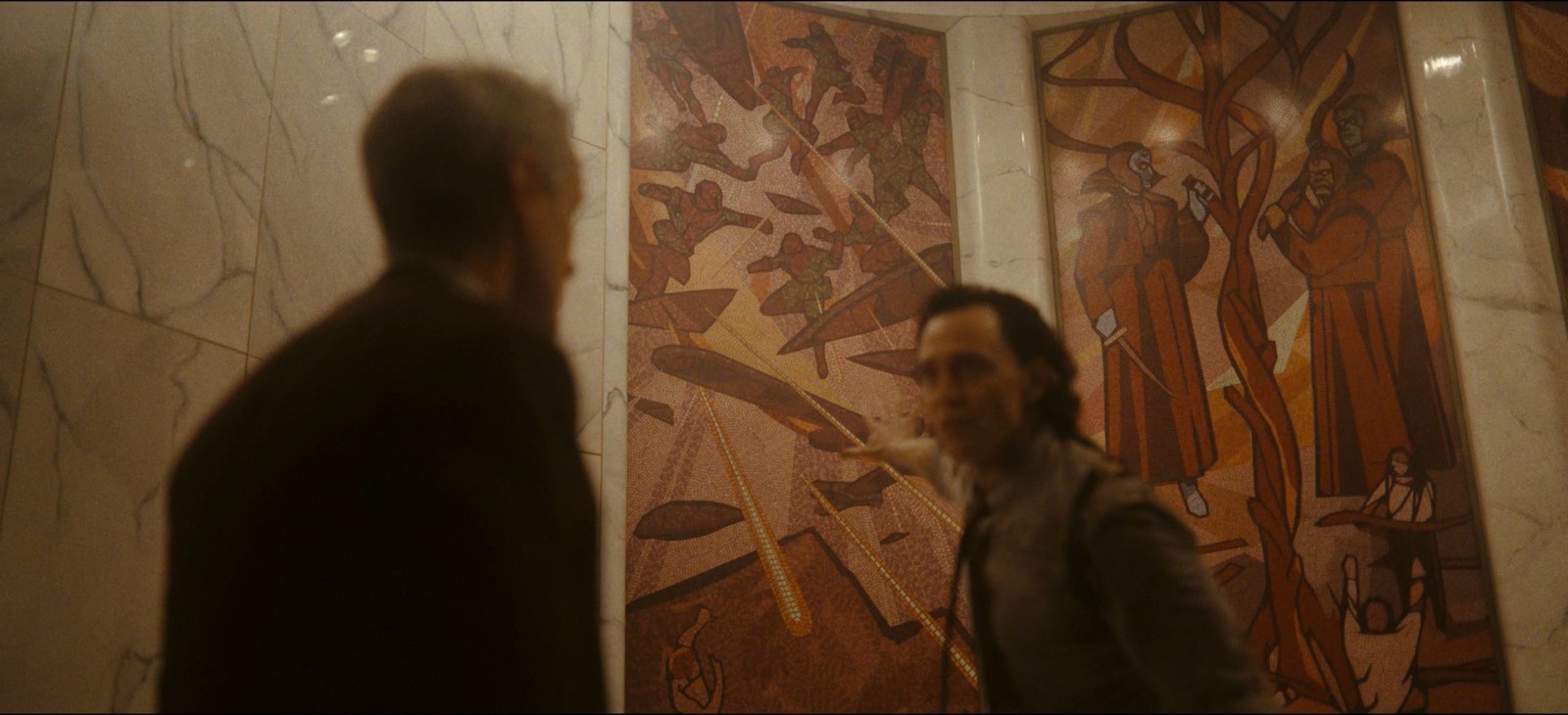
The set also carries the story. It is the room through which Loki comes to understand that he is slipping through time, and it appears in two versions: in one, a massive sculpture honors He Who Remains; in the other, that sculpture is concealed behind an elaborate mosaic honoring the Time Keepers. It is here that Loki exposes the truth—that the Time Keepers were only ever puppets of He Who Remains.
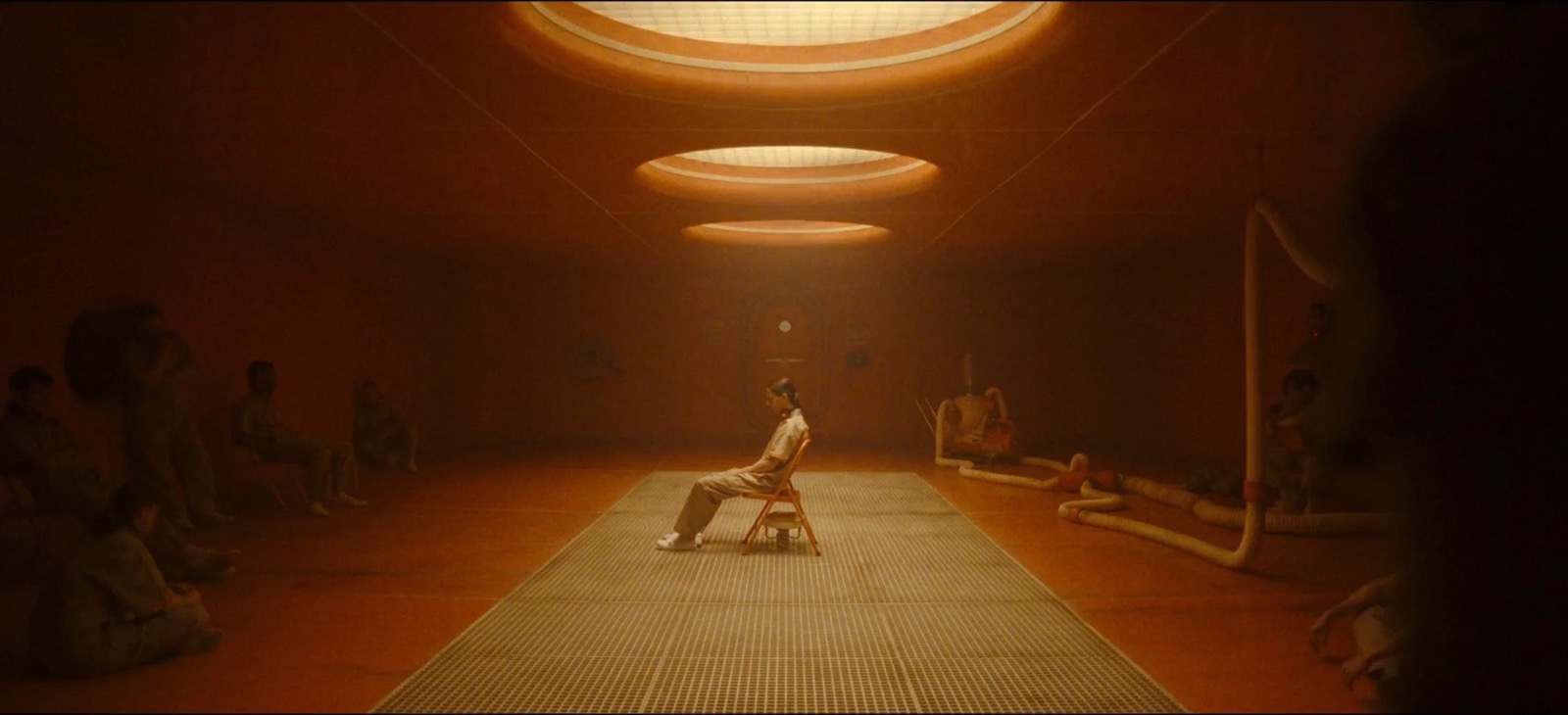
The Coercive Conversation Center
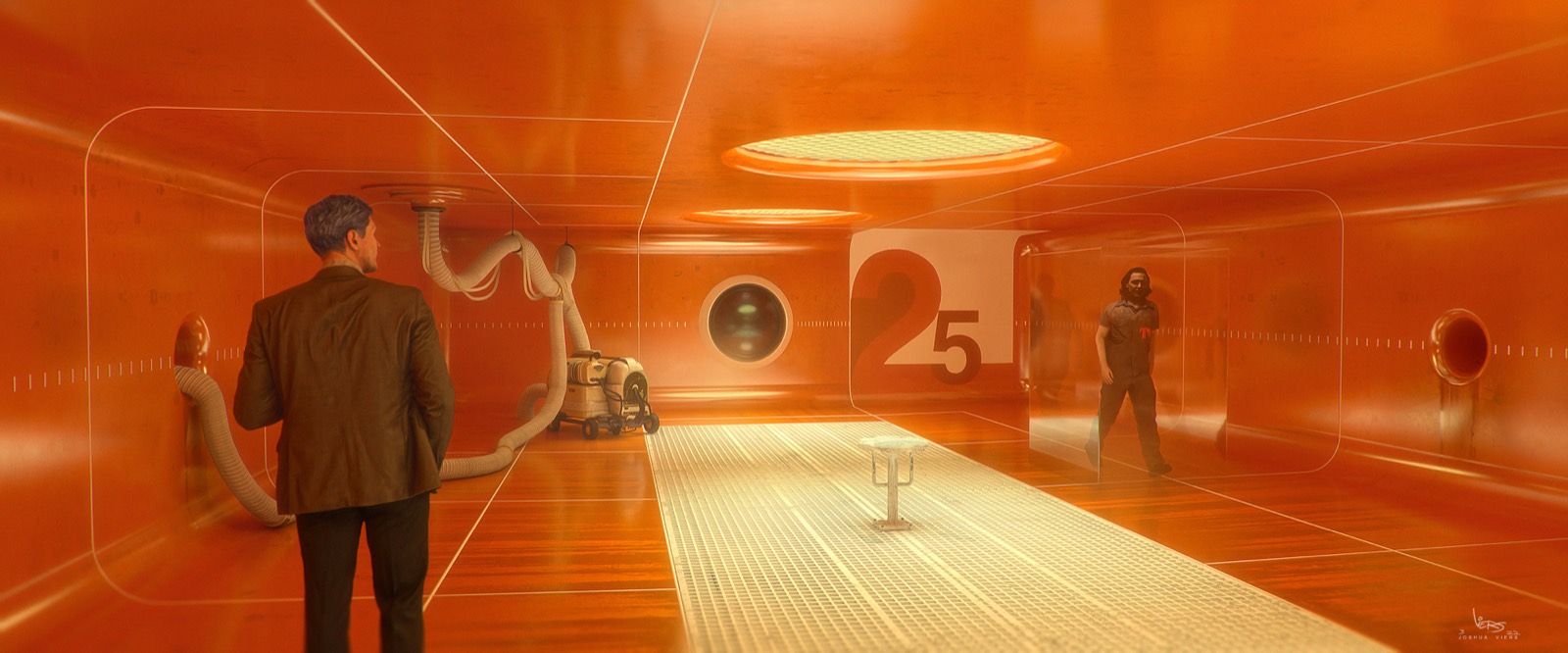
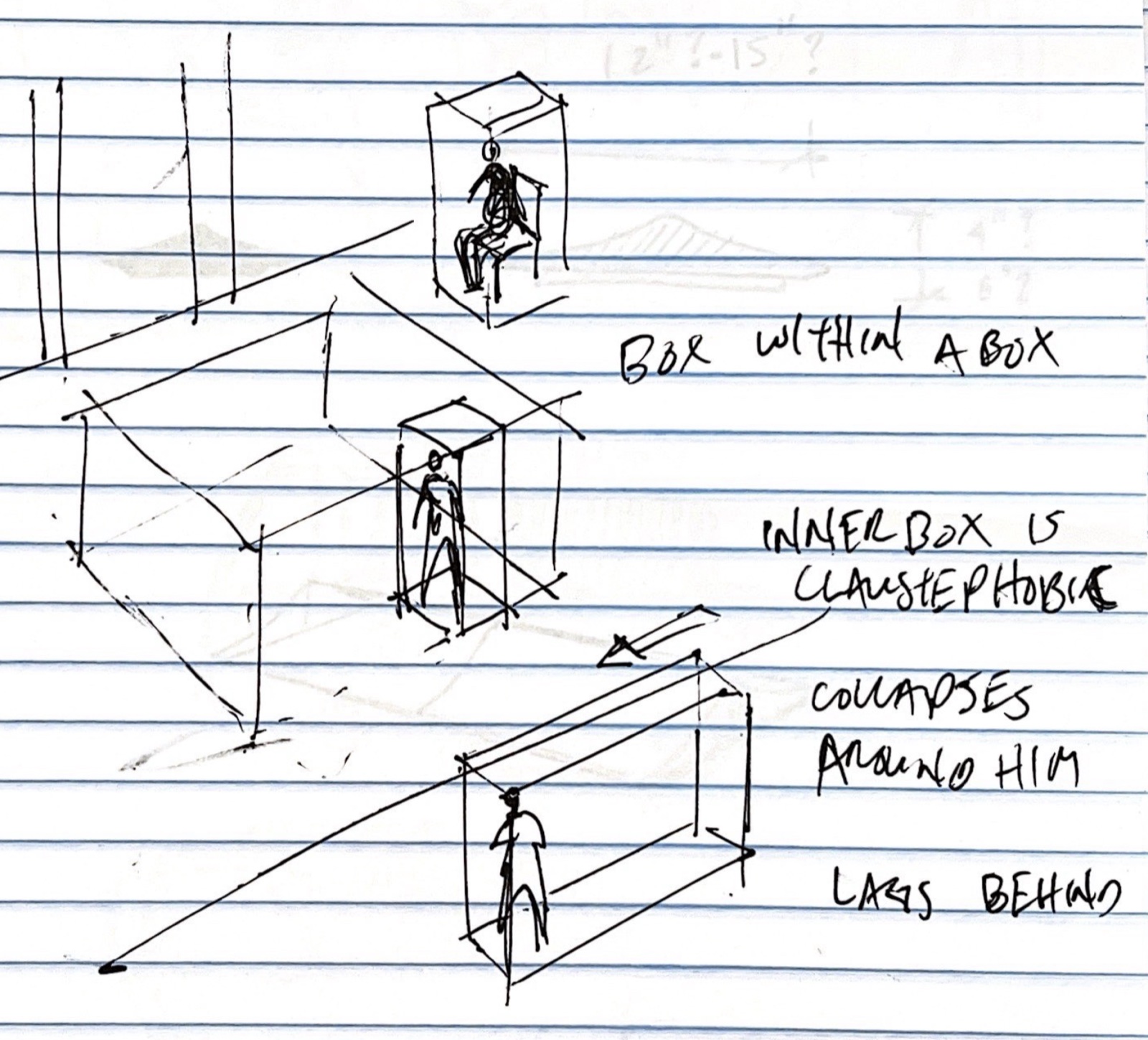
The Coercive Conversation Center is the TVA’s version of a candy-colored torture chamber, where prisoners are held and interrogated. One idea I proposed in the writers’ room was a box within a box: a translucent container built as an extension of the TVA’s time-door technology. It gives the subject of an interrogation a space that can be adjusted on the fly—the interrogator works the controls, compressing or expanding the box to bring the pressure to bear.
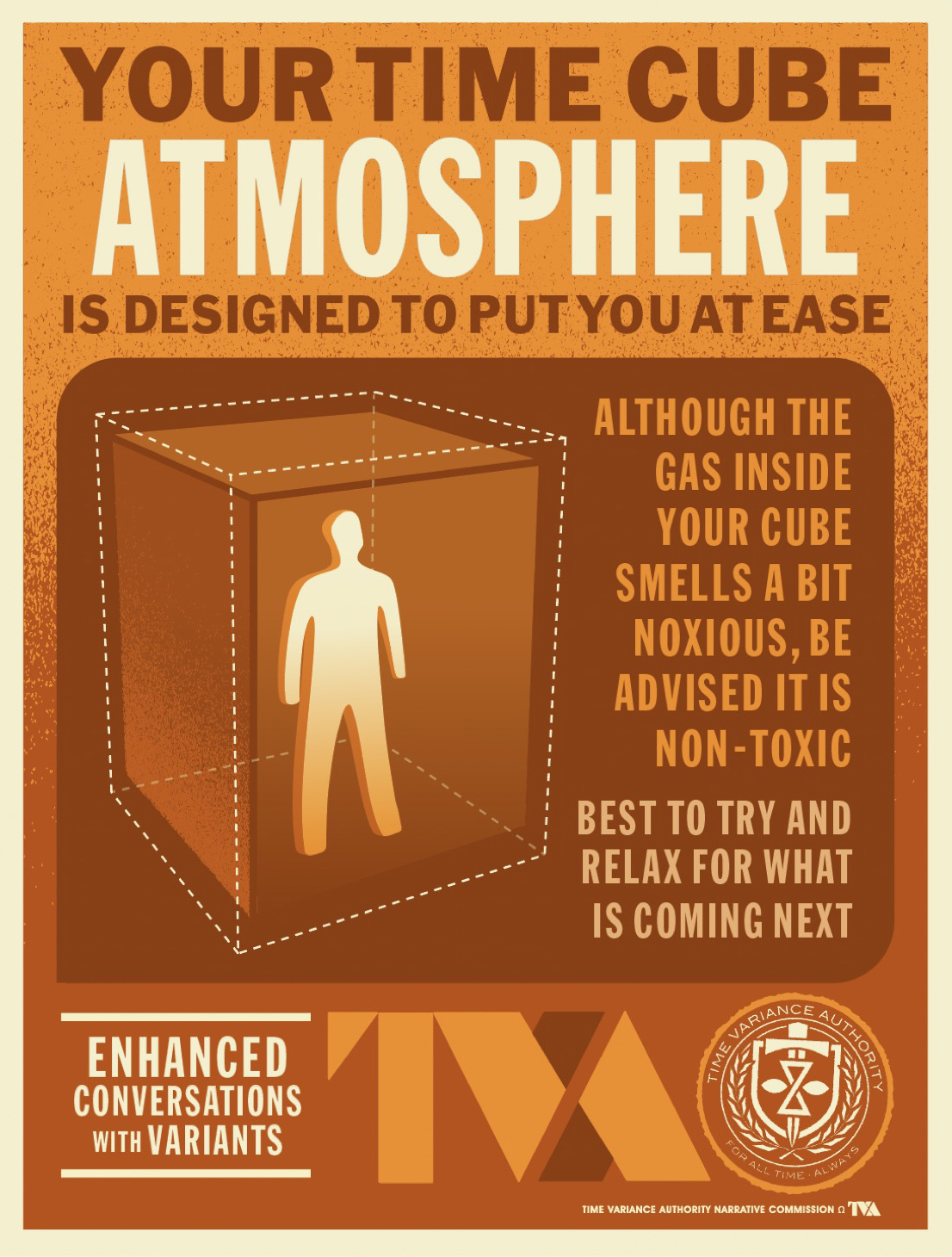

Poster design — Jason Sweers
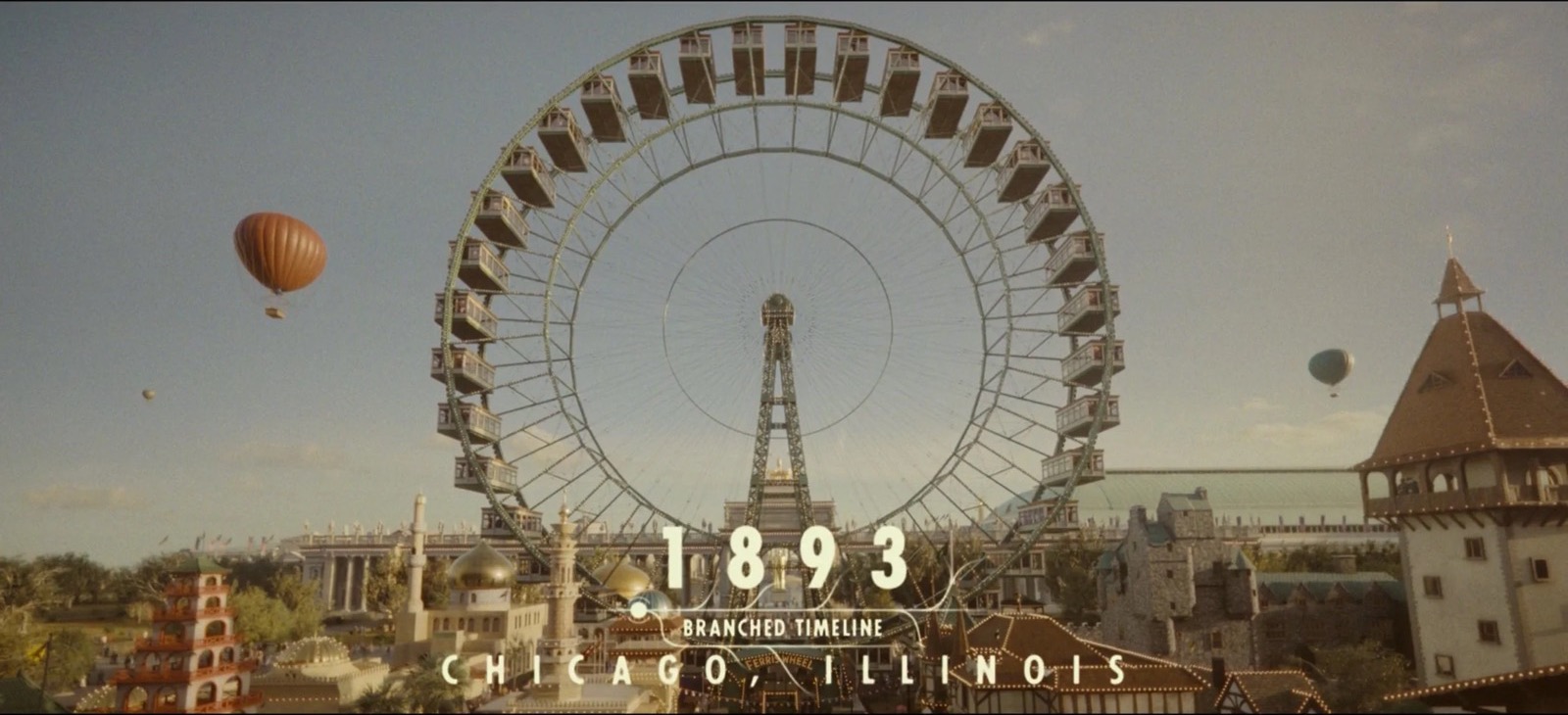
1893
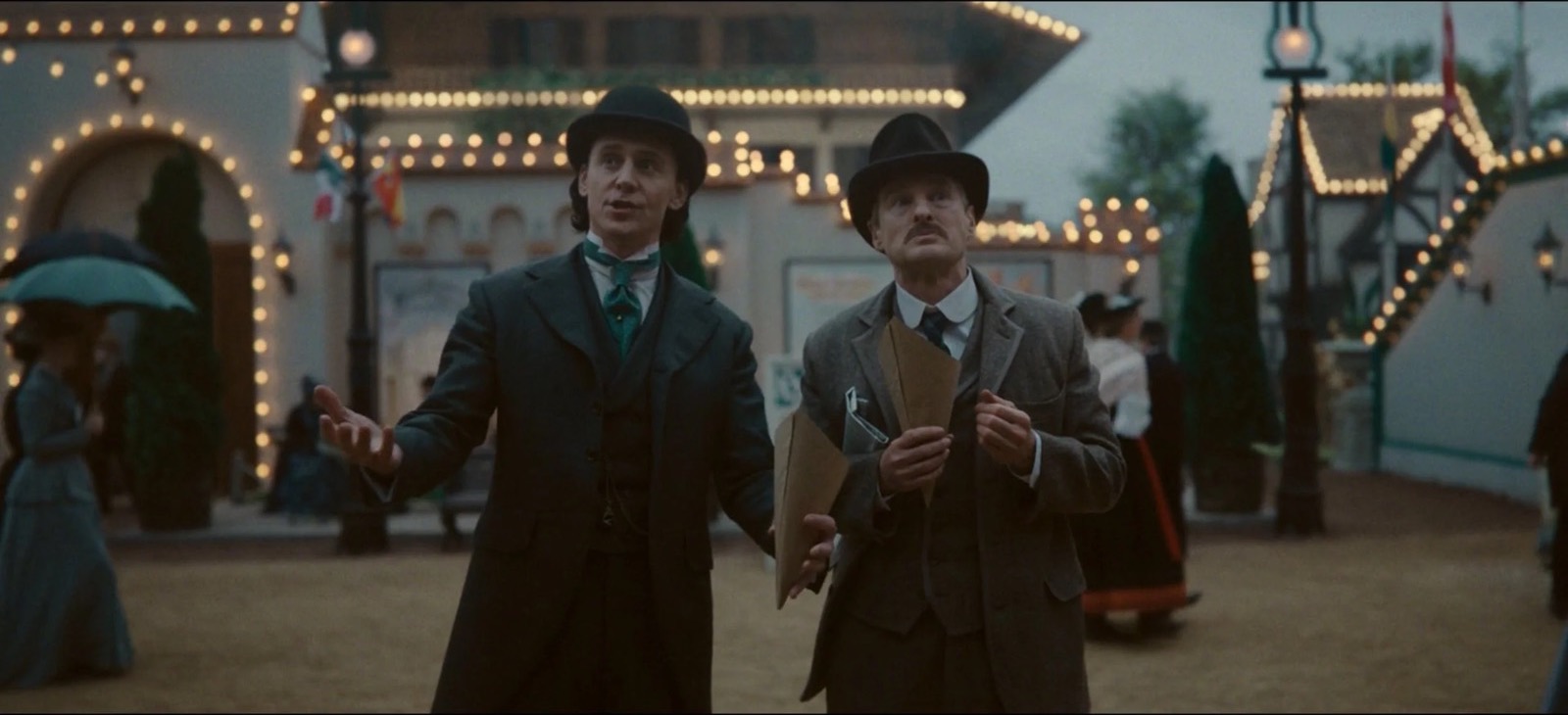
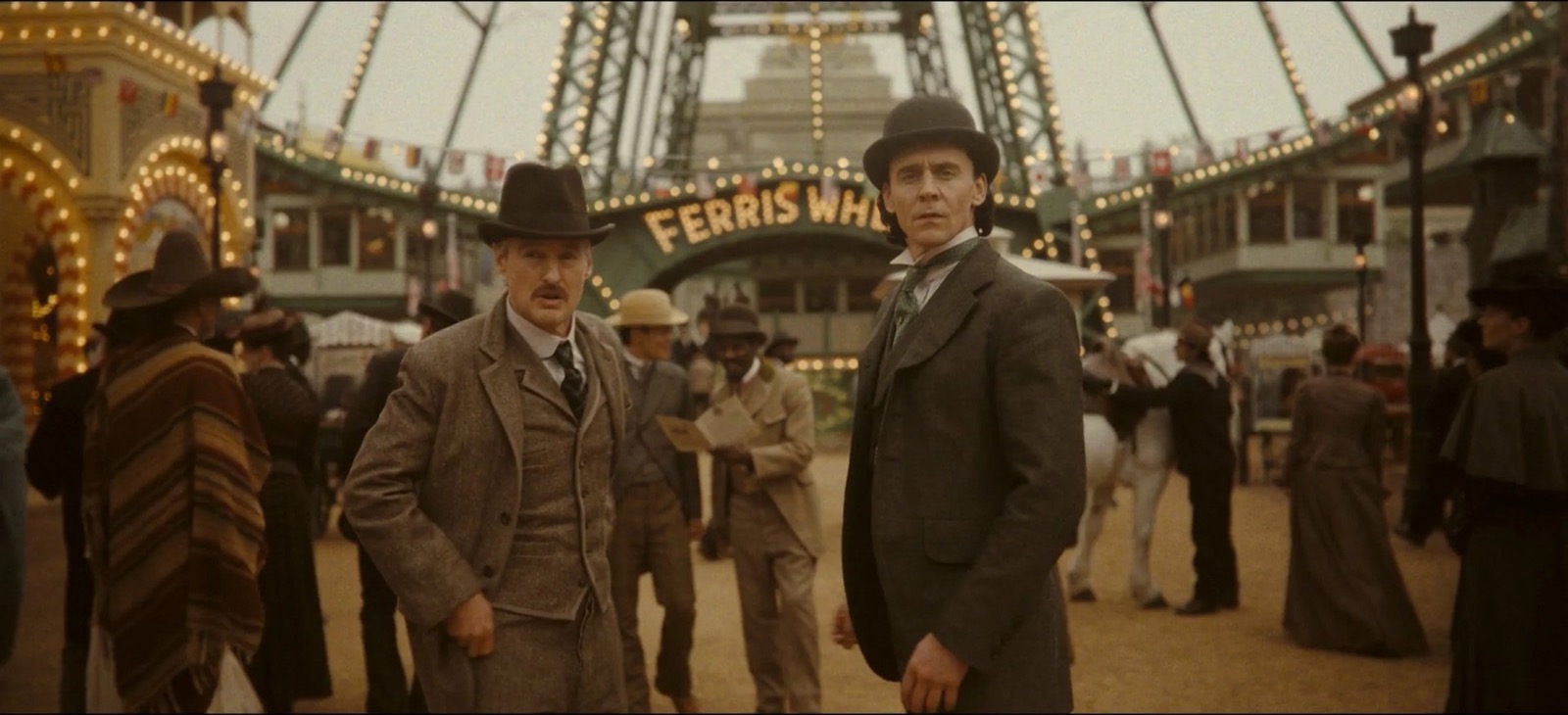
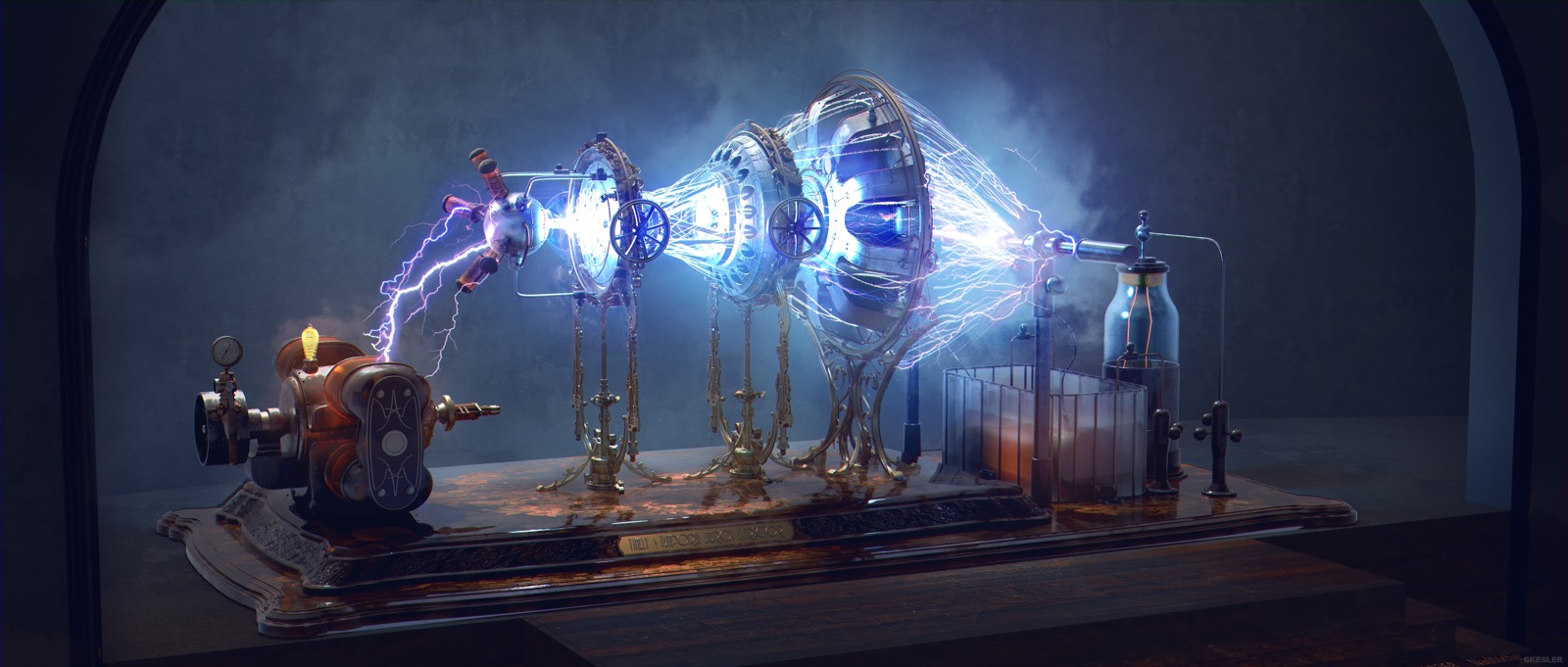
For the third episode the story leaves the TVA for the 1893 World’s Columbian Exposition in Chicago, where Loki and Mobius hunt a nineteenth-century variant of He Who Remains: the inventor Victor Timely.
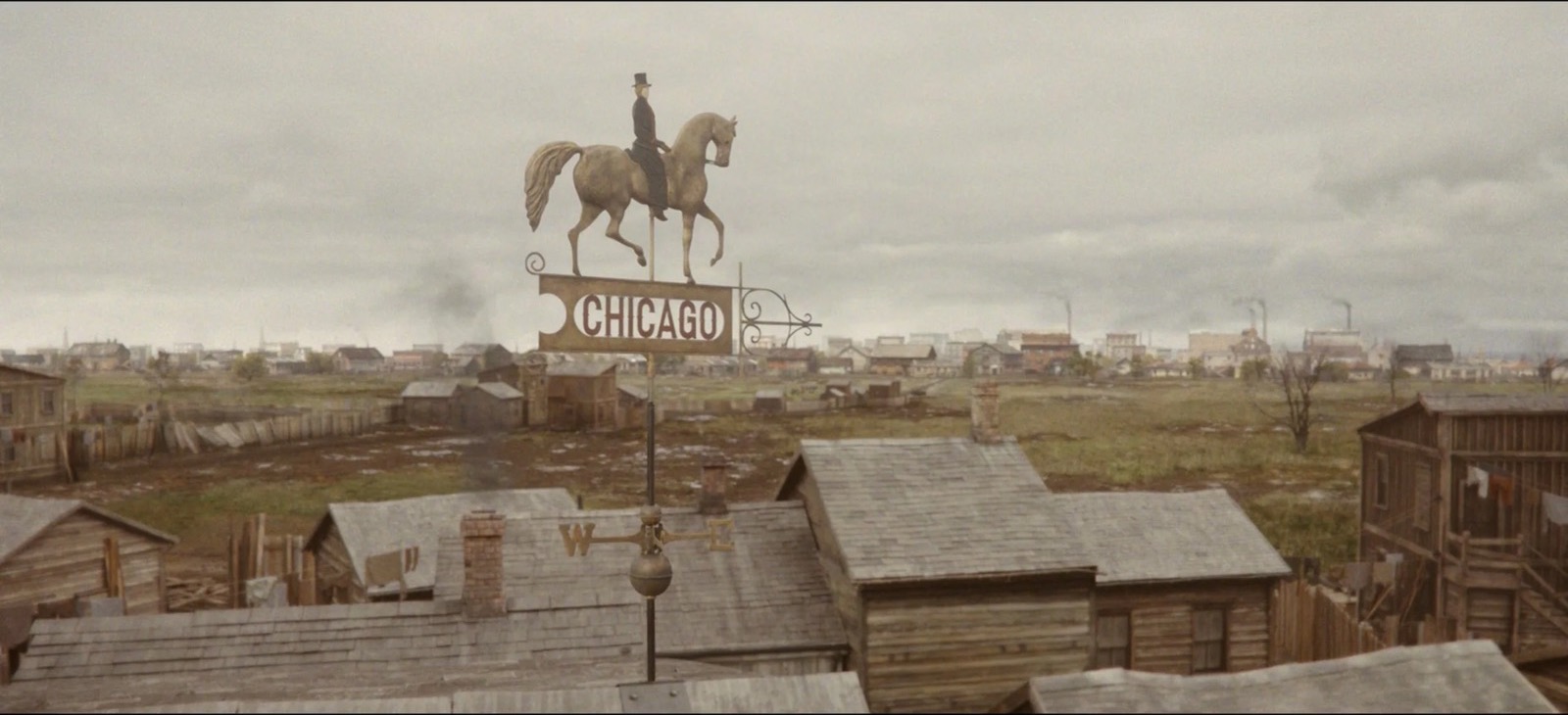
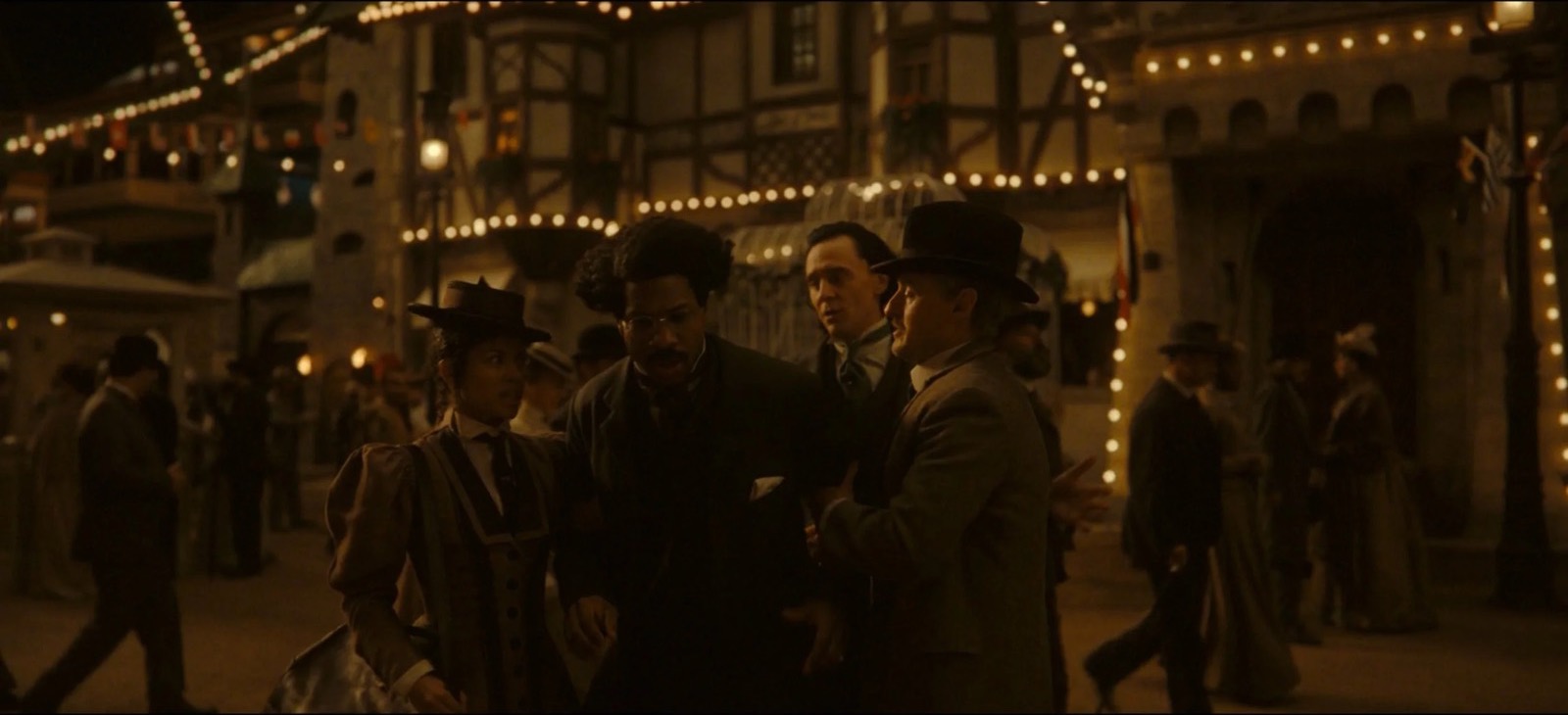
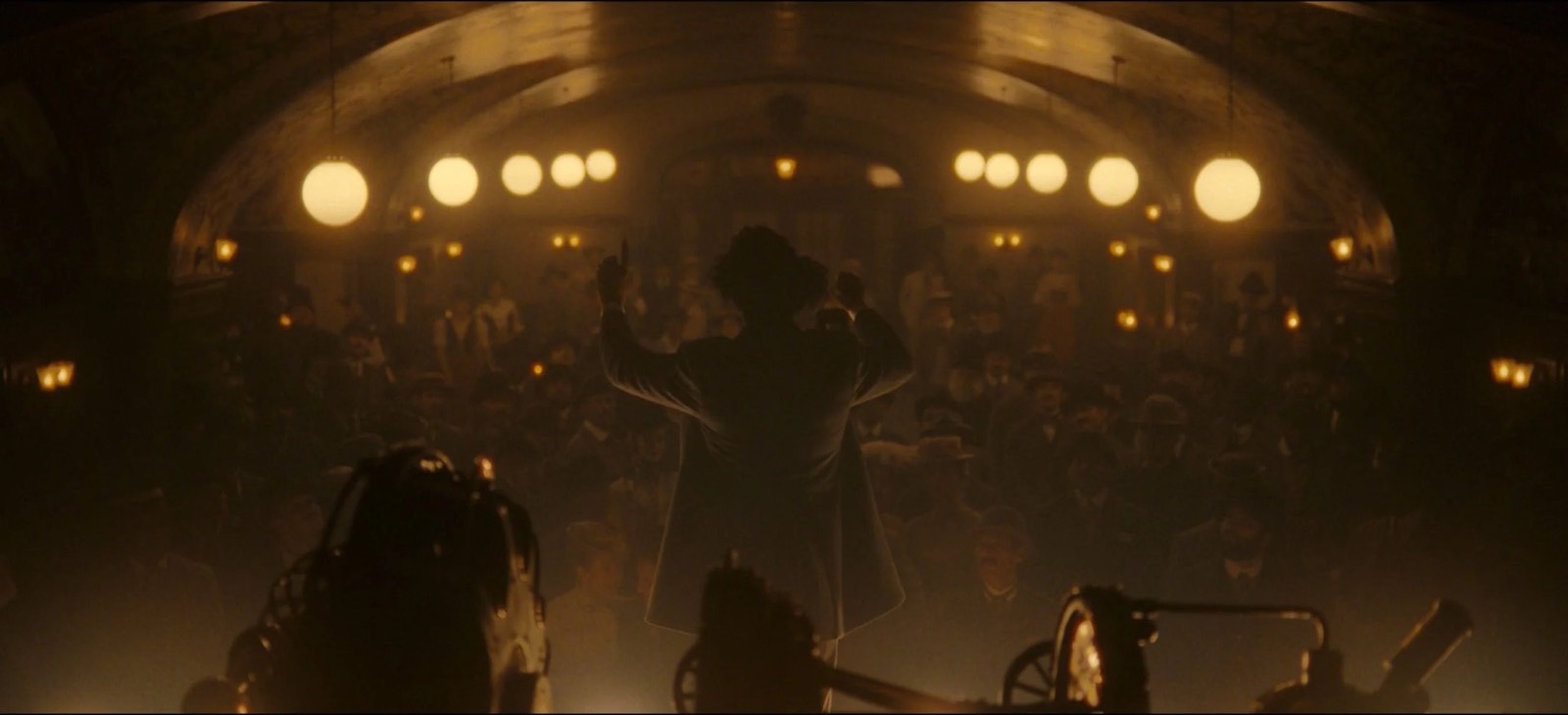
We focused on the Midway. It was the more working-class part of the fair, the only place you could buy alcohol, and the home of the Ferris wheel, which is what ultimately made the whole exposition profitable. We built a sizable piece of it: a set several hundred feet long and a hundred feet wide.
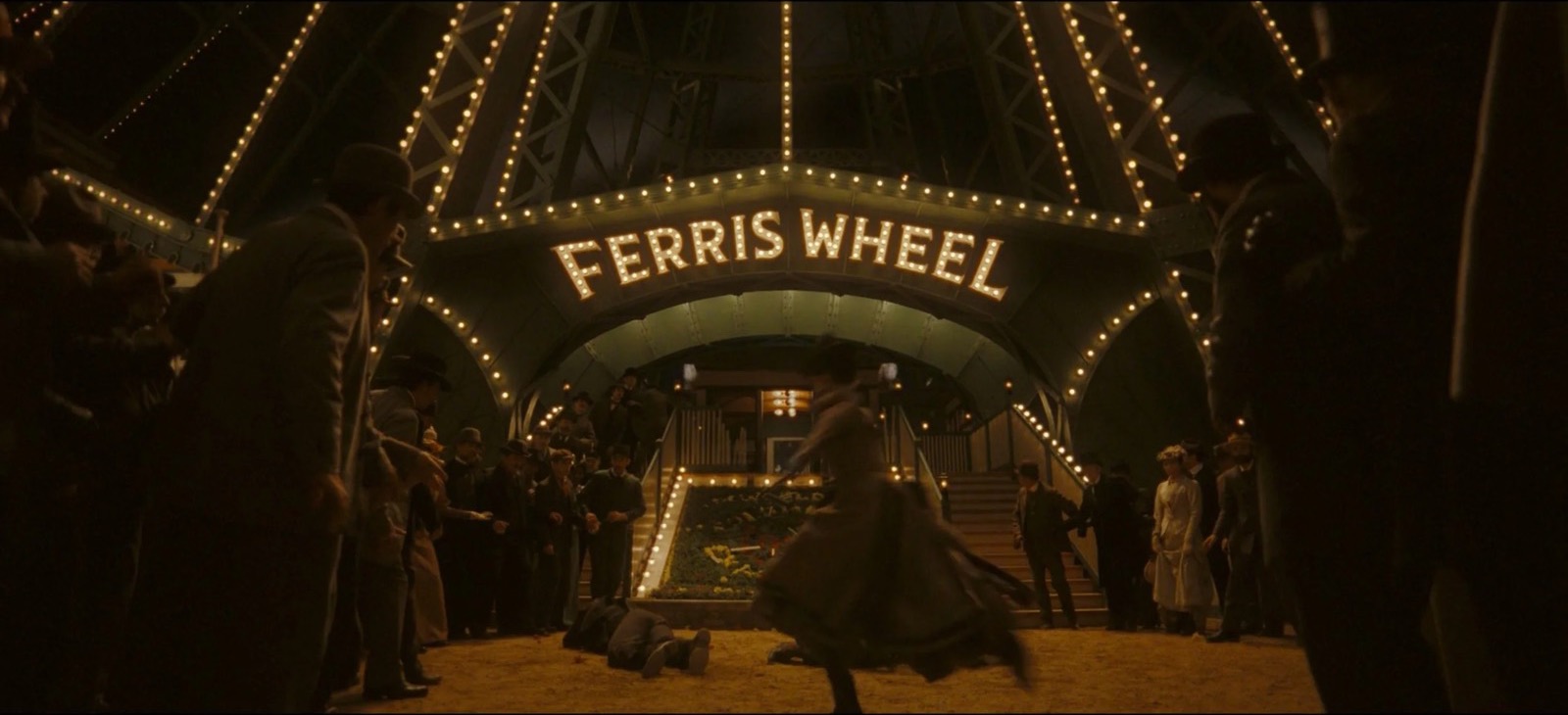
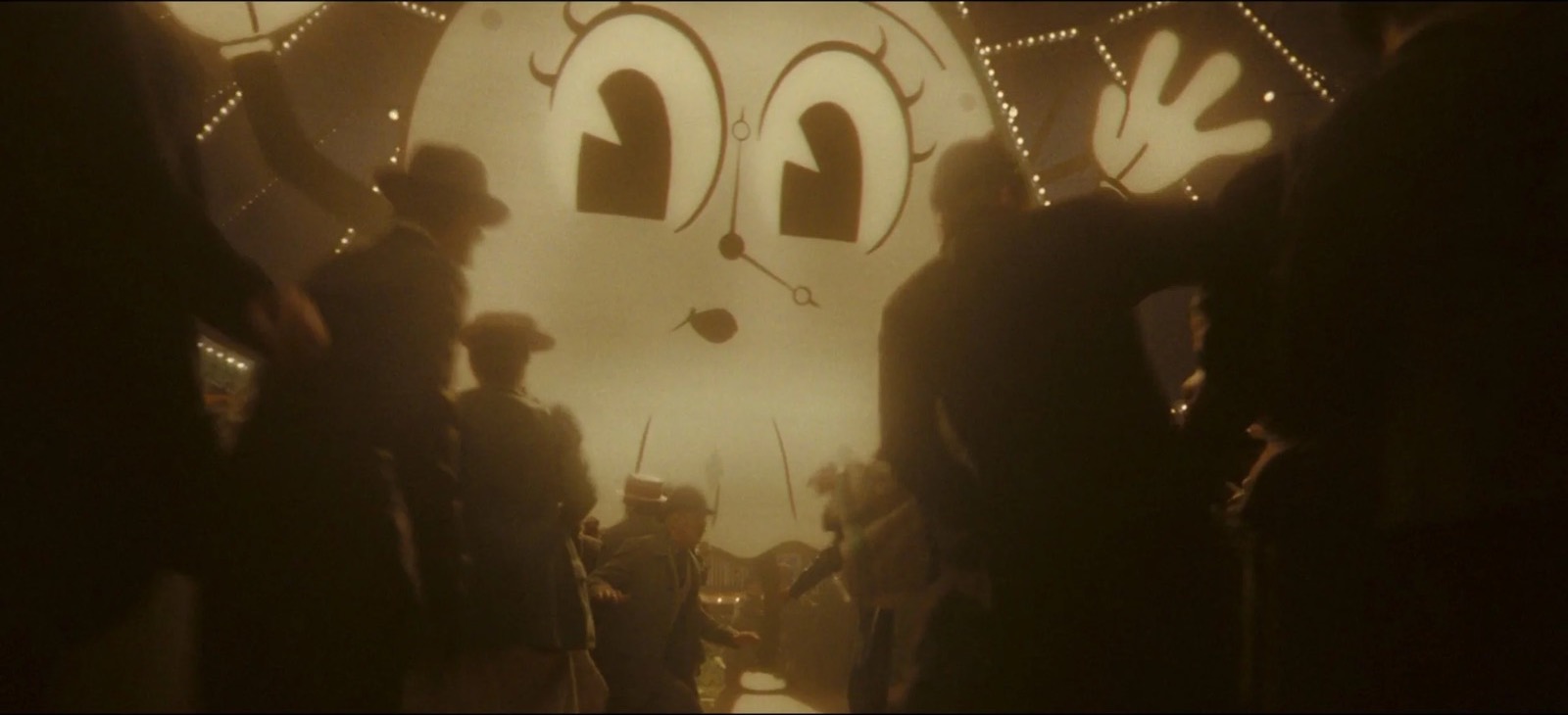
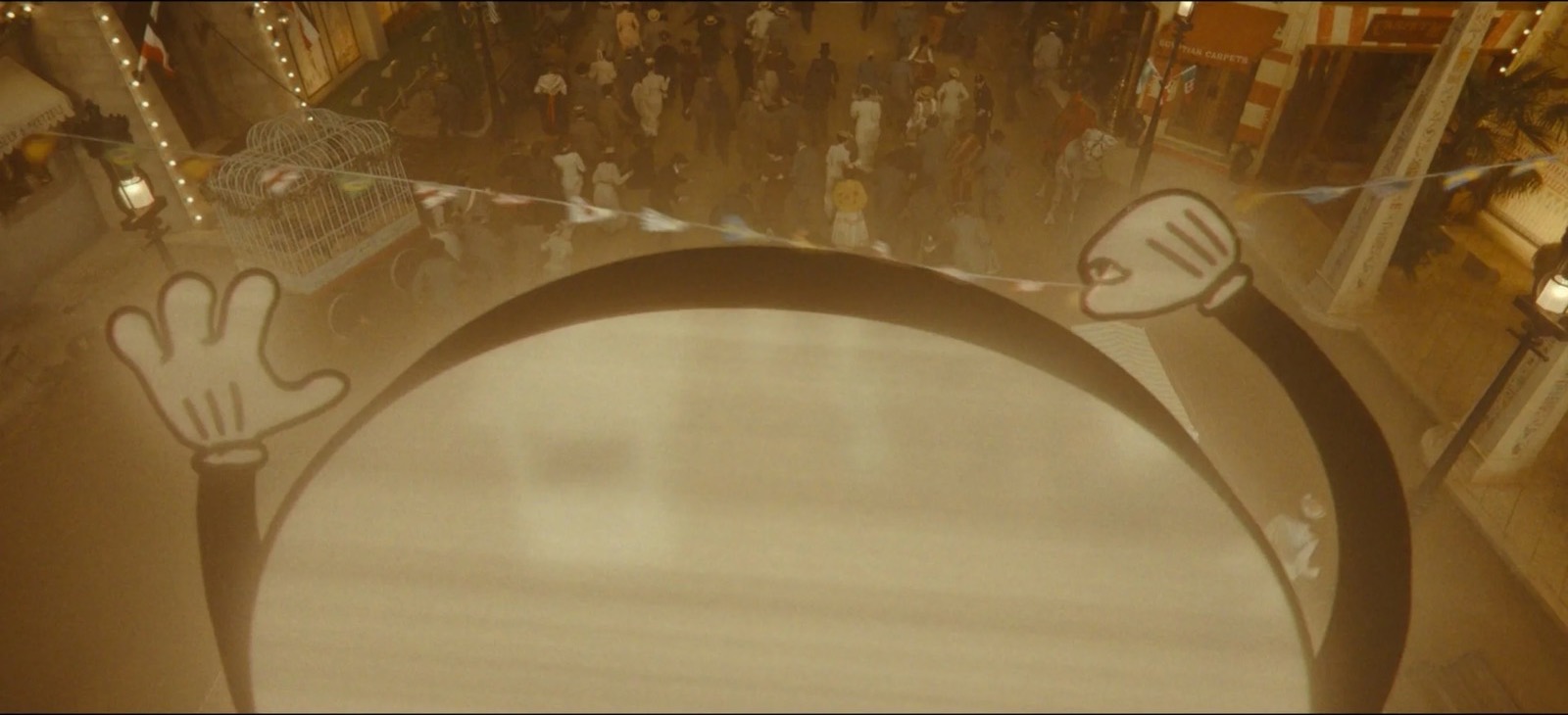
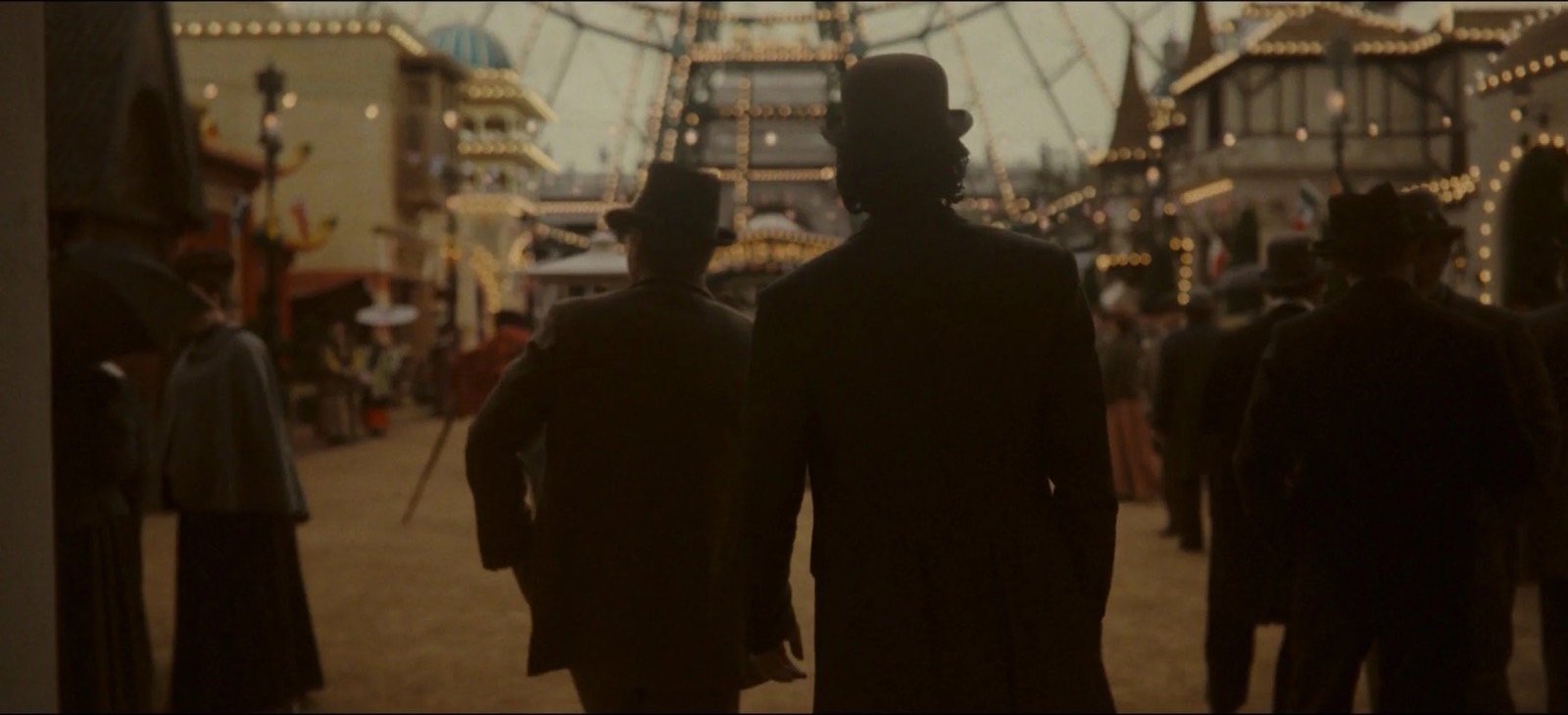
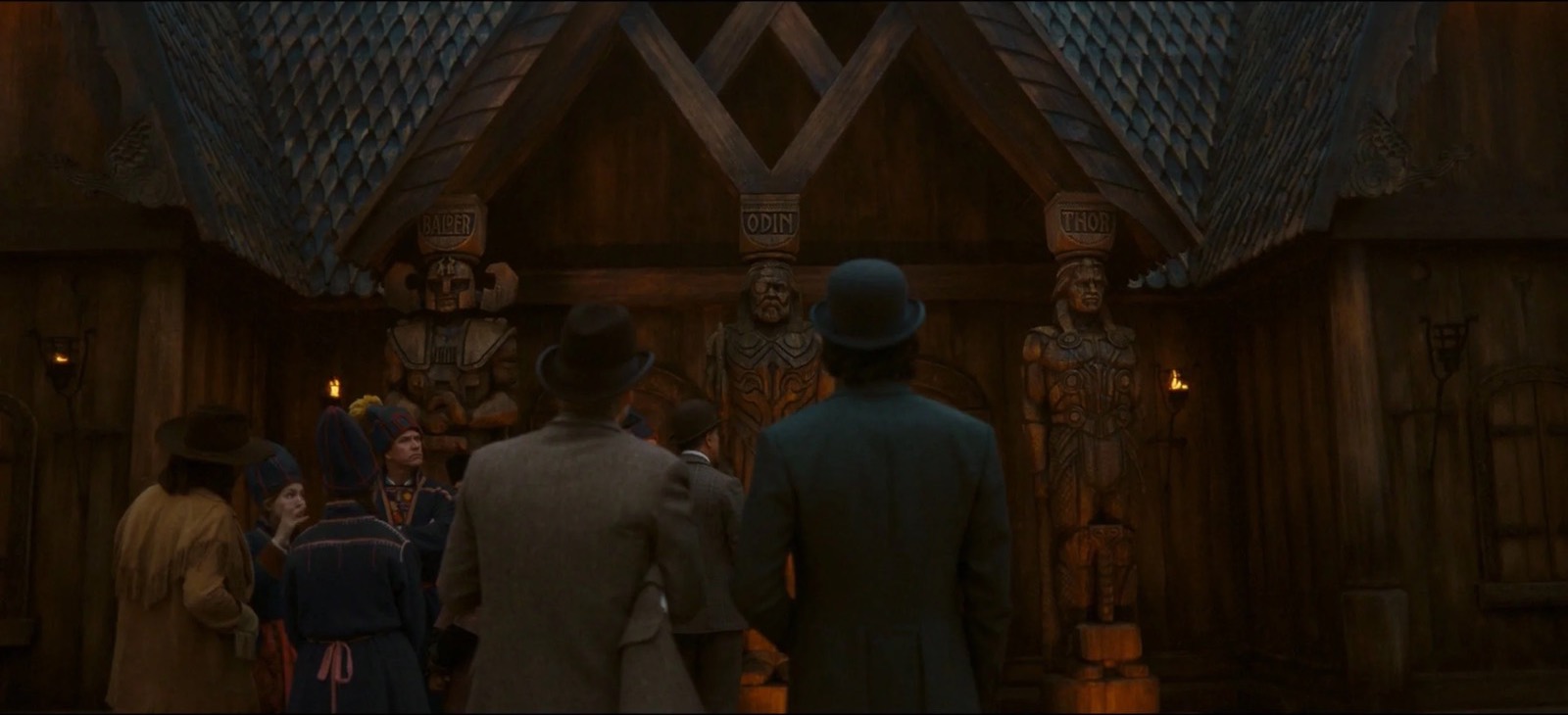
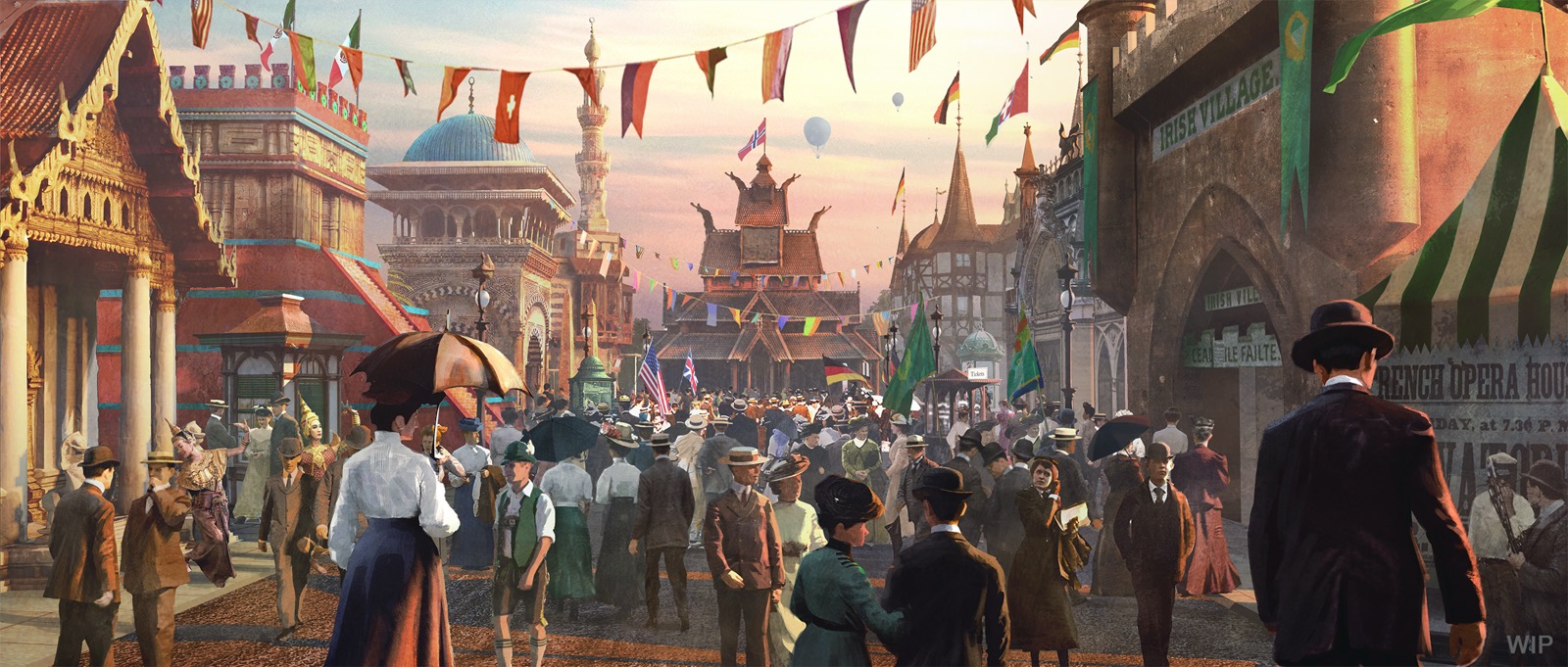
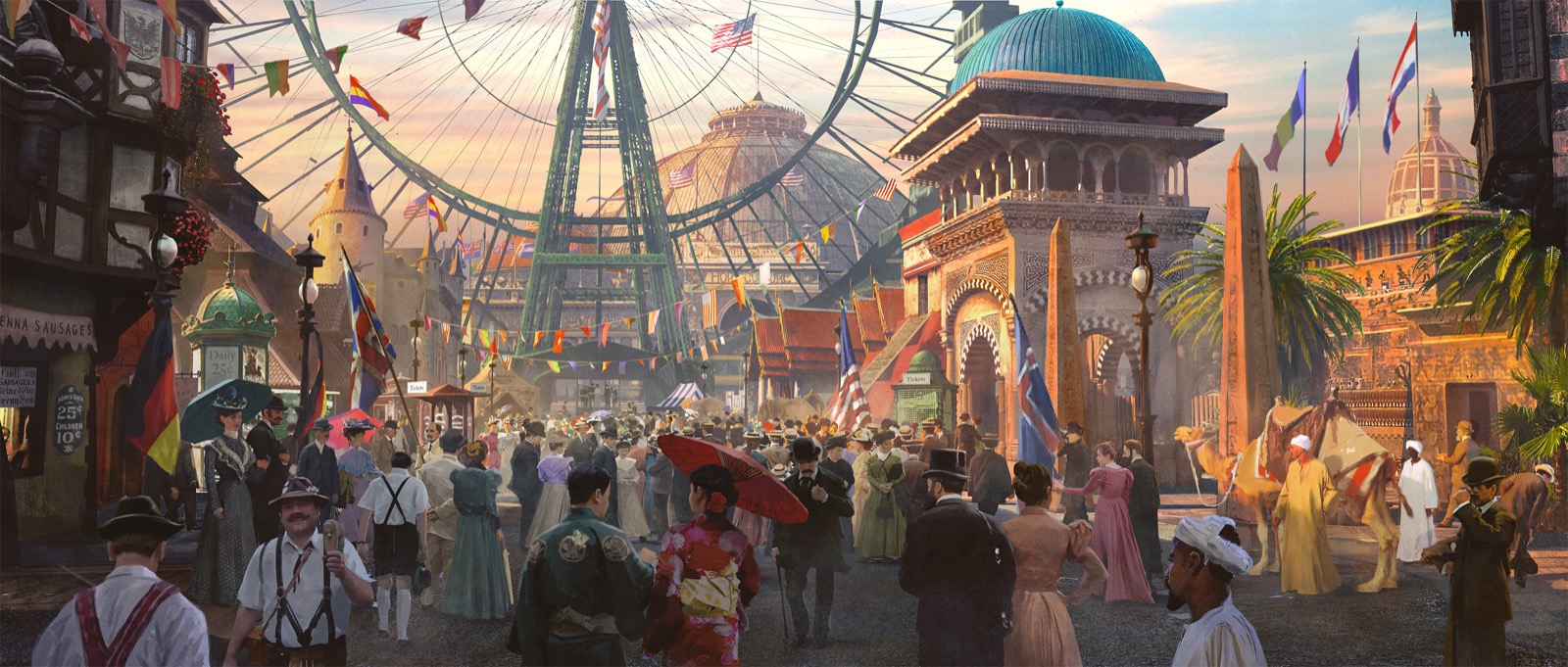
Concept illustration — Joe Studzinski
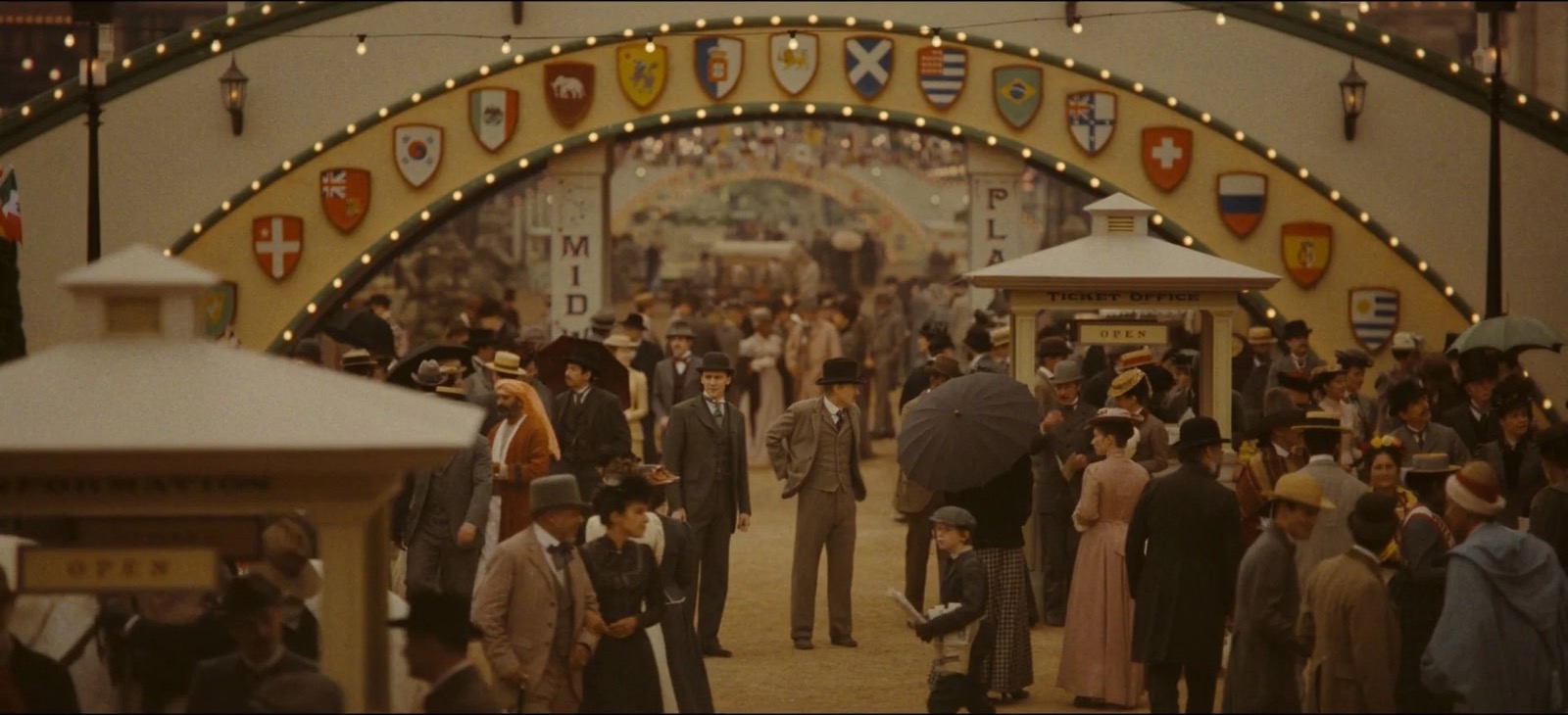
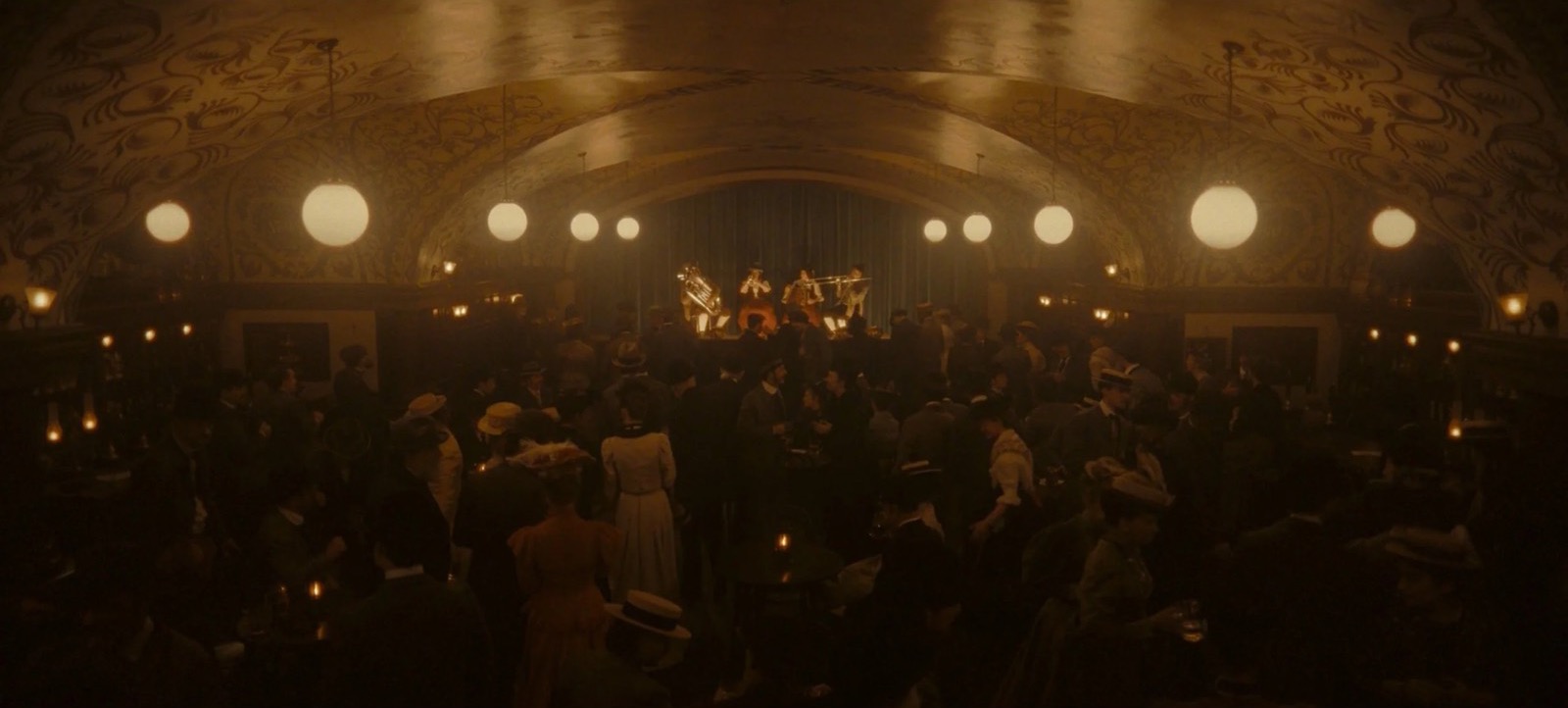
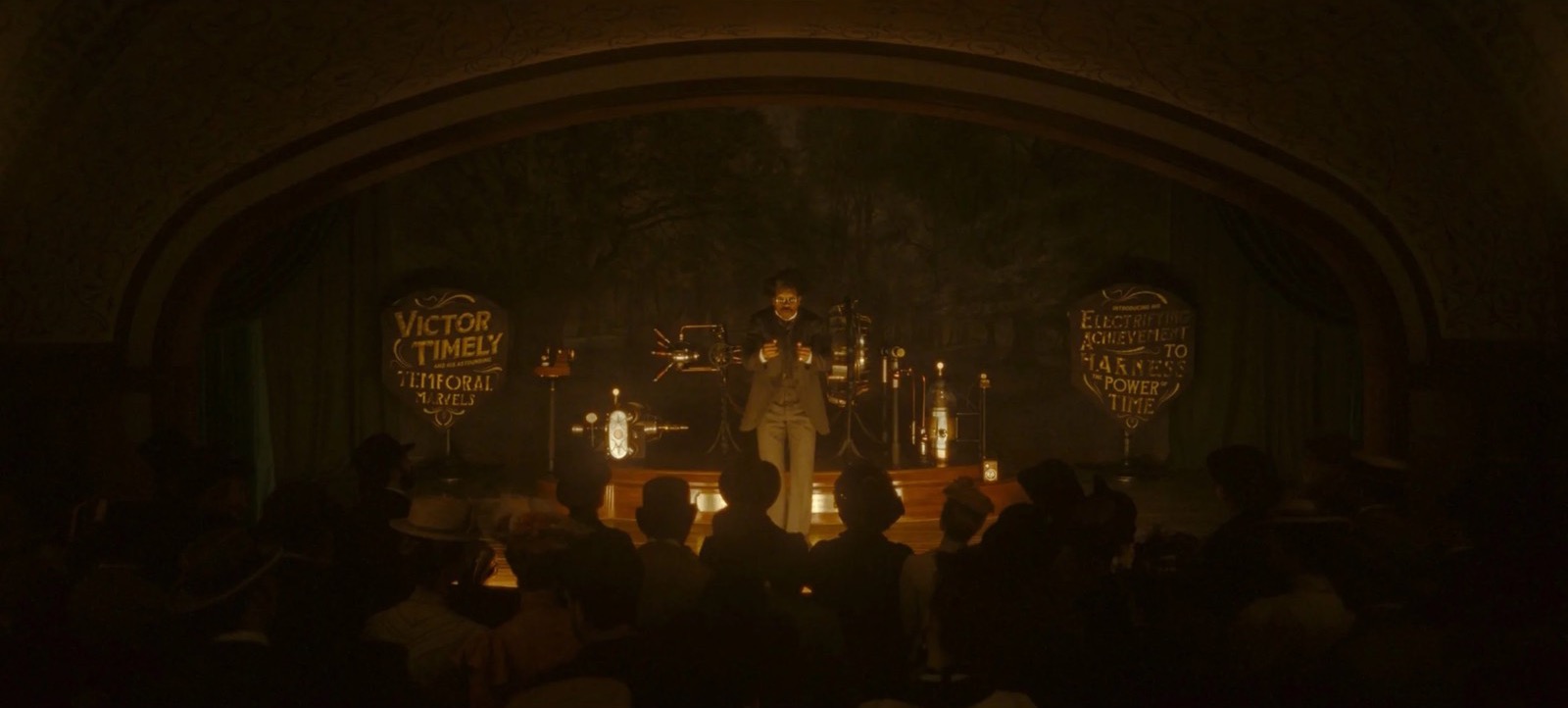
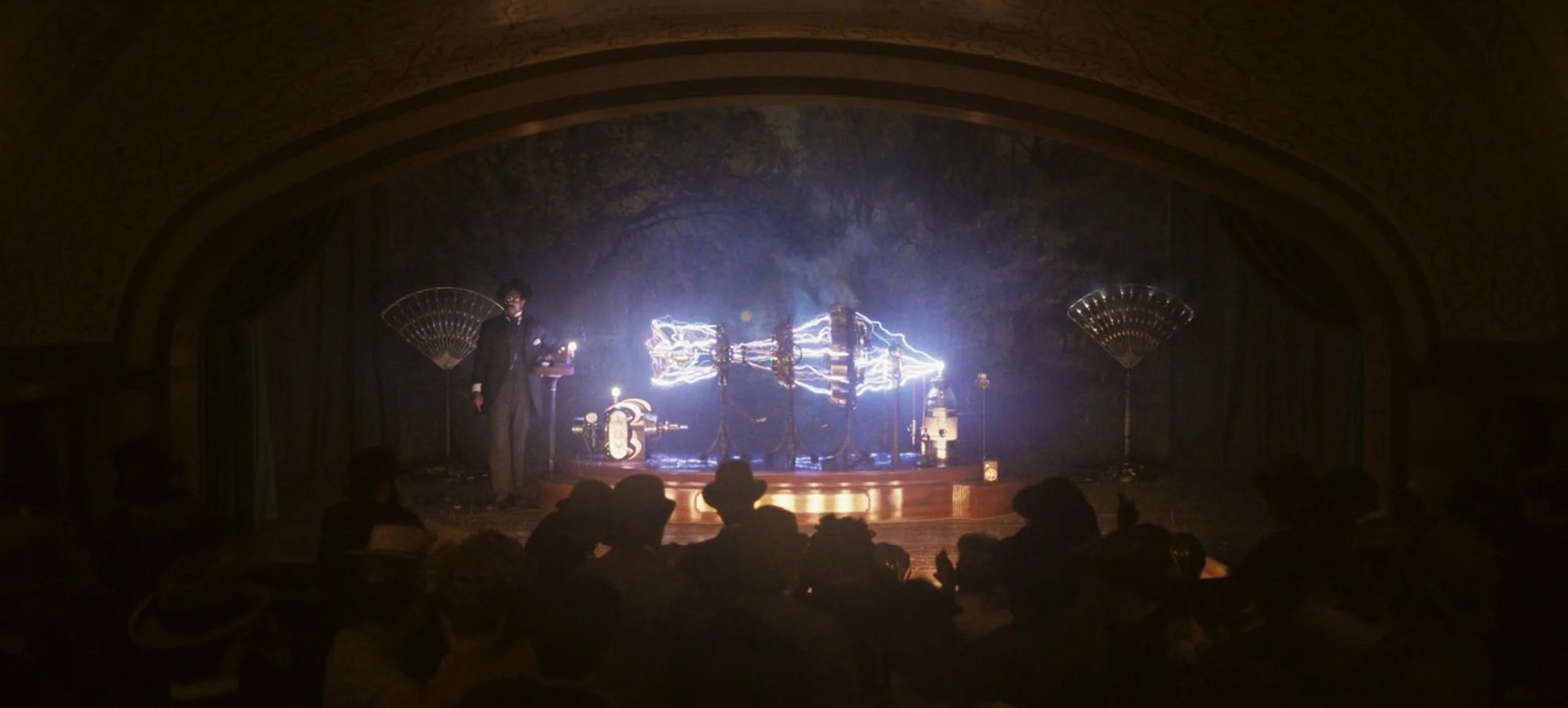
Where Timely presents mattered too. Instead of the Machine Hall in the White City, the fair’s prestigious official exhibition space, he presents at the Hofbräu on the Midway. As a Black man trying to be an inventor in the late nineteenth century, he would have been shut out of the establishment’s rooms. We looked to the real inventor Granville Woods, who faced the same exclusion and had his patents stolen.

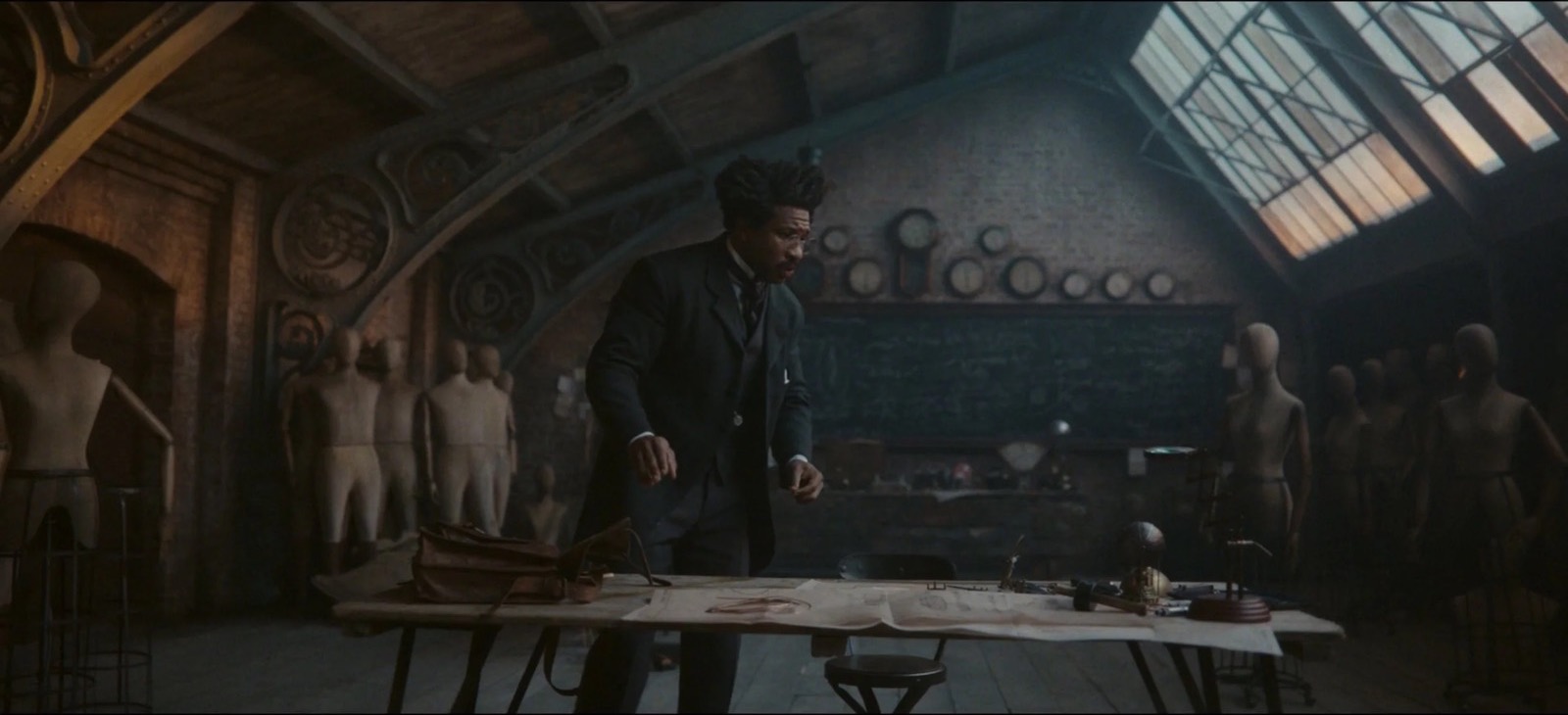
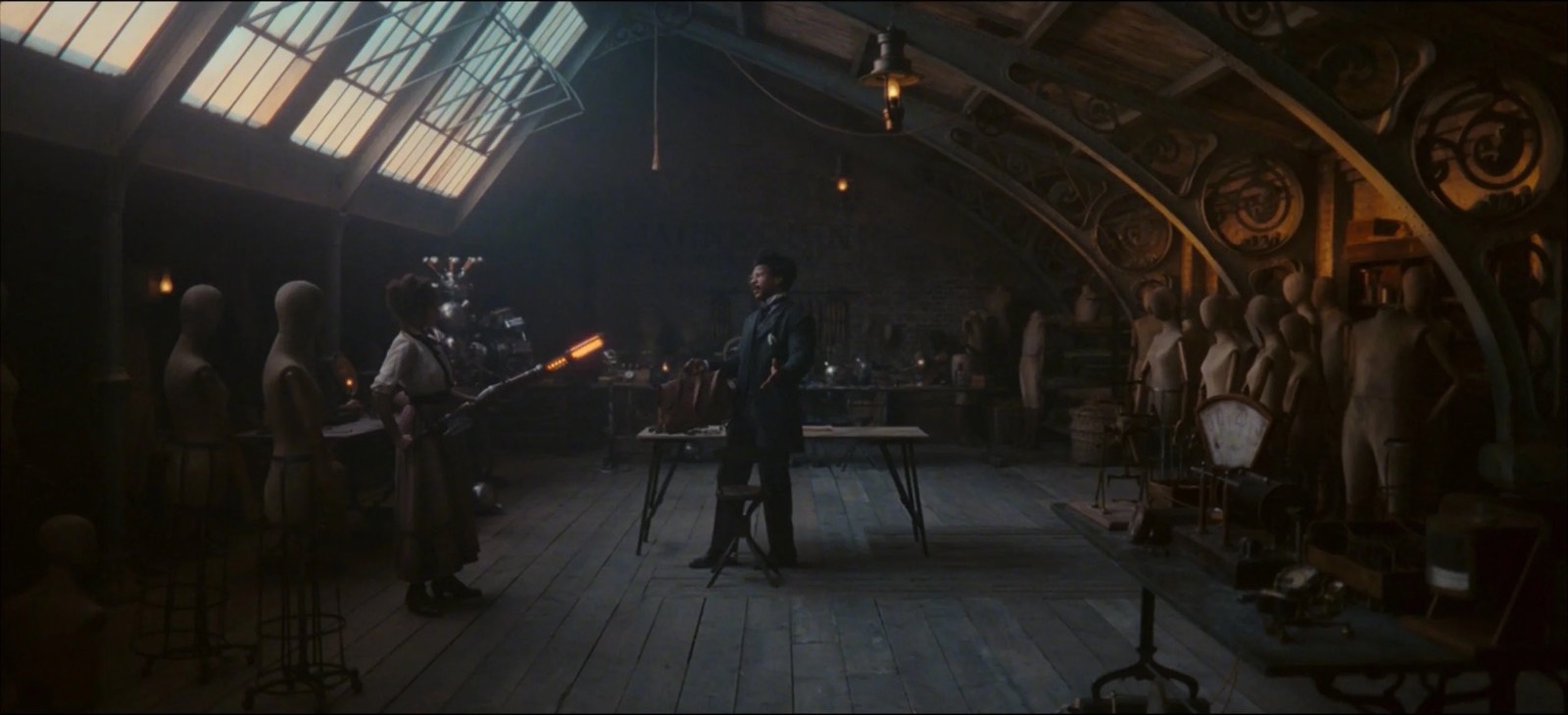
My favorite set in the episode is Timely’s lab in Wisconsin. We imagined it as a shuttered mannequin factory he had leased as a workshop, which is why there are mannequins everywhere, pushed to the side. Our set decorator, Jille Azis, filled it with the life of a place that had been working long before we arrived, and our DP, Isaac Bauman, lit it beautifully.
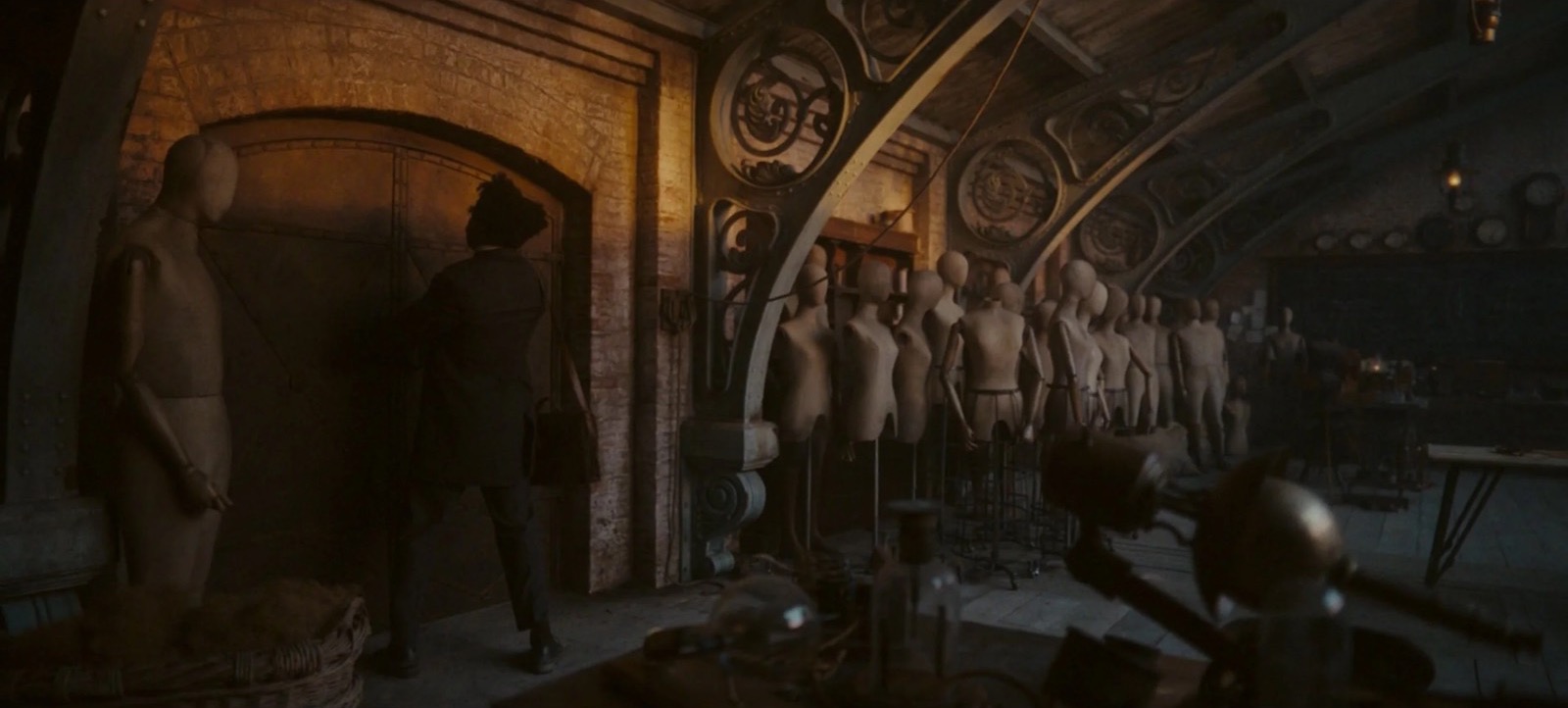
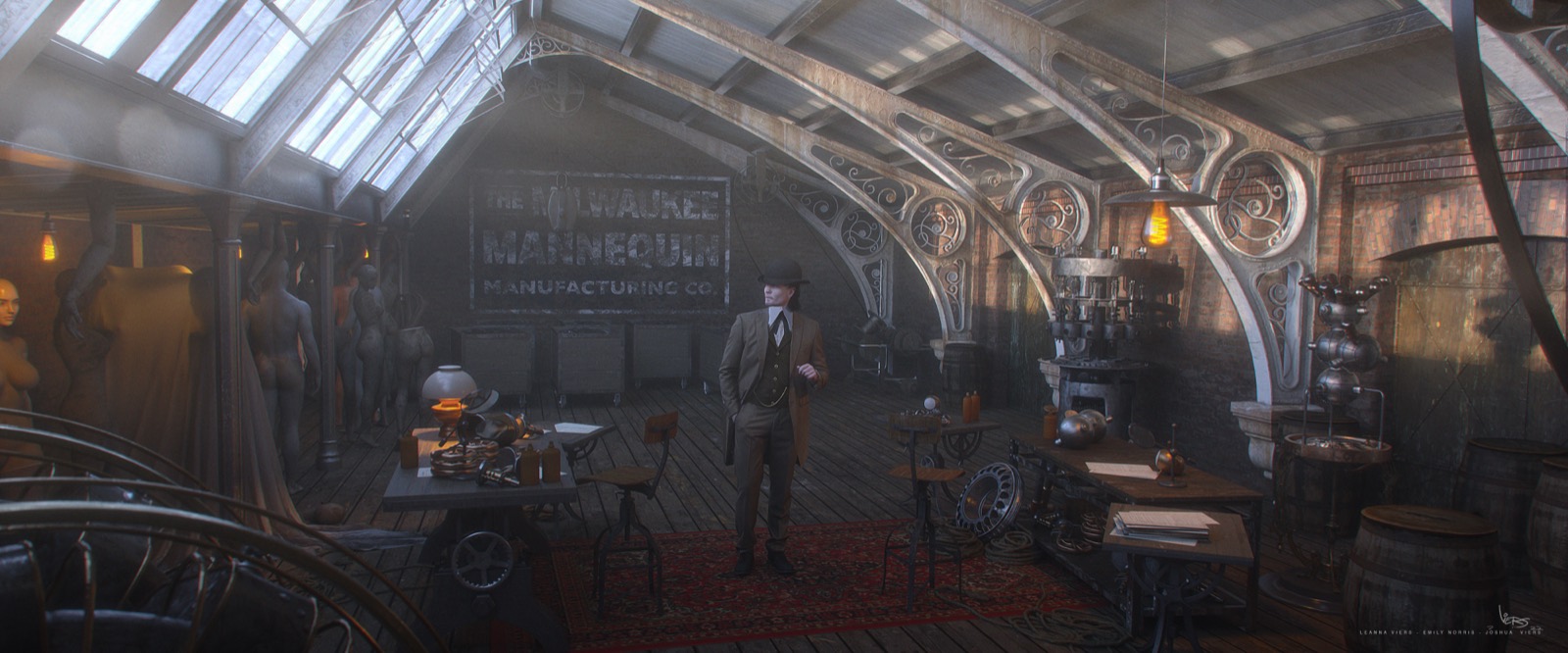
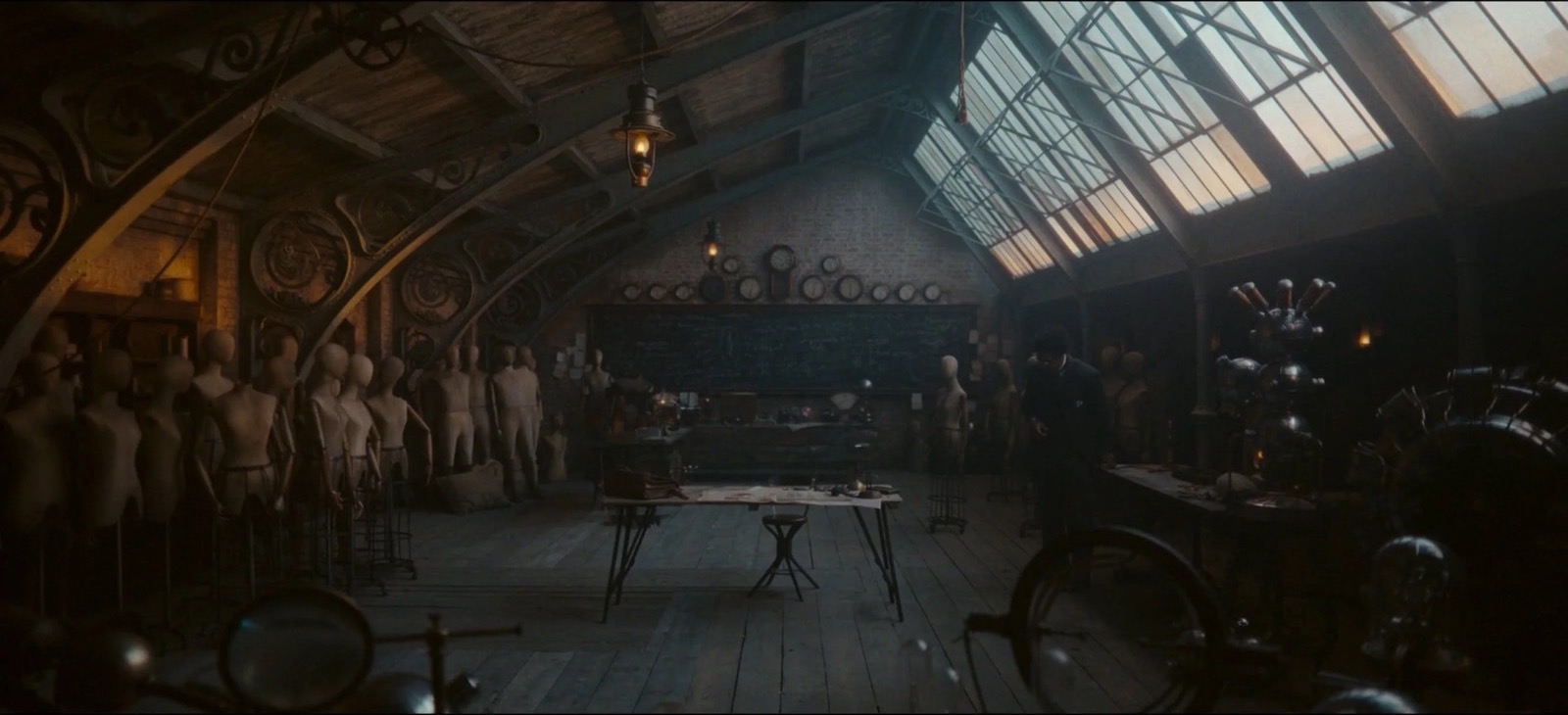
The World’s Fair was a particular kind of challenge: we’re in those sets for a single episode, and yet they have to be big and feel fully realized. The rule we lived by was to build as much as you need but not more, and to find the smartest way to ask for help—which came from our VFX supervisors, Chris Townsend and Sandra Balej.
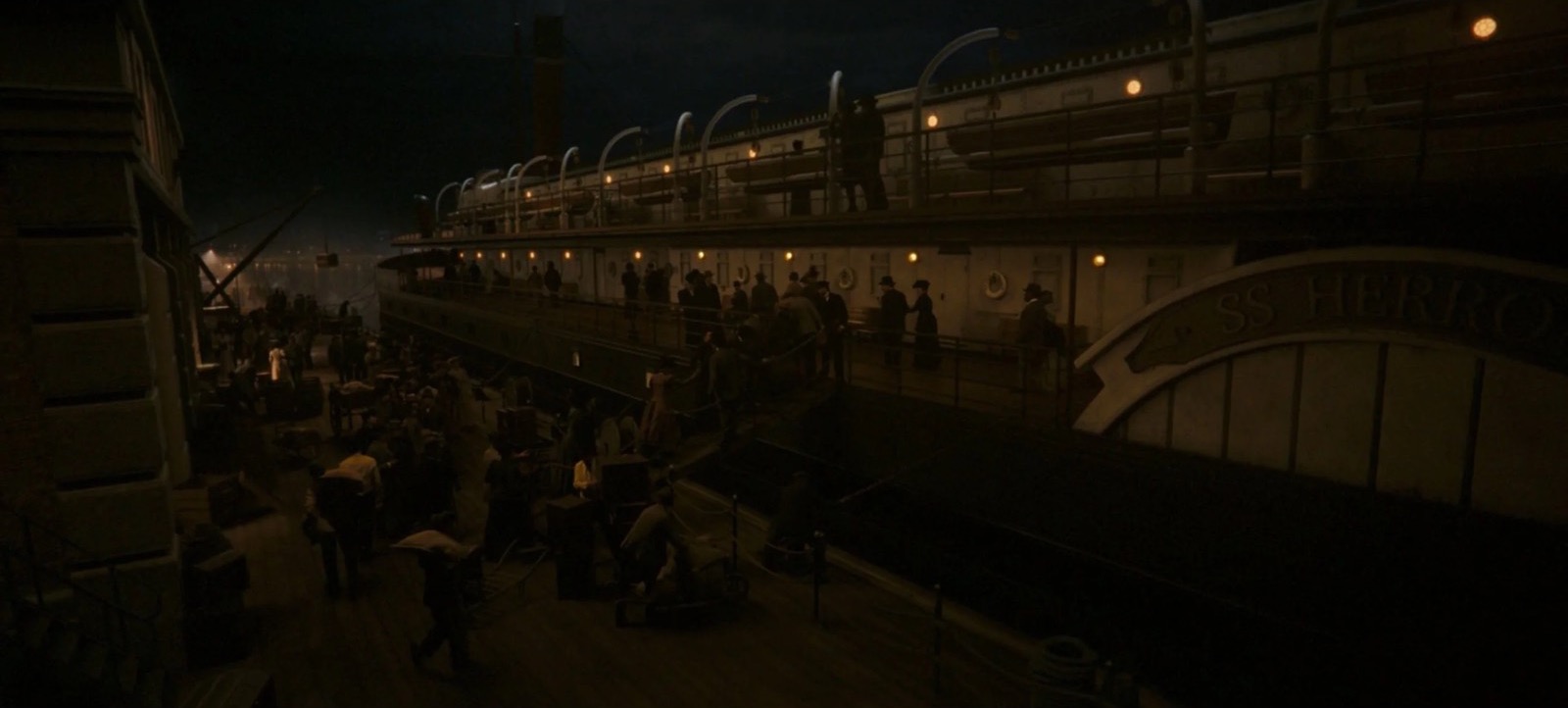
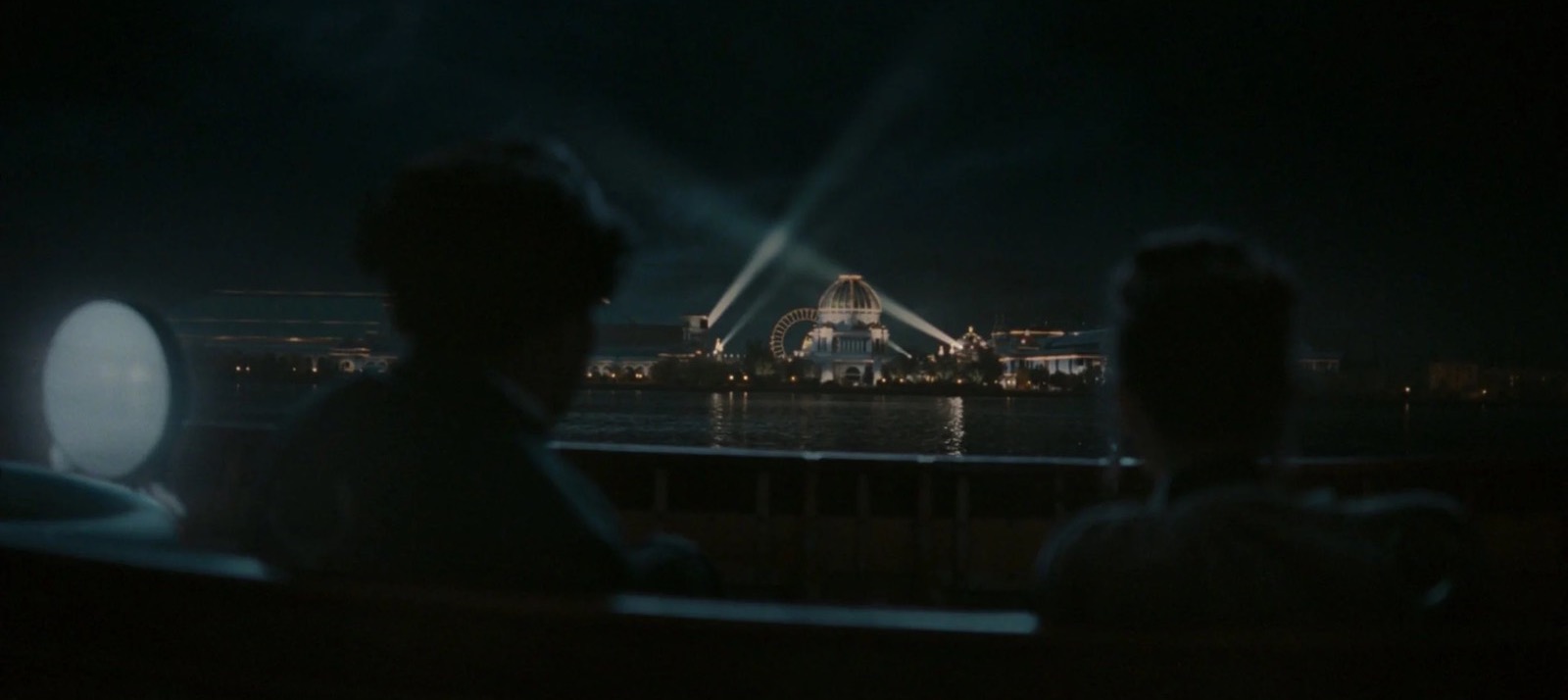
Directing my own sets changed how I built them. In my design work I try to make sets that suggest their own camera angles, that show the director and cinematographer how they want to be shot. On this episode I got to guarantee they would be shot that way. The Hofbräu, Timely’s apartment and the mannequin-factory lab were all built as fully intact 360-degree sets, so Isaac and I could shoot wide without leaning on set extensions.
The Citadel
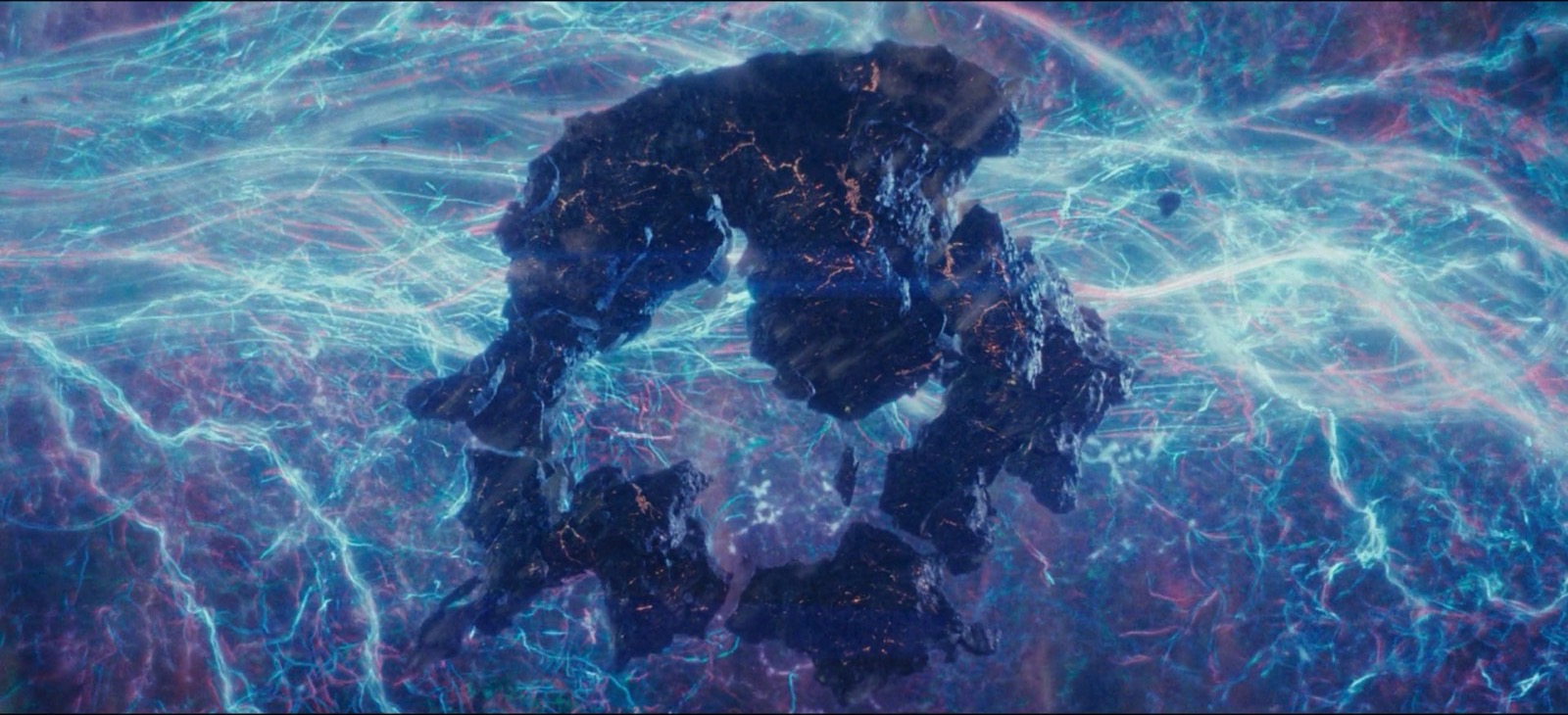
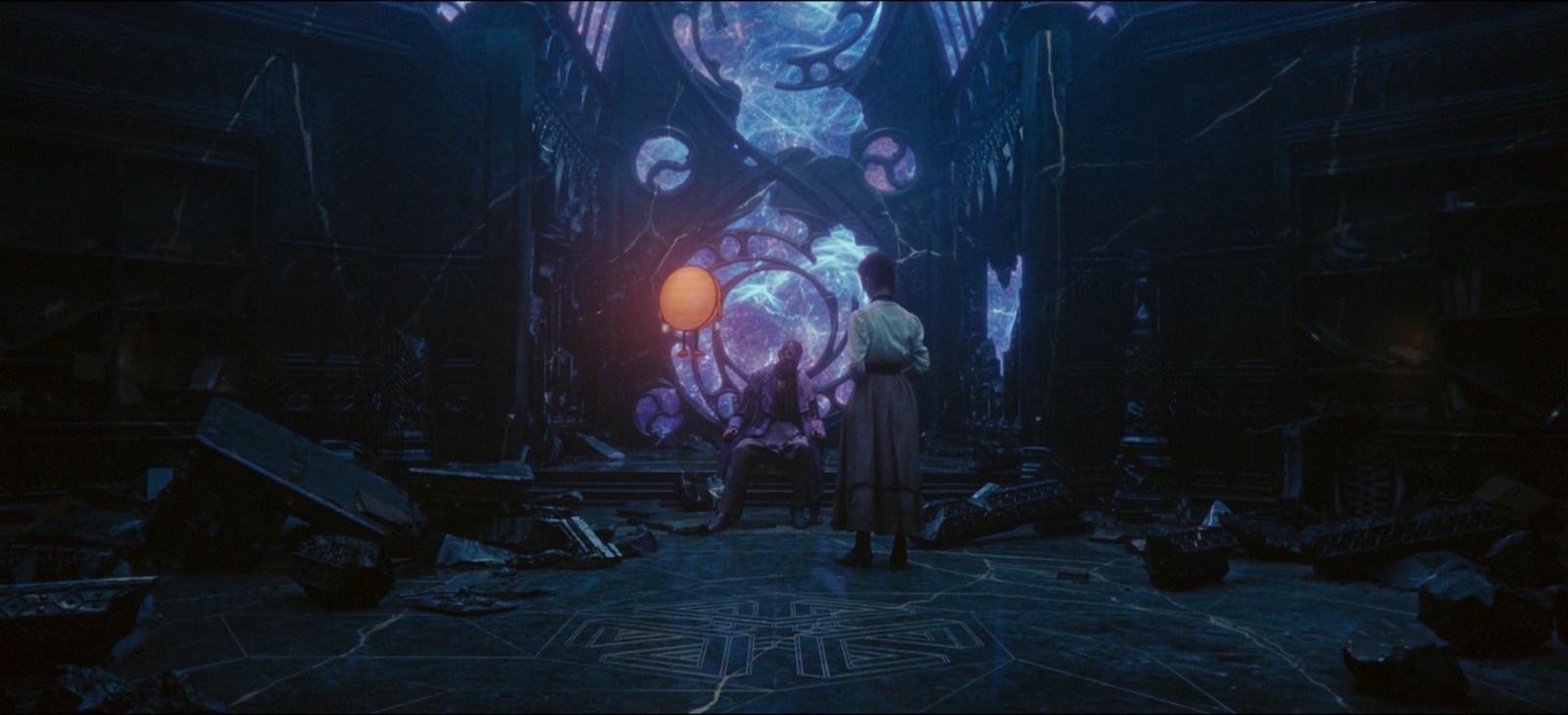
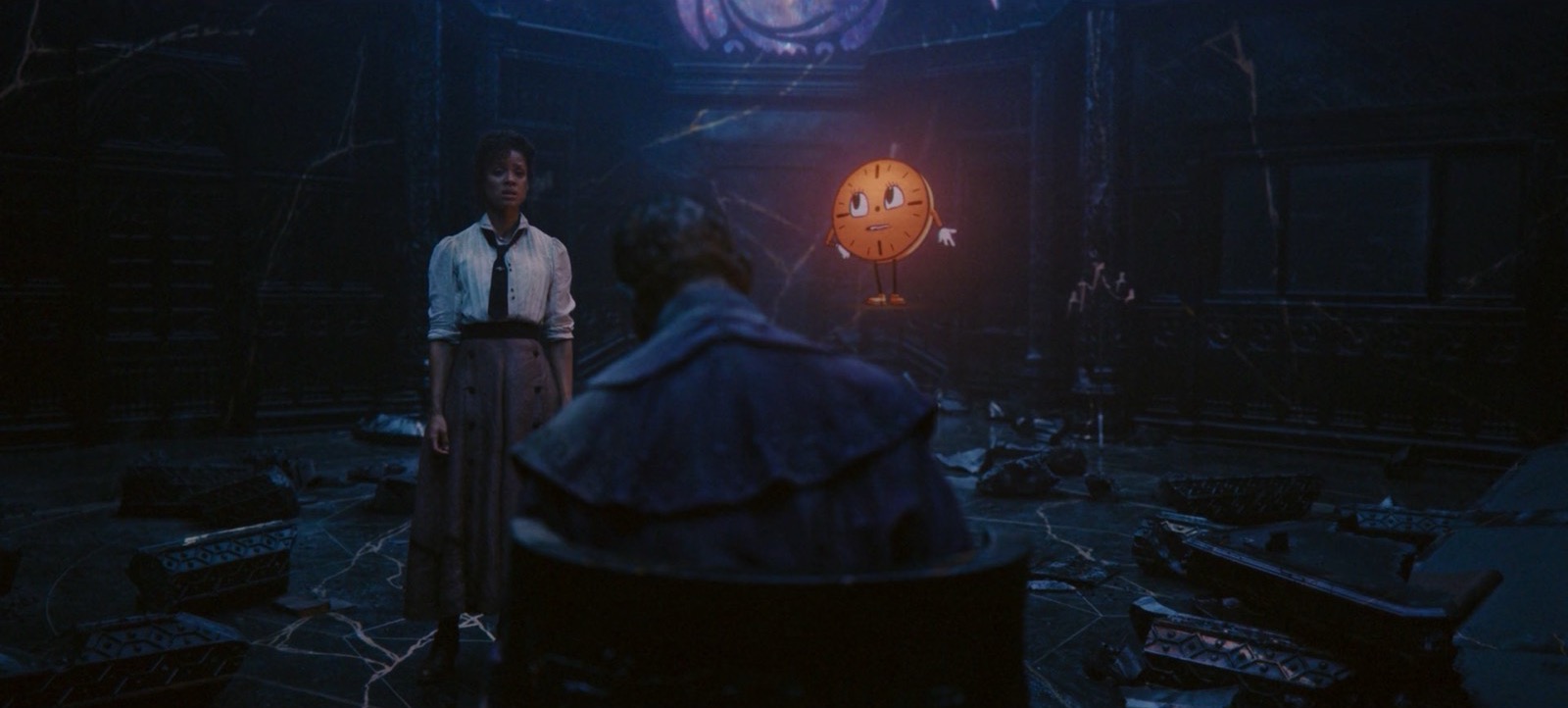
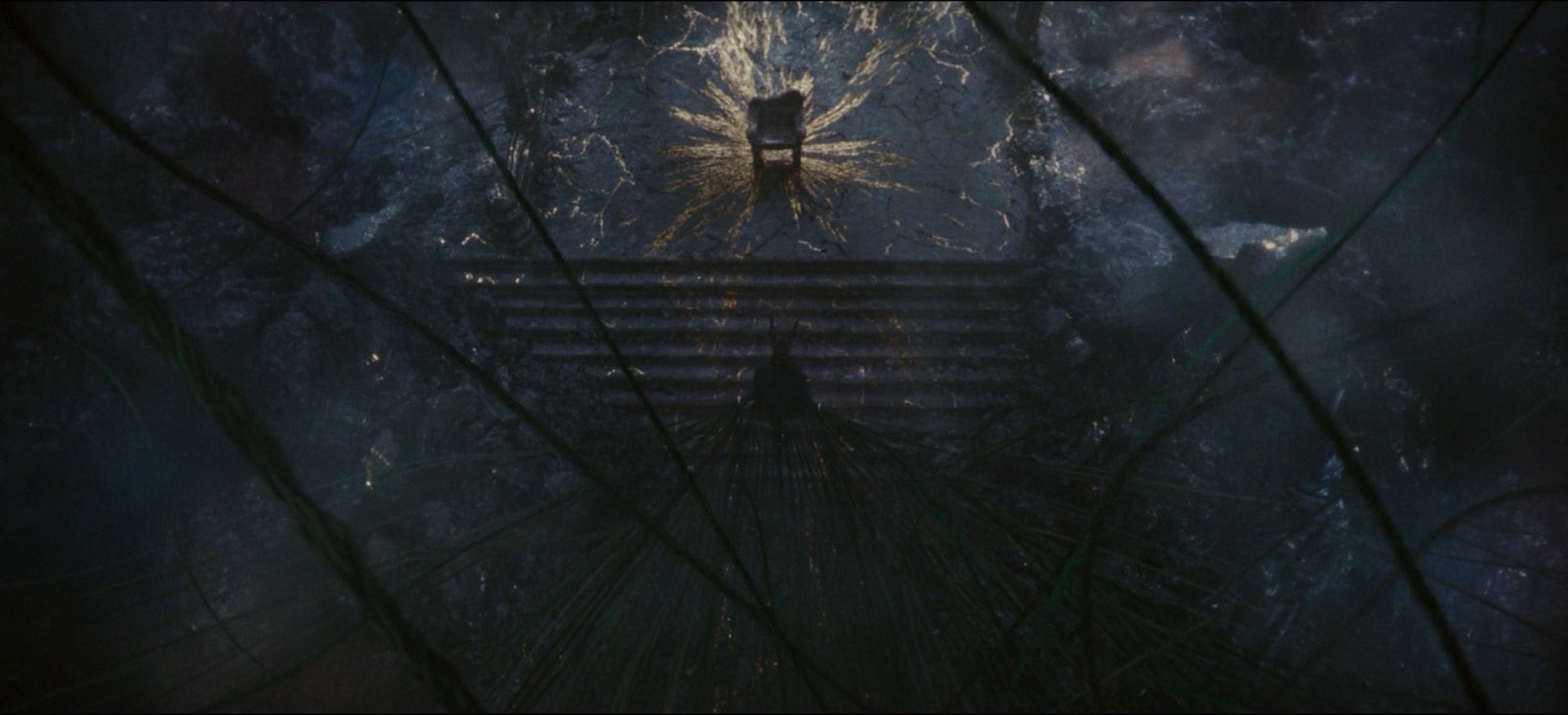
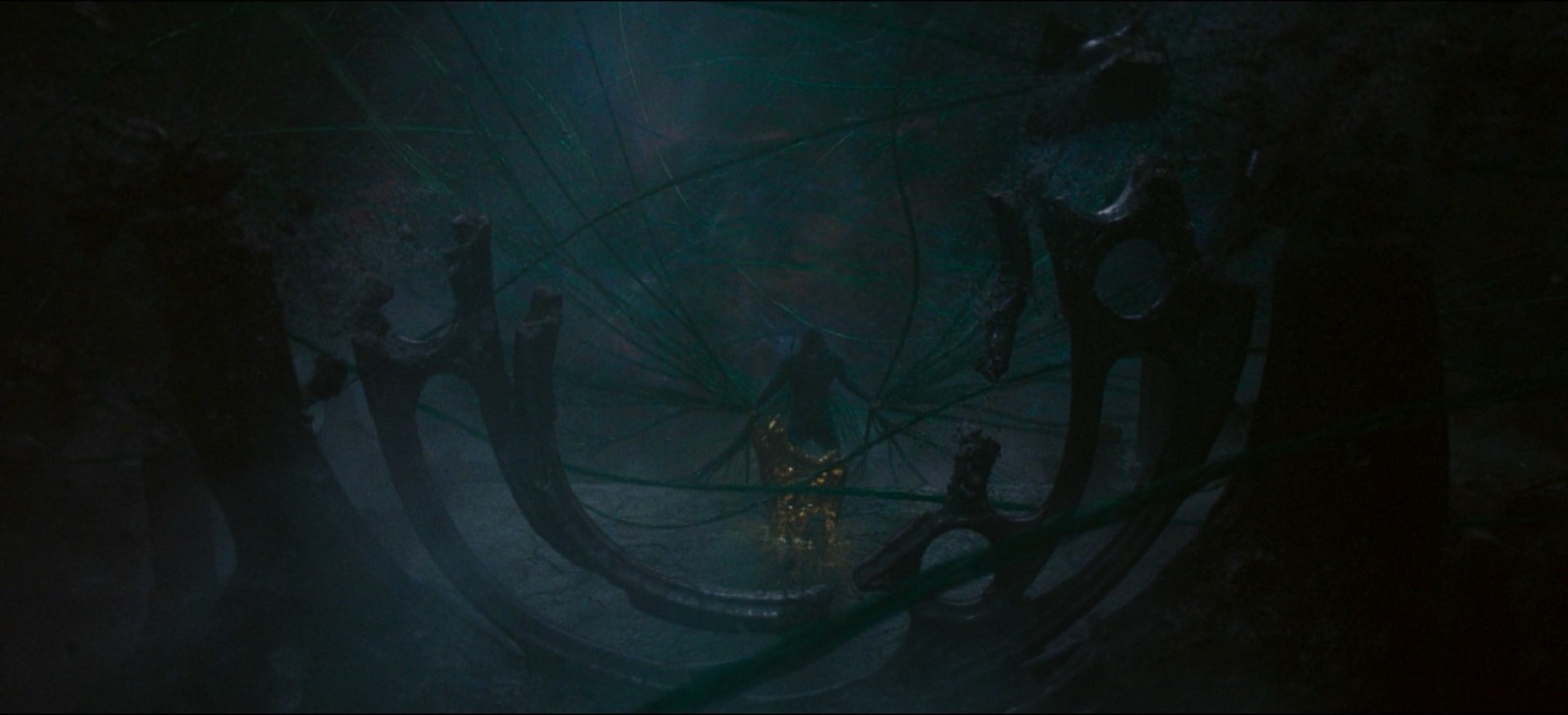
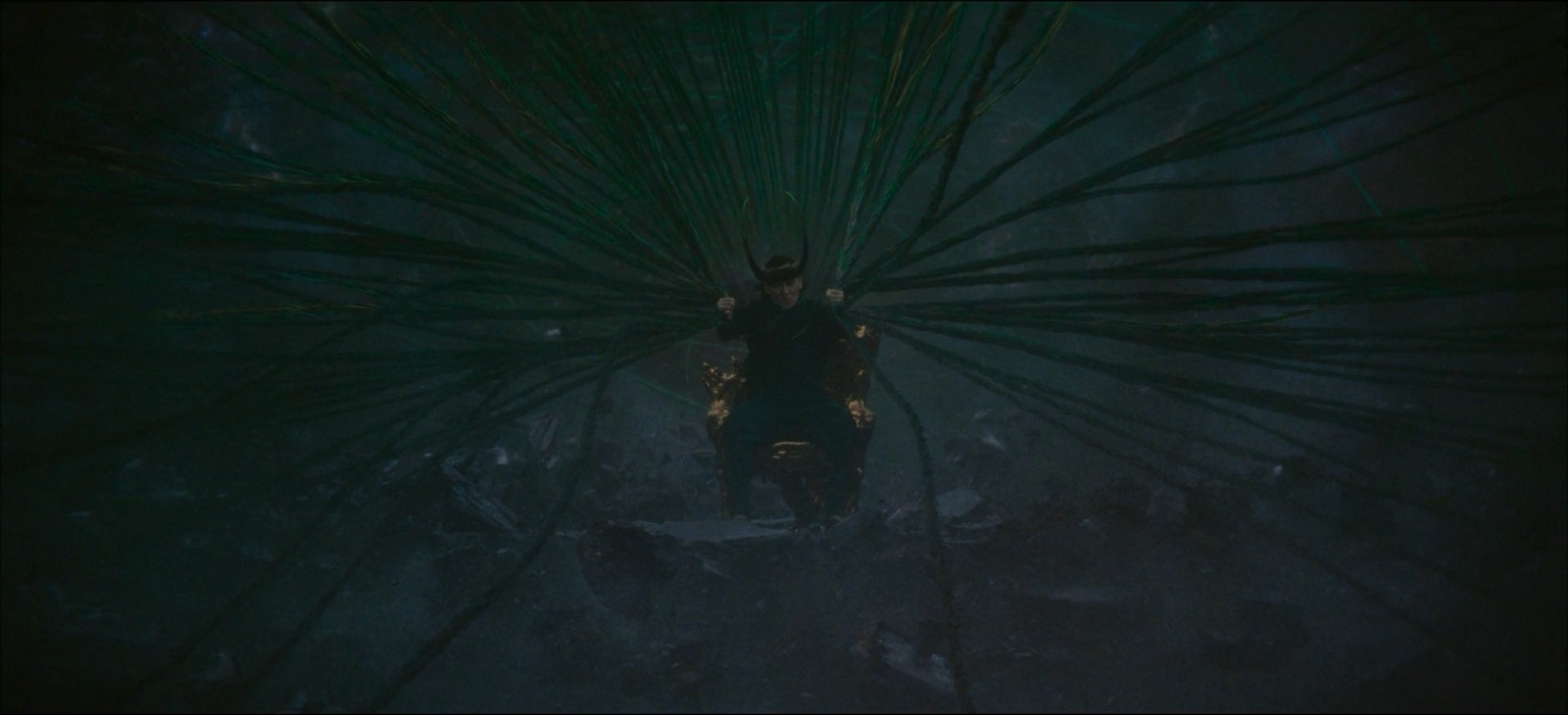
The Citadel at the End of Time came back. In Season One it grew out of the comics’ image of a sci-fi castle on an asteroid, which we pushed into a building not placed on the rock but carved from it, like Petra in Jordan. For Season Two we had saved the set and shipped it from Atlanta to London. When you see the Citadel in “1893,” it’s in ruins, which took a lot of work to bring about. Isaac also rethought how it was lit: the saturated, shifting colored light of the first season gave way to firelight, so the room reads warmer and more intimate at the season’s end.
Some things were settled in Season One and never questioned again. We build nearly everything practically: fully 360-degree sets, ceilings included, with the lighting integrated. The studio wasn’t sure about that at first, because it hadn’t done much of it, and I hope it changes how things are photographed beyond our show. And in the art department we still invent micro-narratives for every place—who built it, who uses it, what went wrong there—because that is what makes an environment specific and fully realized instead of generic.
Images © Marvel Studios. All rights reserved.