When I first sat down with director Matt Shakman to talk about Fantastic Four: First Steps, it was clear we weren’t simply making a superhero film. We were designing a civilization. The conceptual brief was clear: What if the retro-futuristic dreams of the 1950s and 60s had actually come to pass? And more specifically: What if that future had a central author—Reed Richards? The story required an alternate American mid-century that looked familiar at a glance but quickly revealed that history had split at a crucial moment. That moment was the birth of Reed Richards.
Assuming Reed was born around 1930, by 1950, his influence begins to alter the trajectory of the built world. In this timeline, the jet age and the technological futurism that in our world mostly lived on the covers of Popular Science and comic books, become reality. It isn’t an imagined future; it’s the architecture of daily life. Everything built before 1950 would be the same as in our timeline; the Victorian era, Art Deco, the Streamline era, but anything constructed post-1950 begins to reflect a world in which the powerful thinking of Reed Richards, Mr. Fantastic, is at play.
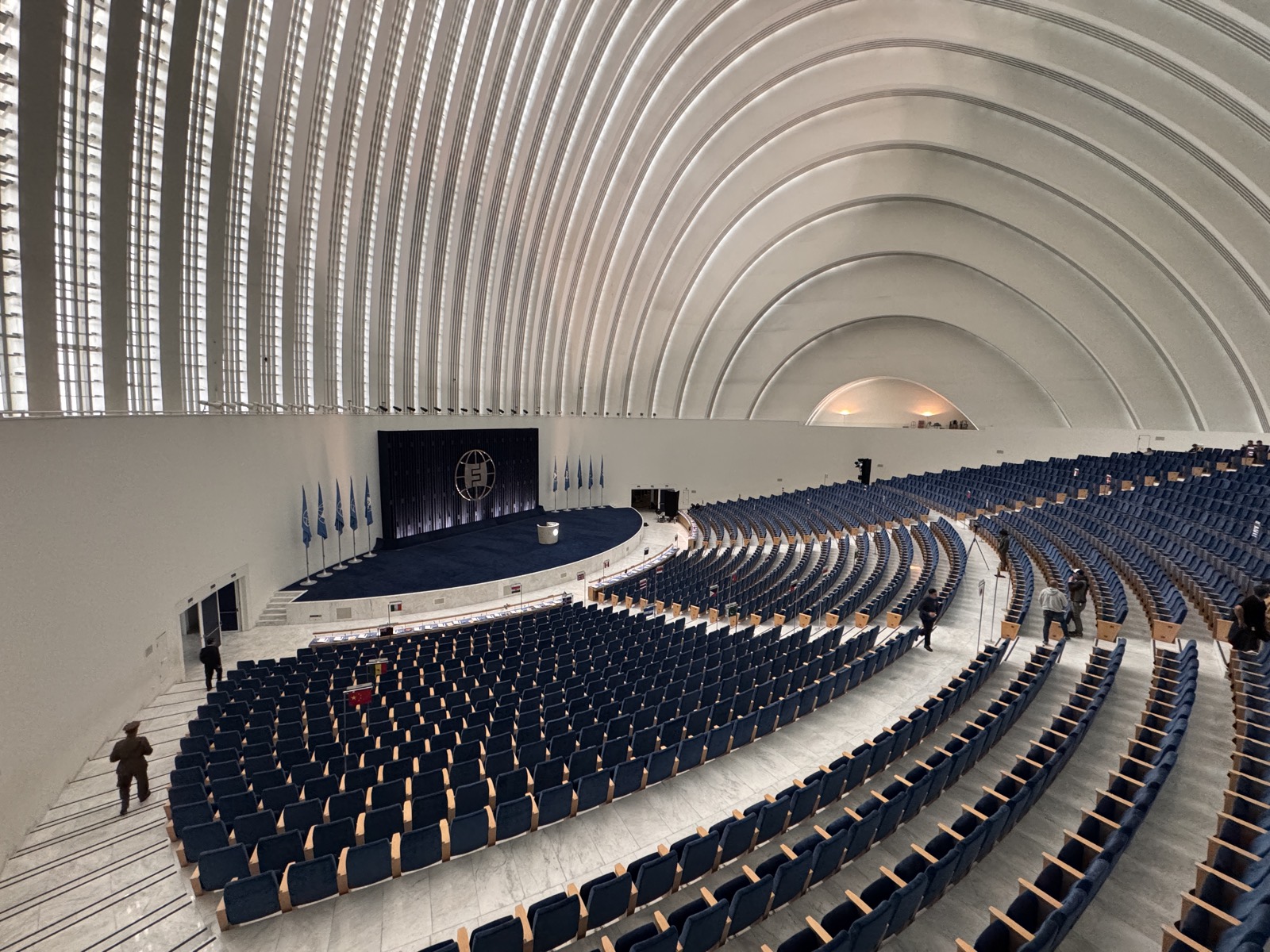
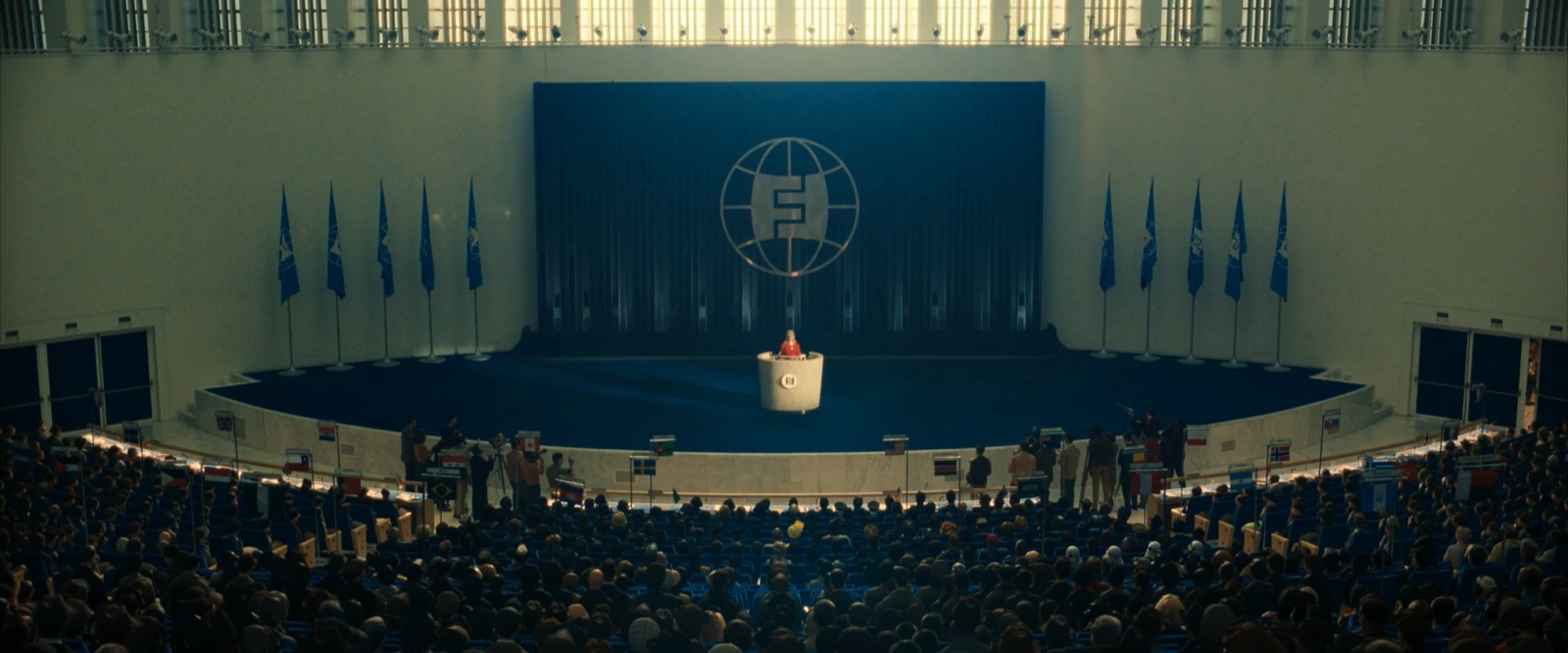
To give that idea a visual language, we leaned heavily into two architectural giants of the mid-century: Oscar Niemeyer and Eero Saarinen. Niemeyer’s Cathedral of Brasília and his Alvorada Palace, along with Saarinen’s TWA Terminal at JFK and the main terminal at Dulles, became the tonal foundation for Reed’s influence. Those buildings share a remarkable quality: their curves accelerate. They don’t feel like arcs carved from a circle. They feel parabolic—imbued with motion, aspiration, and uplift. These shapes became Reed’s fingerprints across the cityscape.
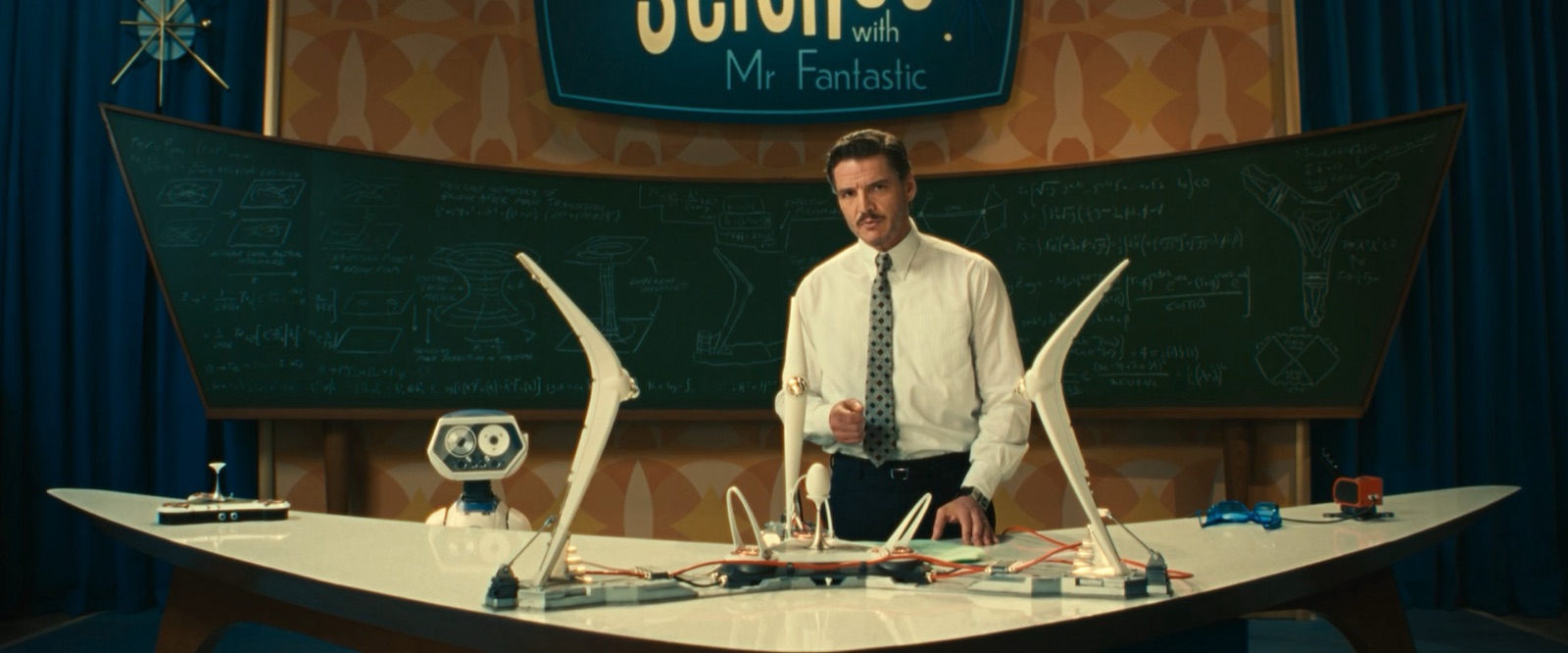
Matt and I were also aligned on how the world needed to be built. He wanted the movie to feel as though it could plausibly have been made in the 1960s—shot largely on real sets, with practical lights and textures. For a film about a man whose ideas reshape reality, that reality needed to be tangible. Physical environments don’t just help actors; they change the emotional temperature of the entire film. The light behaves differently. The air behaves differently. The camera behaves differently. Once this philosophy was clear, my chief collaborators, supervising art director Nick Gottschalk and set decorator Jille Azis, and I put our heads together to devise an approach.
We weren’t simply making a superhero film. We were designing a civilization.
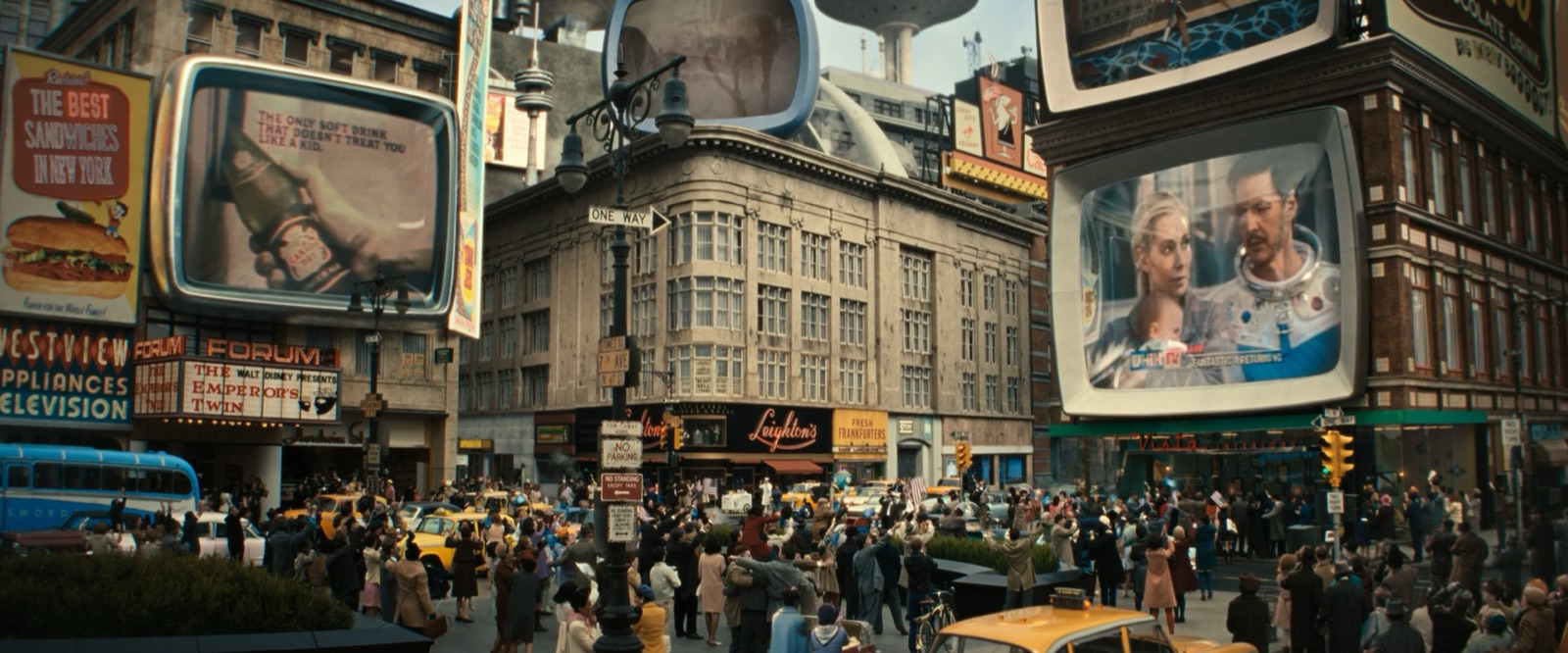
Times Square
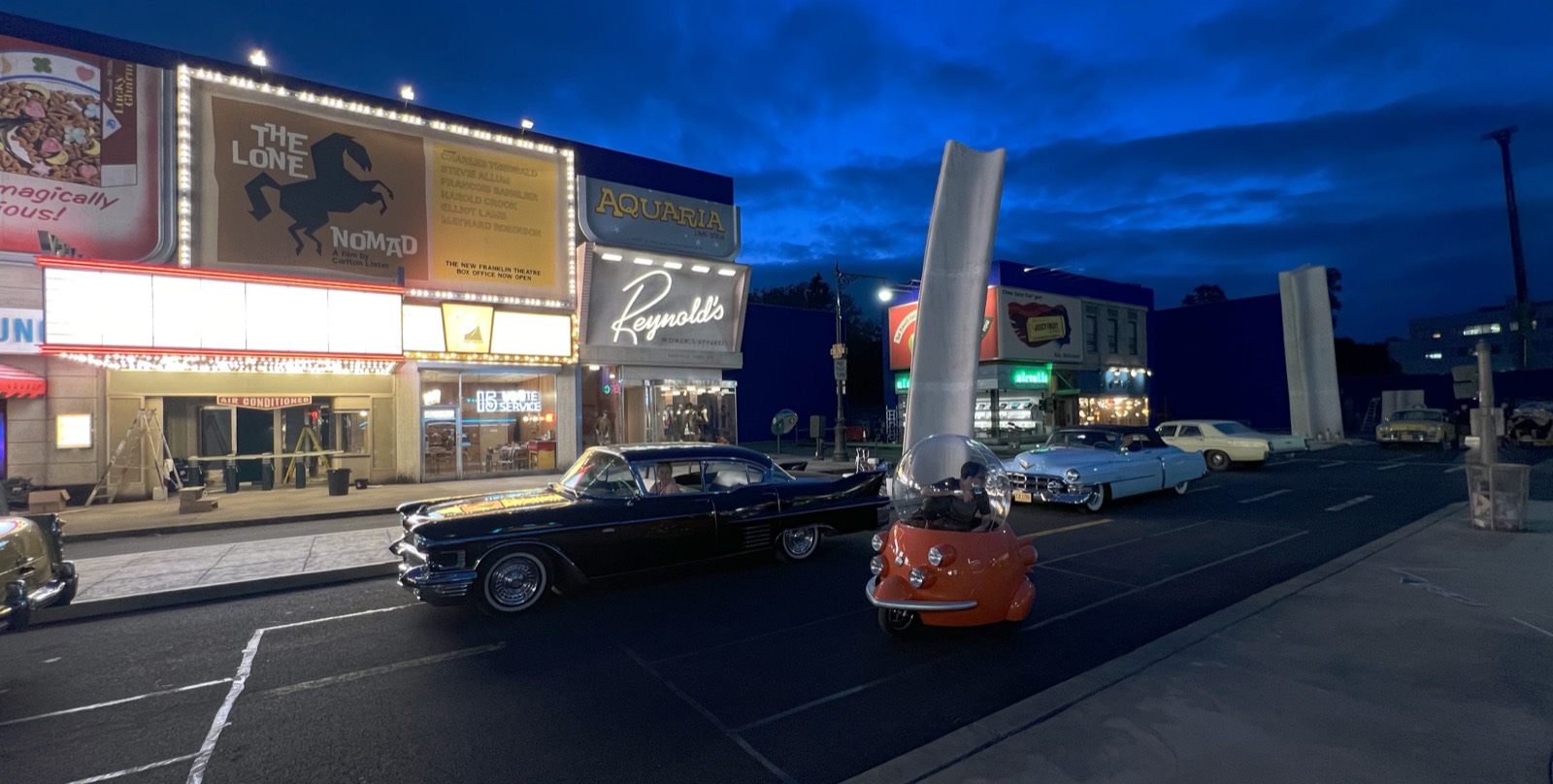
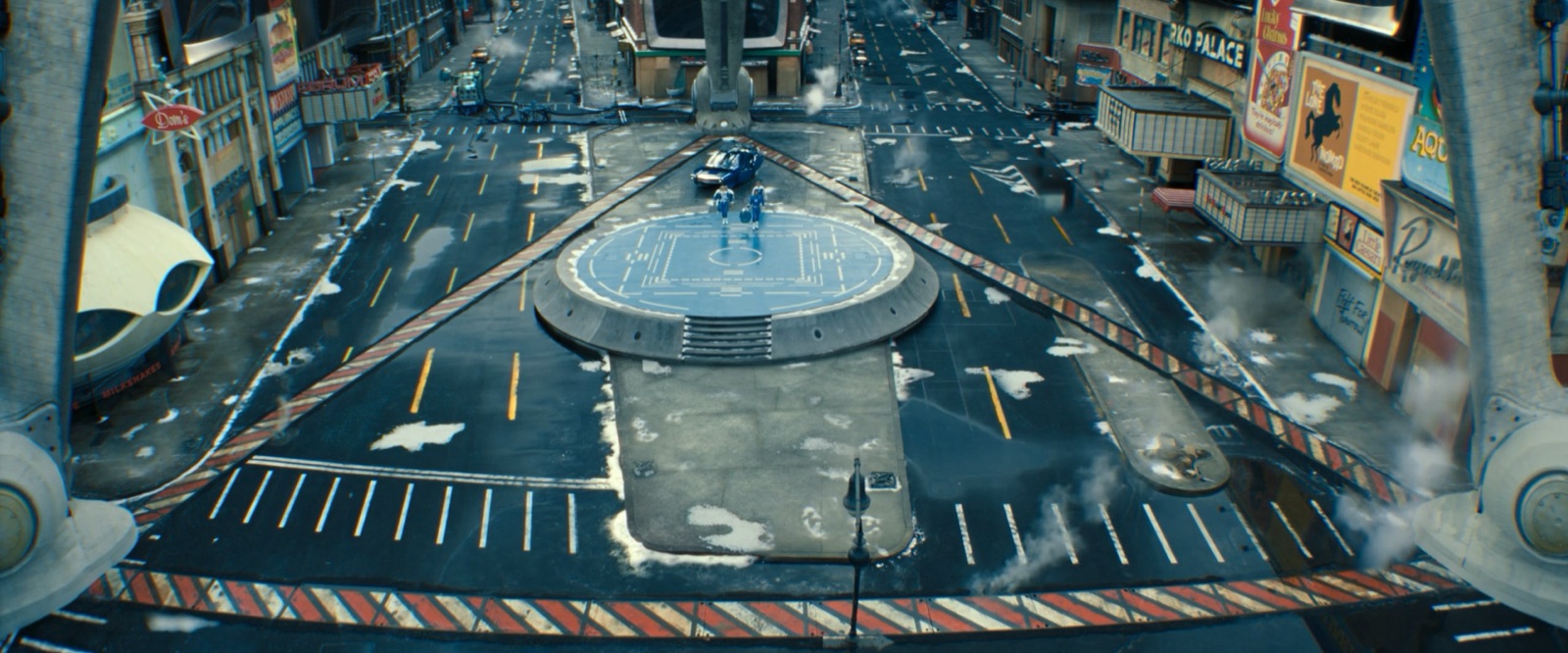
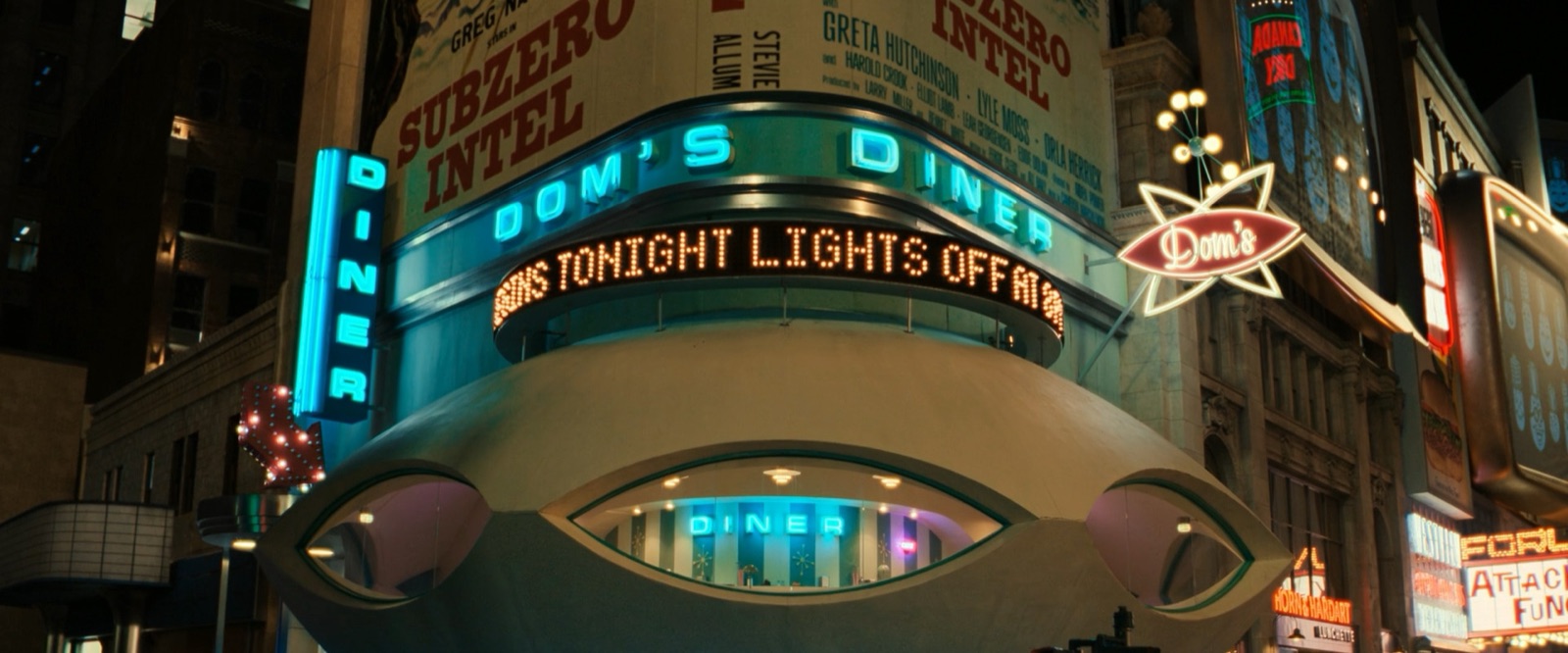
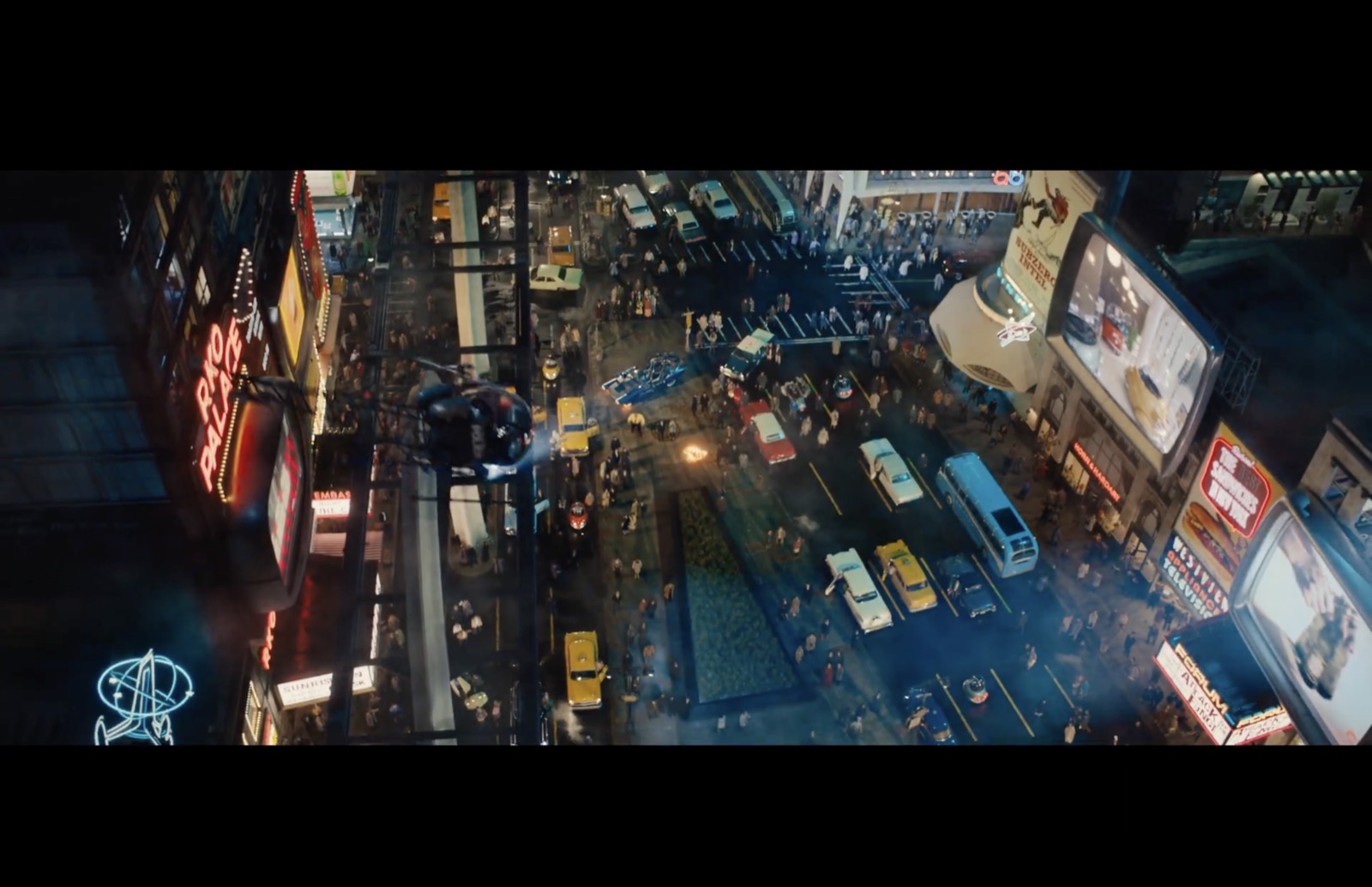
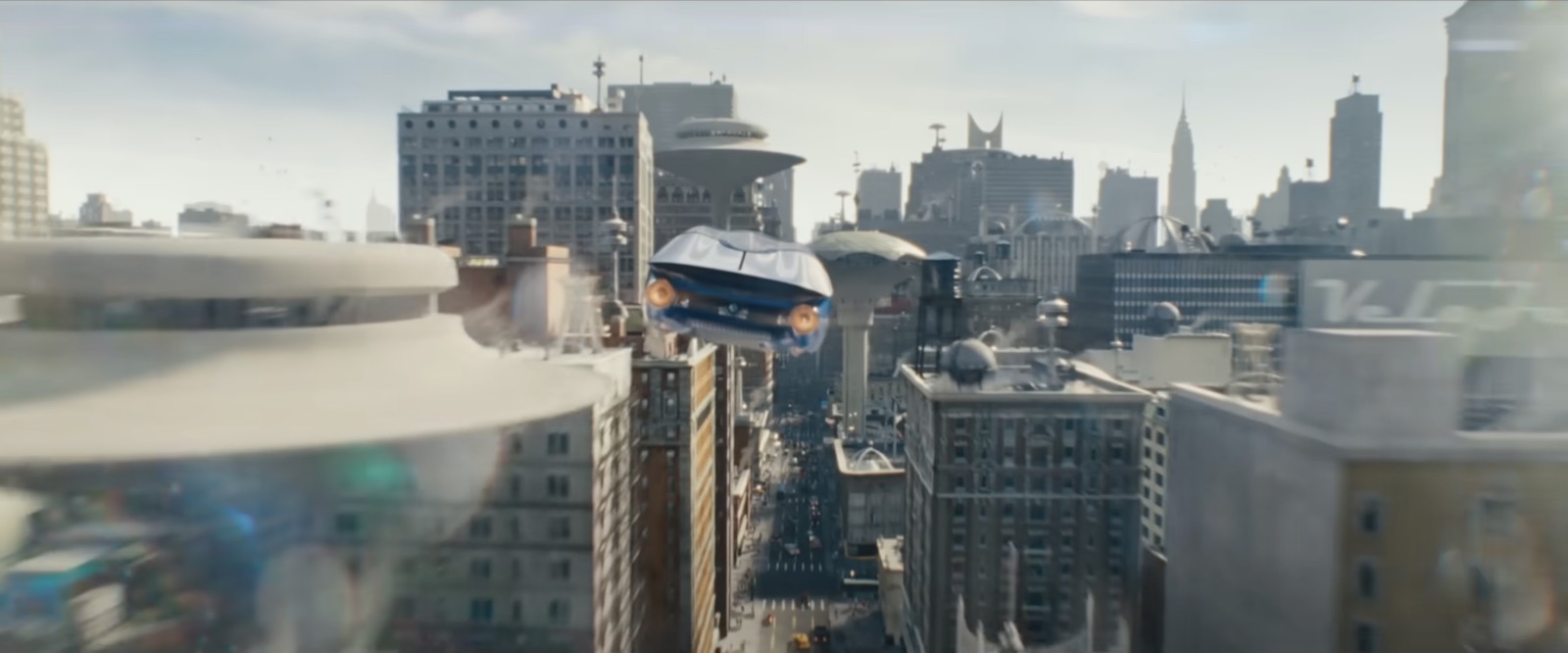
Times Square was our first major test. It needed to tell the audience everything in seconds: you know this New York, but from your dreams, not your memories. We set ourselves a ratio that governed the skyline: two-thirds period-accurate 1960s Manhattan, one-third Reed-influenced retro-future. Through extraordinary illustrations by Joe Studzinski, we vetted this ratio and found the most impactful arrangements of old and new.
You know this New York, but from your dreams, not your memories.
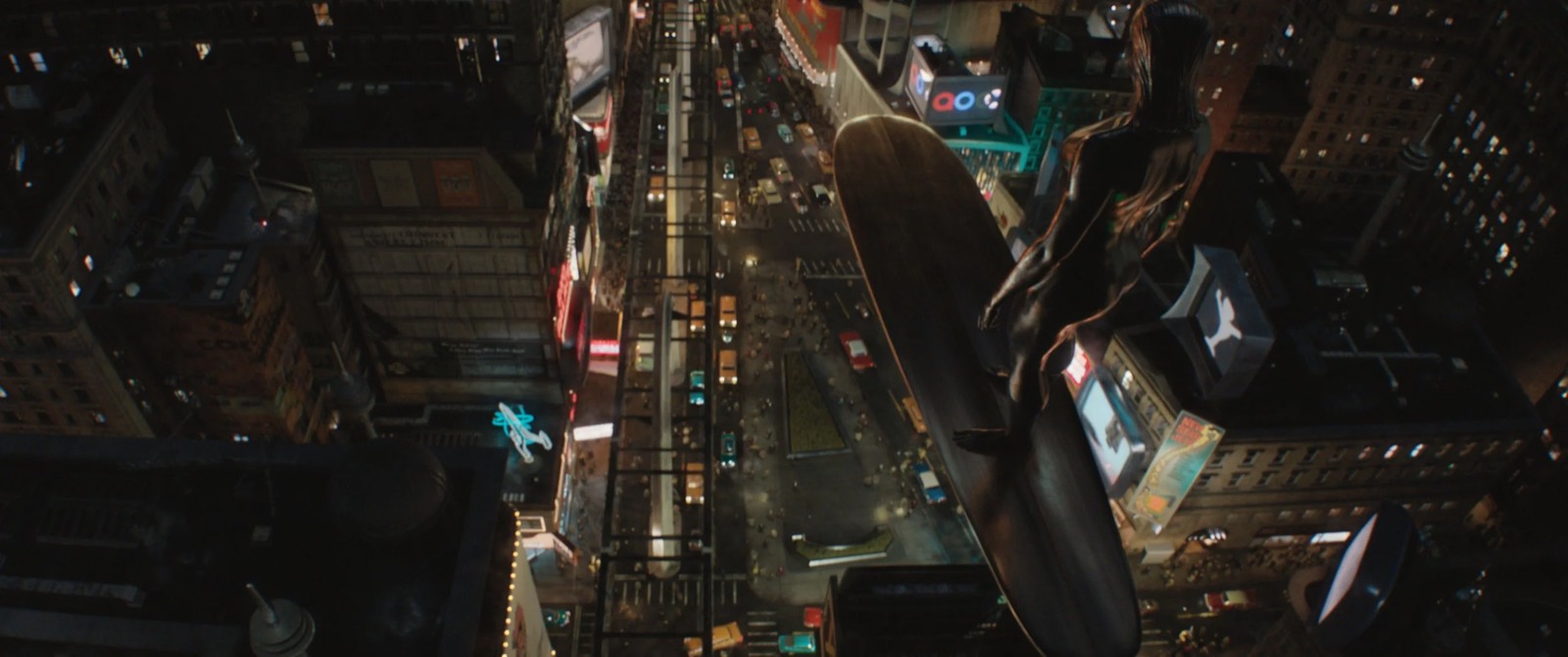
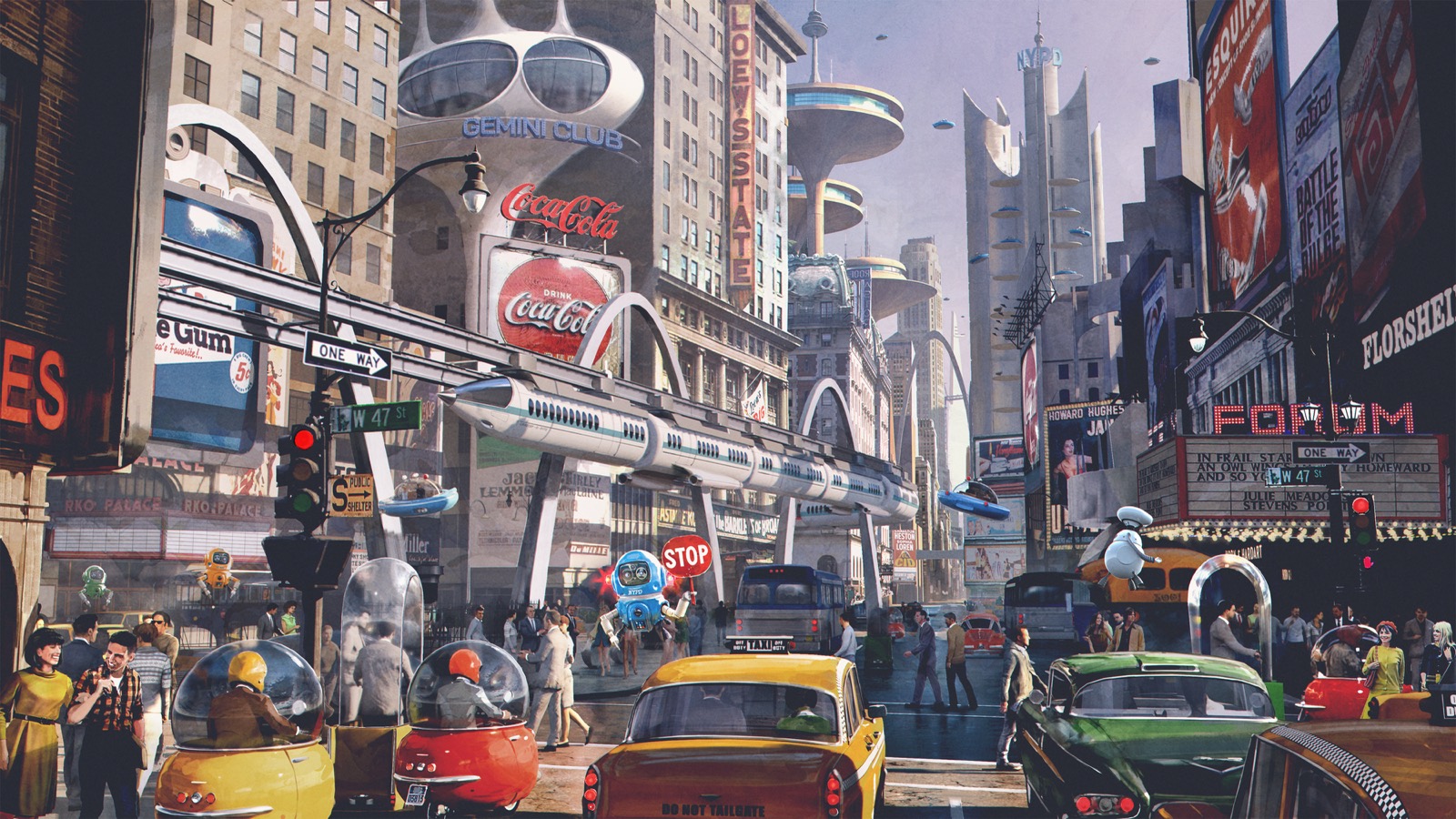
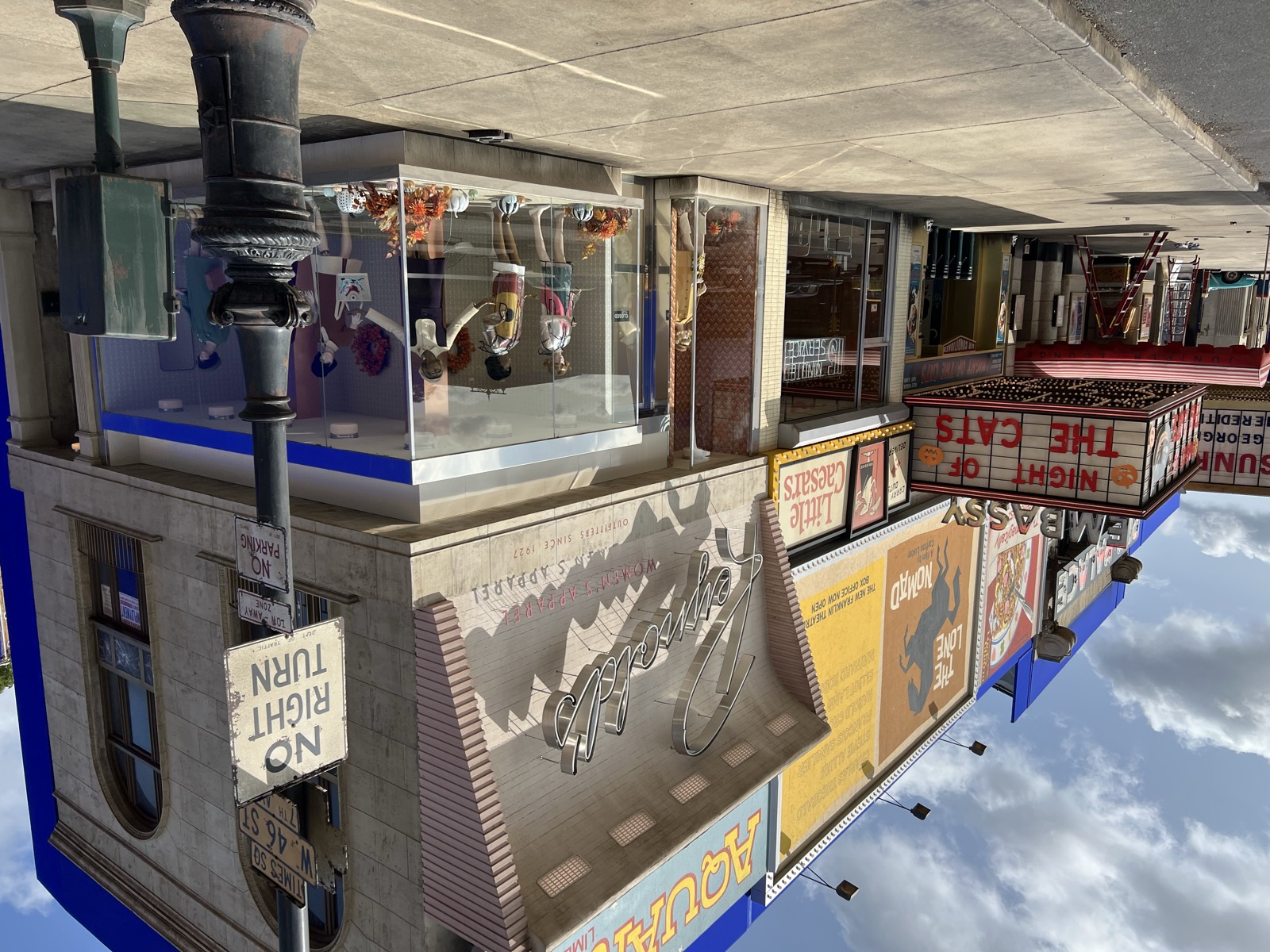
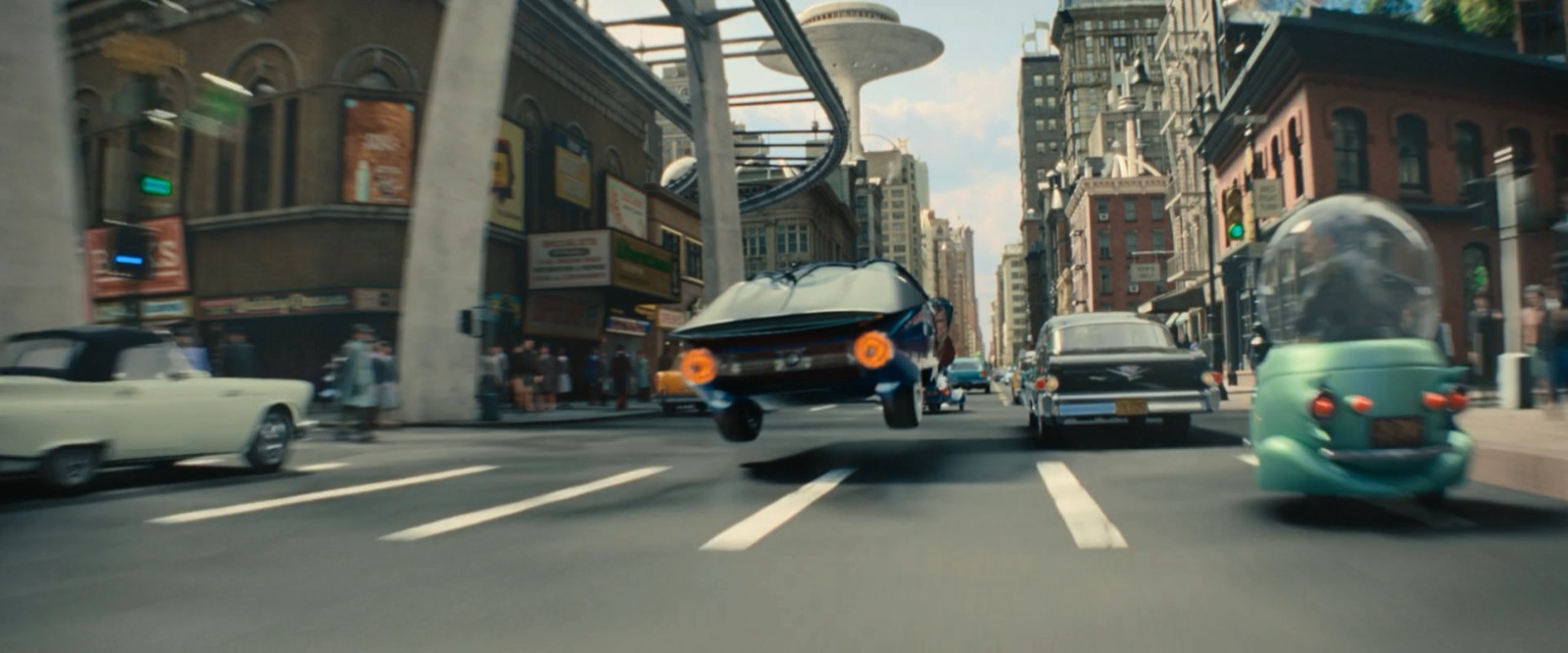
Times Square’s anchors remained the same: the RKO Palace Theatre, the Horn & Hardart automat, the Forum Theatre. Those rooted us firmly in a recognizable city. But threaded through them were the new shapes—Dom’s Diner, a saucer-like eatery hovering over the sidewalk; a redesigned ABC building inspired by the sculptural optimism of the 1964 World’s Fair; and overhead, a streamlined monorail zipped through the square on massive parabolic supports that echo Niemeyer’s monumental curves.
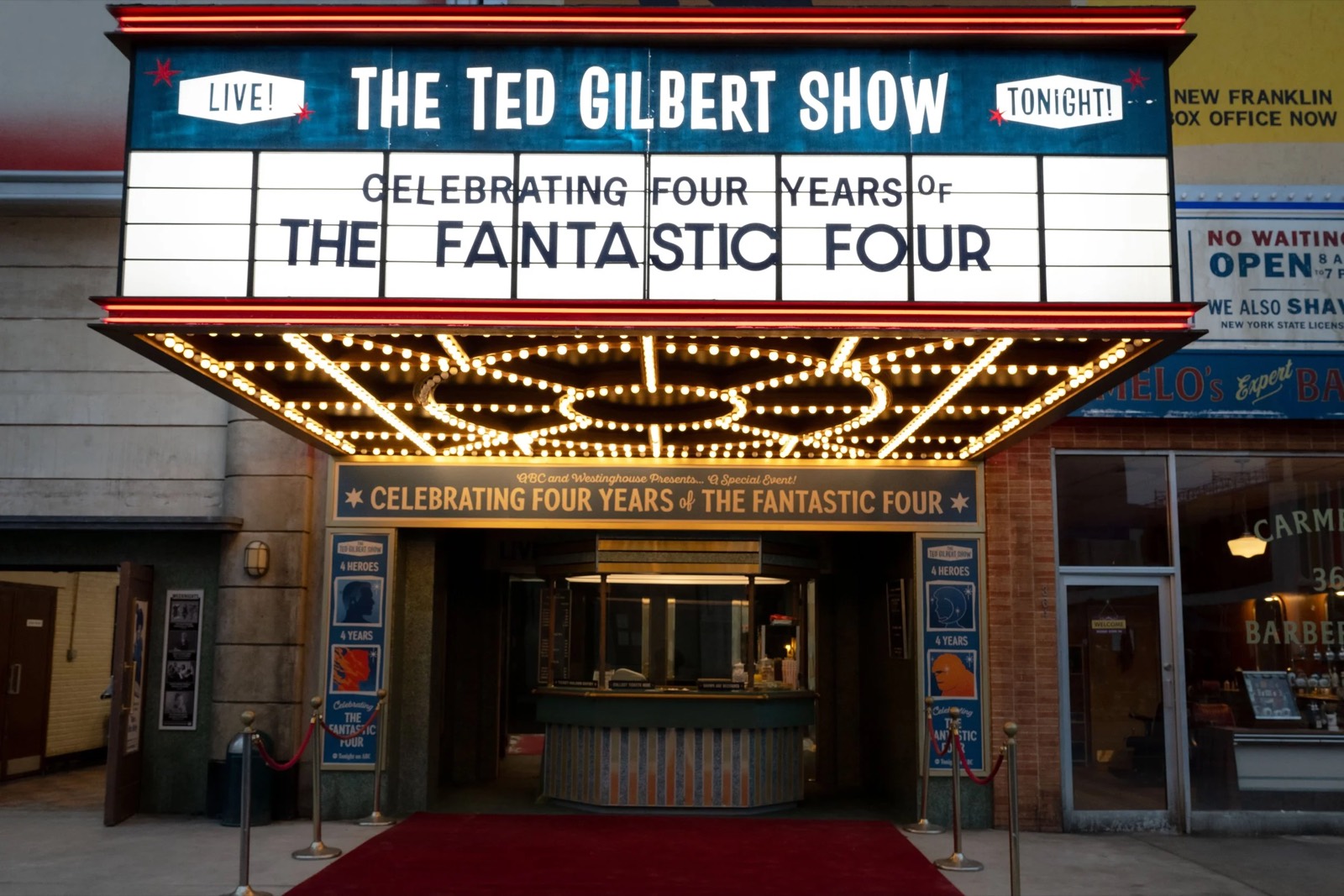
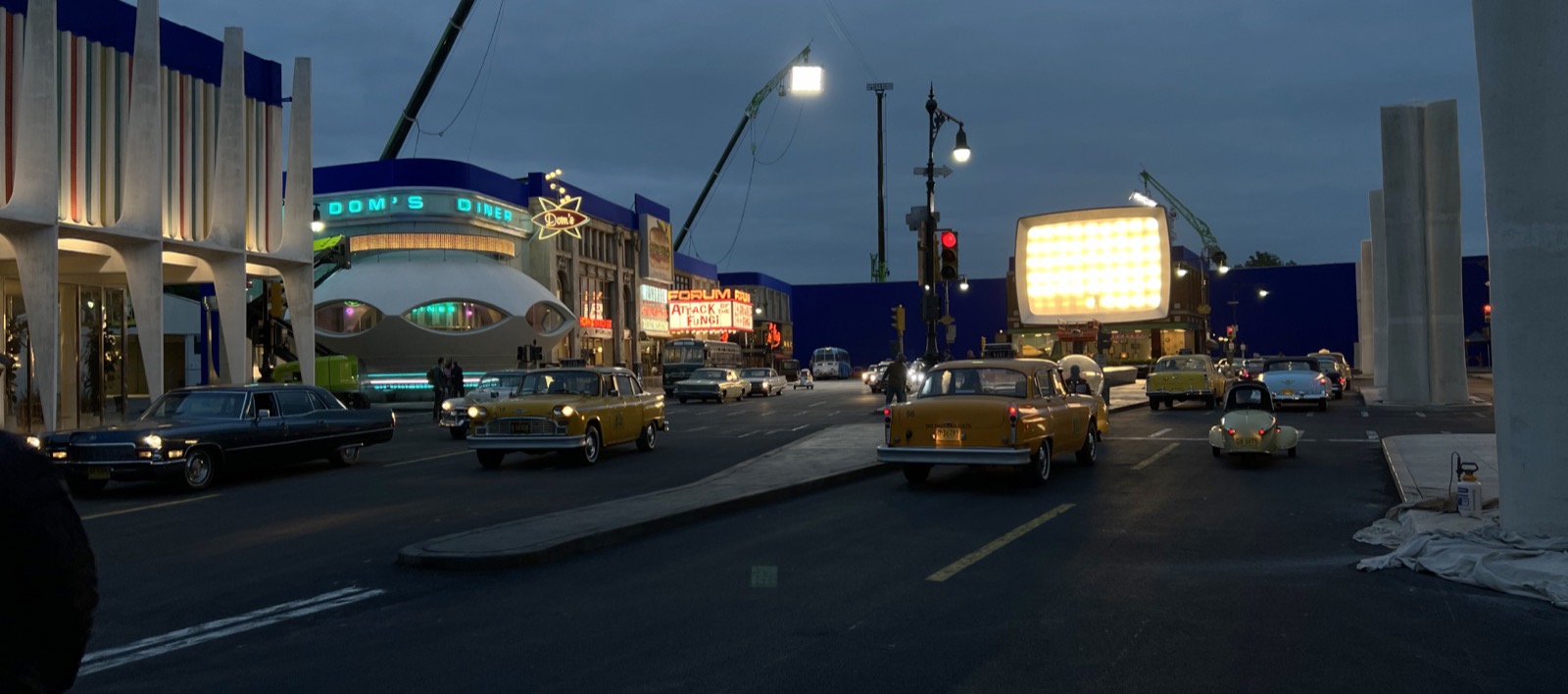
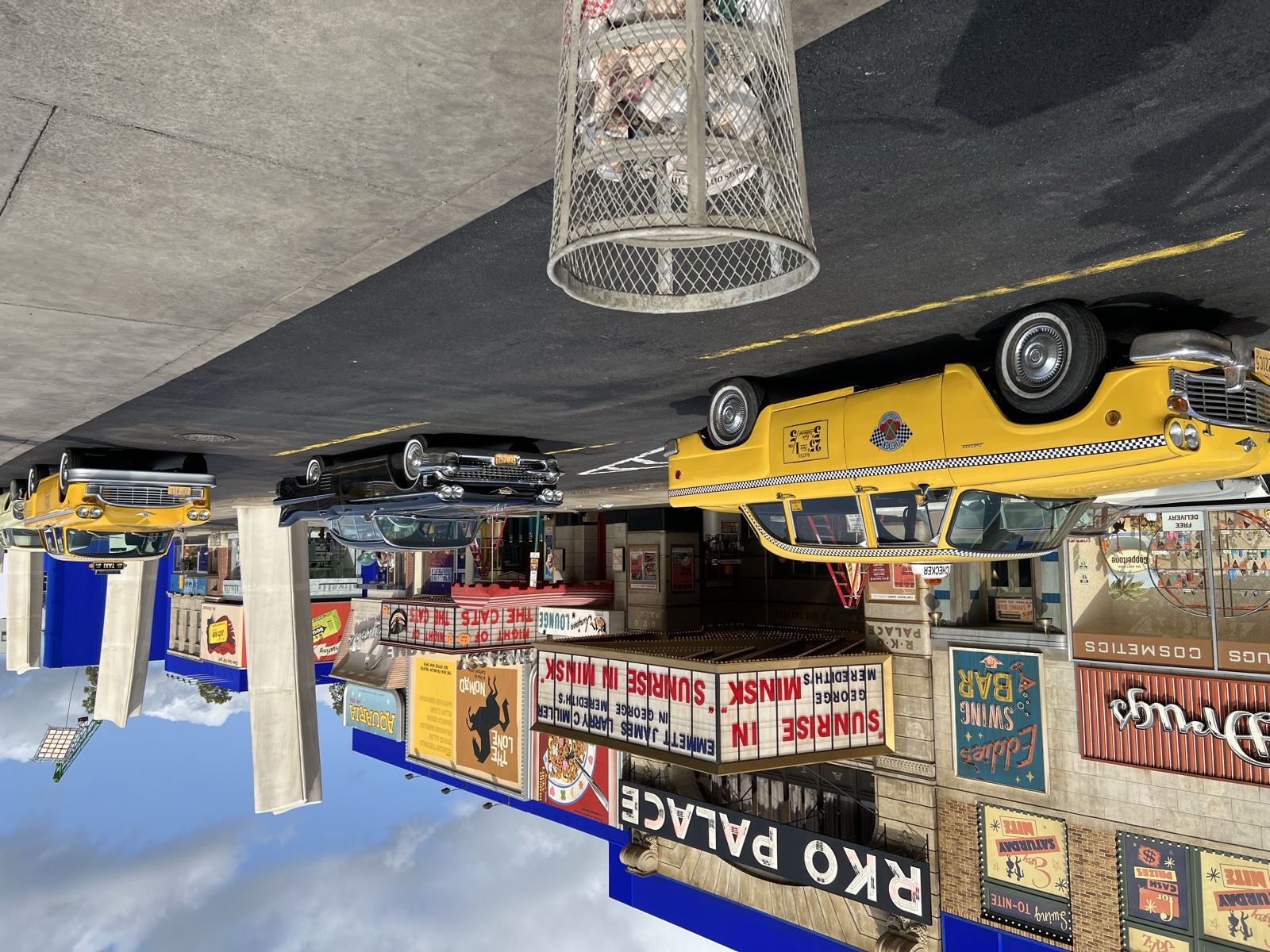
Set photography
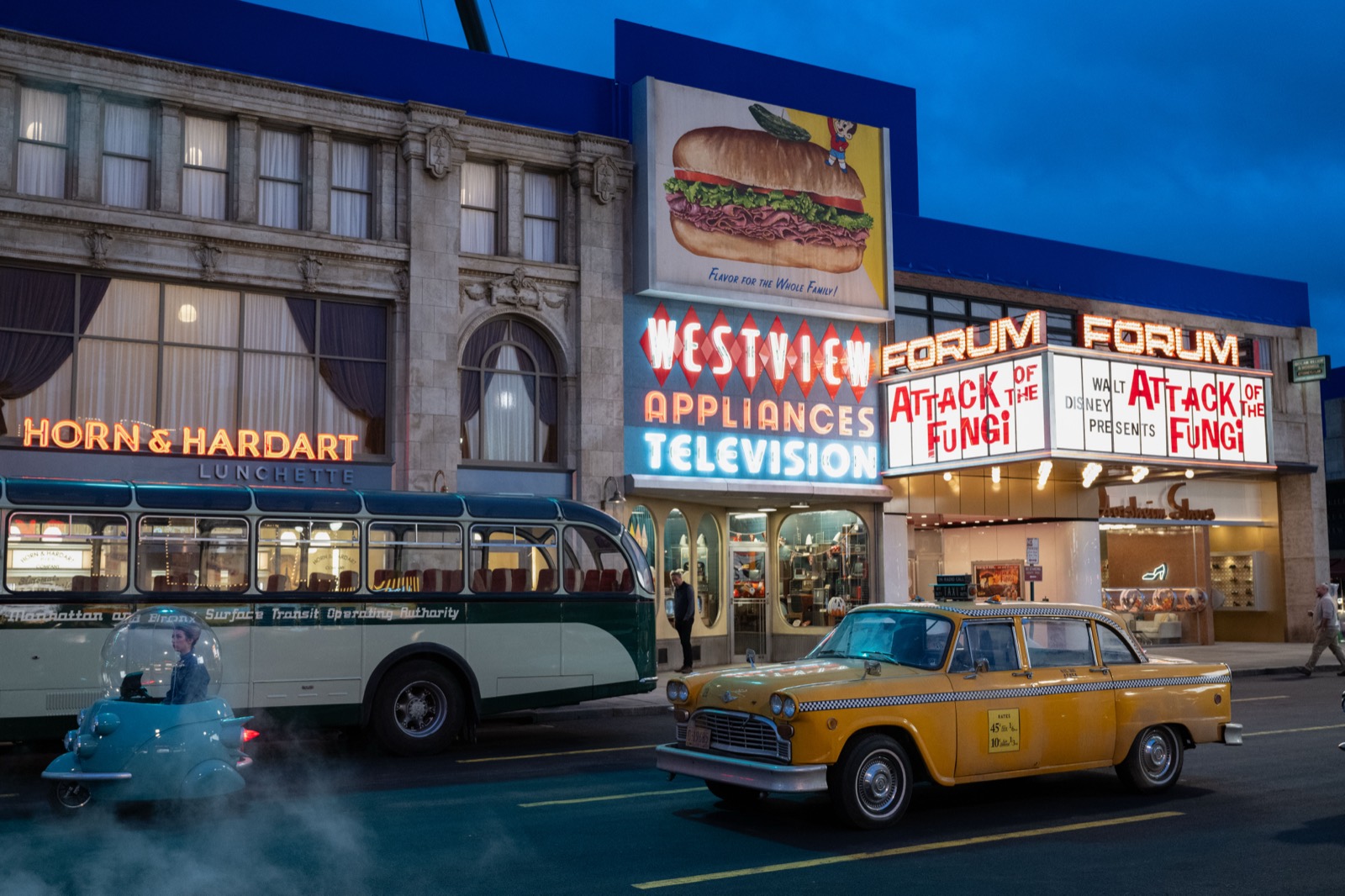
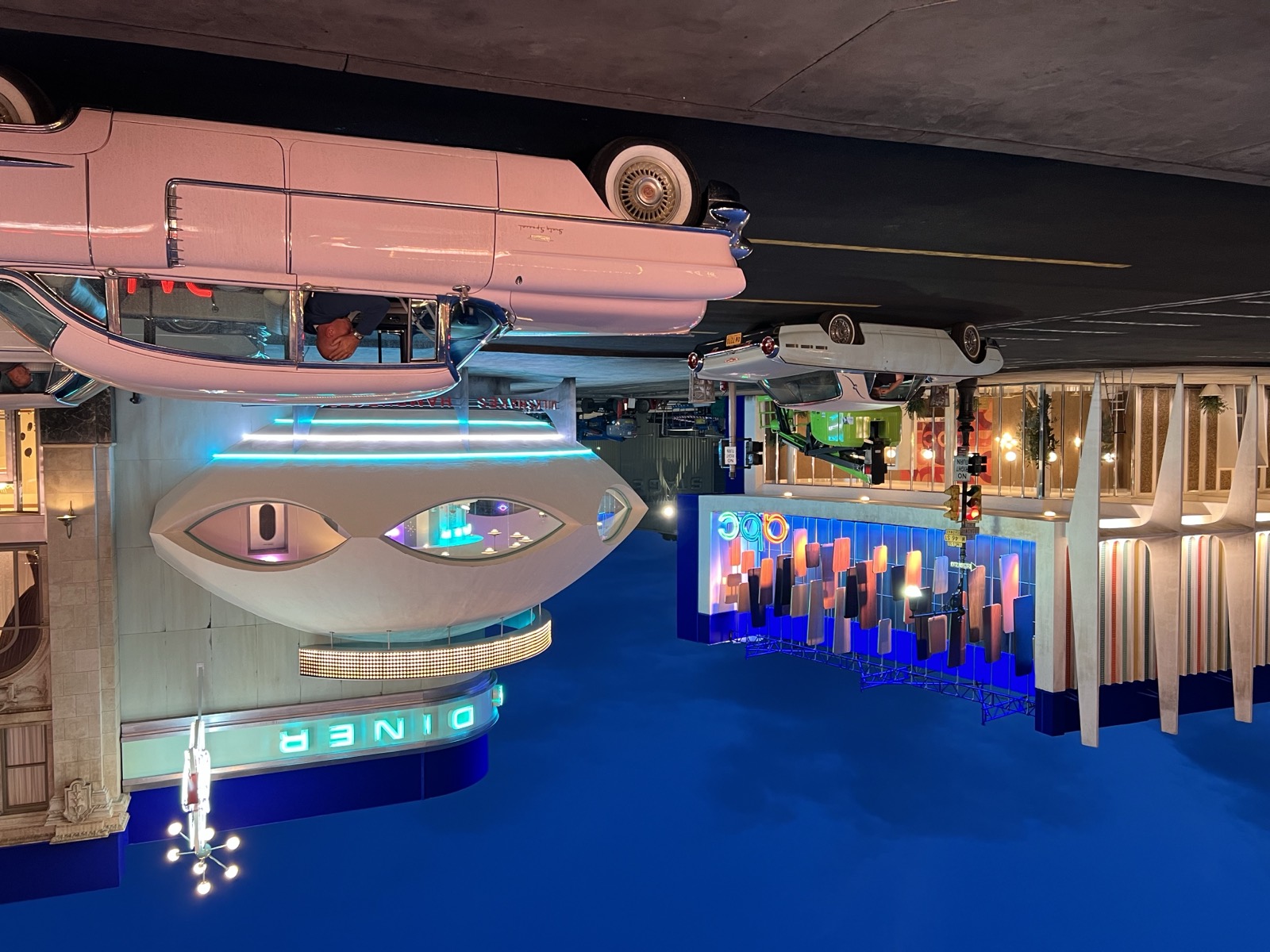
Set photography
On the streets below, classic checker cabs drove beside custom-fabricated, bubble-domed single-seater pods and chrome-winged land yachts. The mid-century hatted silhouettes of pedestrians mixed with those of little hovering robots, walking dogs, and directing traffic. The whole environment had to feel simultaneously nostalgic and wondrously impossible.
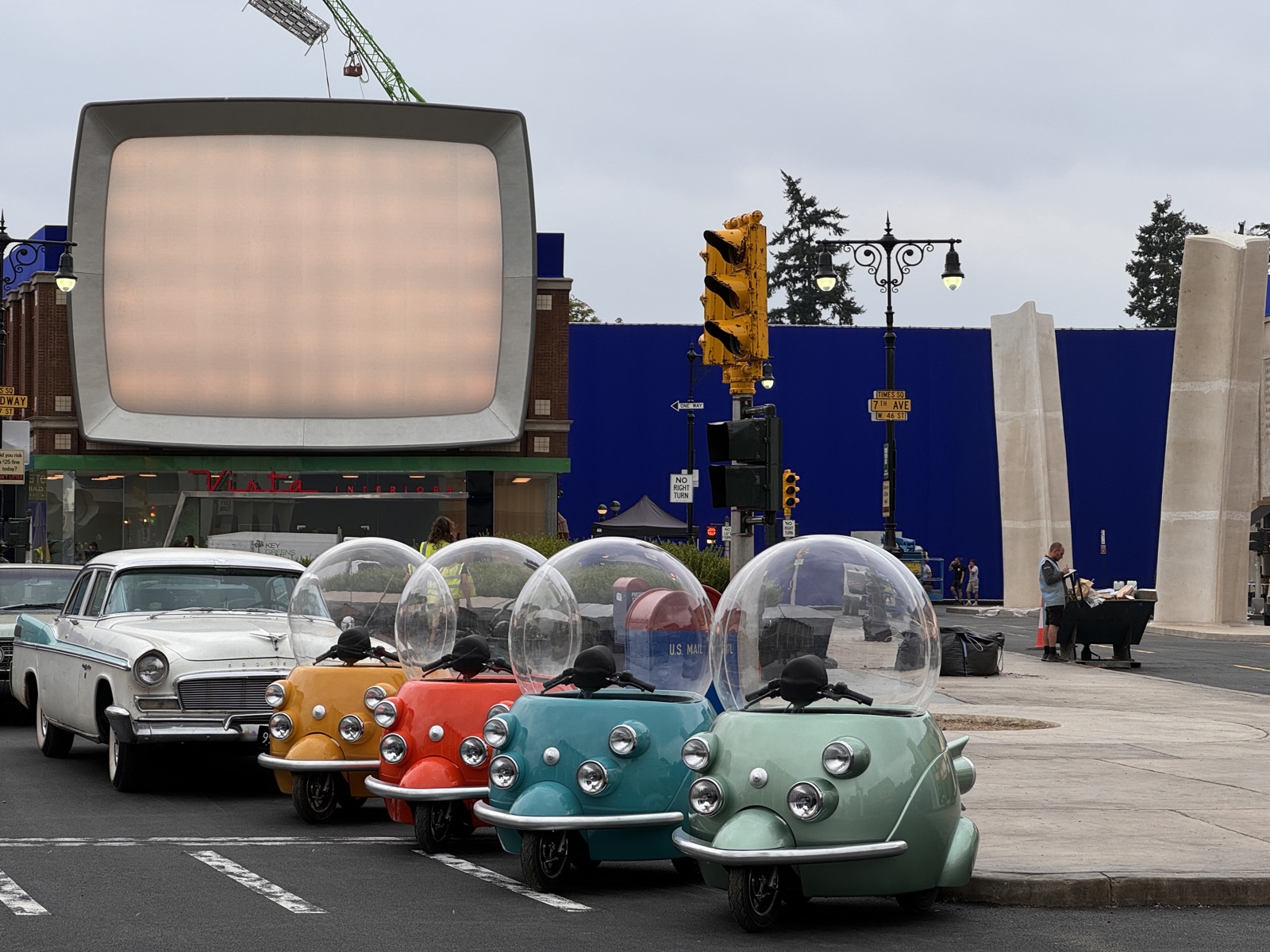
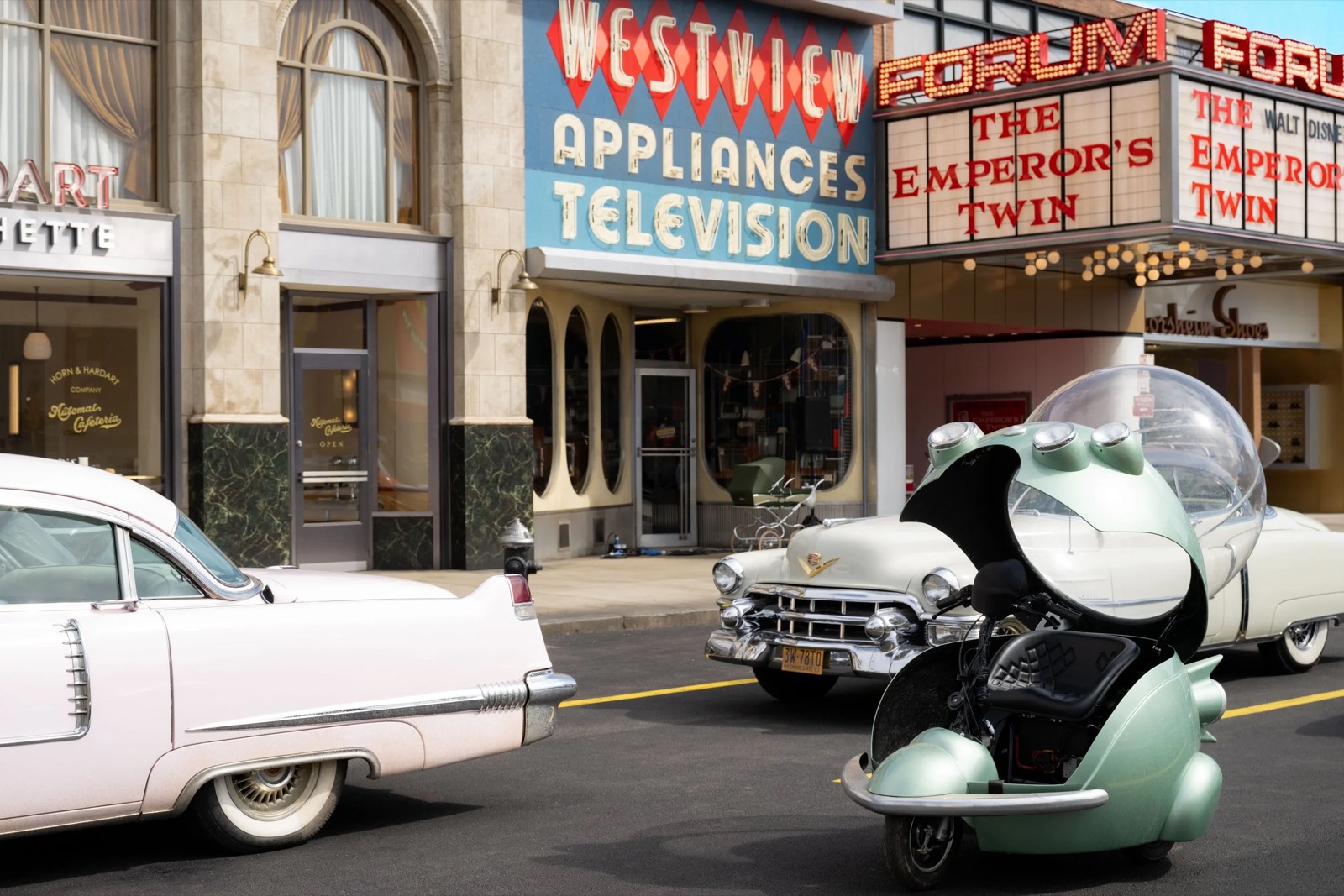
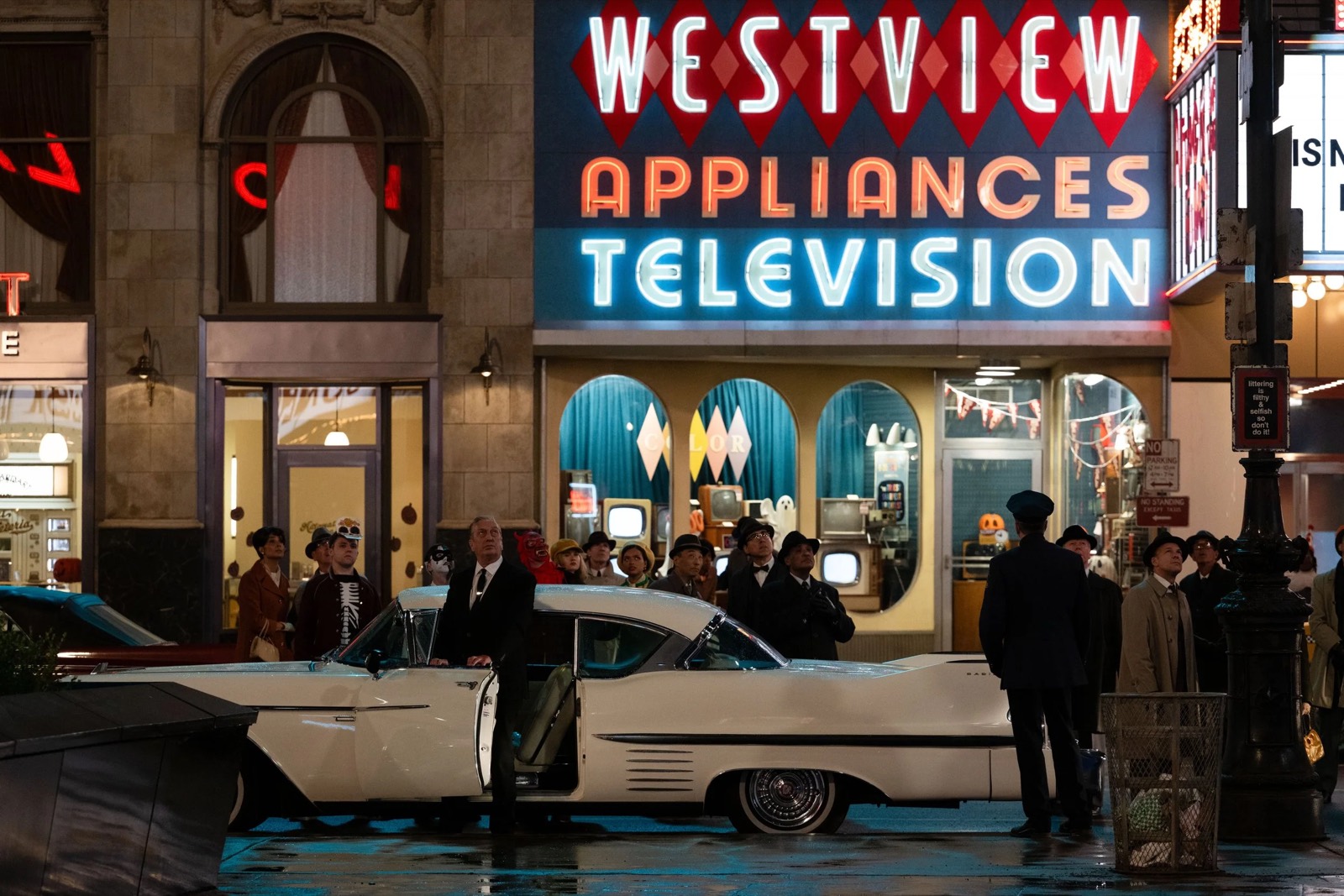
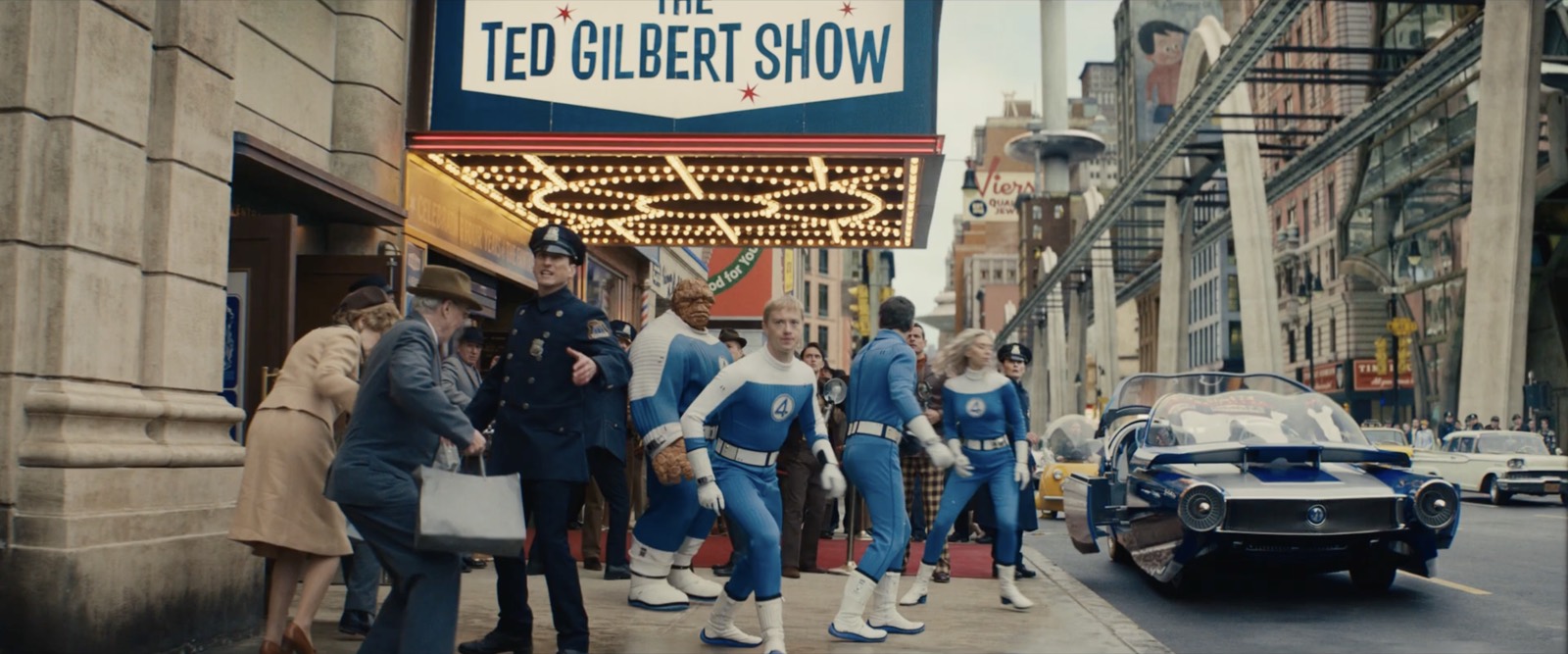
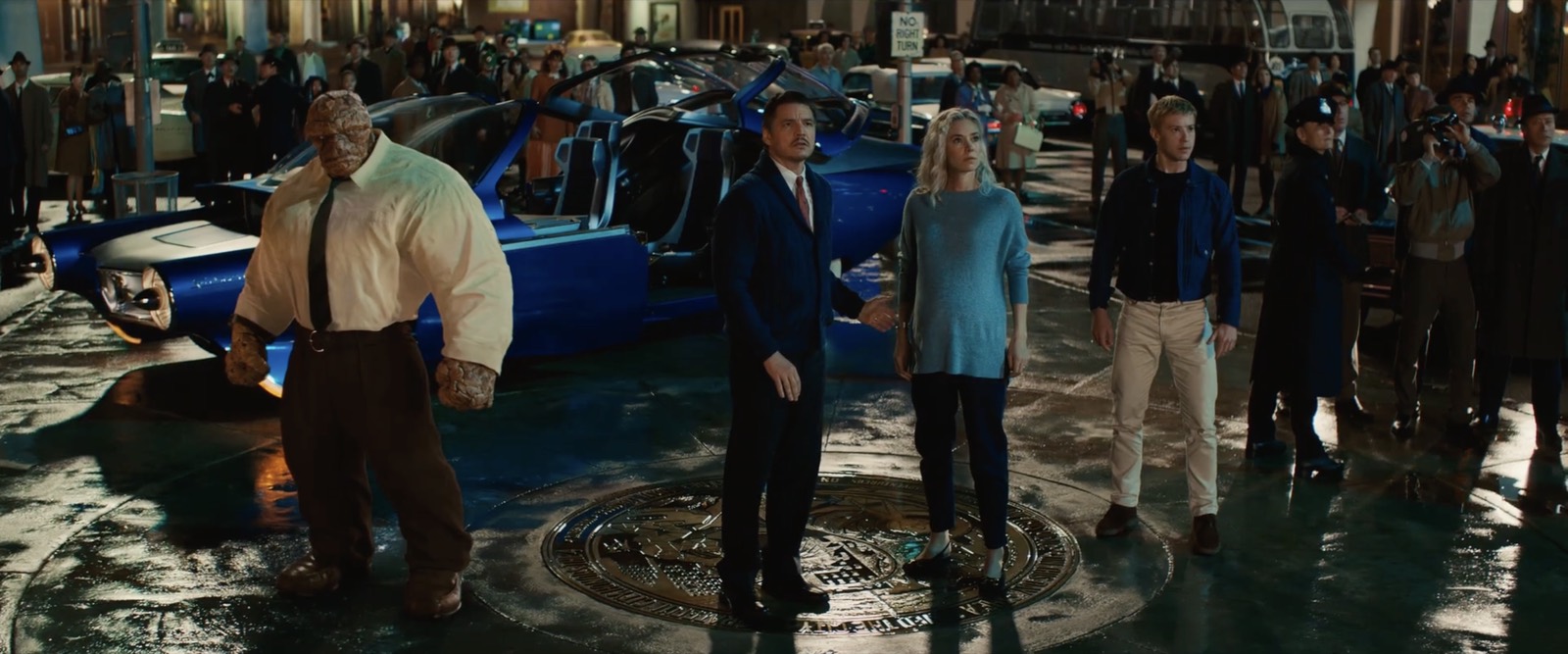
UK art directors Tom Whitehead and Guy Isherwood oversaw the construction of the 360° Times Square backlot. Built at two-thirds the scale of the actual Times Square, the set included more than two dozen thirty-foot façades, a monorail infrastructure, and a practical screen that extended 50’ into the air. Hundreds of practical signs were designed by Charis Theobald and Dominique Sanglier’s graphics team to bring the façades to life. Jille Azis’s team brought in a small city’s worth of period decor to breathe specificity into the set. The layered physical build allowed Matt to compose shots with real depth and allowed actors to find blocking that felt natural to the moment. I’ve always felt: if you build it, you gain spontaneity and truth that are impossible to simulate.
Yancy Street
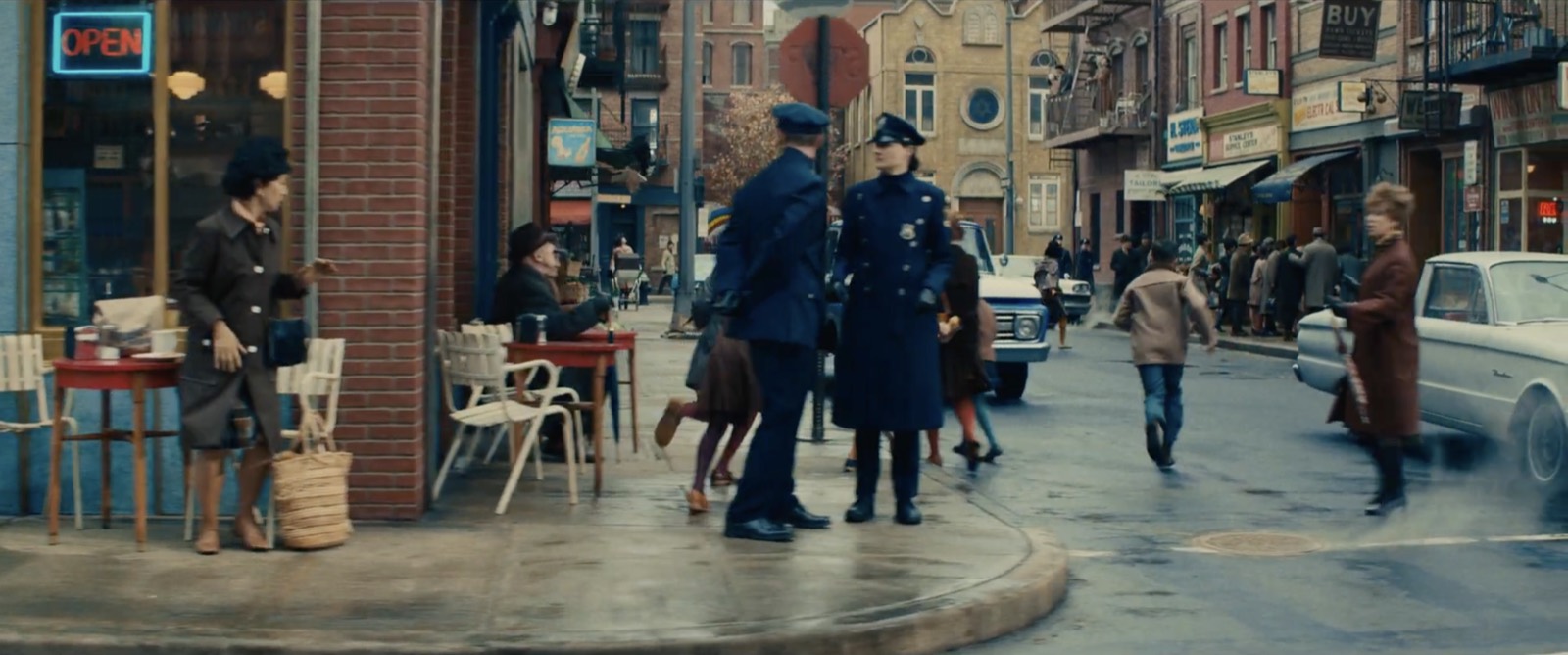
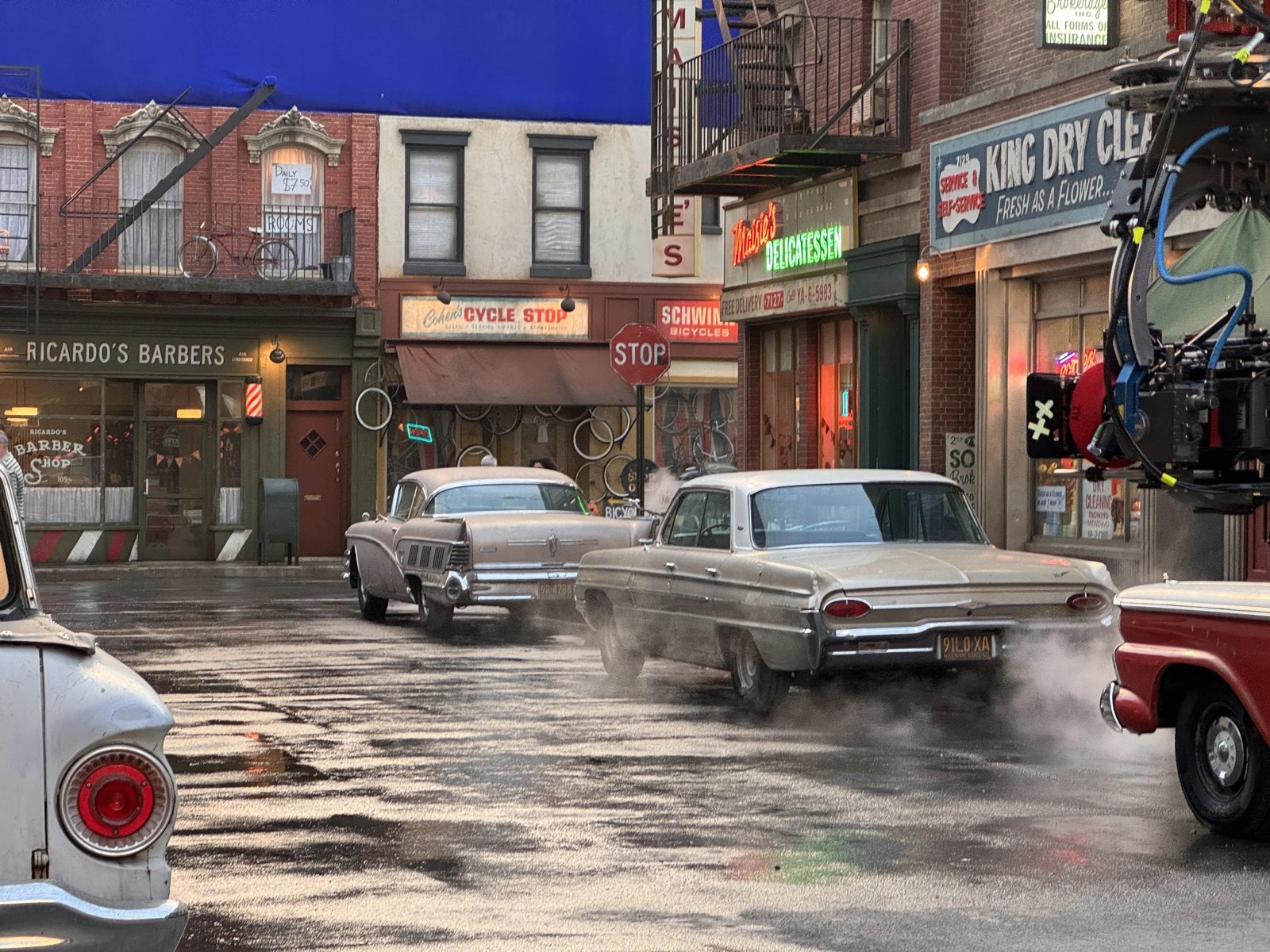
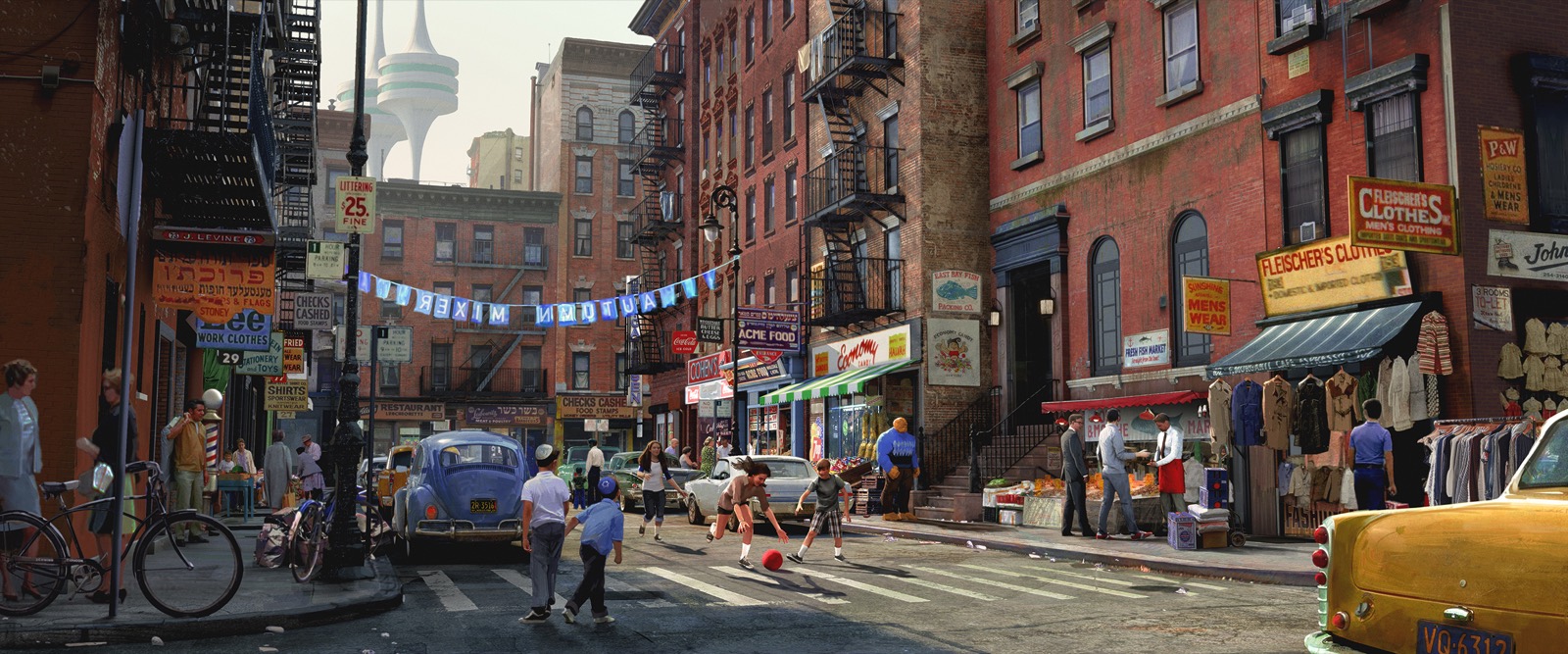
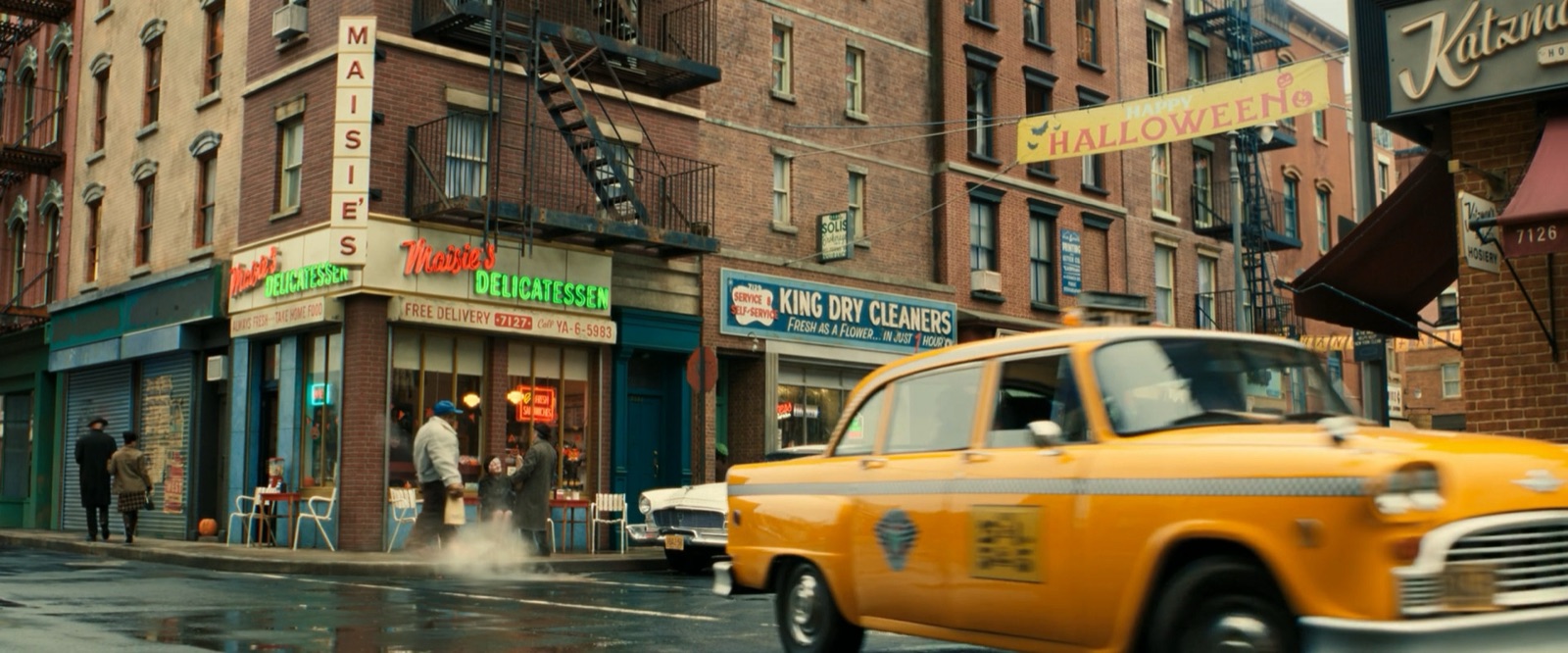
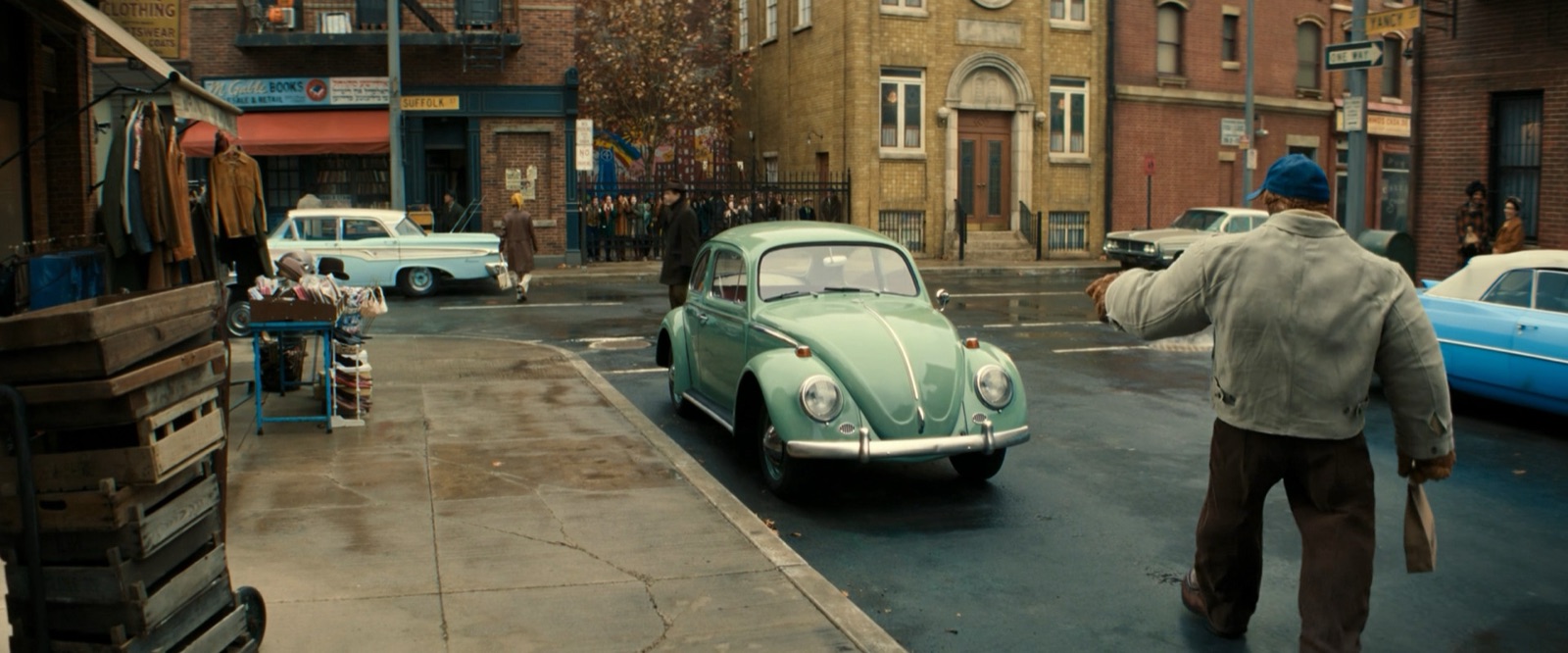
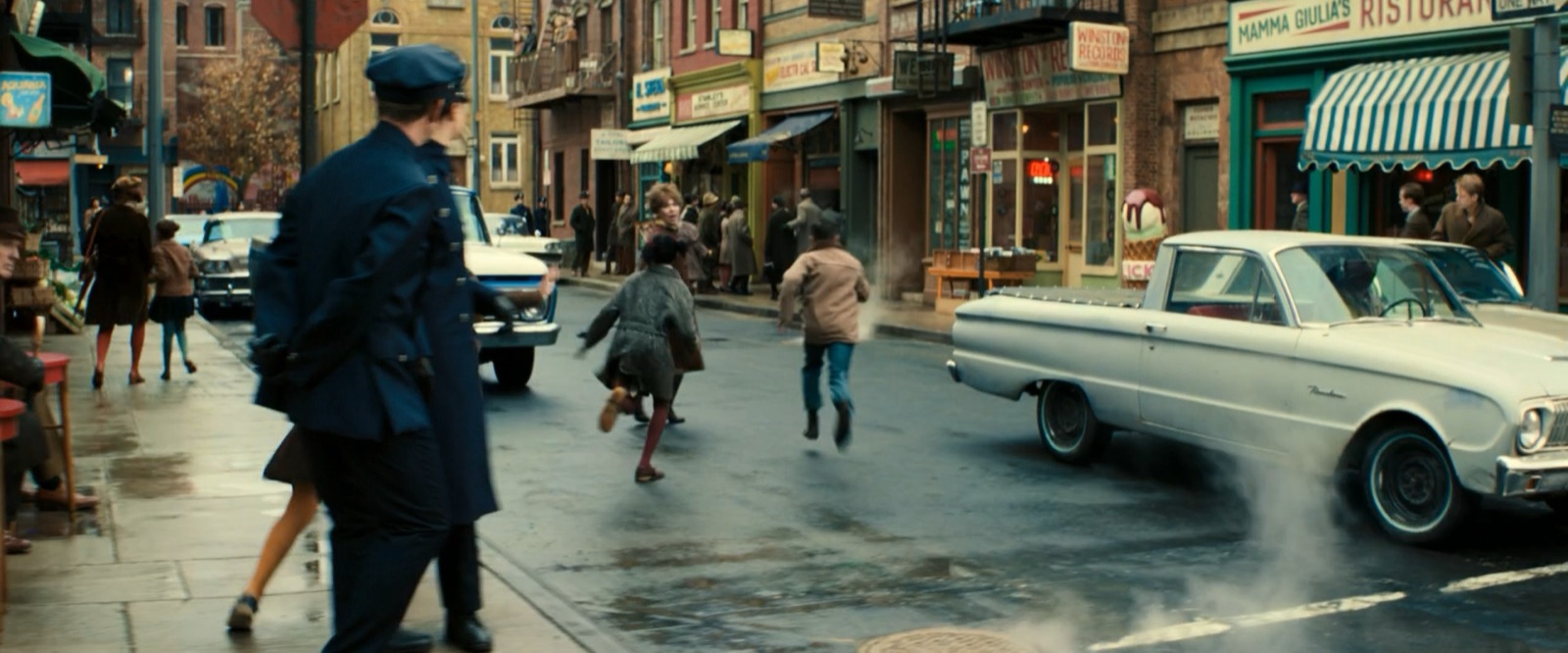
While Times Square stands as an emblem of Reed's dazzling world, Yancy Street serves as the grounding force for Ben Grimm, the steadfast heart of the Four. Yancy had to exude a sense of familiarity, warmth, and nostalgia—a tapestry of cultural richness. Historically a Jewish neighborhood, we honored its heritage while simultaneously embracing the undeniable multiculturalism of mid-century New York. Maisie’s Diner shares the block with a Latin American bodega and an Italian restaurant, while the Yancy Street synagogue anchors the neighborhood. Signage appears in multiple languages, and the buildings, all pre-war structures untouched by Reed’s futurism, contribute to the neighborhood’s quaint charm.
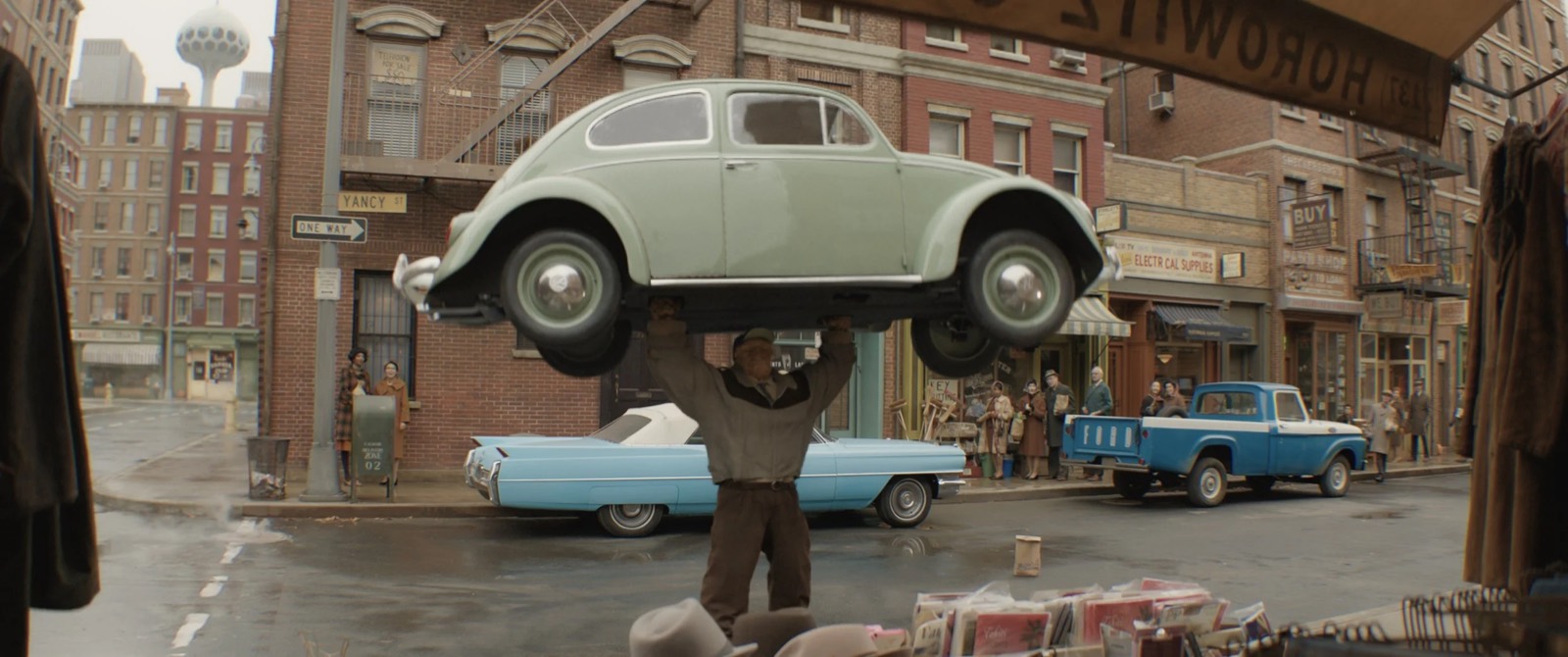
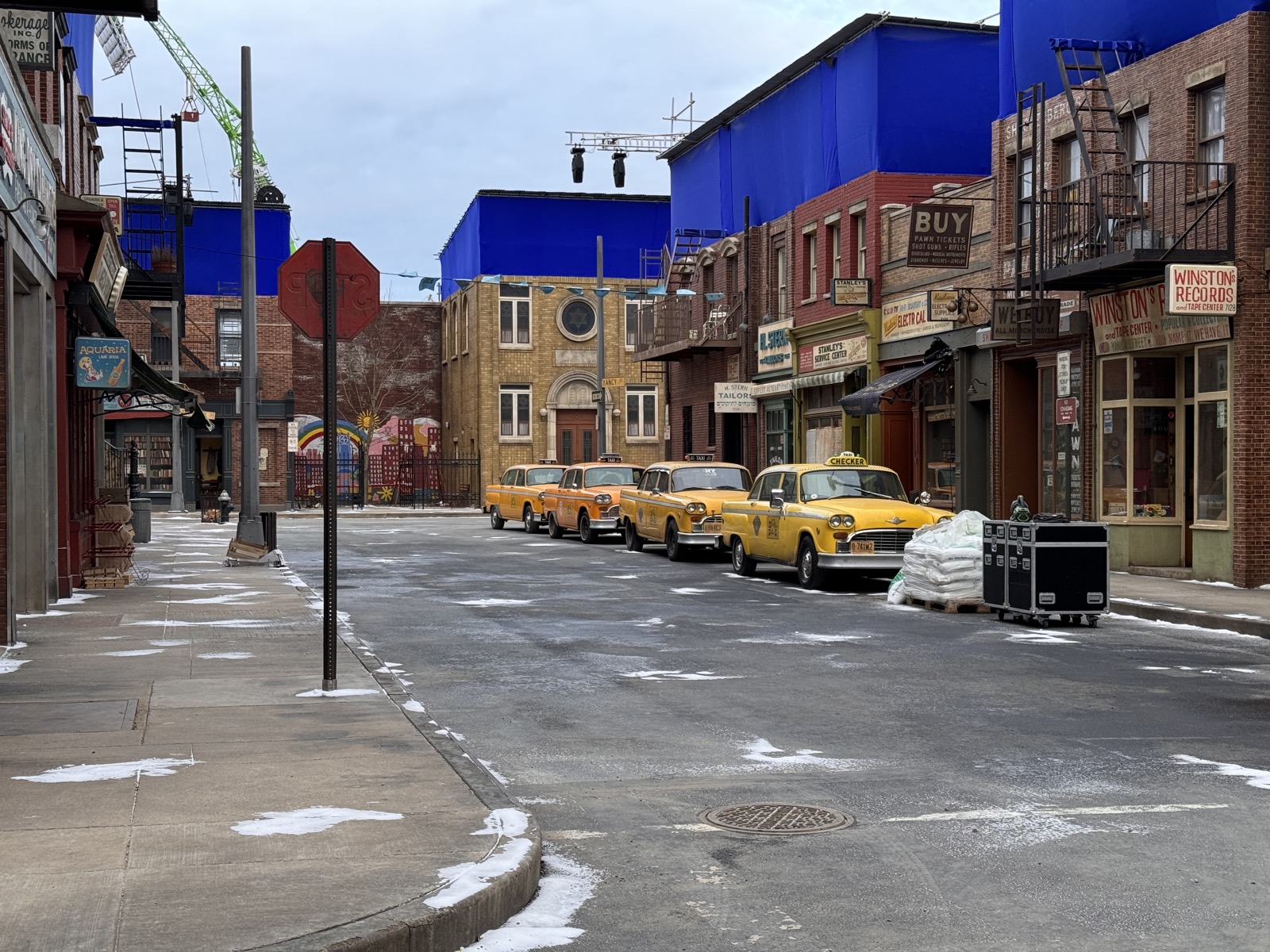
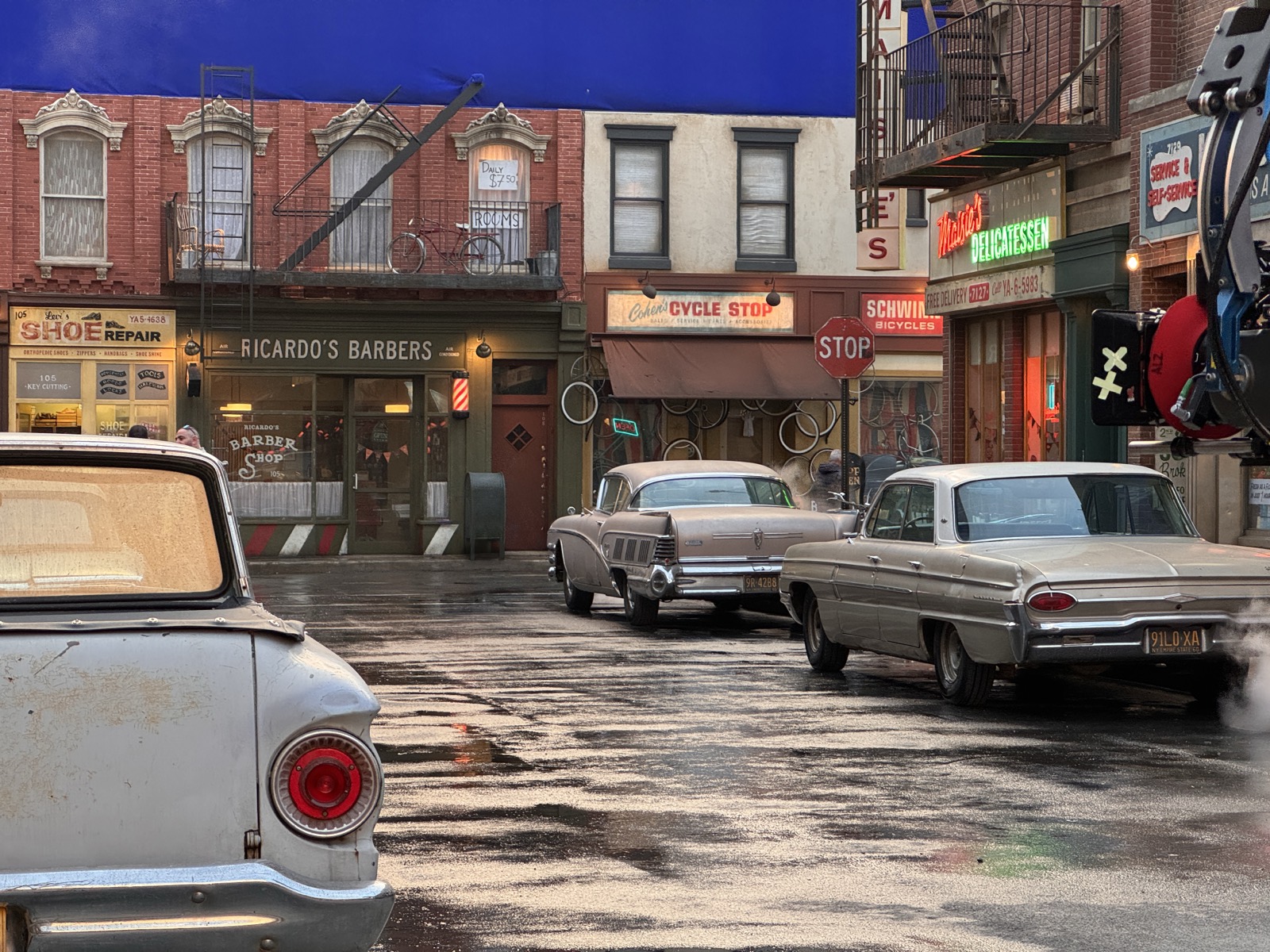
Set photography
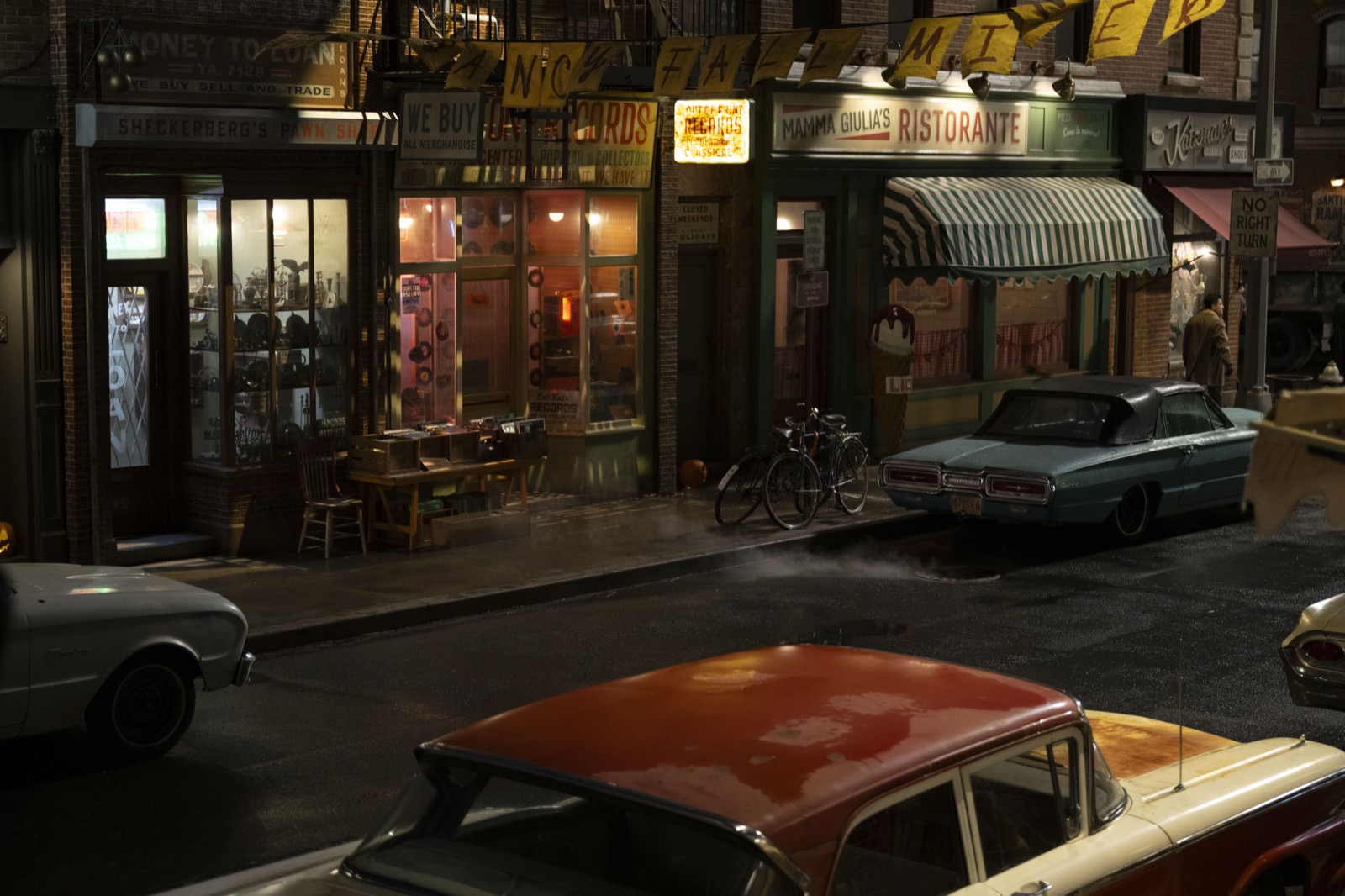
However, if you look past the rooflines into the adjacent neighborhoods, you’ll see the emergence of a new world—curved spires, saucer shapes, and monorail tracks stretching into the horizon. This juxtaposition was not only visually striking but also emotionally resonant. Ben is a man caught between his past and the future, and Yancy Street needed to feel like the last place in Manhattan where he could easily access his identity beneath the stone.
The Baxter Building
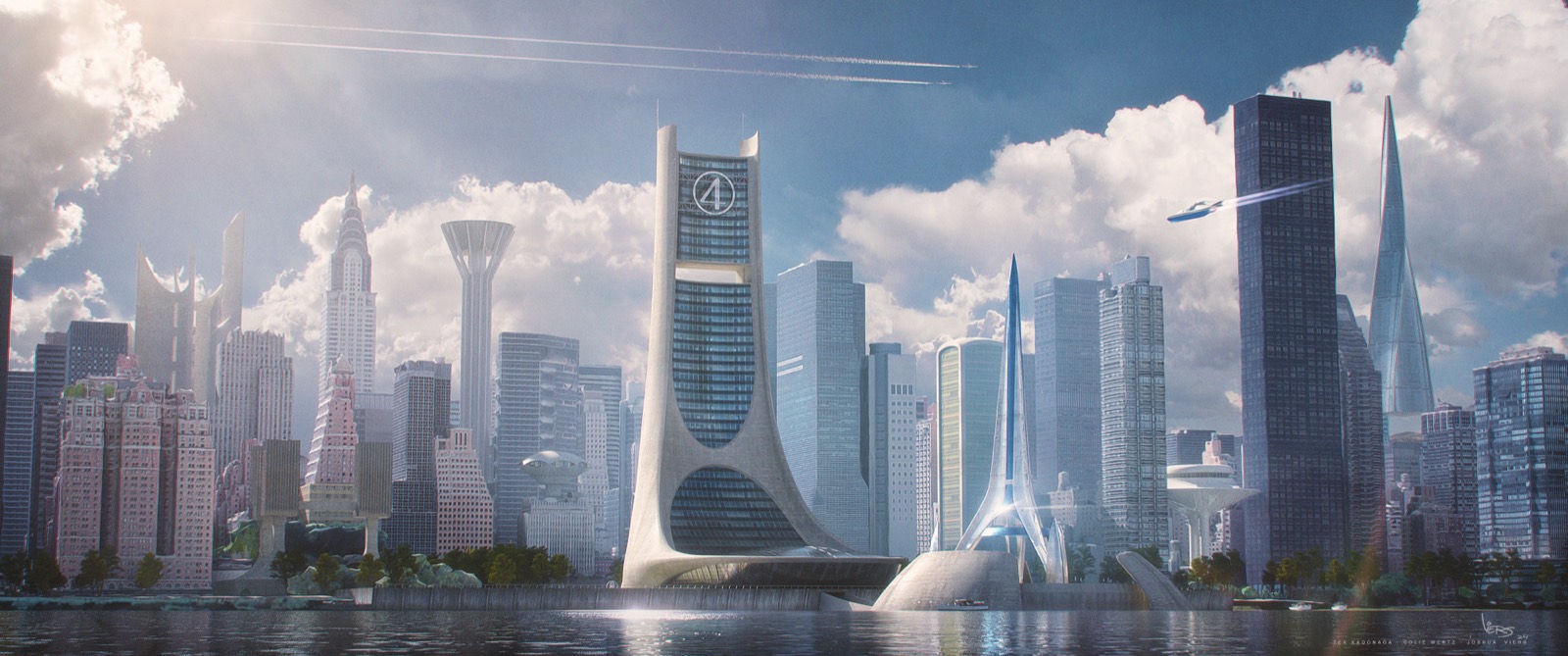
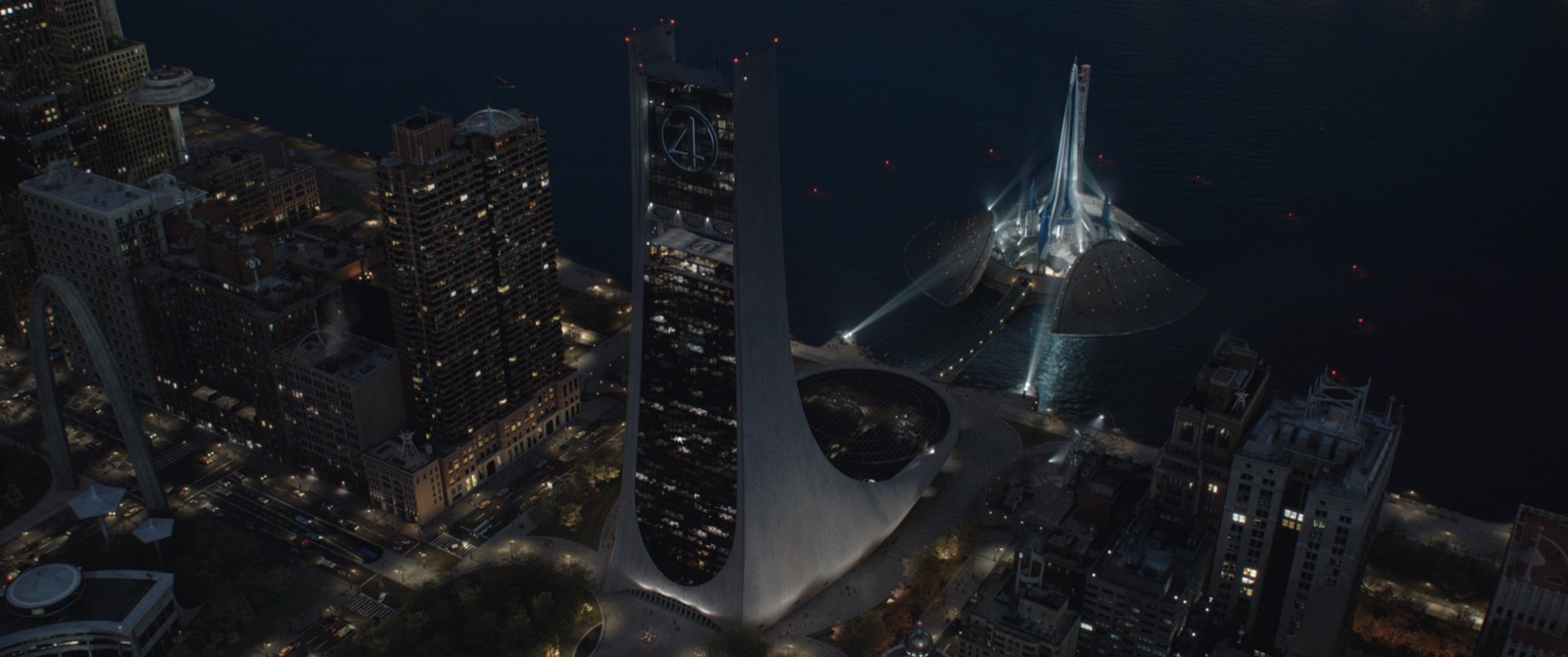
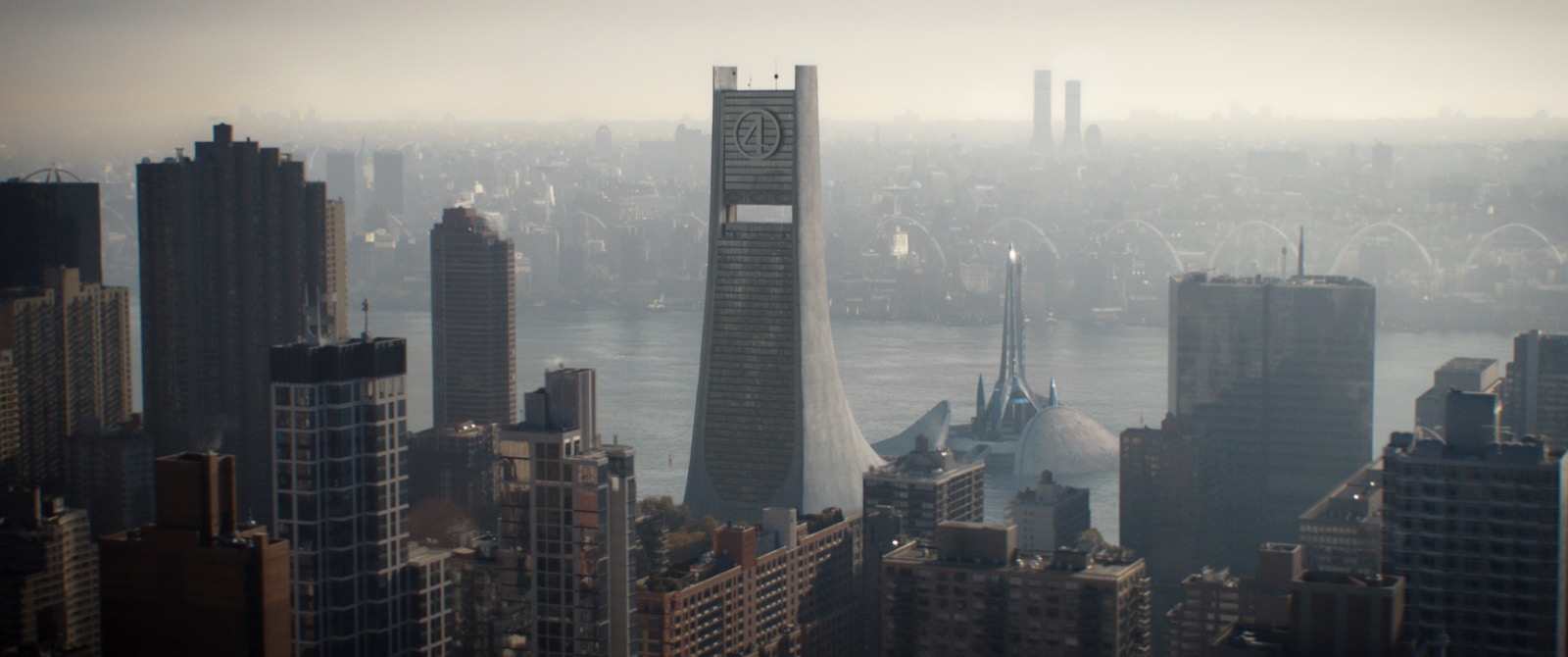
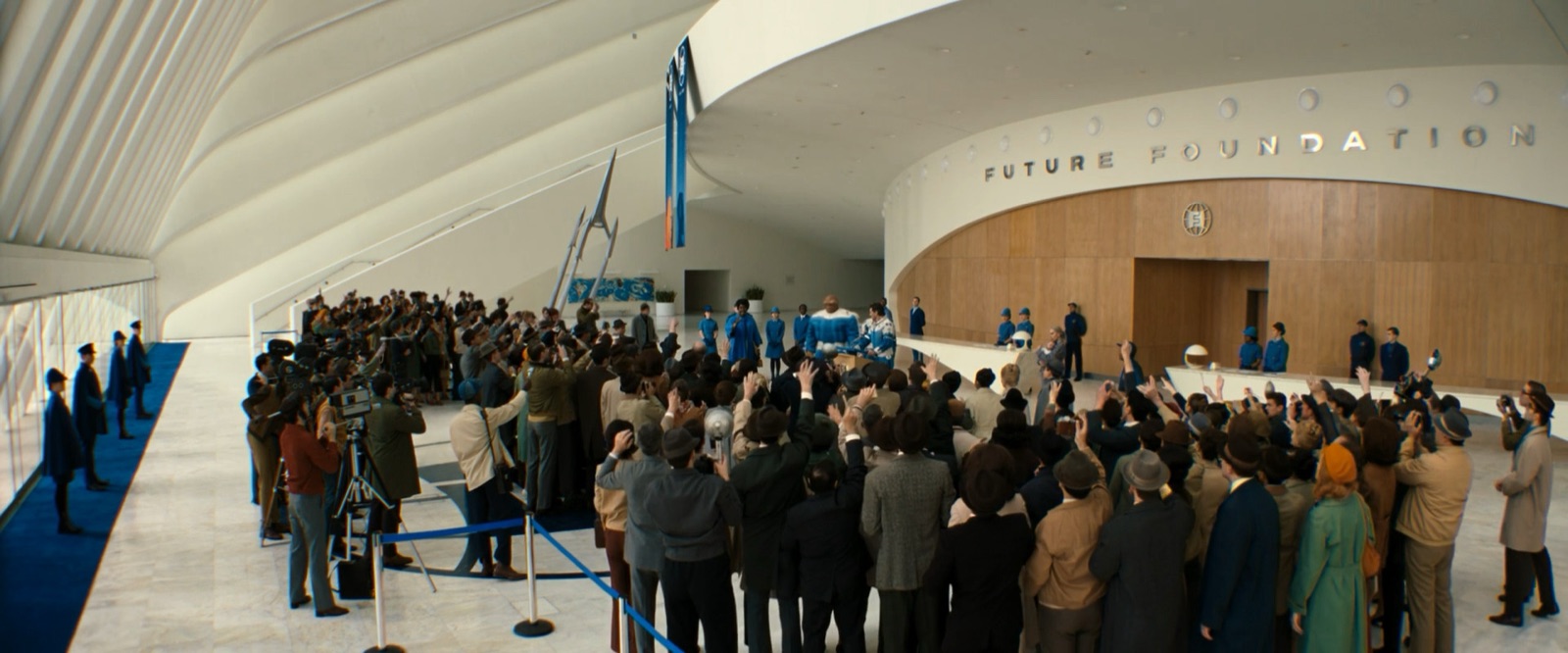
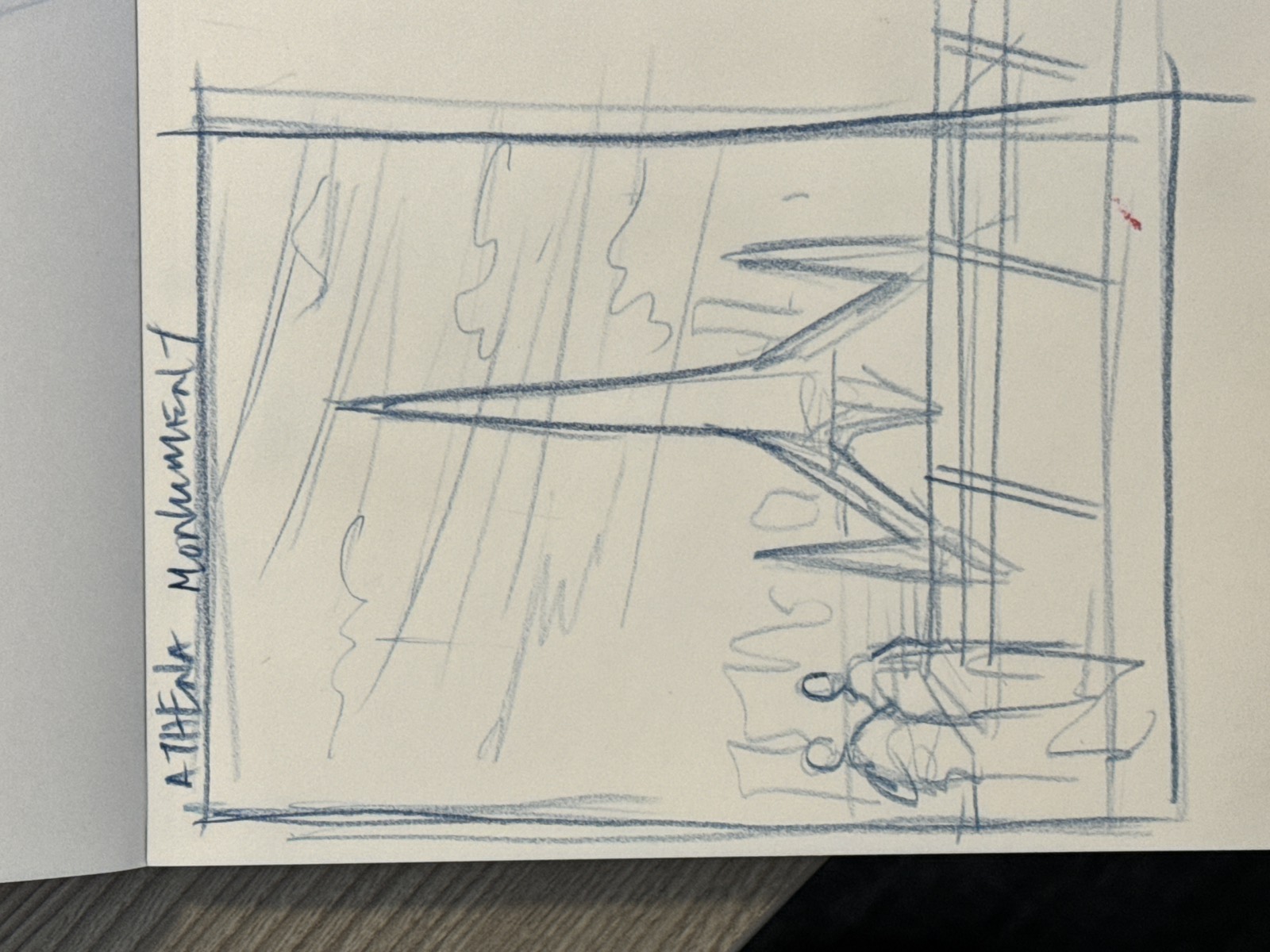
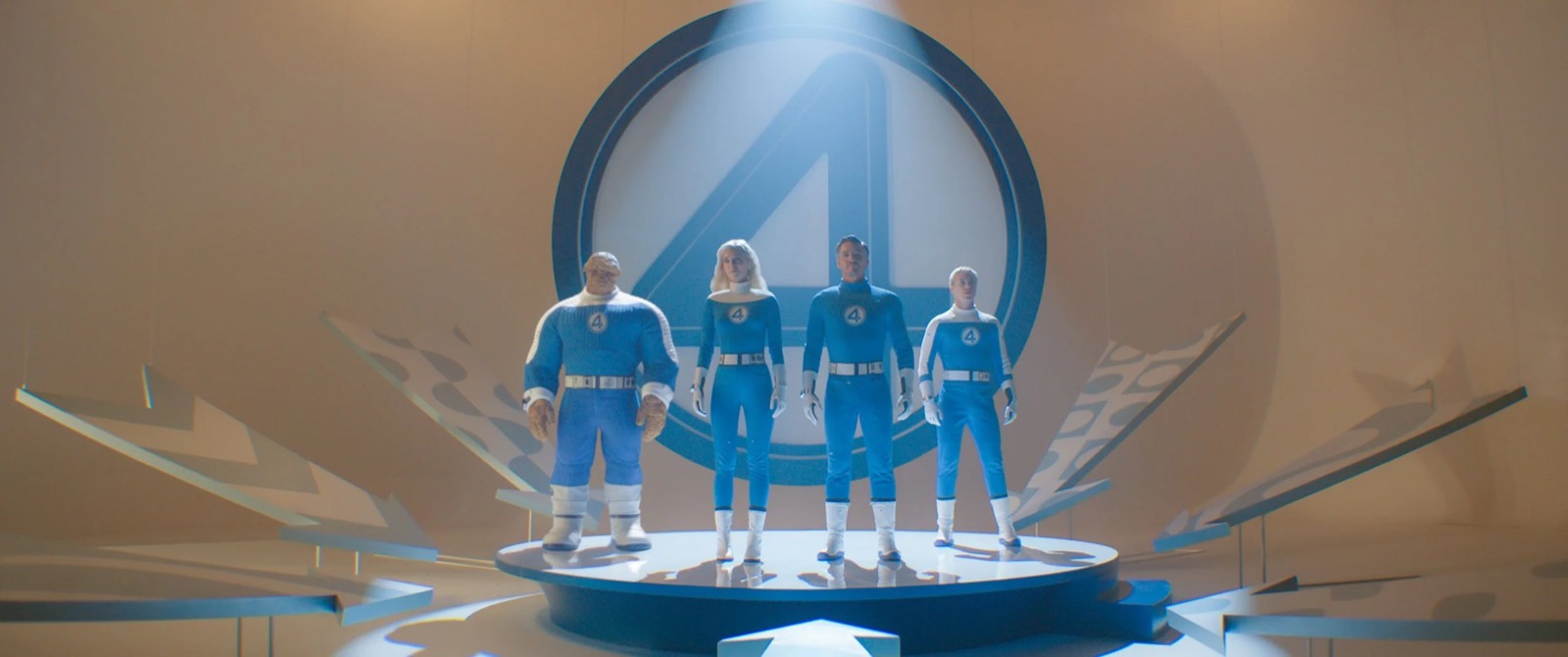
The Baxter Building had to be the ultimate icon of Reed’s aesthetic language. Though it shares DNA with Niemeyer and Saarinen, it needed to feel uniquely “Reed”: a vertical expression of acceleration, a structure that feels as though it wants to lift off the ground. This was one of the first pieces of architectural form language we designed, as we knew it would stand as an aesthetic lighthouse for the rest of the world. Set designer and concept artist Tex Kadonaga brilliantly ran with my pencil thumbnails, and through many iterations we found the right balance of austere elegance and dynamic optimism. The branding for the Future Foundation, Sue Storm’s influential NGO, which is housed within the Baxter Building, was also among the first design challenges to solve. Graphic designer Jason Sweers created inspired and restrained mid-century iconography which captured the typographic essence of our look. These evocative graphics ultimately inspired much of the film’s marketing materials.
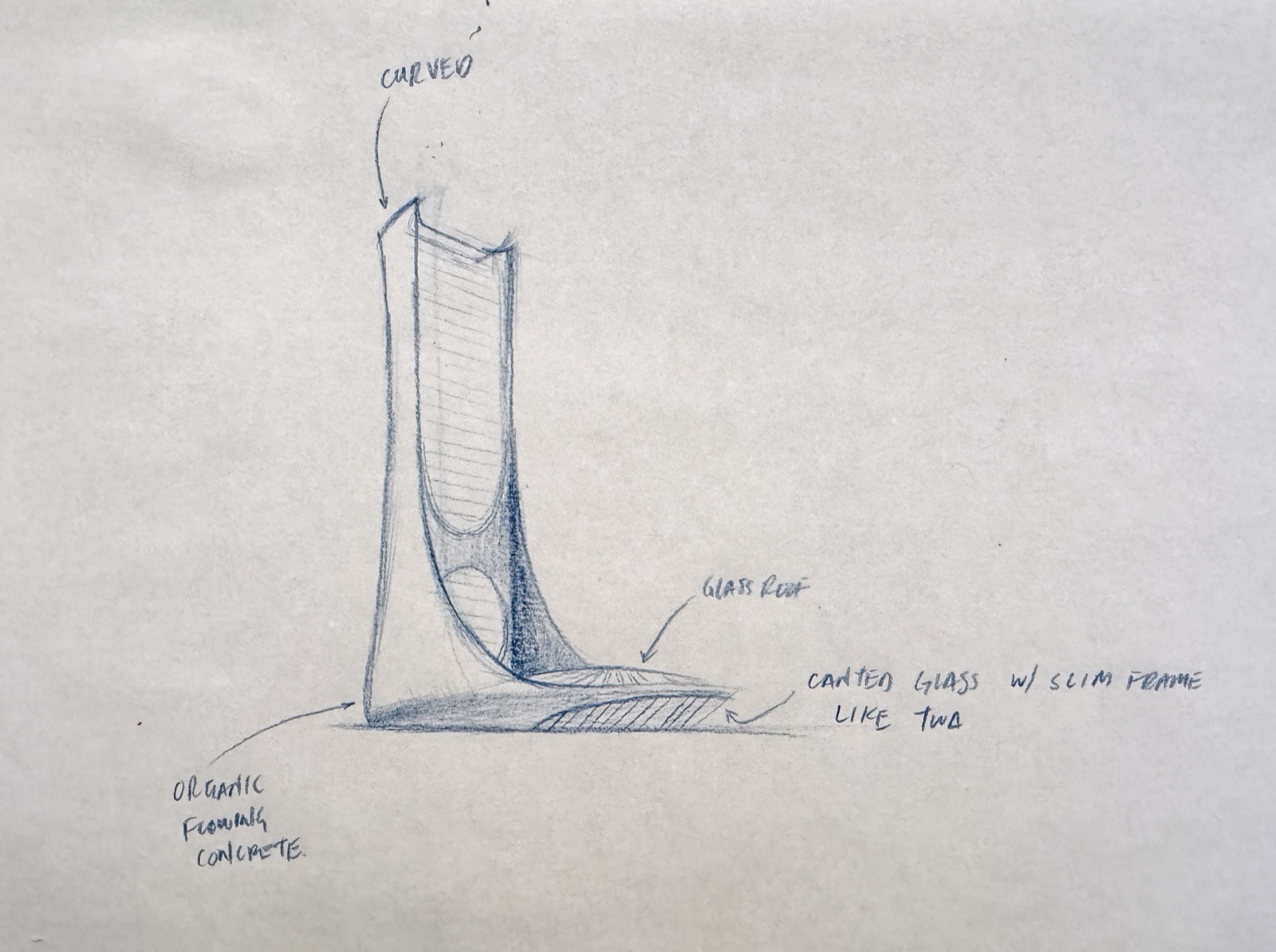
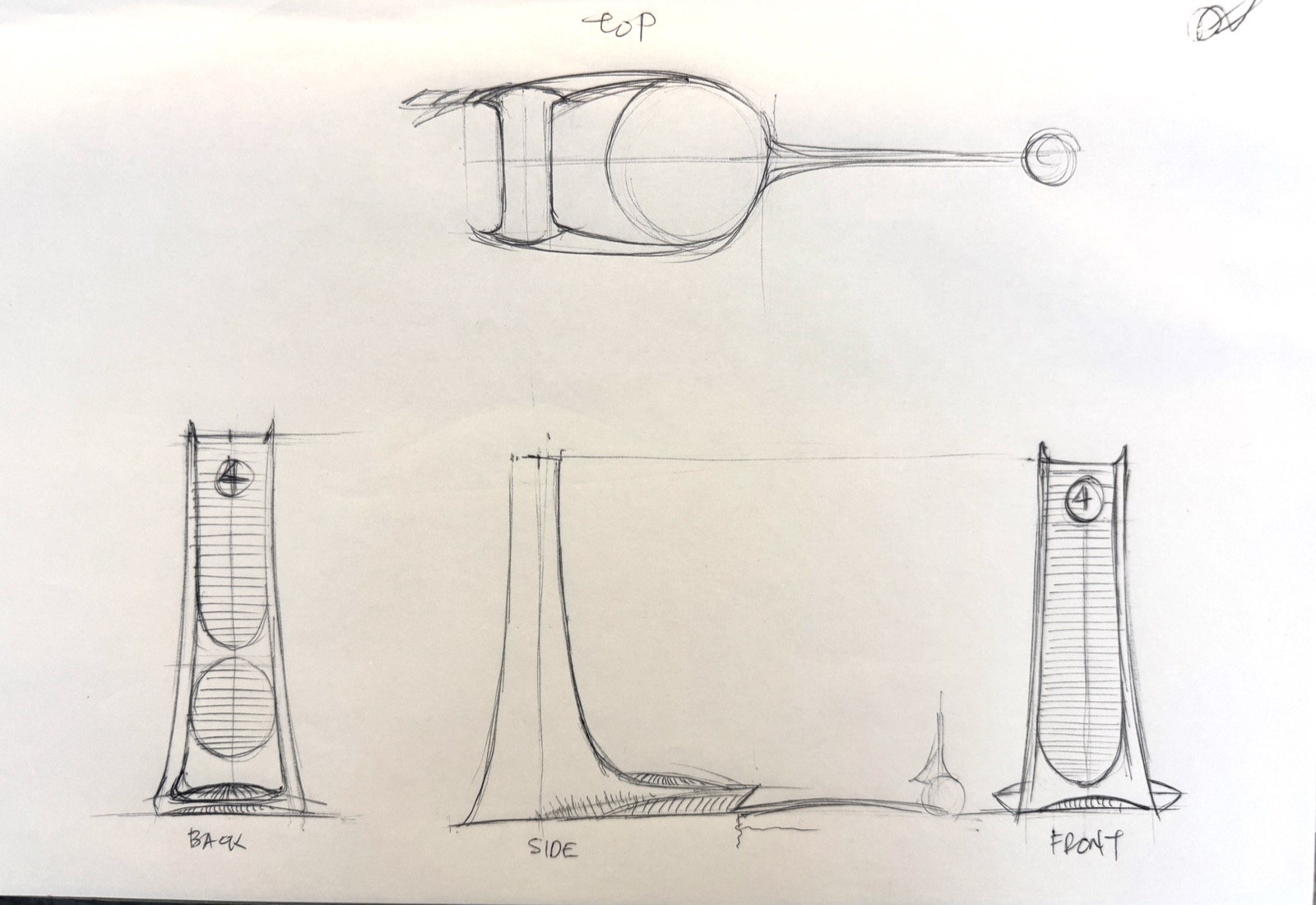
Pencil sketch — Kasra Farahani
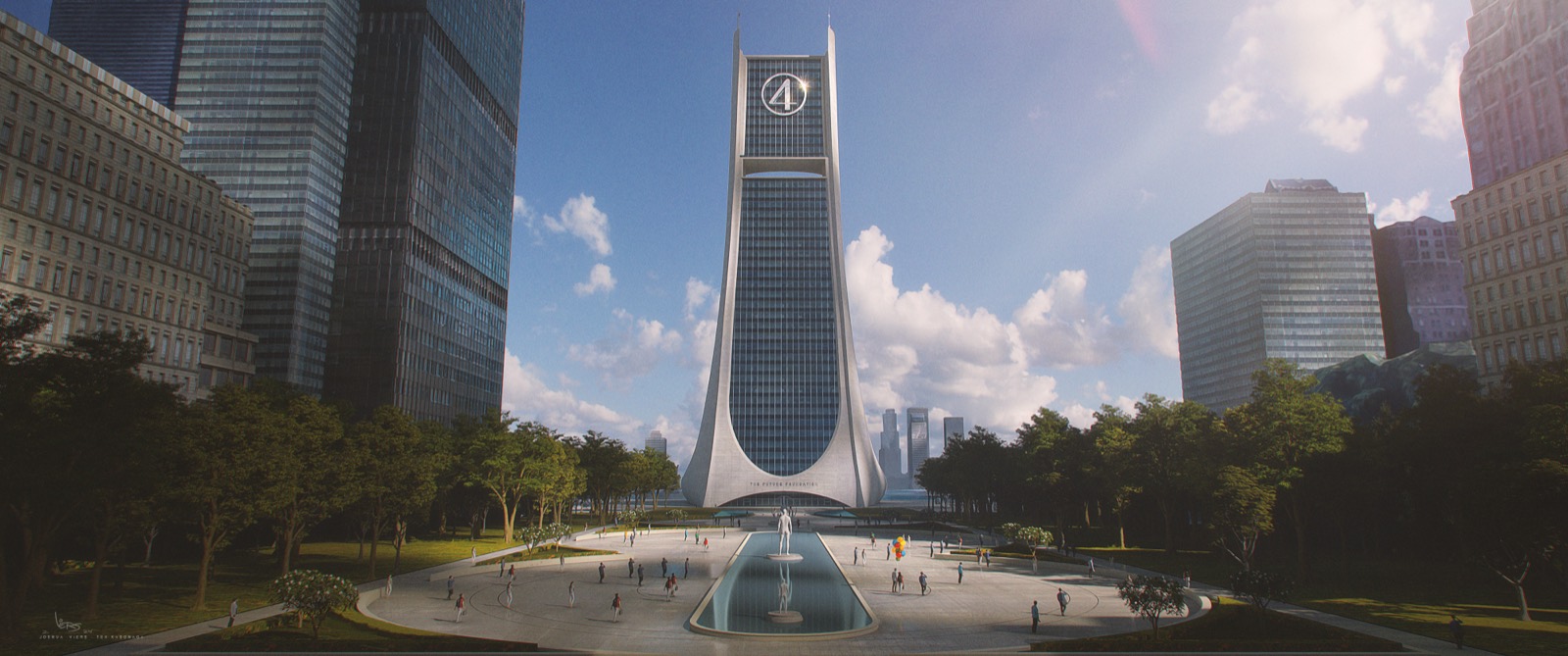
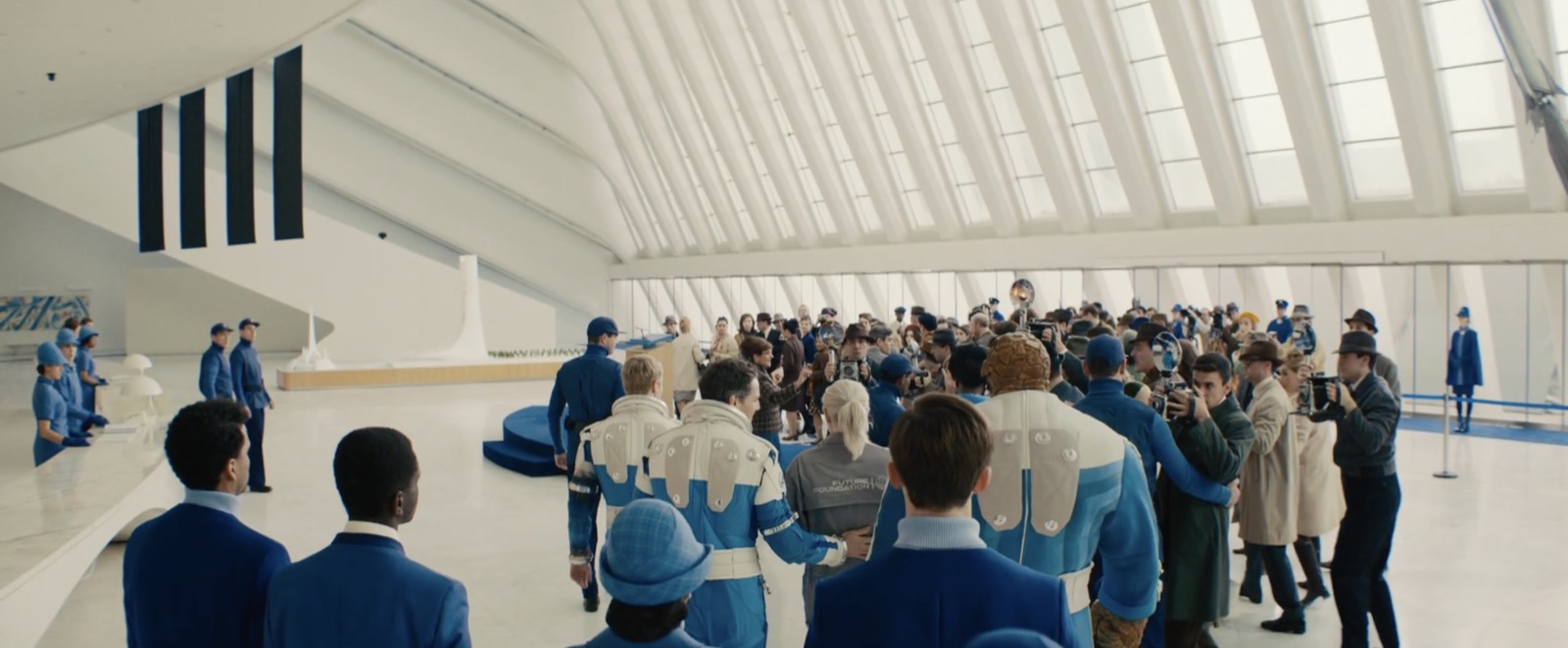
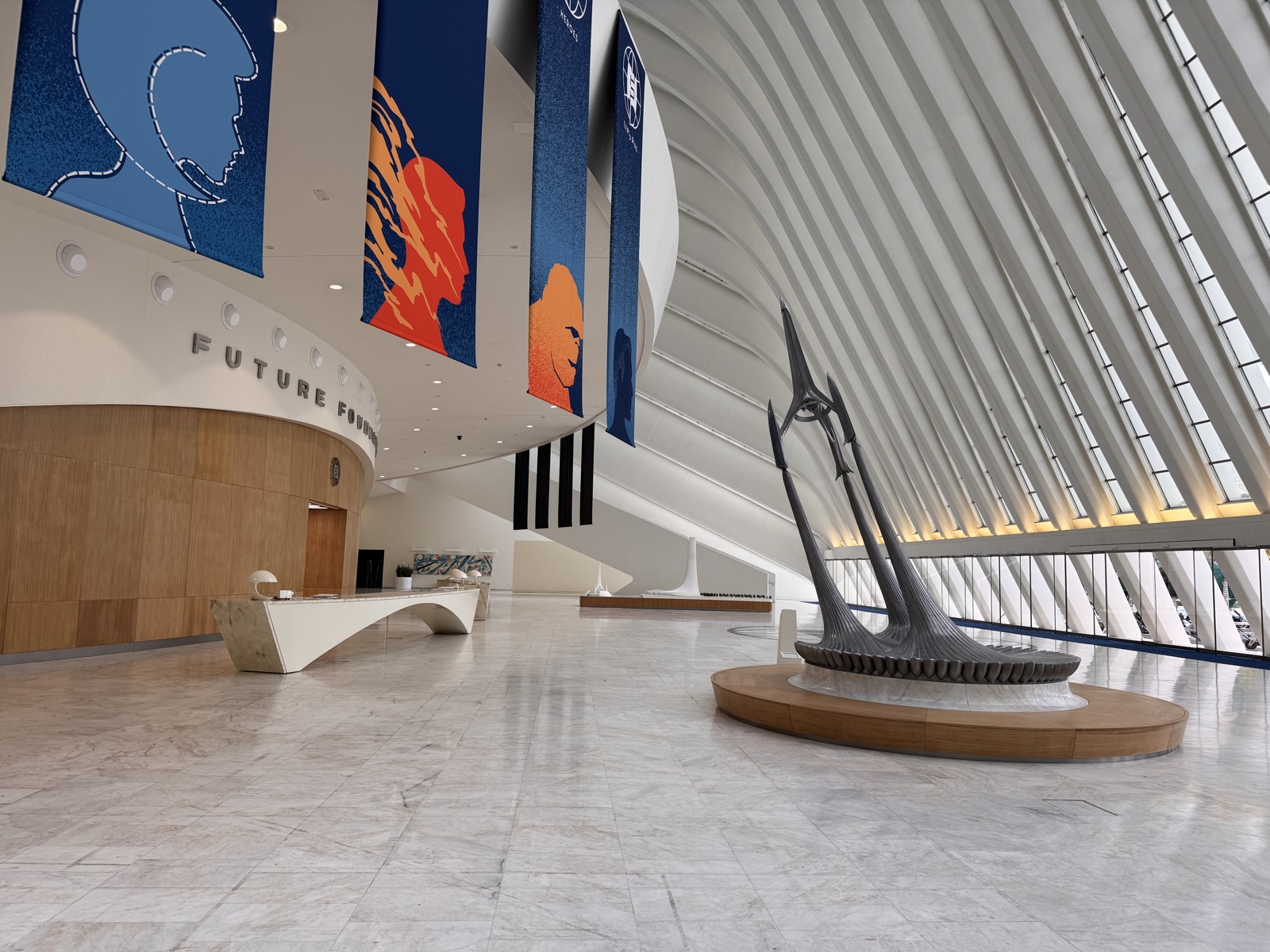
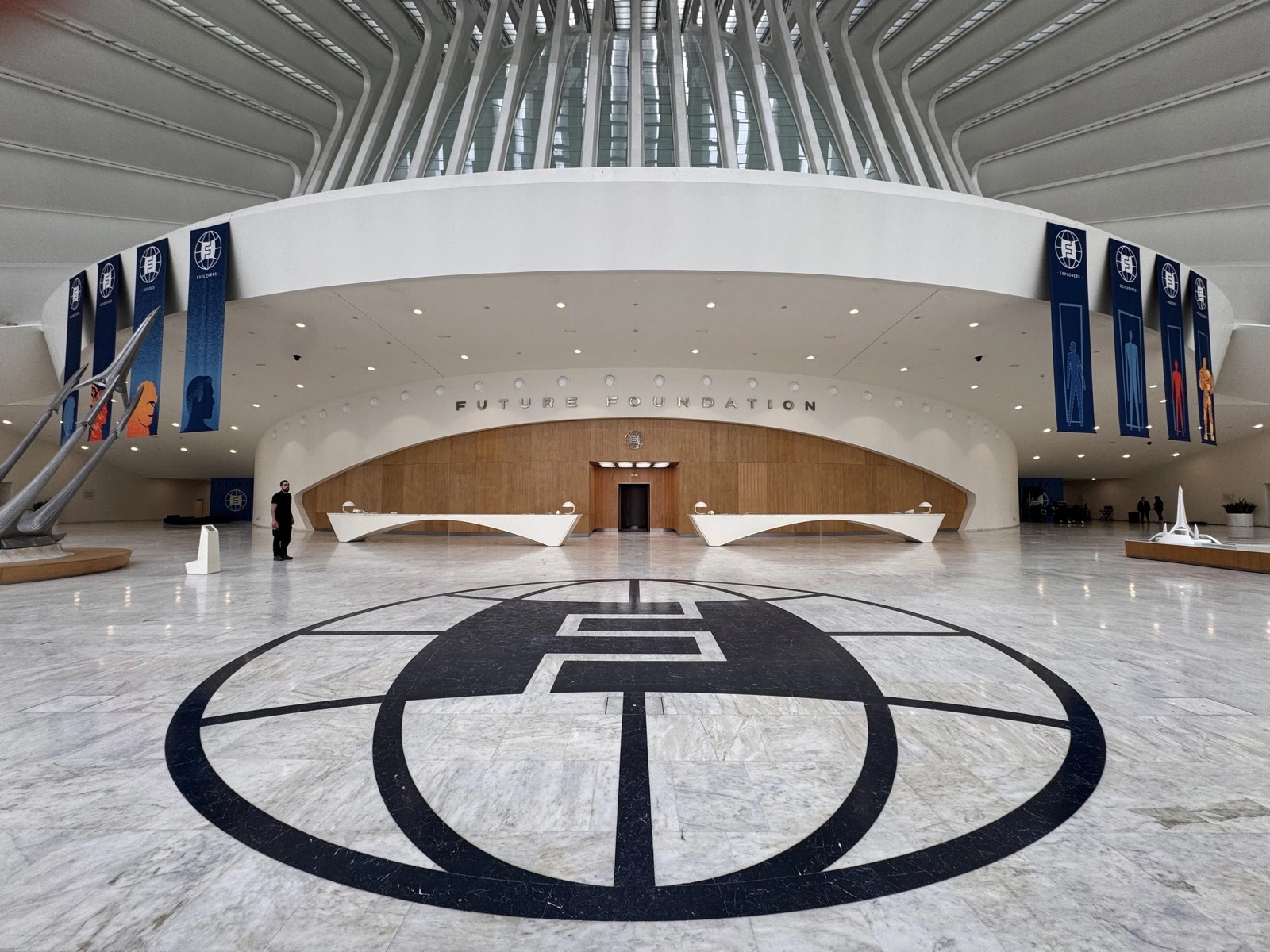
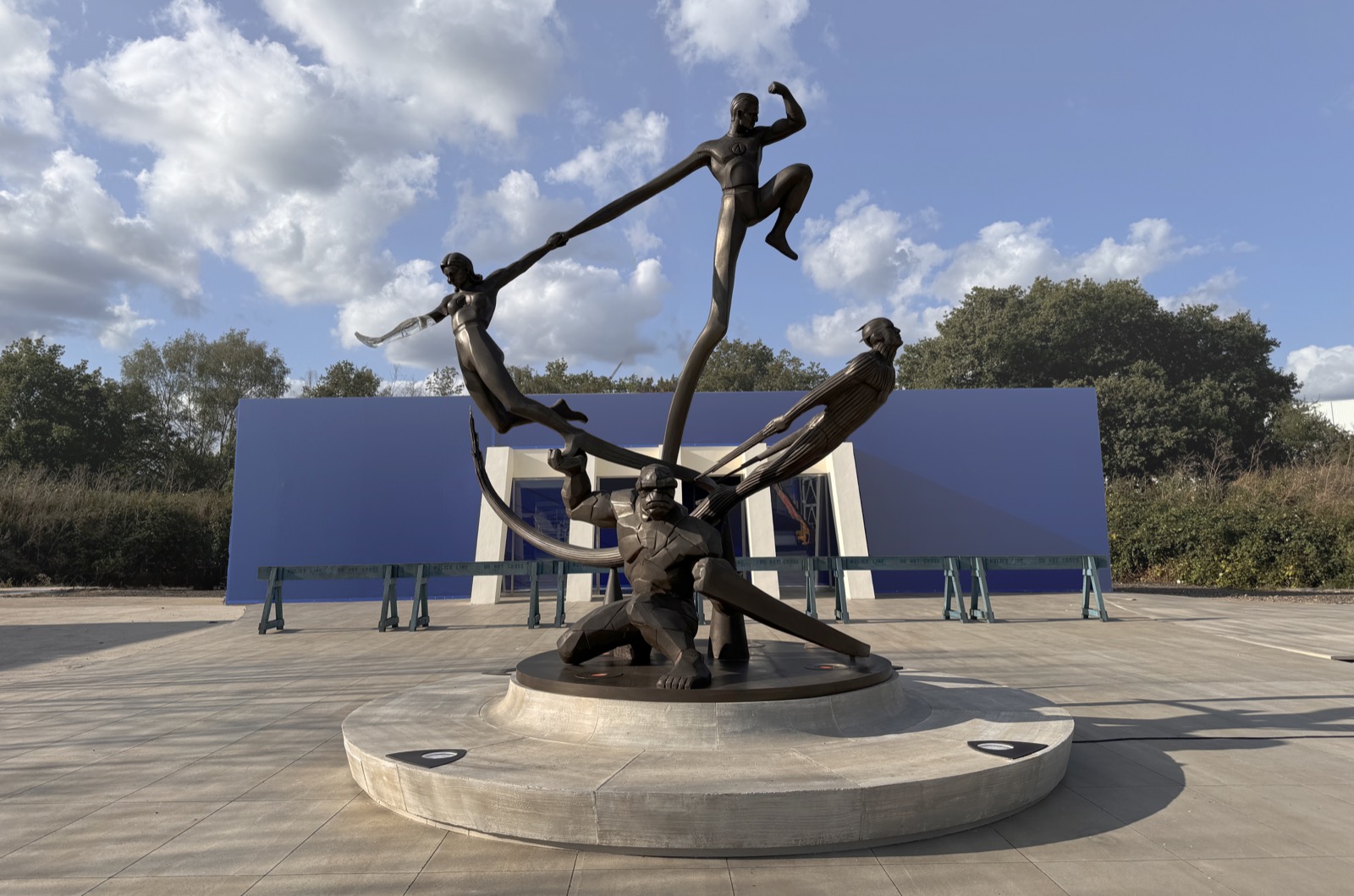
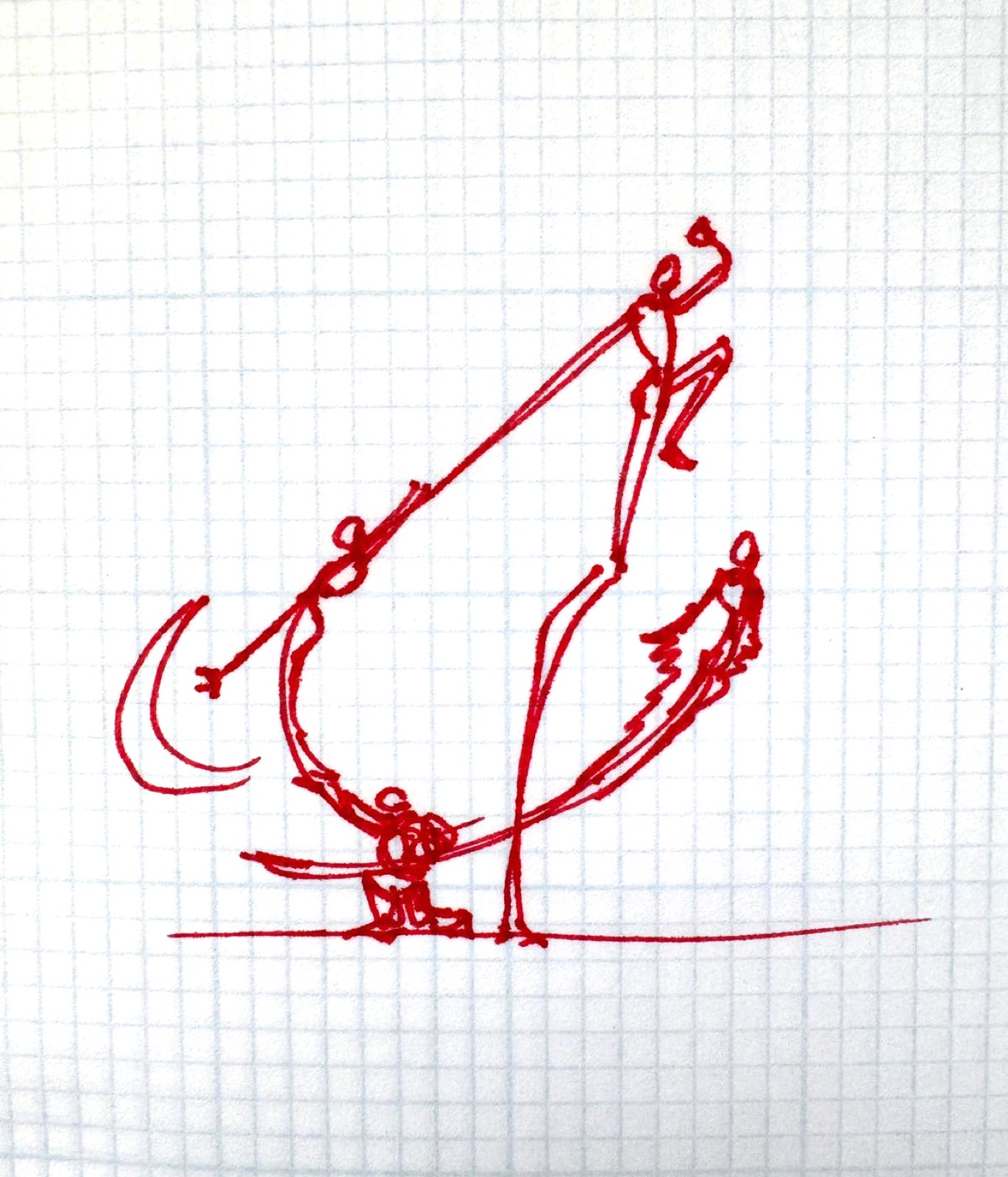
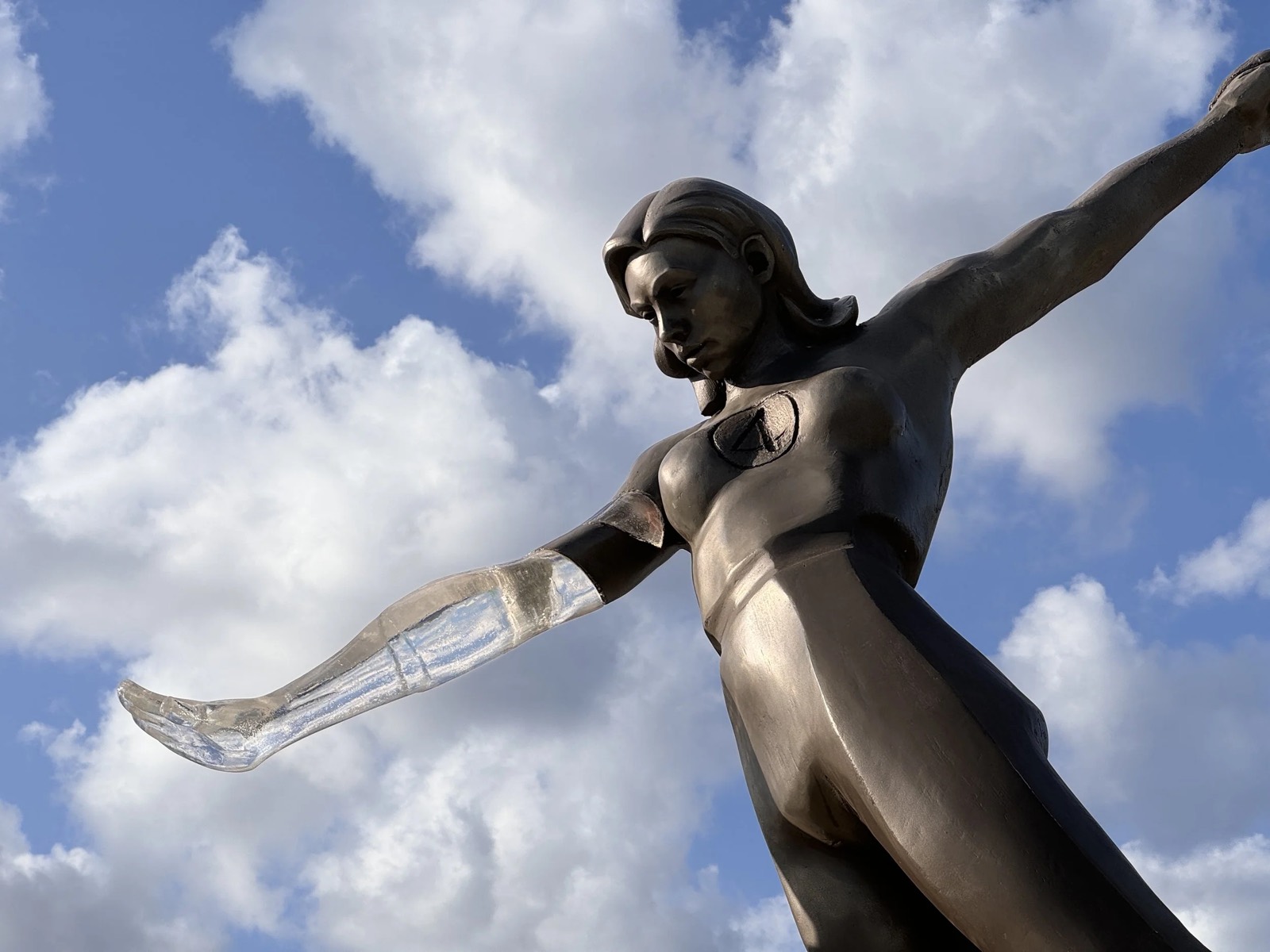
Within the Baxter Building are the two most important interiors of the film: the Baxter Apartment and Reed’s Lab. Together, they represent the duality at the core of Reed Richards—family and genius.
The Baxter Apartment
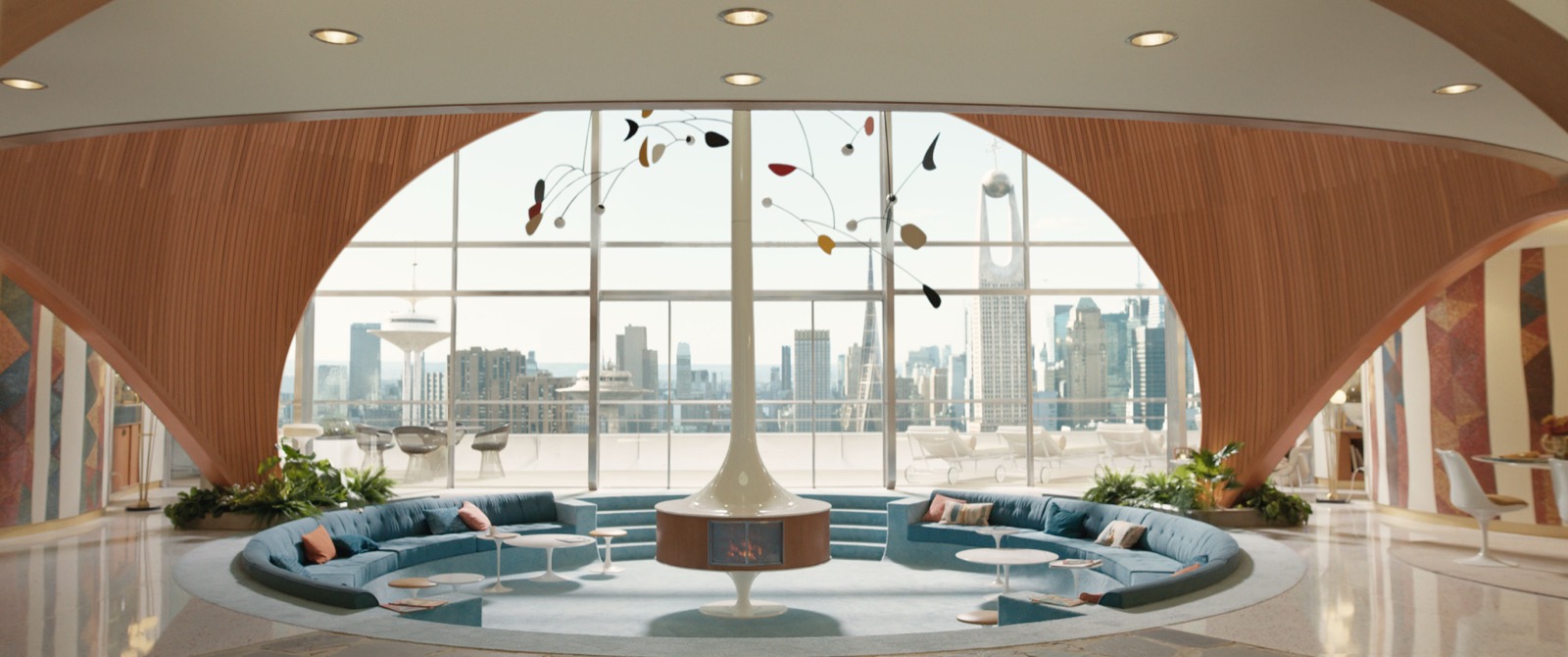
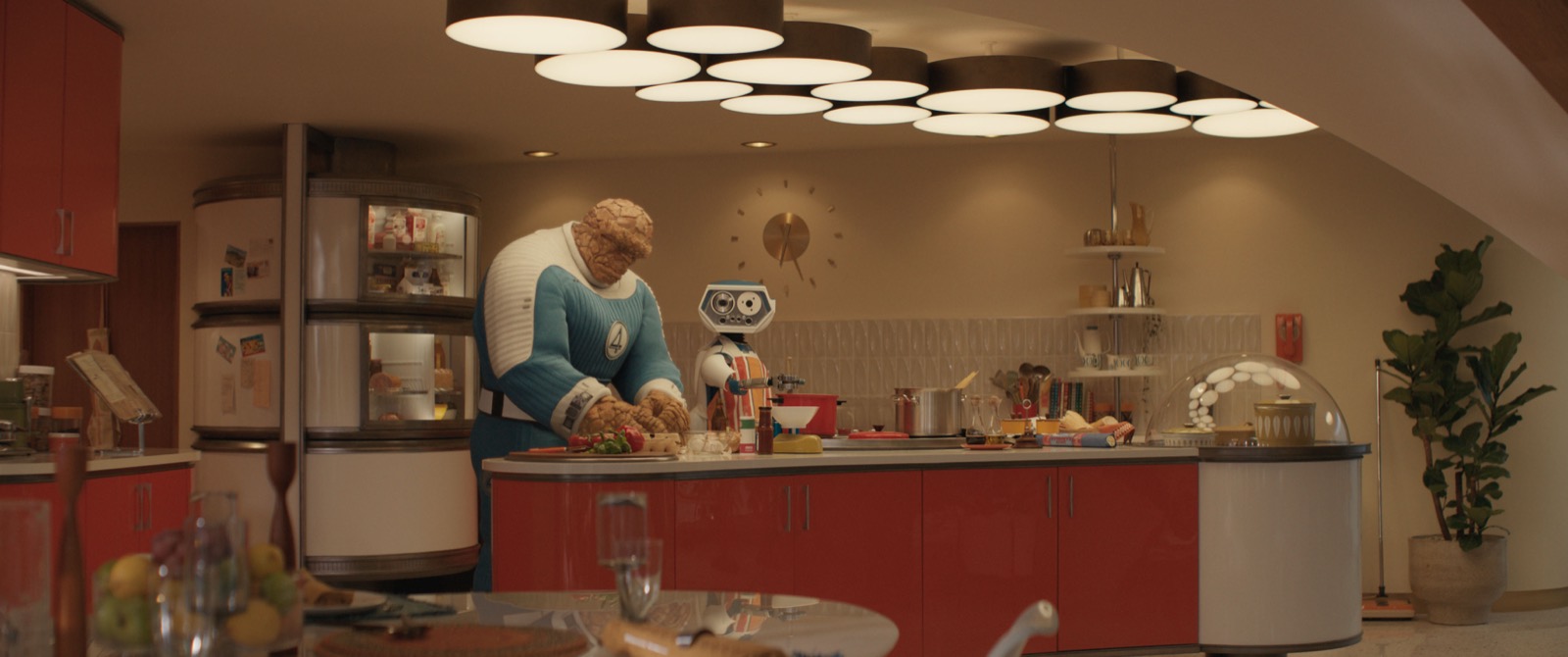
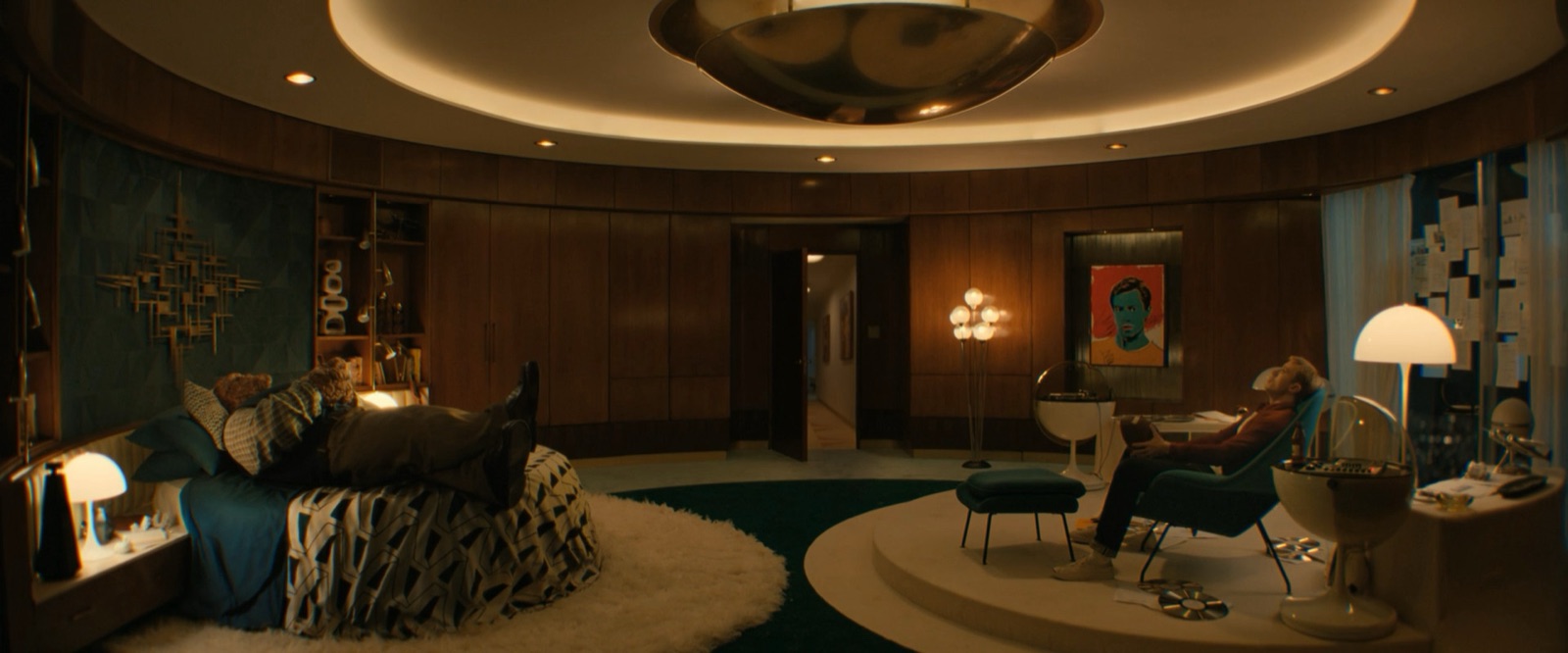
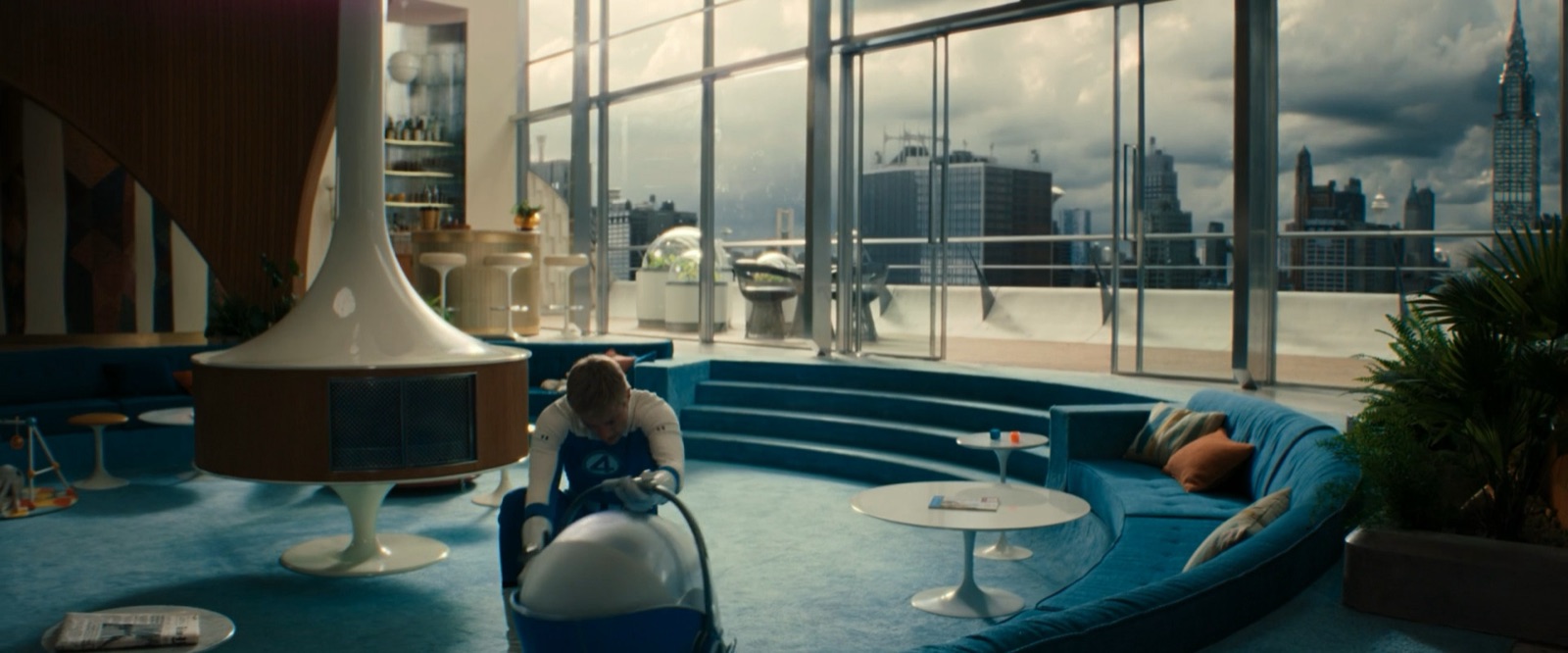
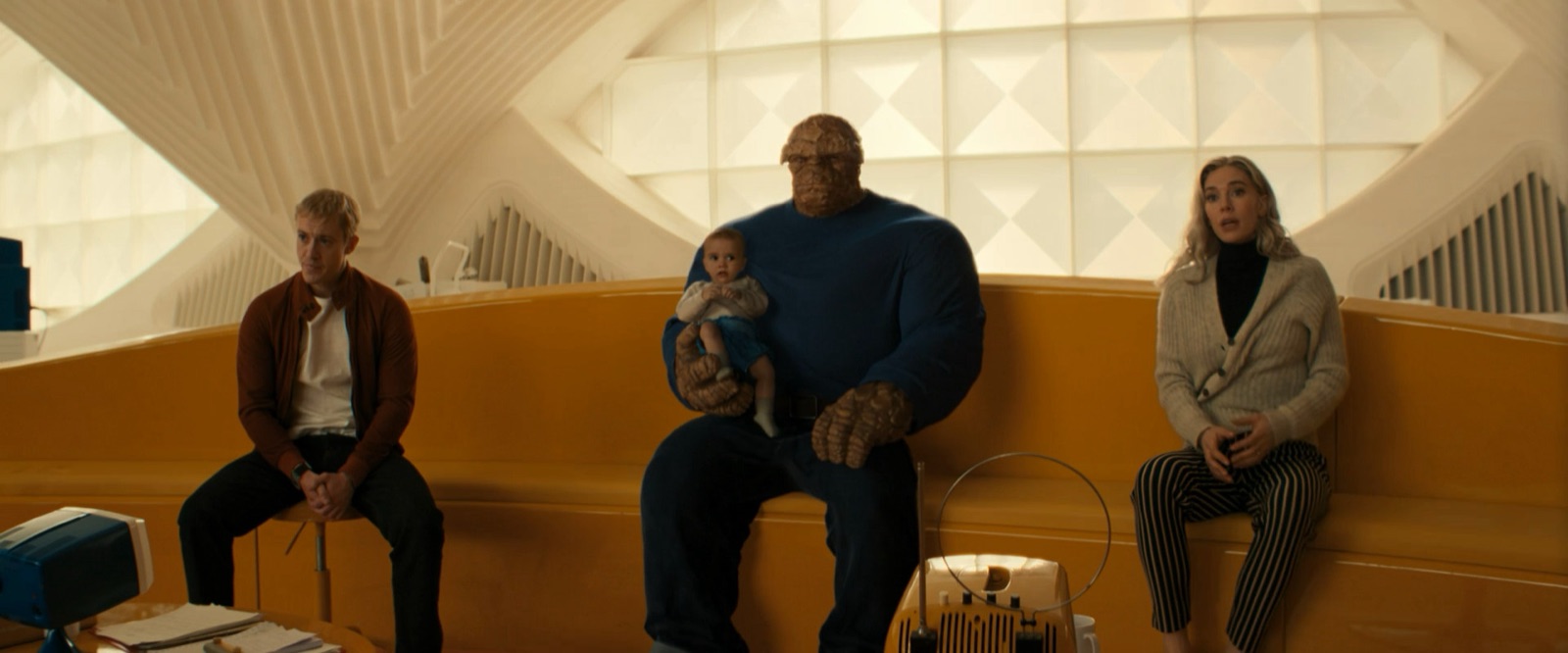
The Baxter Apartment was a small bull's-eye to hit. We had to design a penthouse apartment that captured the dynamism and spirit of the world that Reed had created and yet felt warm and inviting enough to be believable as a place a family could live. We wanted the apartment to inspire awe, and feel undoubtedly part of its retro-futuristic world, and yet not be ostentatious. We needed to create an inspiring sort of nest in the clouds where daily life could unfold and the Four could connect and recharge from their many responsibilities, and most importantly a place where they could raise a child.
The architecture declares the future; the set dressing declares the family.
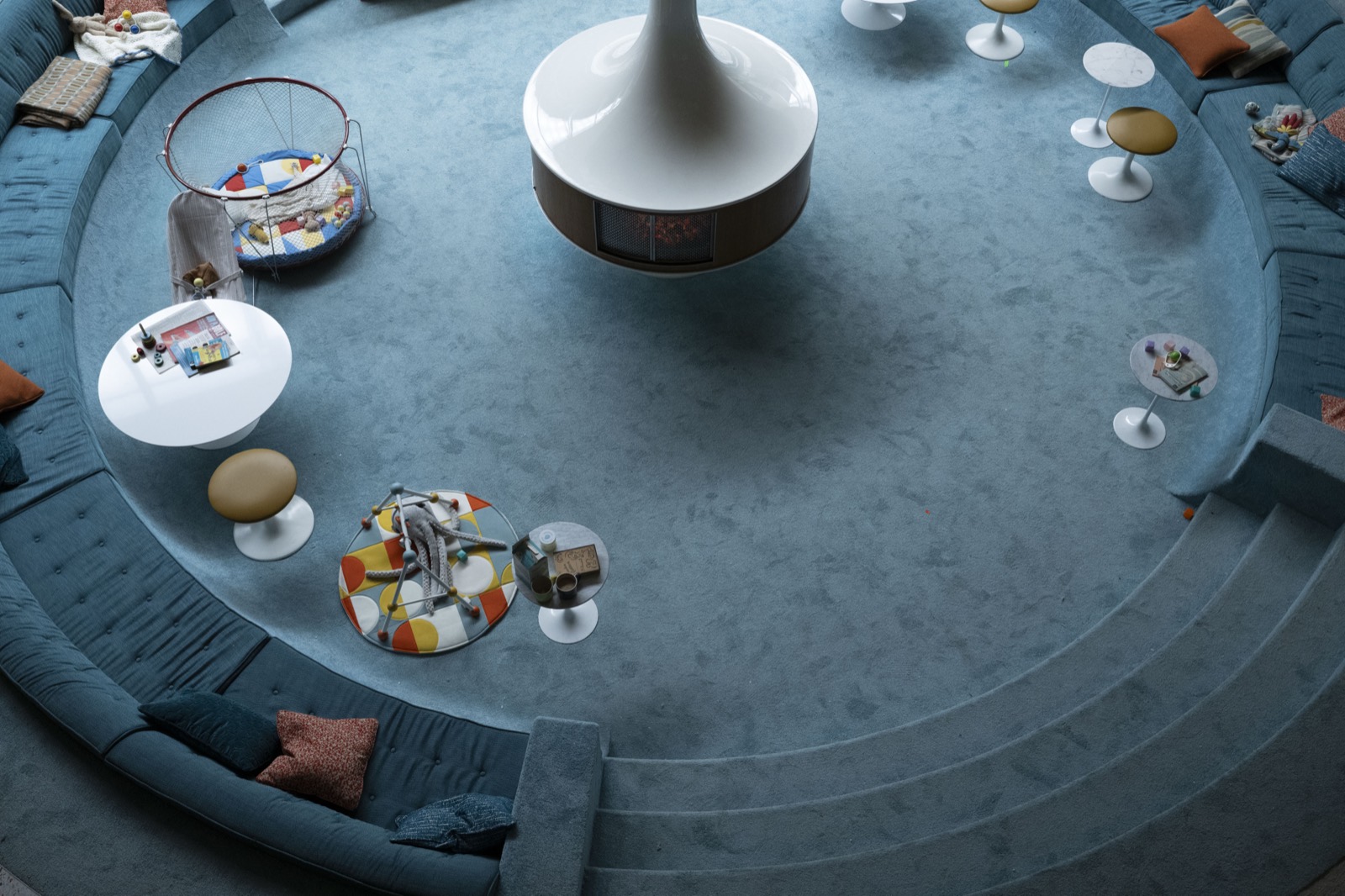
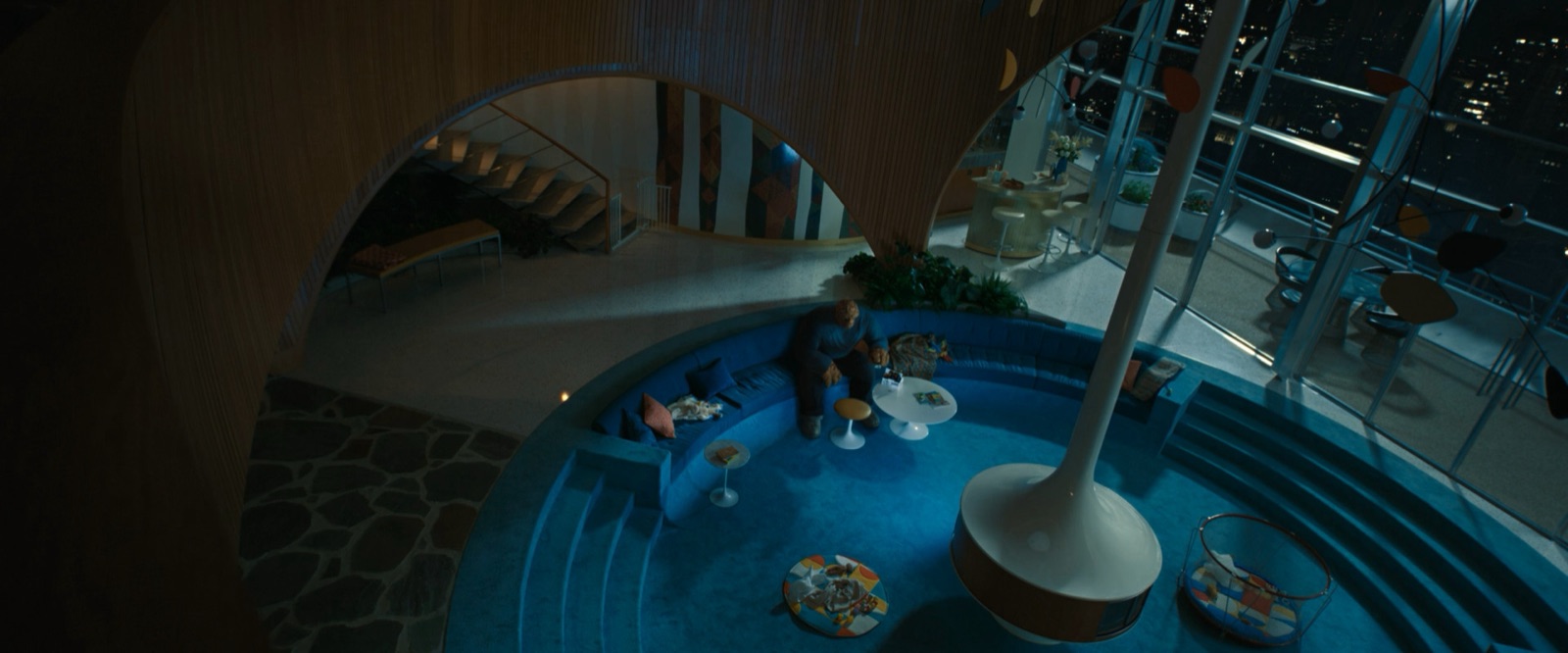
Rather than looking at penthouse architecture, we turned to warm mid-century residential architecture: California post-and-beam houses, modernist cabins with natural materials and organic forms. In our design, curved wooden paneling hugs the walls, while flagstone floors ground the space and lush plantings soften the transitions. The defining decision was the creation of a “cabin inside a penthouse”: a domed wooden structure built within the apartment itself. Within the dome sits a large carpeted conversation pit, a fireplace, and a hanging mobile whose embedded lights glow like stars in the evening. This inner dome creates intimacy within the grand envelope of the building, allowing Reed and Sue’s family life to feel emotional and intimate despite being in a skyscraper penthouse.
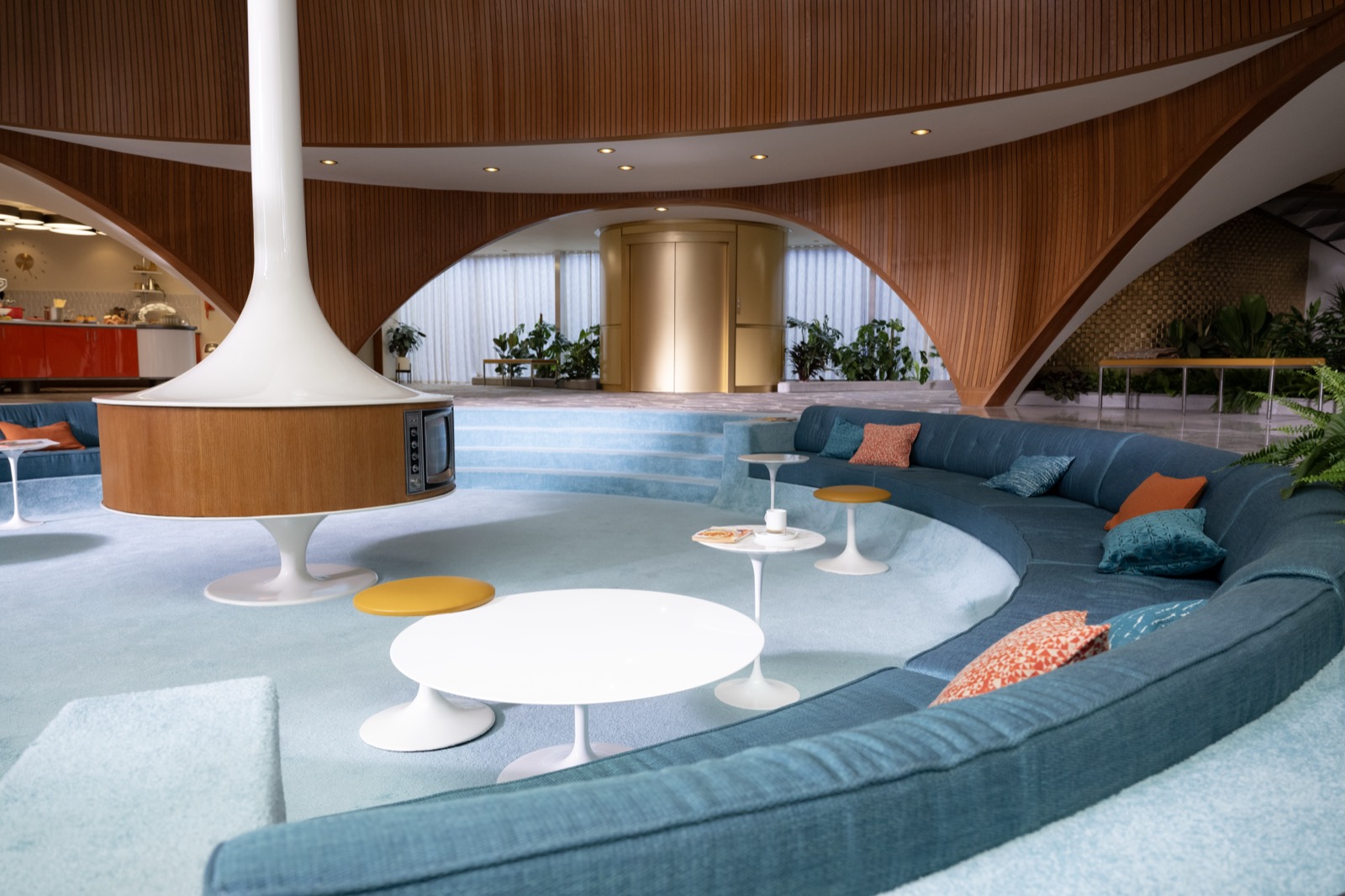
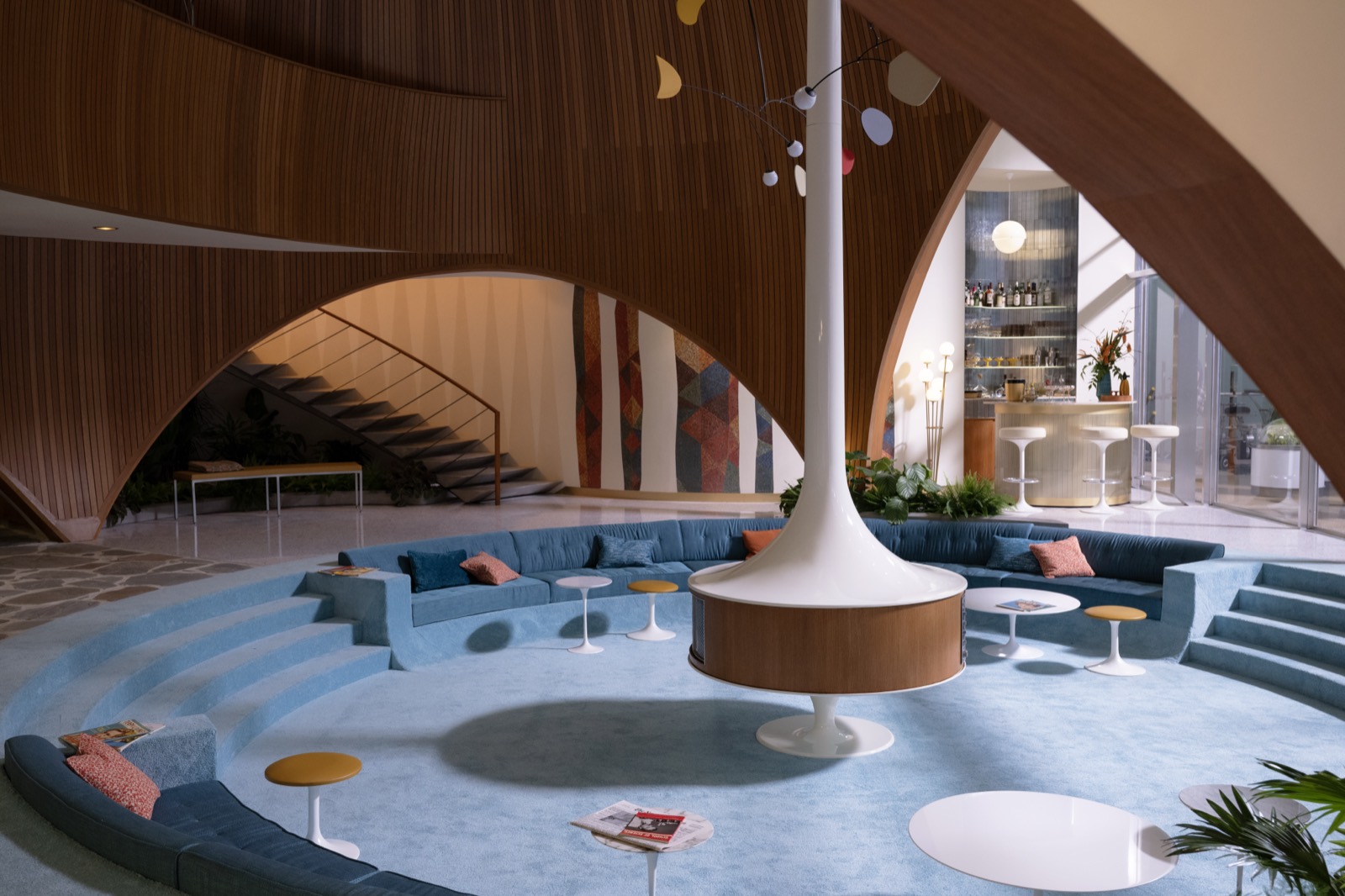
We had a stellar team on this set. I was lucky enough to rough this space out with revered set designer Luis Hoyos, before developing the spaces further with Patrick Dunn-Baker and concept artist Josh Viers. UK art director Alex Baily expertly oversaw the completion of the details, drawings, and construction supervision. In the end, the apartment set filled a stage, as a contiguous two-floor set; bedrooms and mezzanine upstairs, common spaces and terrace below.
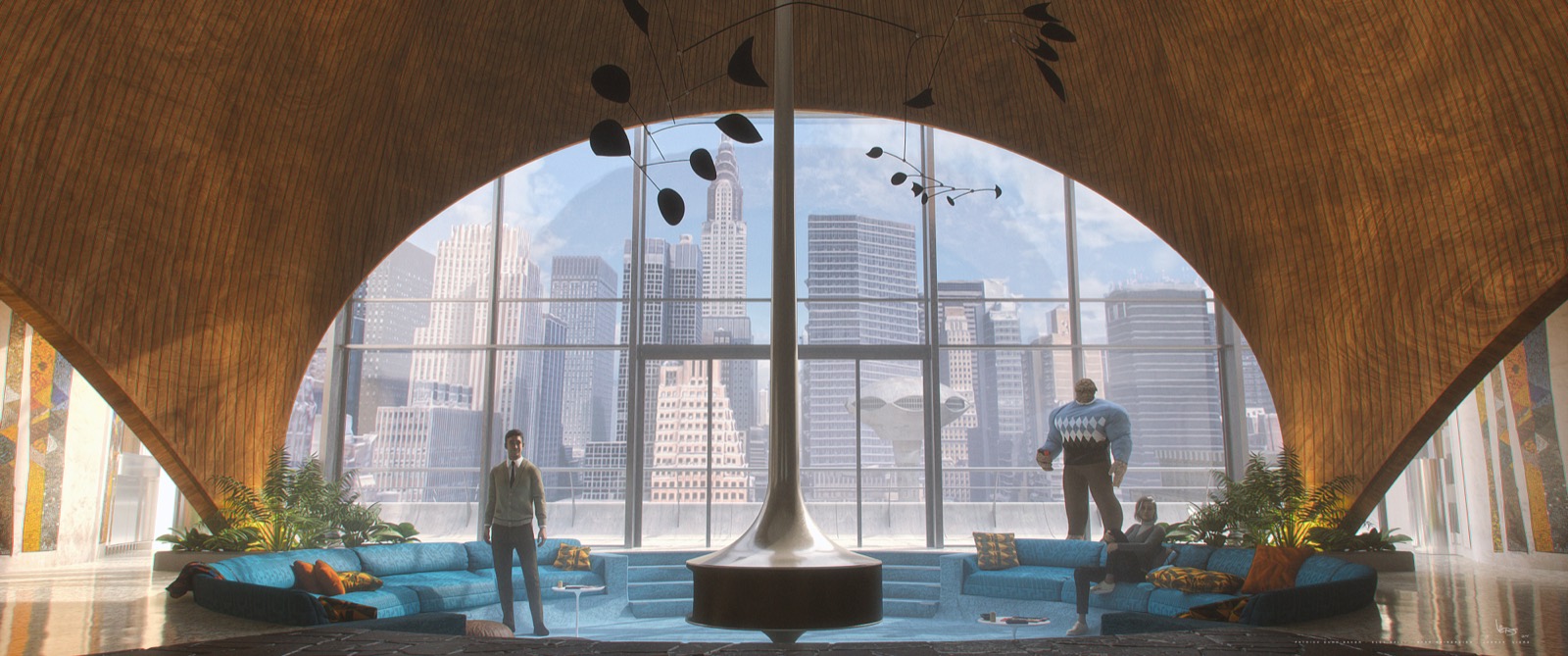
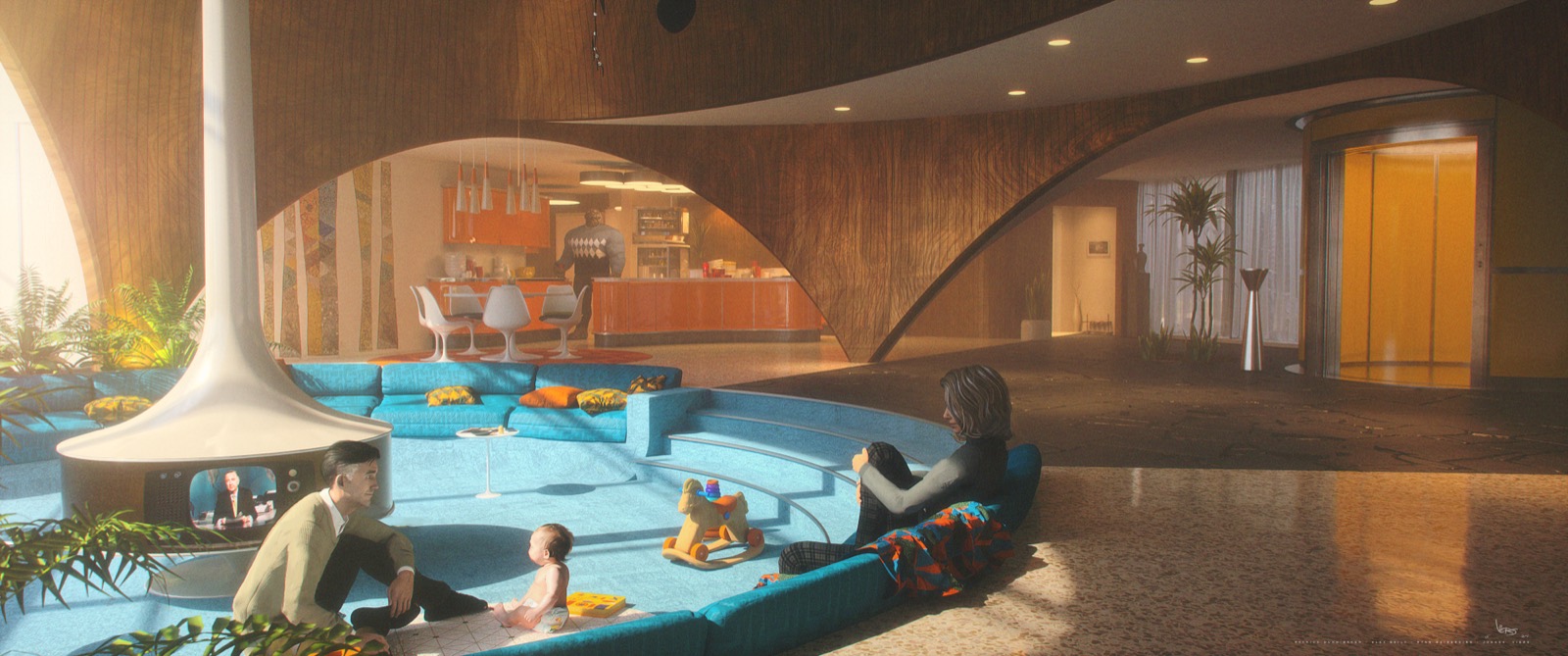
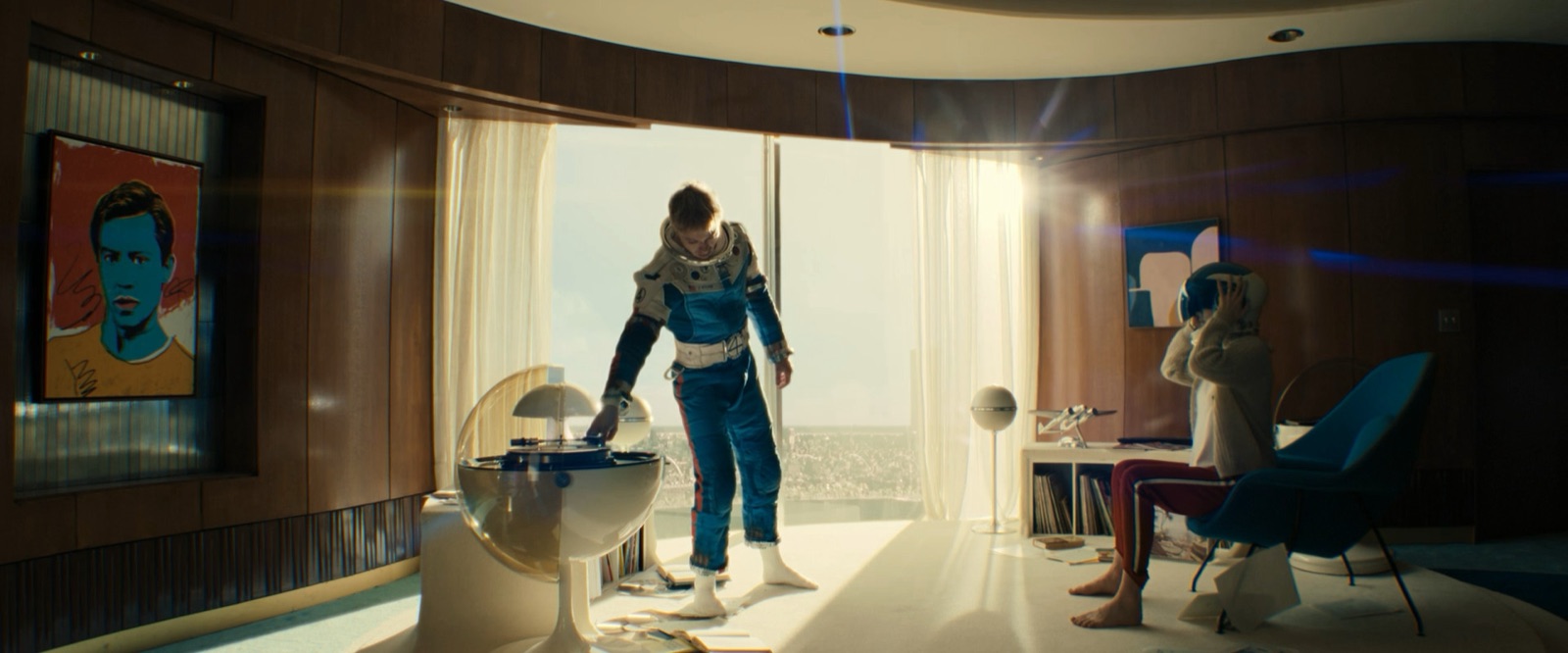
Critically, set decorator Jille Azis and her team layered the space with rich, lived-in detail—gorgeous era furniture, a record listening station, a playpen, a baby blanket, toys, magazines, books, and mugs left out from late nights. The architecture declares the future; the set dressing declares the family.
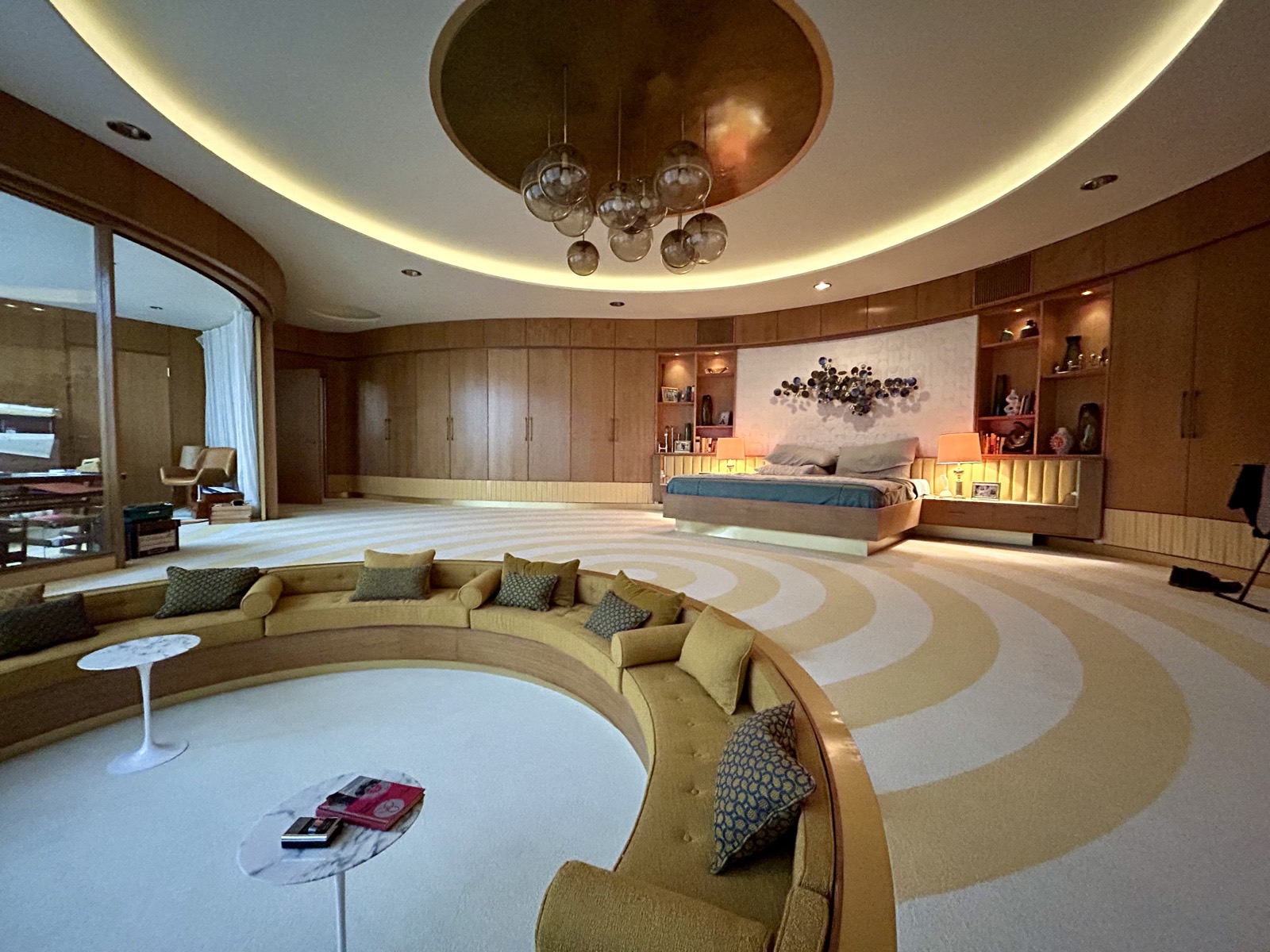
Set photography
Reed’s Lab
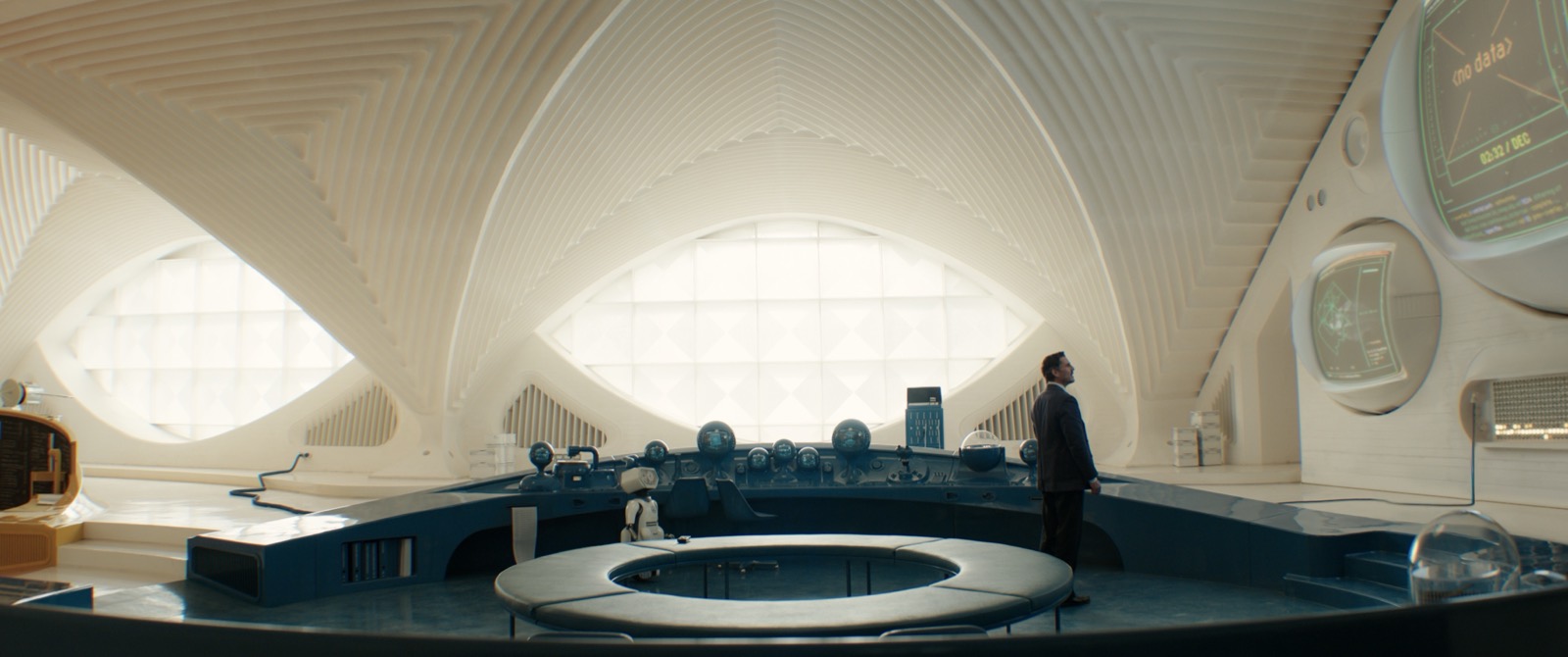
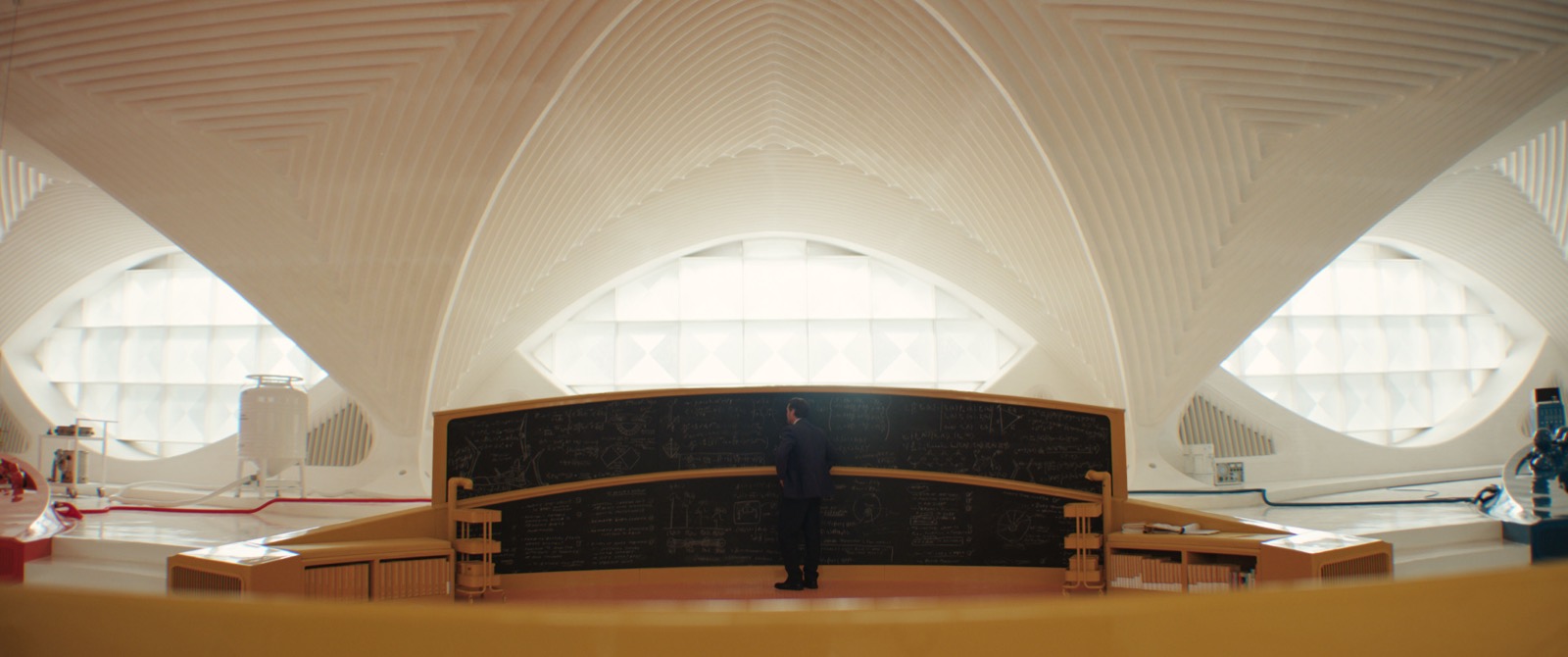
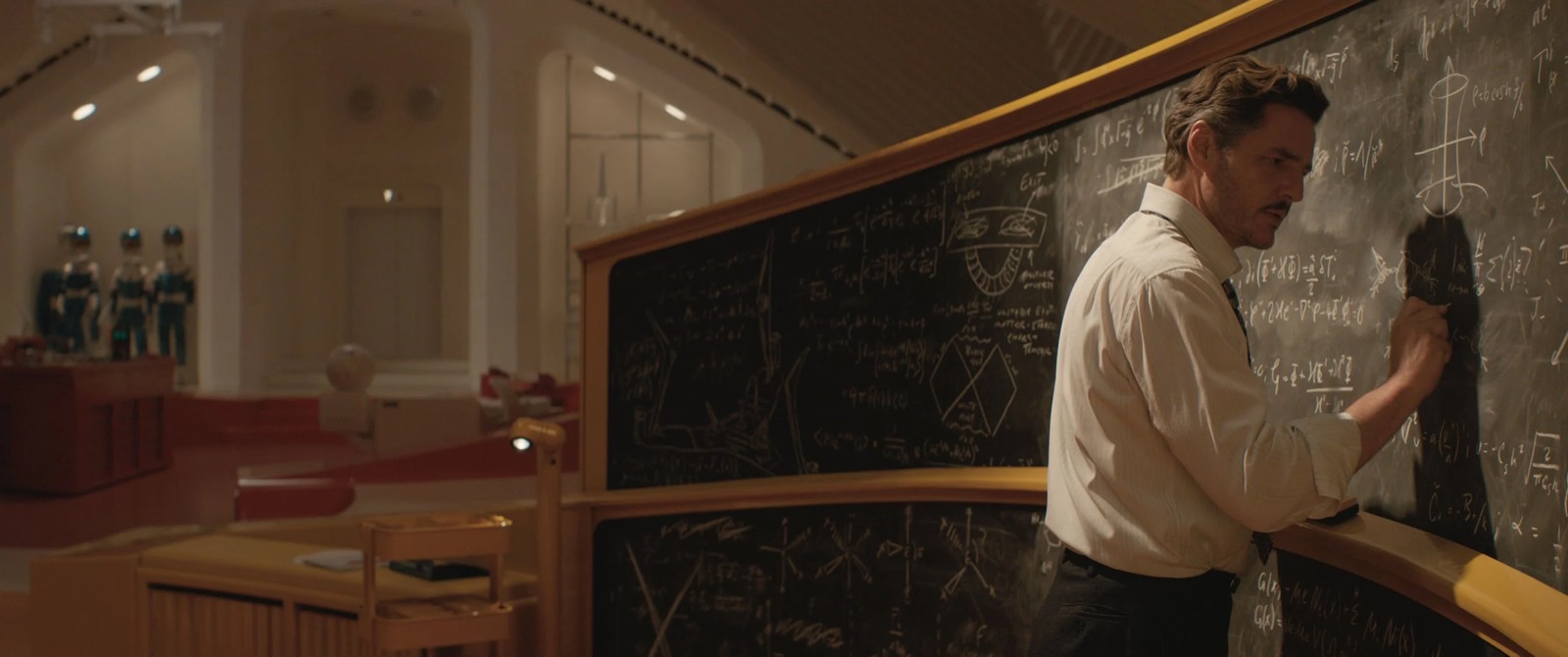
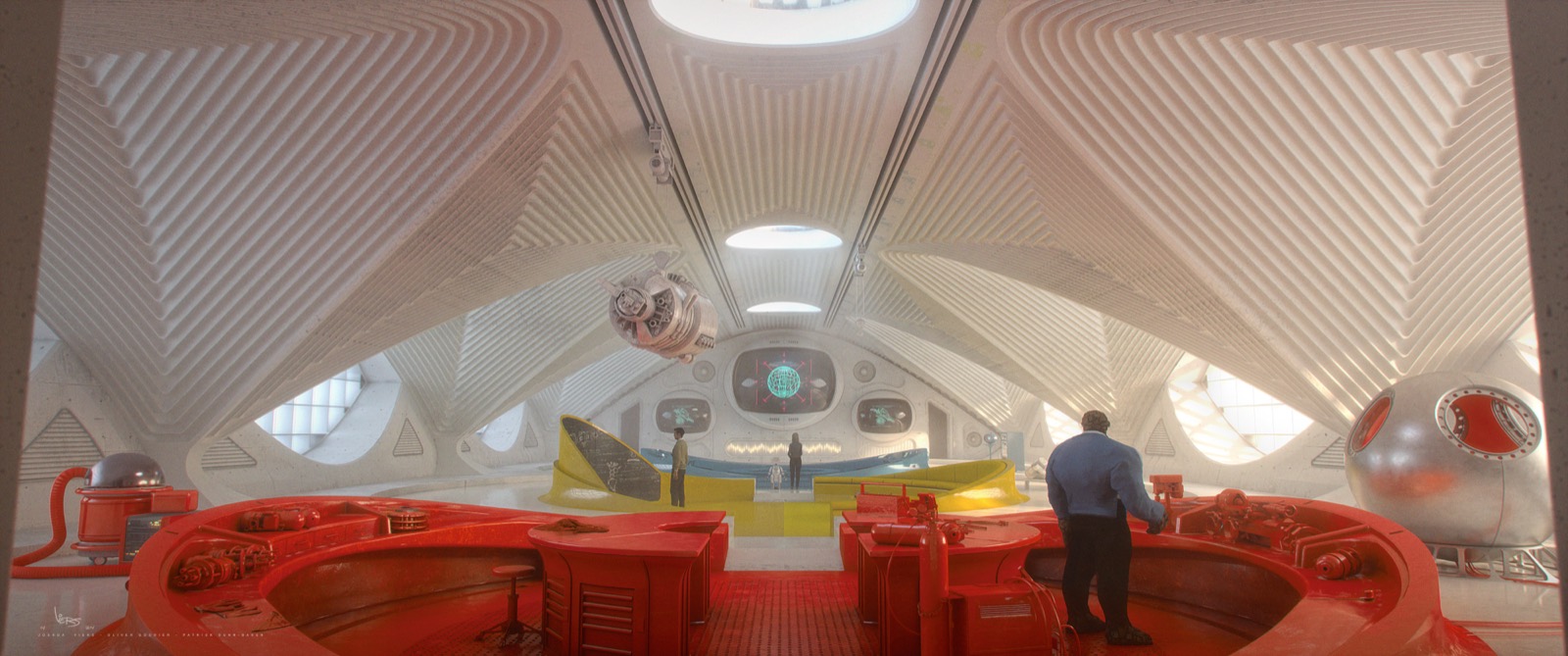
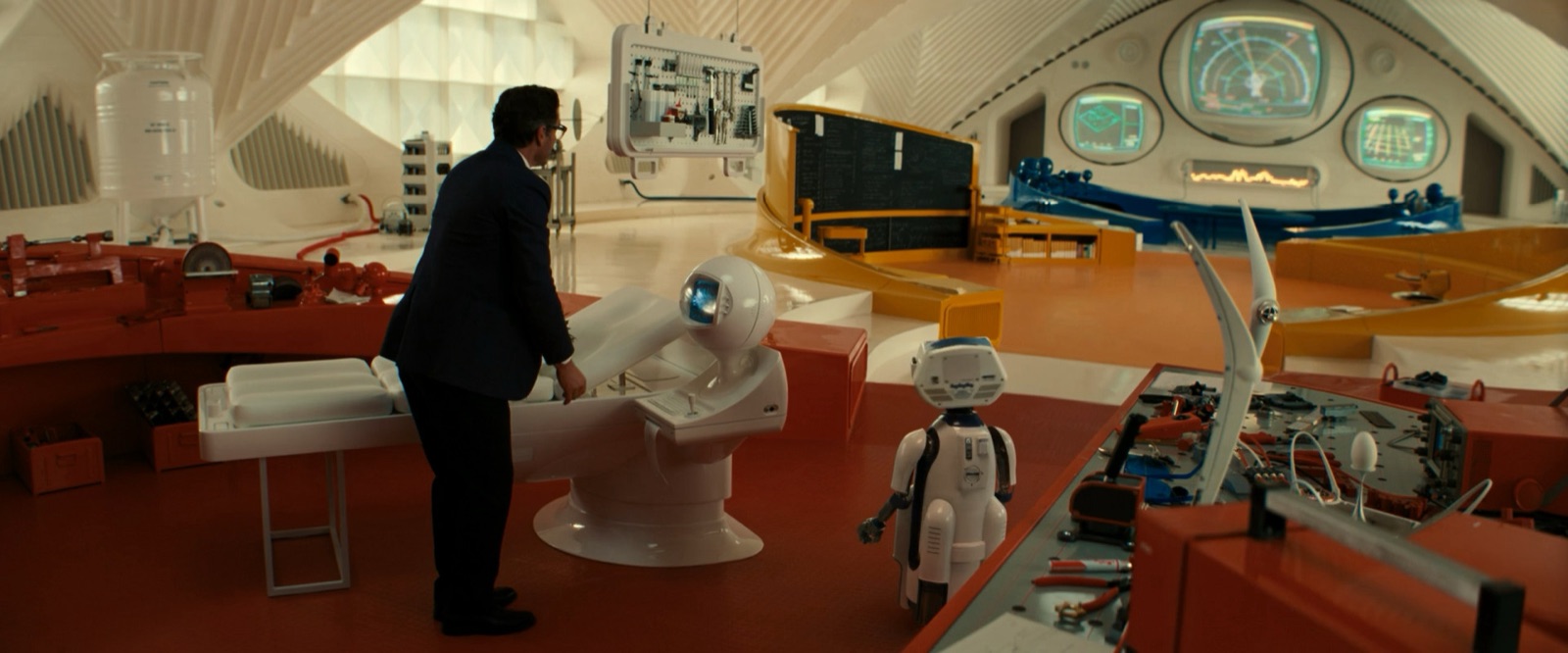
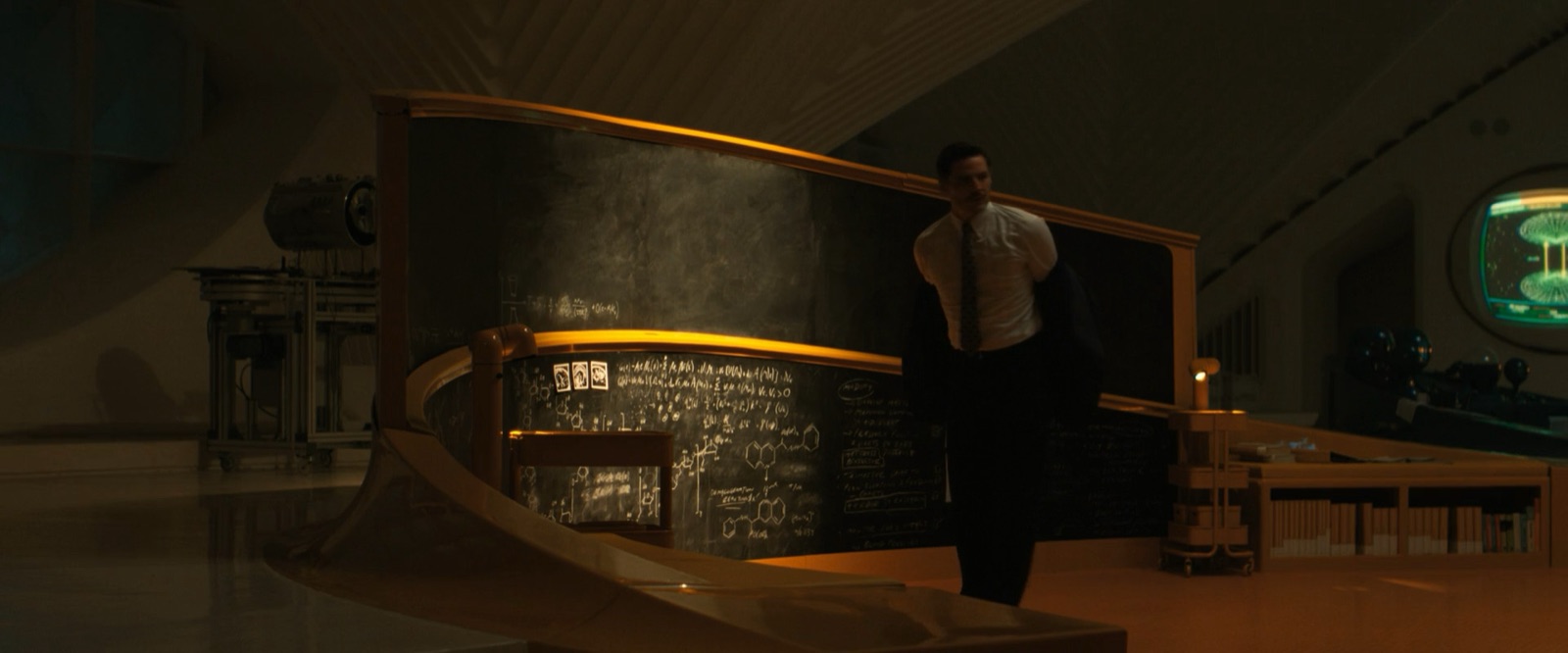
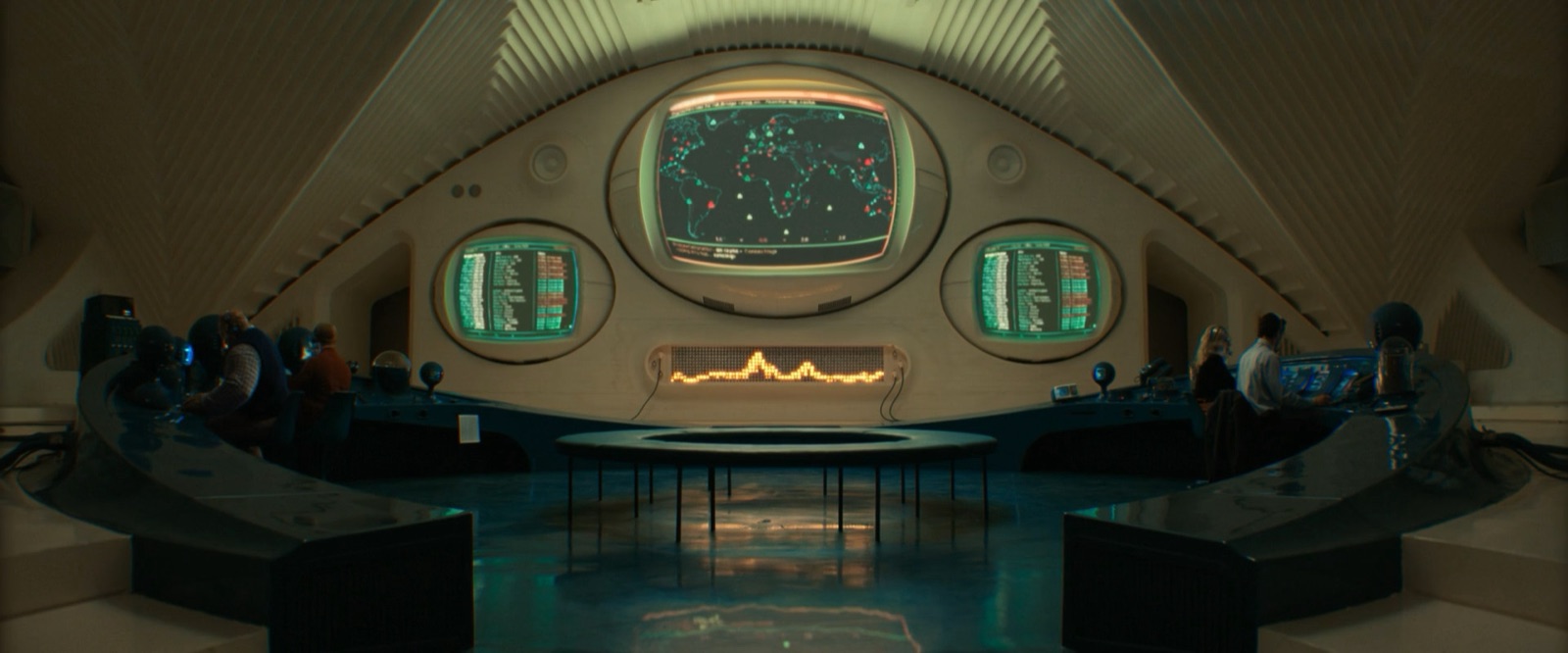
Above the apartment lies Reed’s Lab: a figurative manifestation of Reed's mind and thought process. With its voluminous size, vaulted ceilings, and geometries of saturated color, the lab was envisioned as a sort of cathedral of science.
When I saw how the raw plaster responded to light, I knew we could not paint it.
Representing Reed’s hyper-rational mind, the lab was divided into three distinct chromatic zones—red for research and prototyping, yellow for contemplation and discussion, and blue for mission control. Dieter Rams, Luigi Colani, Eero Saarinen, and 2001: A Space Odyssey were strong inspirations both for the palette as well as the monolithic nature of the fiberglass workstations.
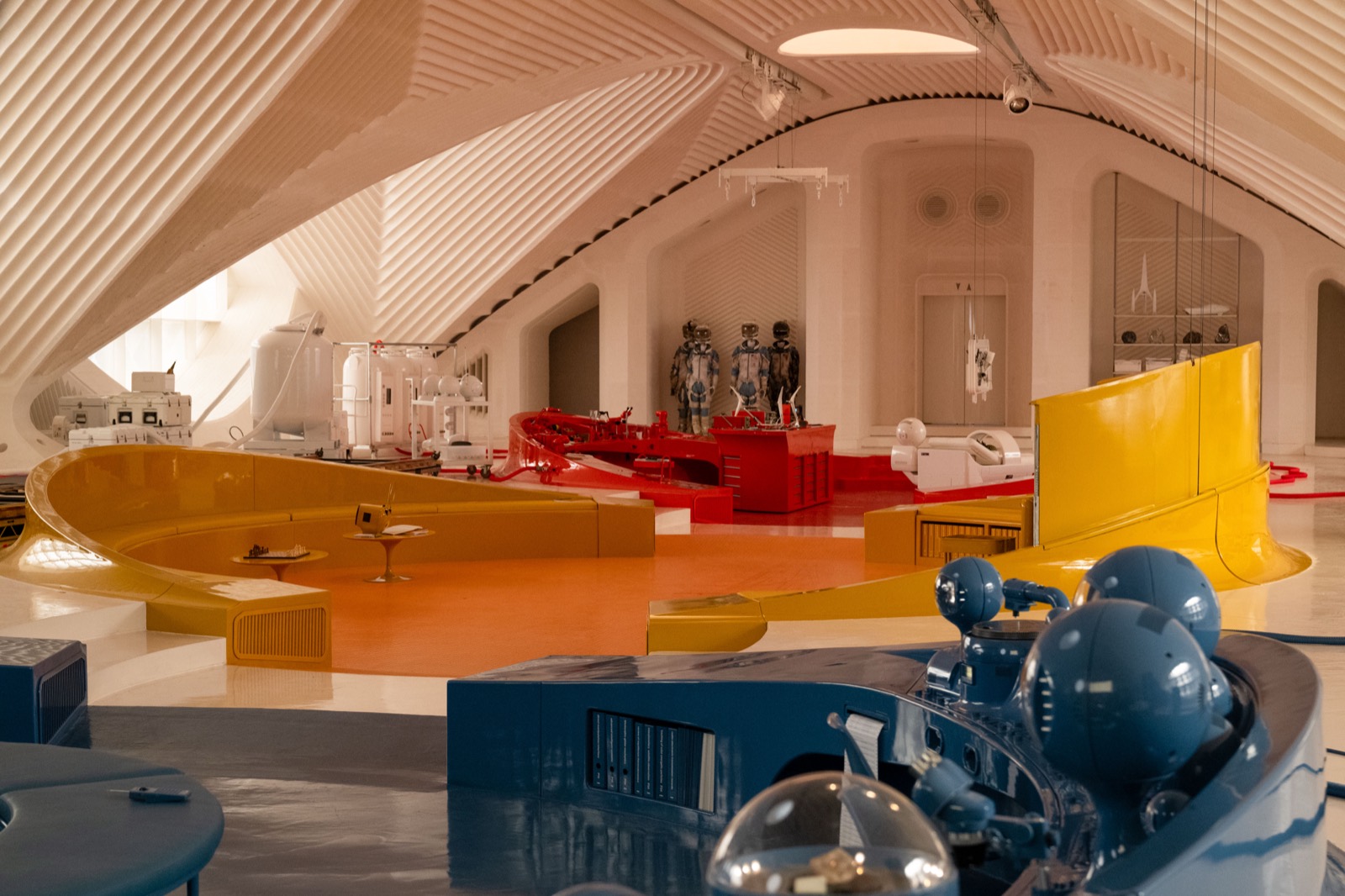
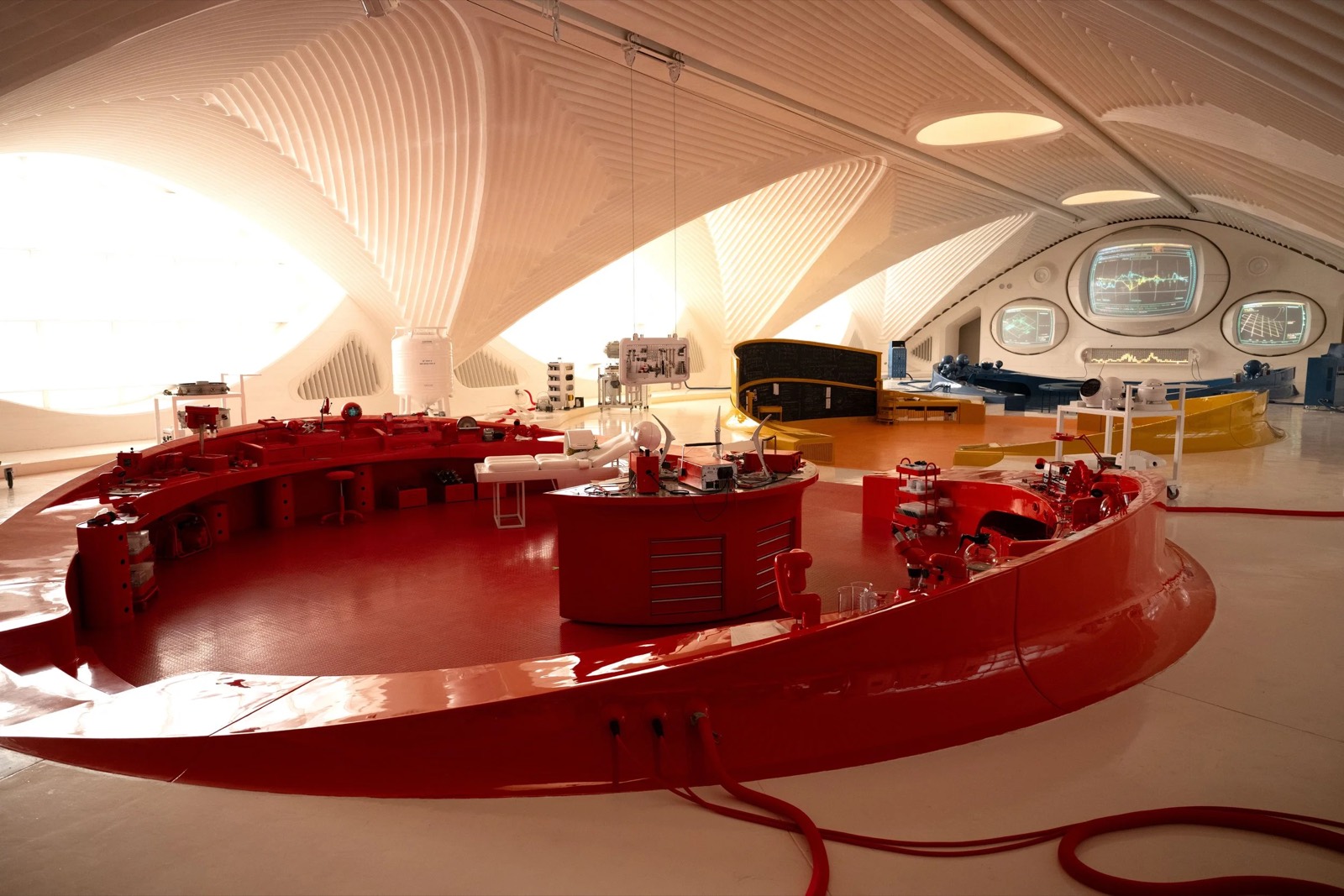
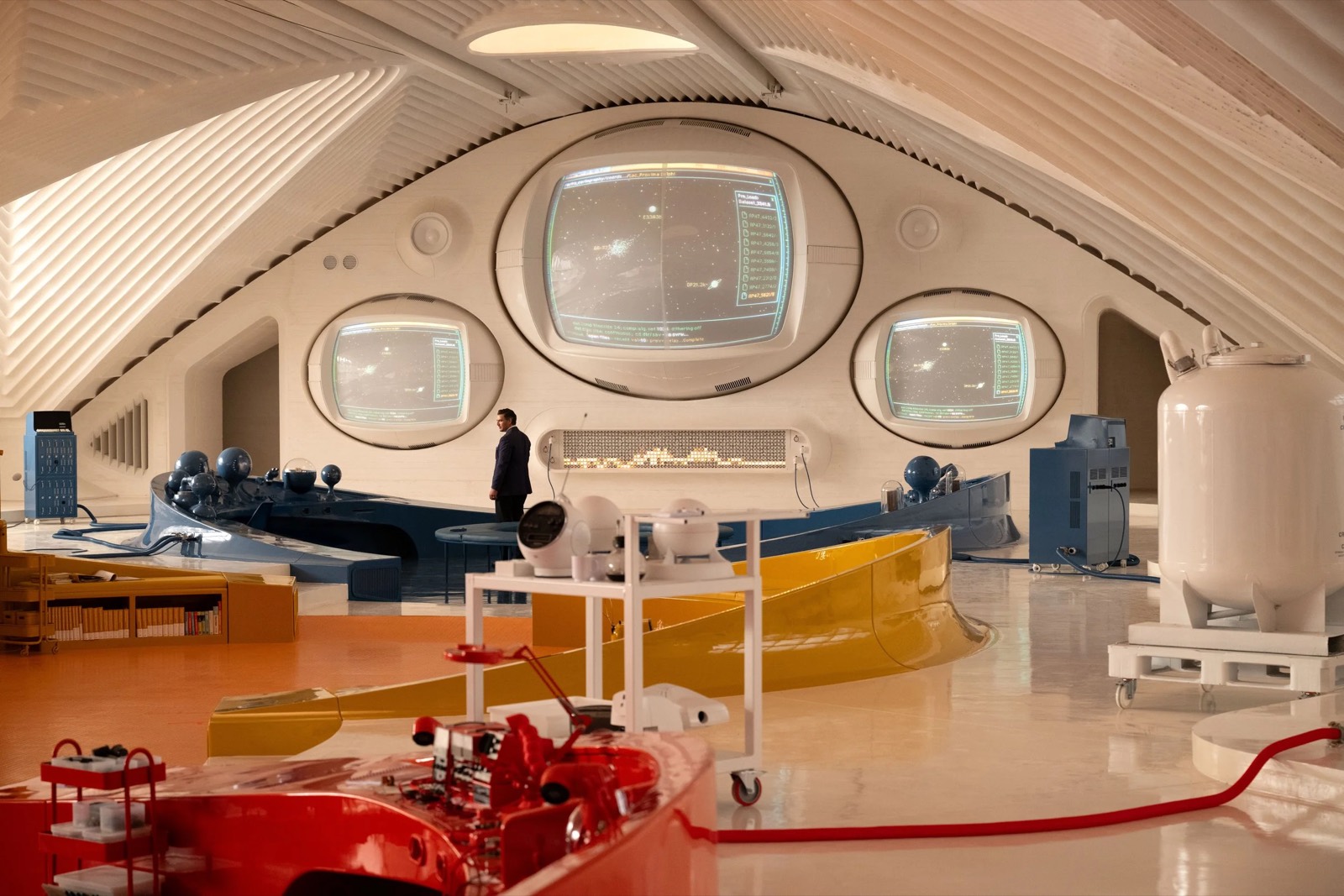
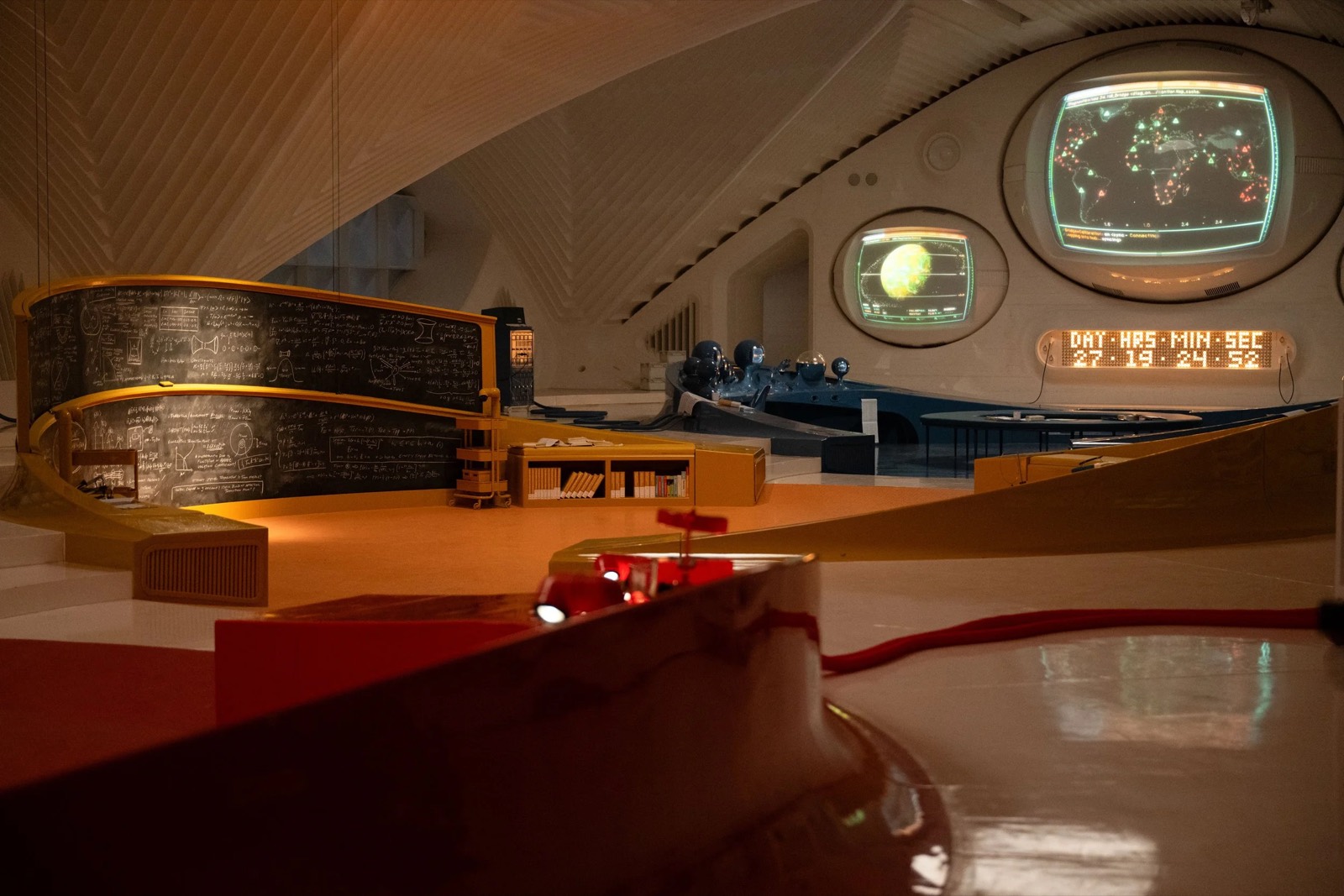
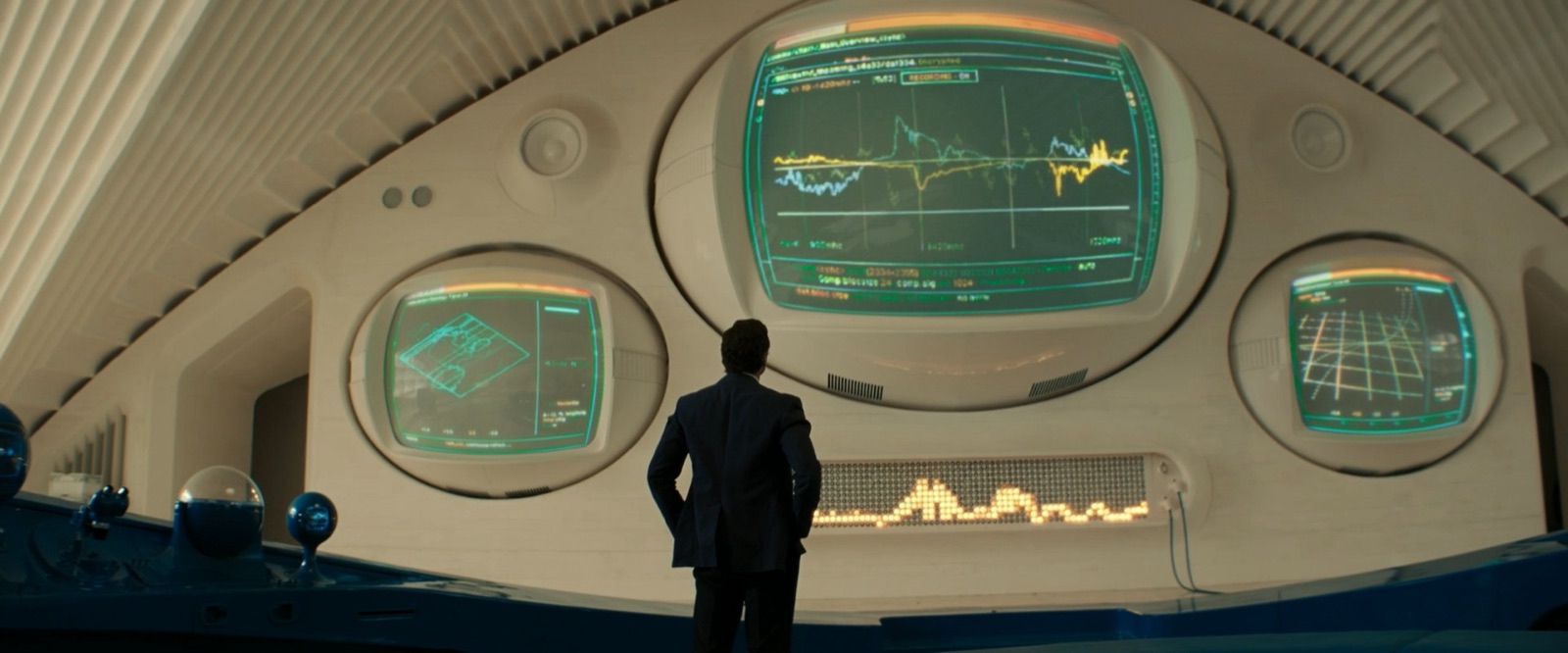
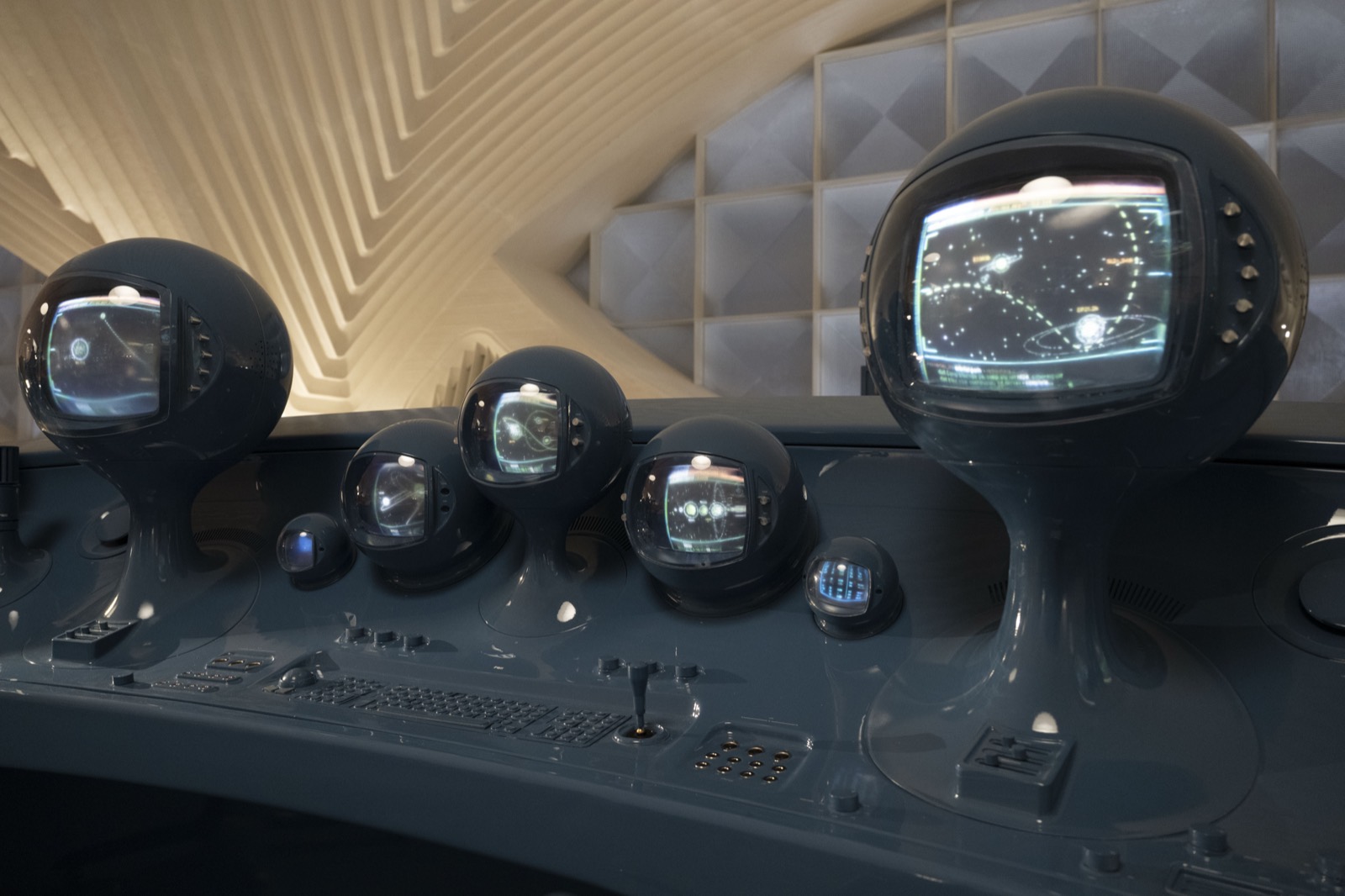
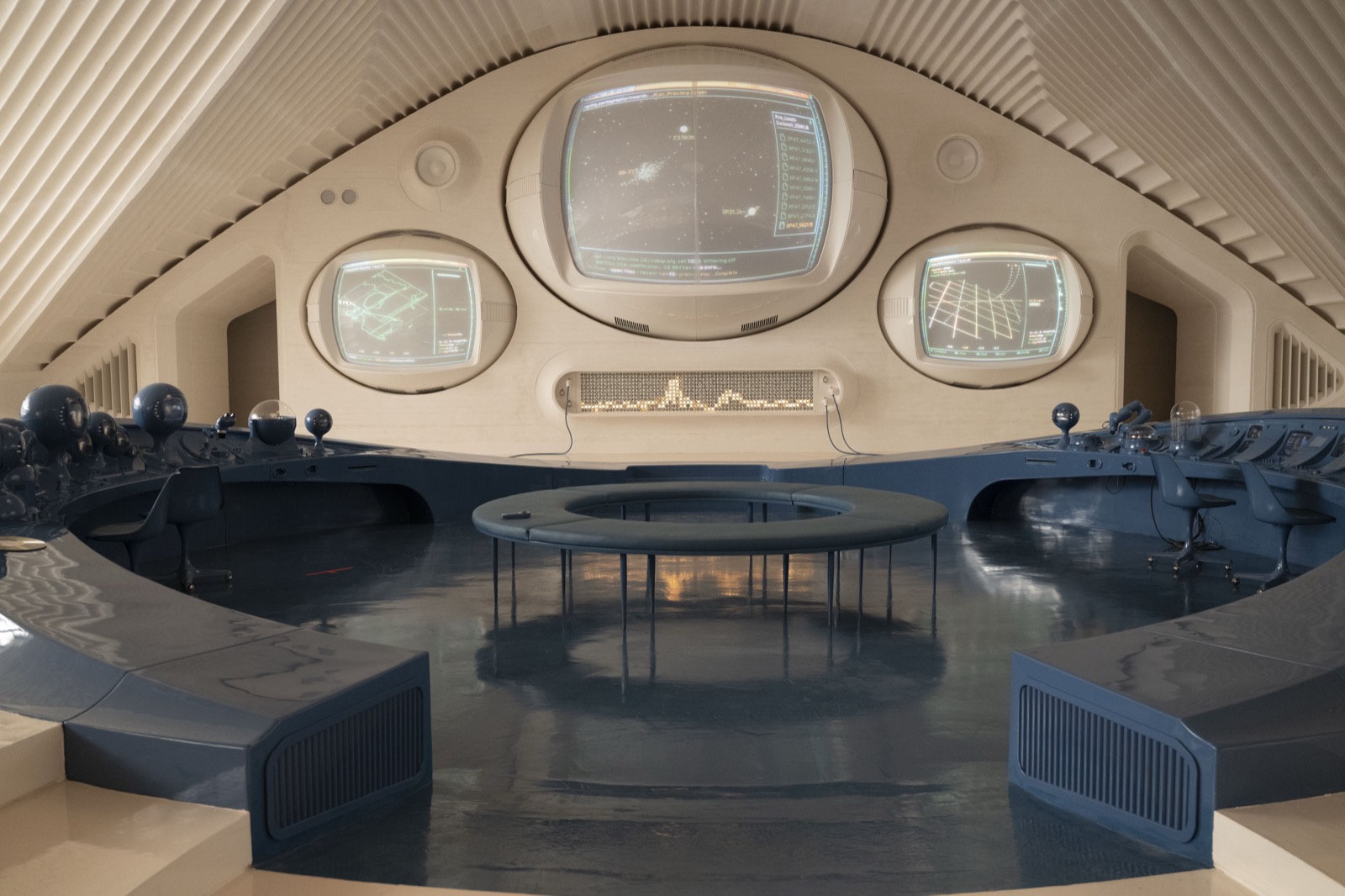
Set photography
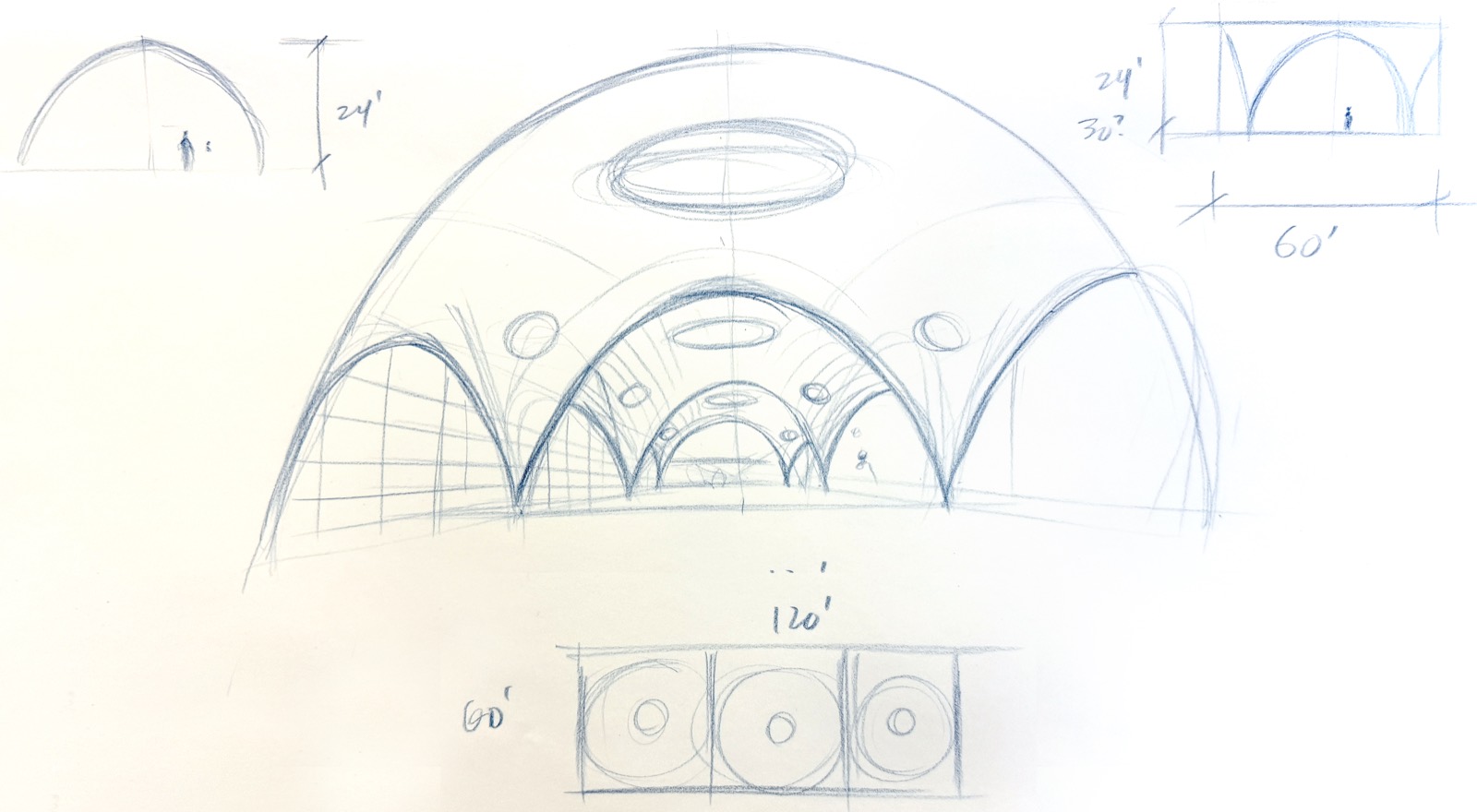
The vaulted ceilings for this fully in-camera 360° set became the most unique element of the design. With the lab occupying the top of a fully populated skyscraper in Midtown Manhattan, the space needed to feel robust and fortified, should some experiment go wrong. It had to feel as secure as a bunker, yet still light as a feather and an expression of Reed’s intellectual clarity. In pursuit of a sort of absorptive feel, after a mere two dozen iterations with set designer Patrick Dunn-Baker, we arrived at the labyrinthine, fluted pattern for the walls and ceiling. Cast by our brilliant plaster team into milled molds, under the supervision of UK art director Oliver Goodyear, the vast unpainted surfaces were luminous. When I saw how the raw plaster responded to light, I knew we could not paint it. Instead, we burnished it, creating a shimmering surface of raised highlights and matte valleys. The result felt akin to a devotional space; devotion to science.
The Excelsior
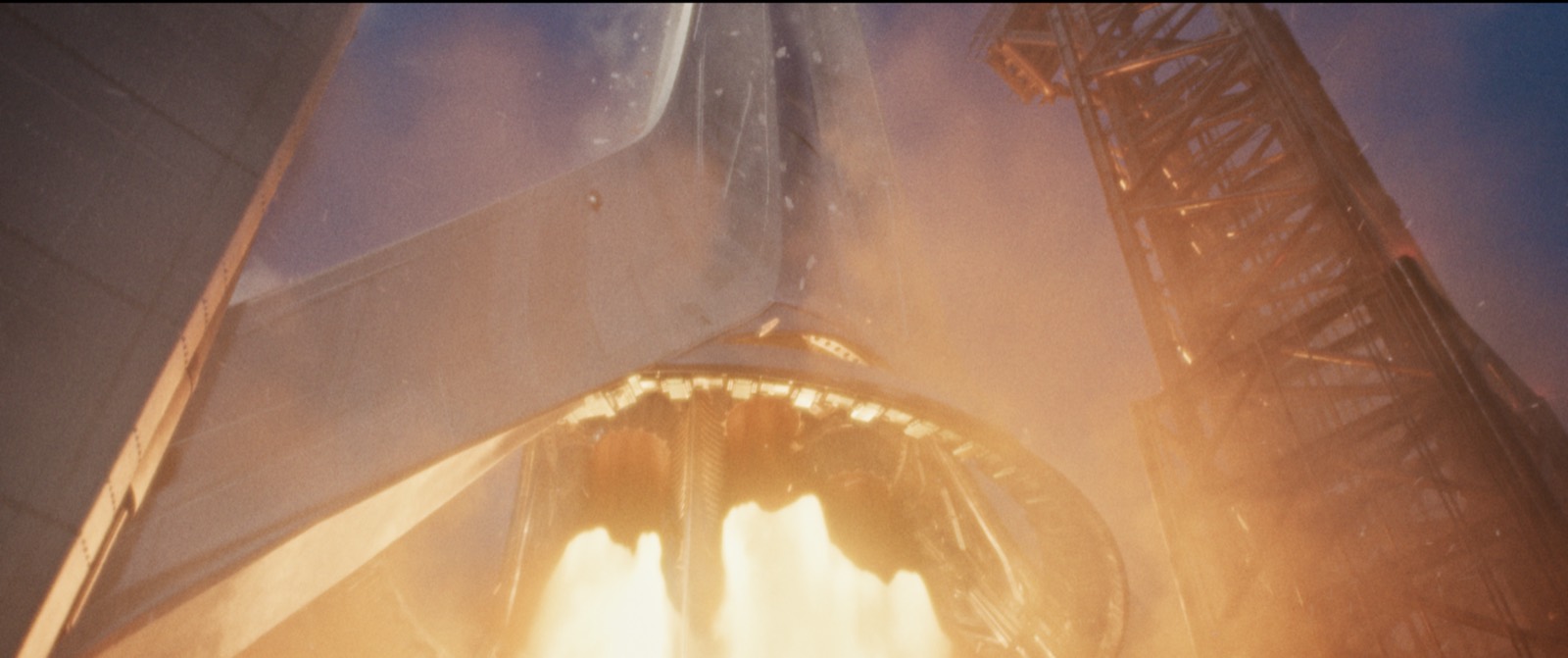
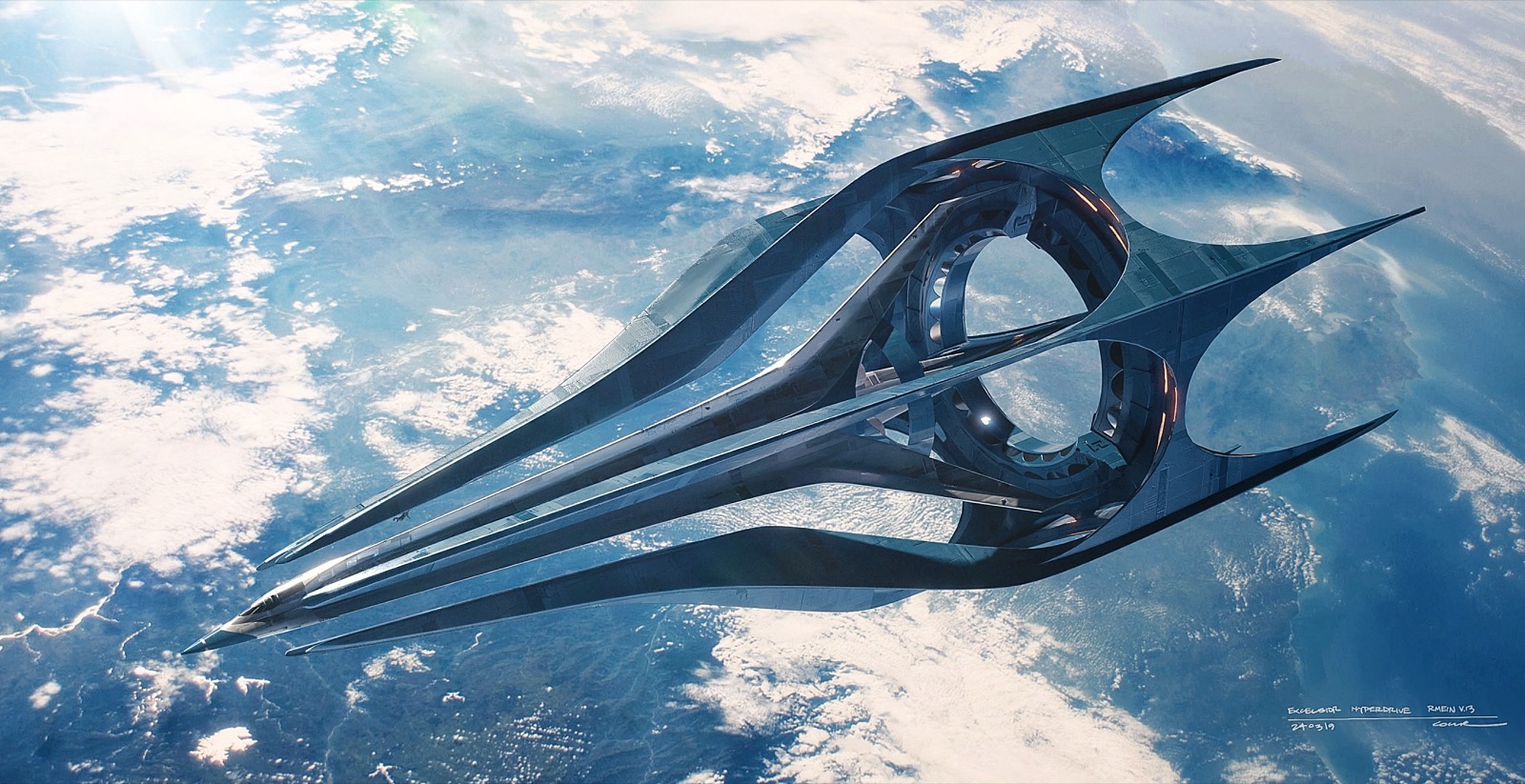
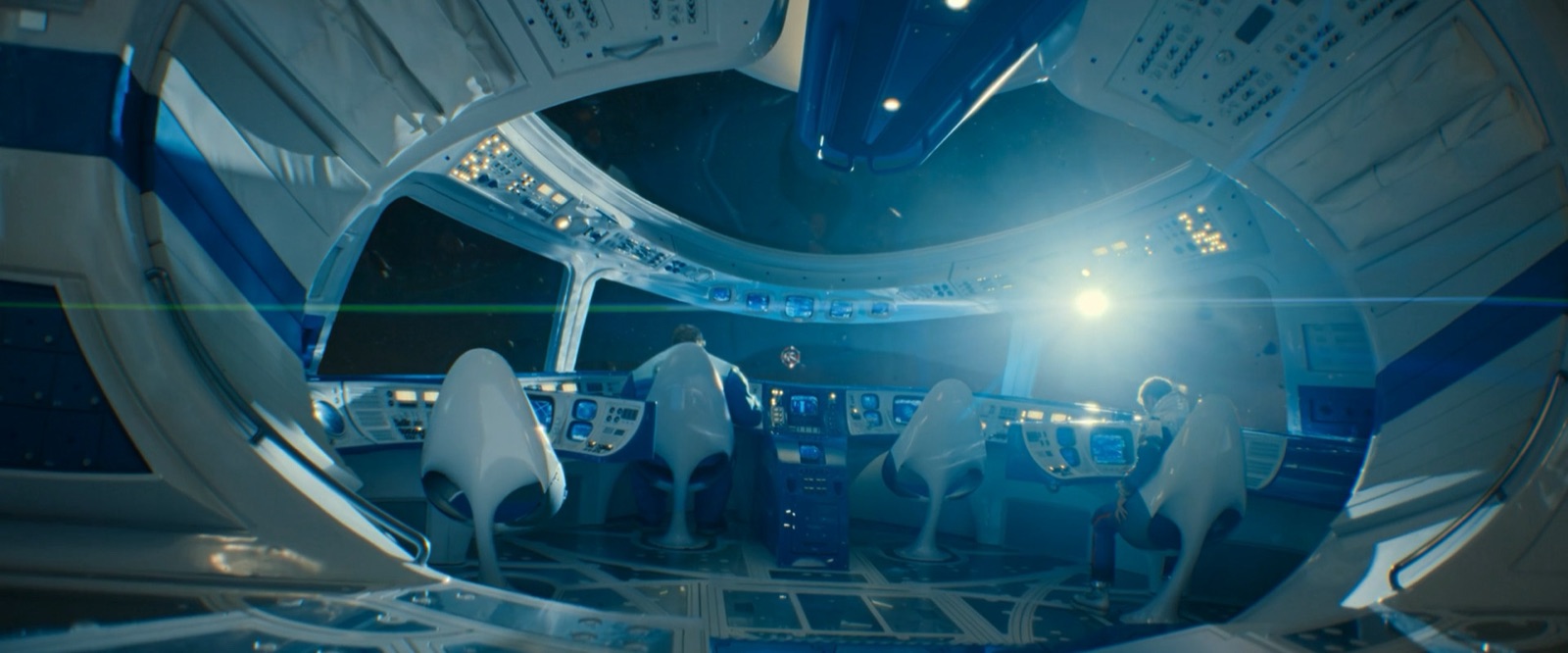
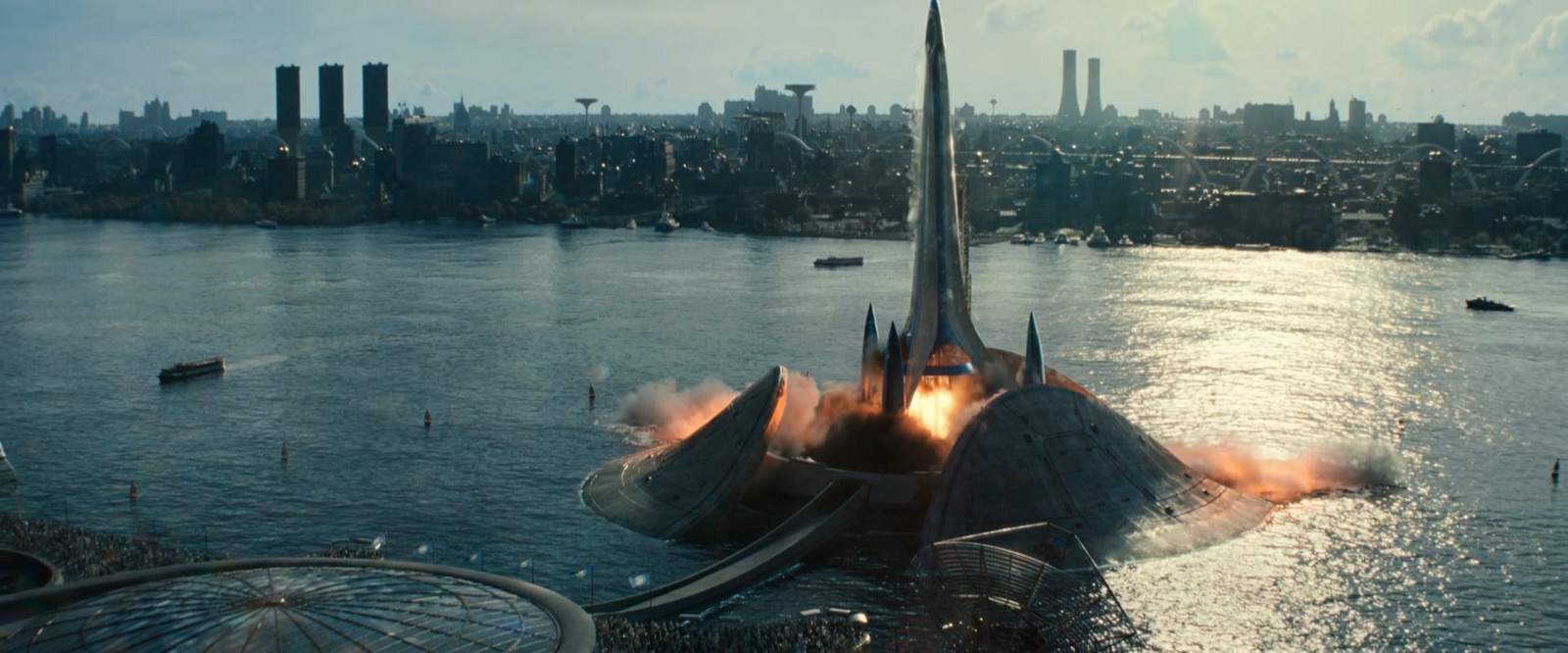
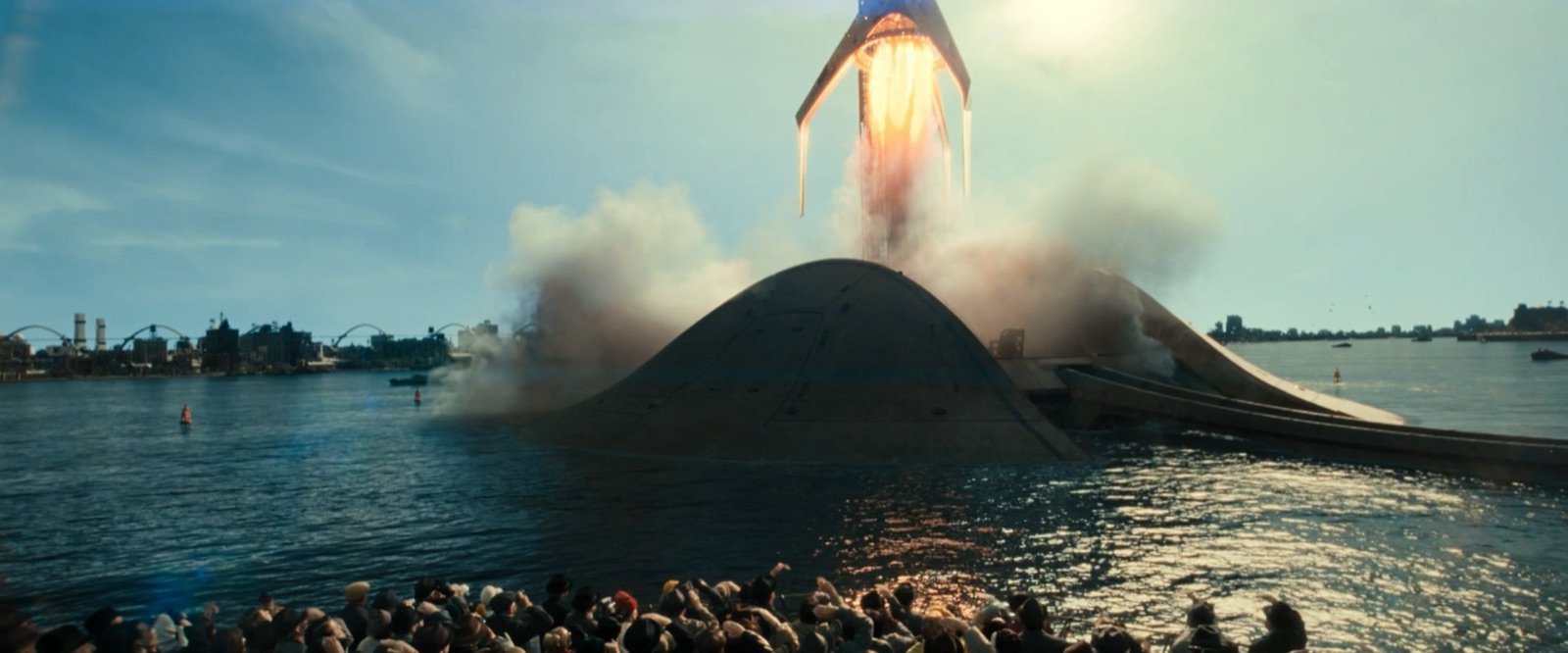
One of the most complex design challenges of the film was the Excelsior spacecraft. It needed to be a believable rocket with a cockpit and aerodynamic form that you would need to escape the Earth’s gravity and atmosphere. It also needed to be a convincing zero-gravity research station, with workstations and a multitude of experiments that could be operated without gravity and upside down. The Excelsior also had to serve as a faster-than-light interstellar craft. And finally, it needed to be a distinctive icon of optimistic retro-futurism that could serve as a stunning sculptural monument on the East River next to the Baxter Building when the craft was not needed for duty.

The exterior silhouette of the Excelsior had to be iconic, elegant, and a quick read. After extensive rounds of exploration with veteran concept artist Colie Wertz, we landed on something bold and clean. The final form combined a classic retro-future rocket silhouette with the elegant, accelerating curves of Niemeyer’s Brasilia.
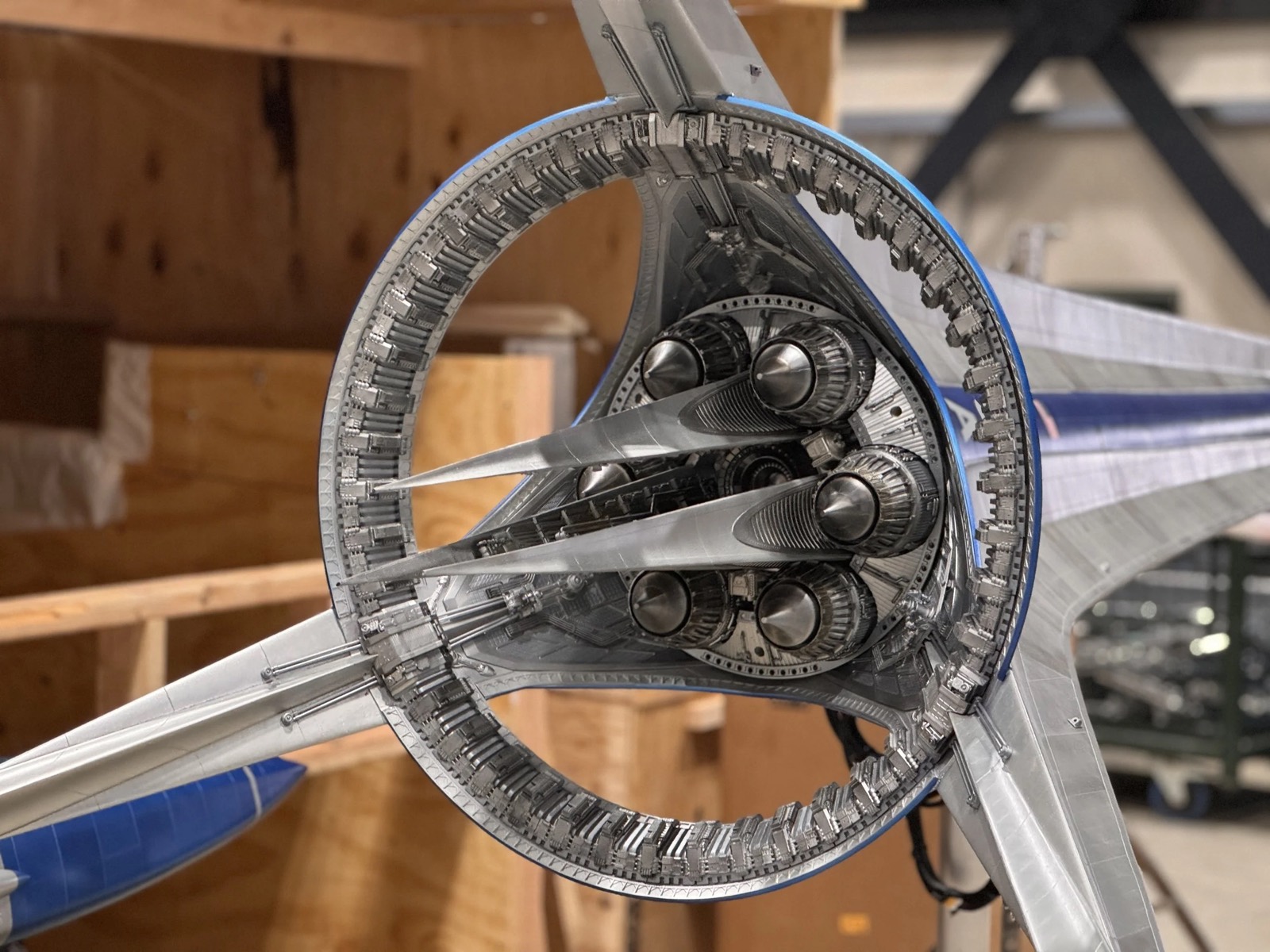
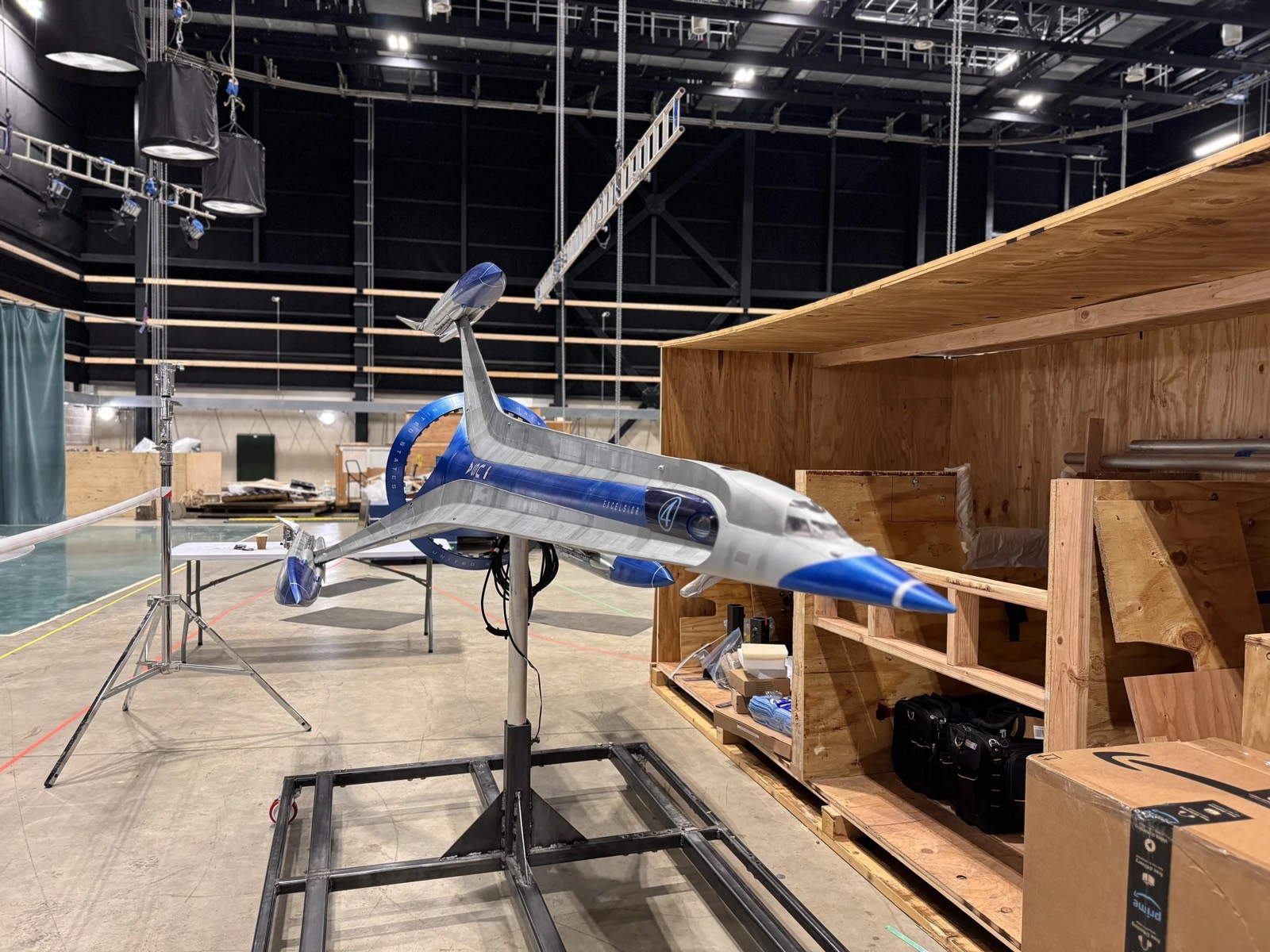
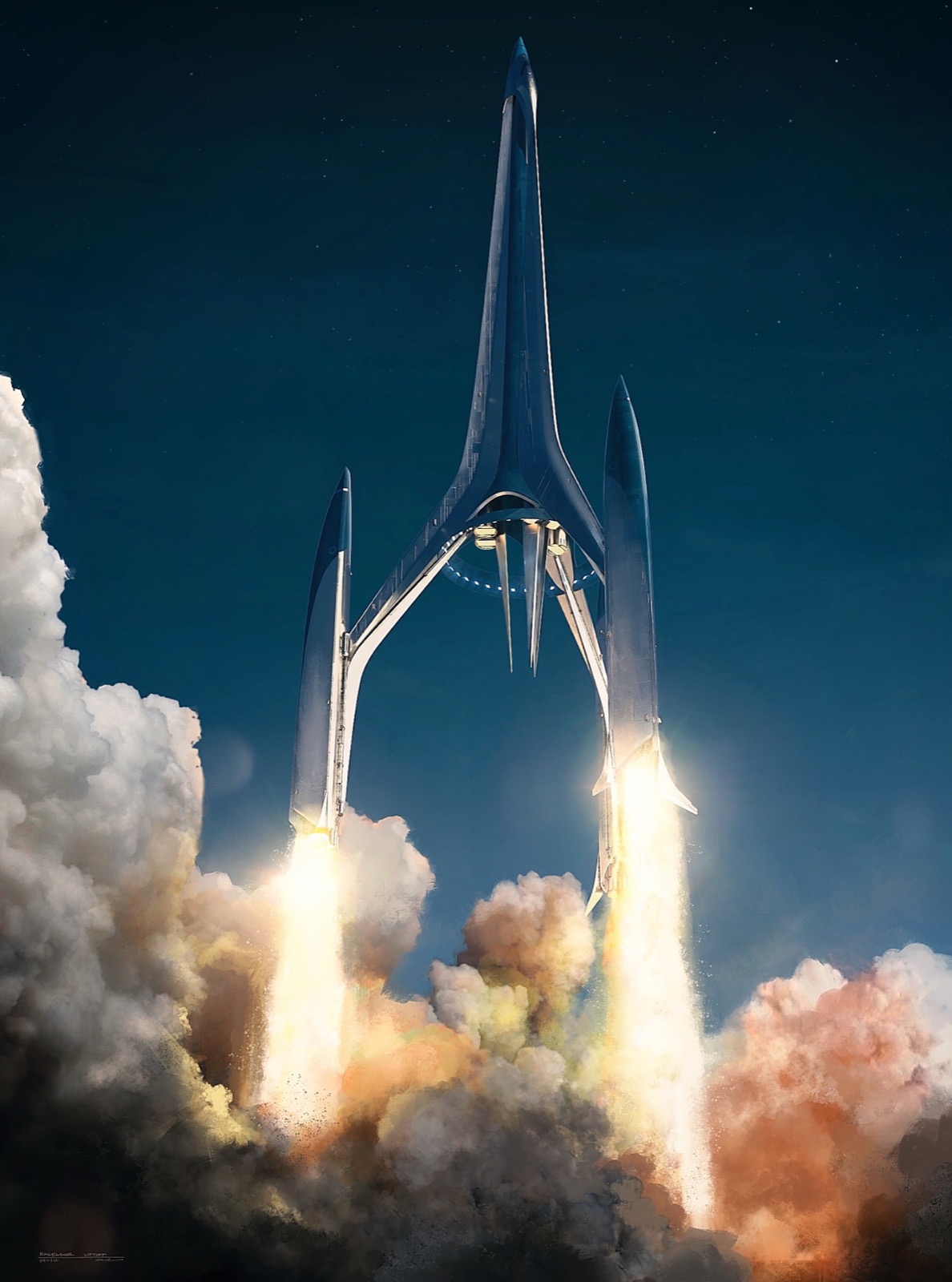
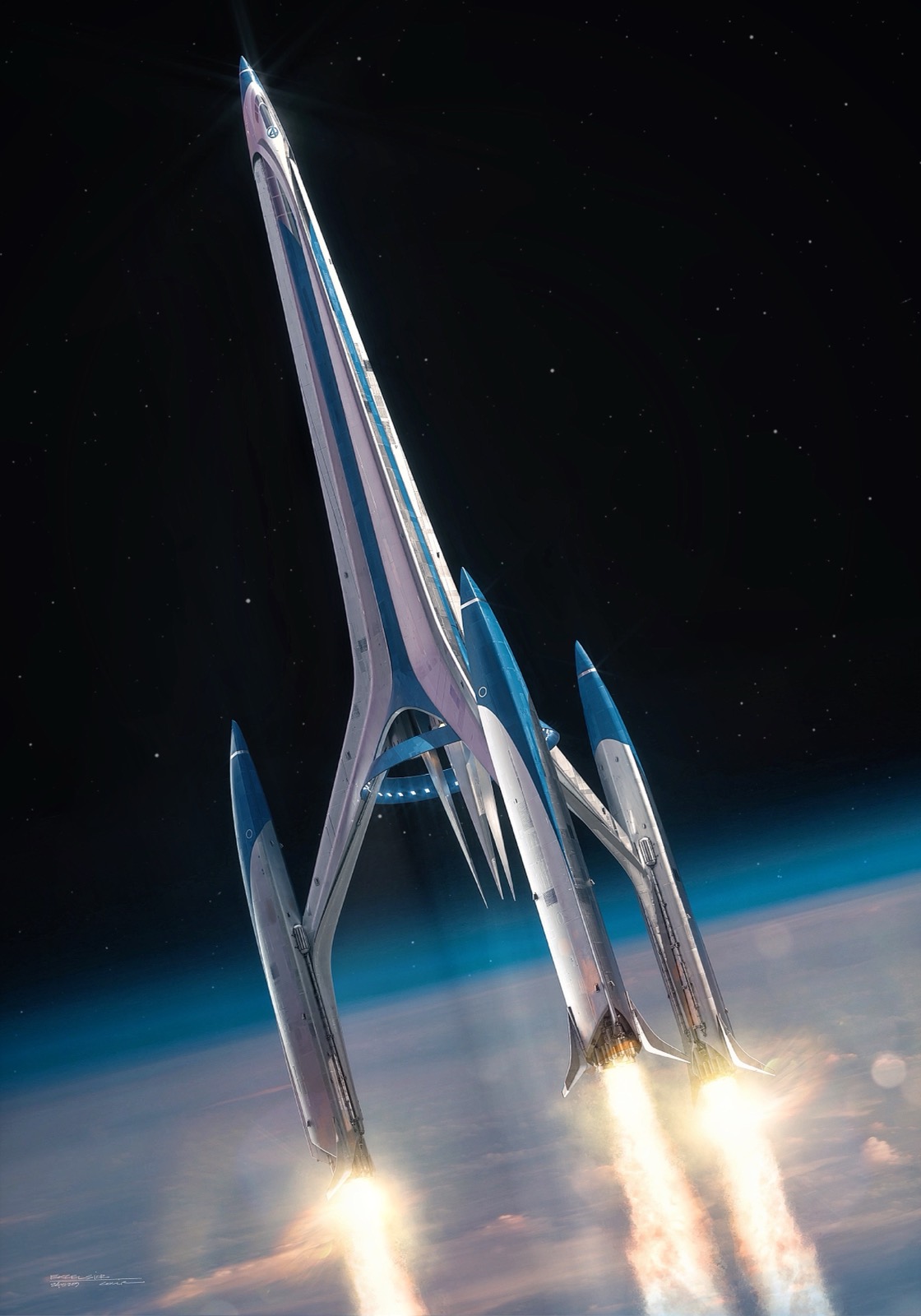
Concept illustration — Colie Wertz
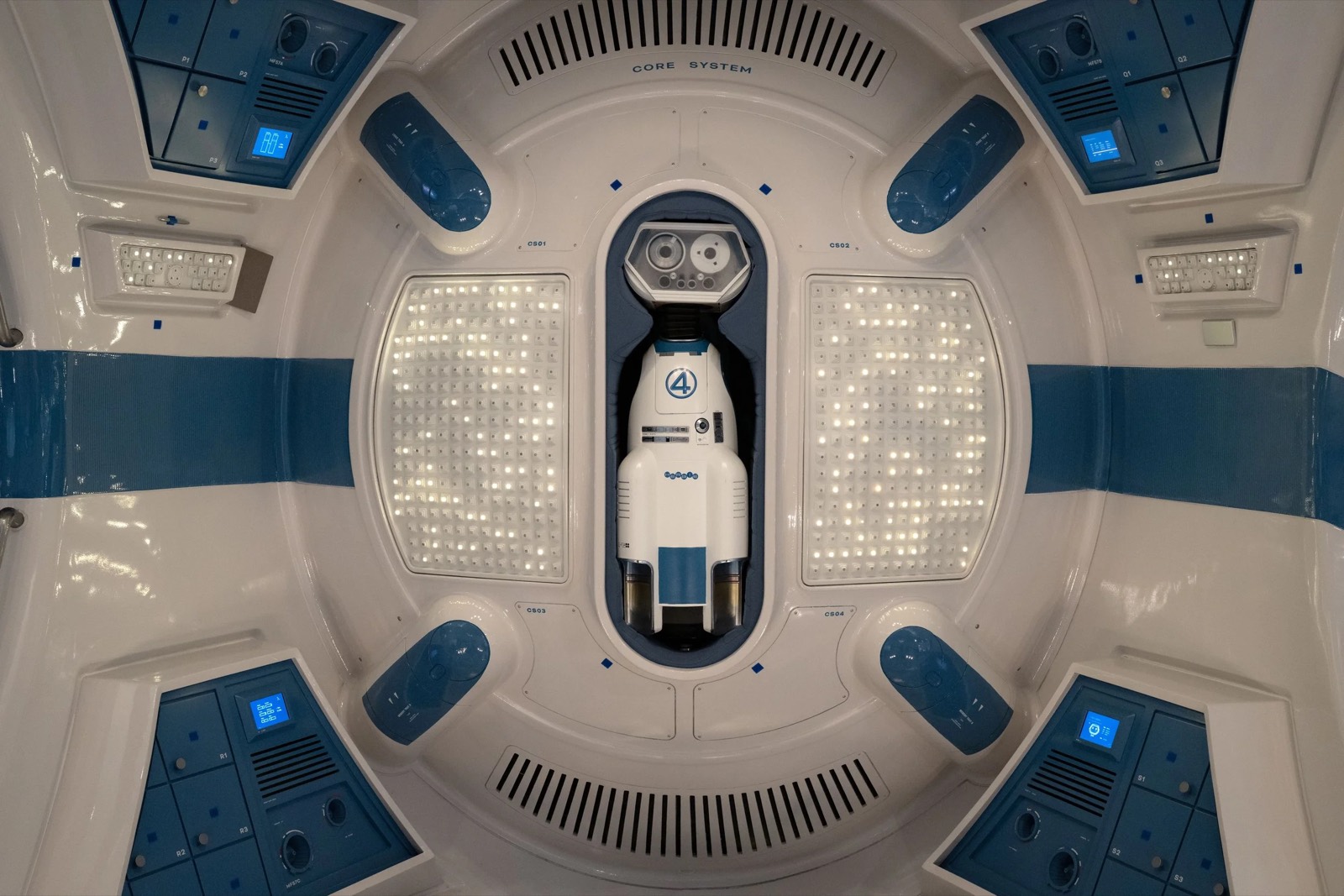
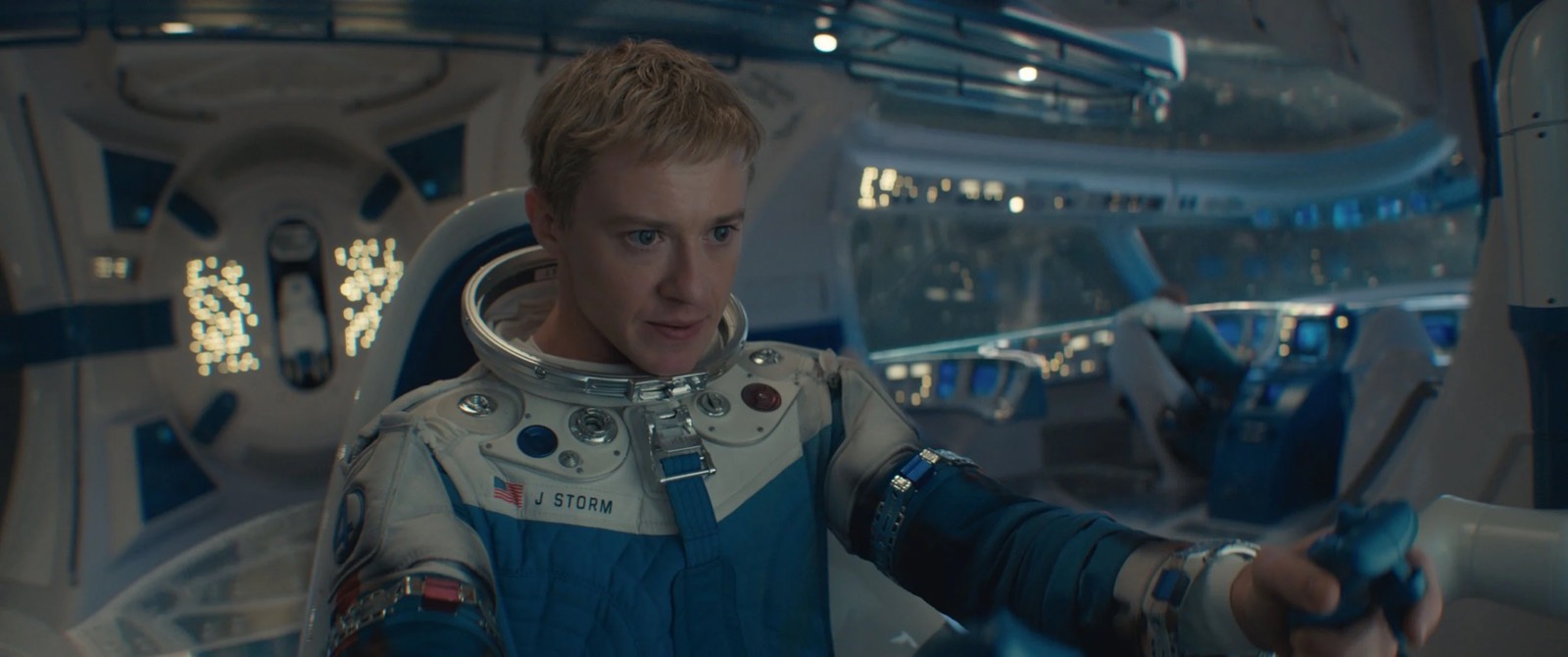
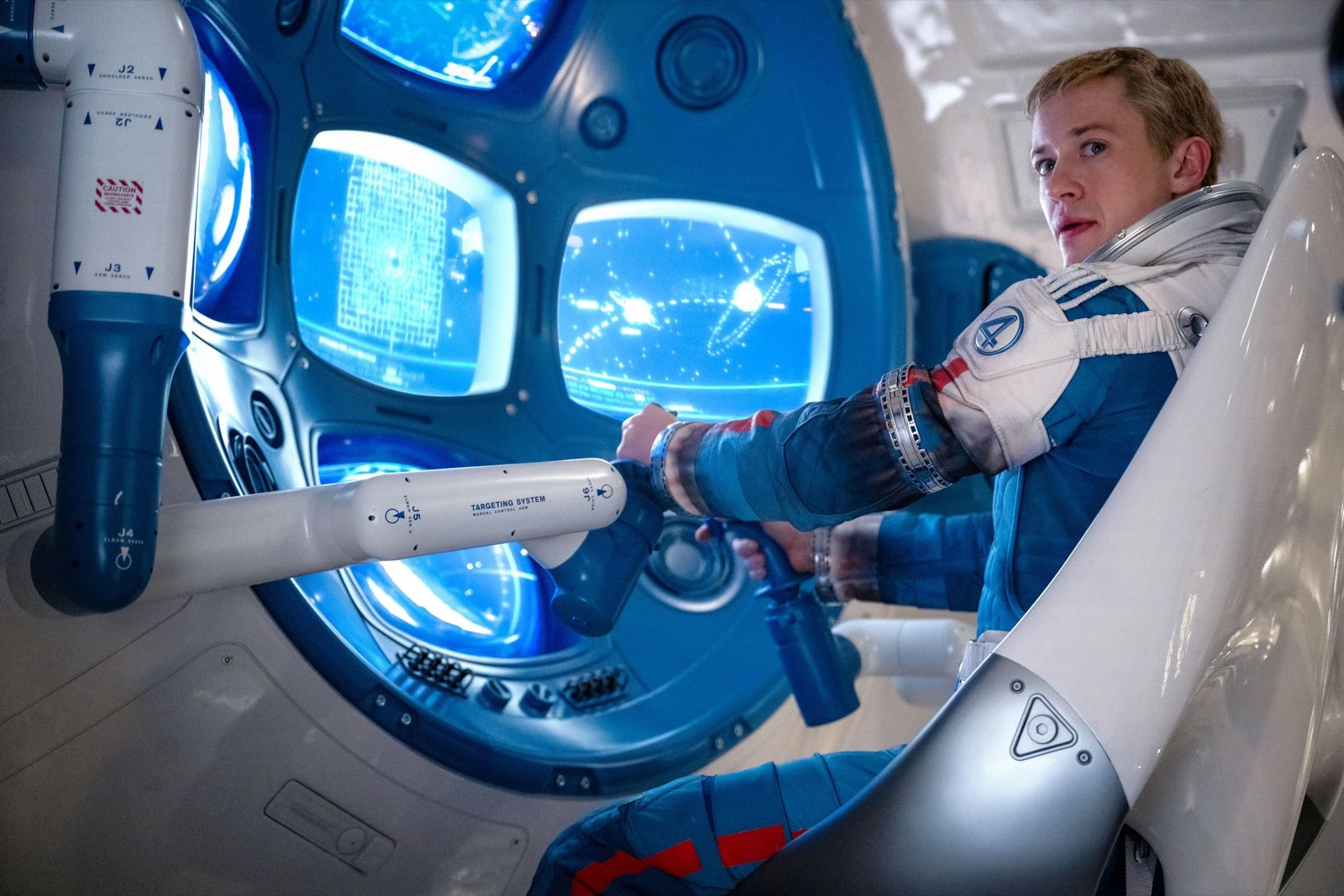
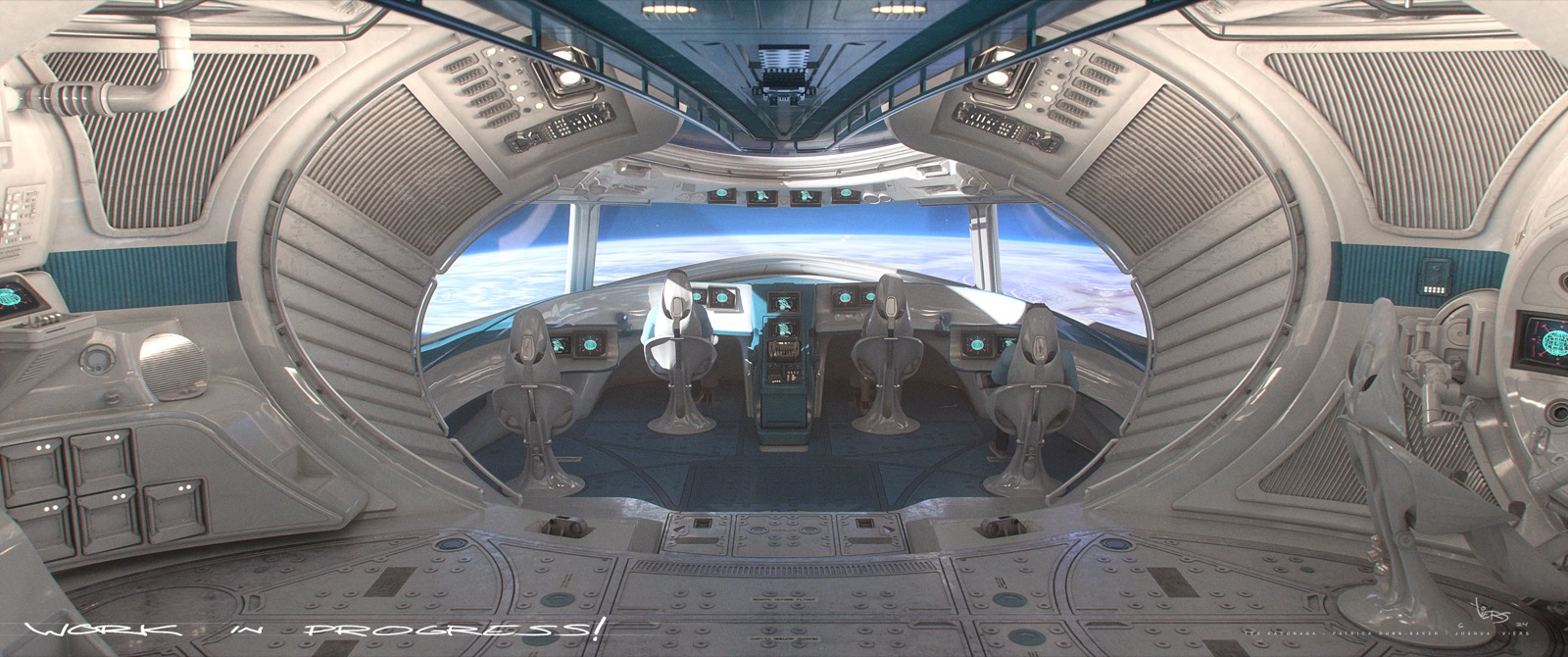
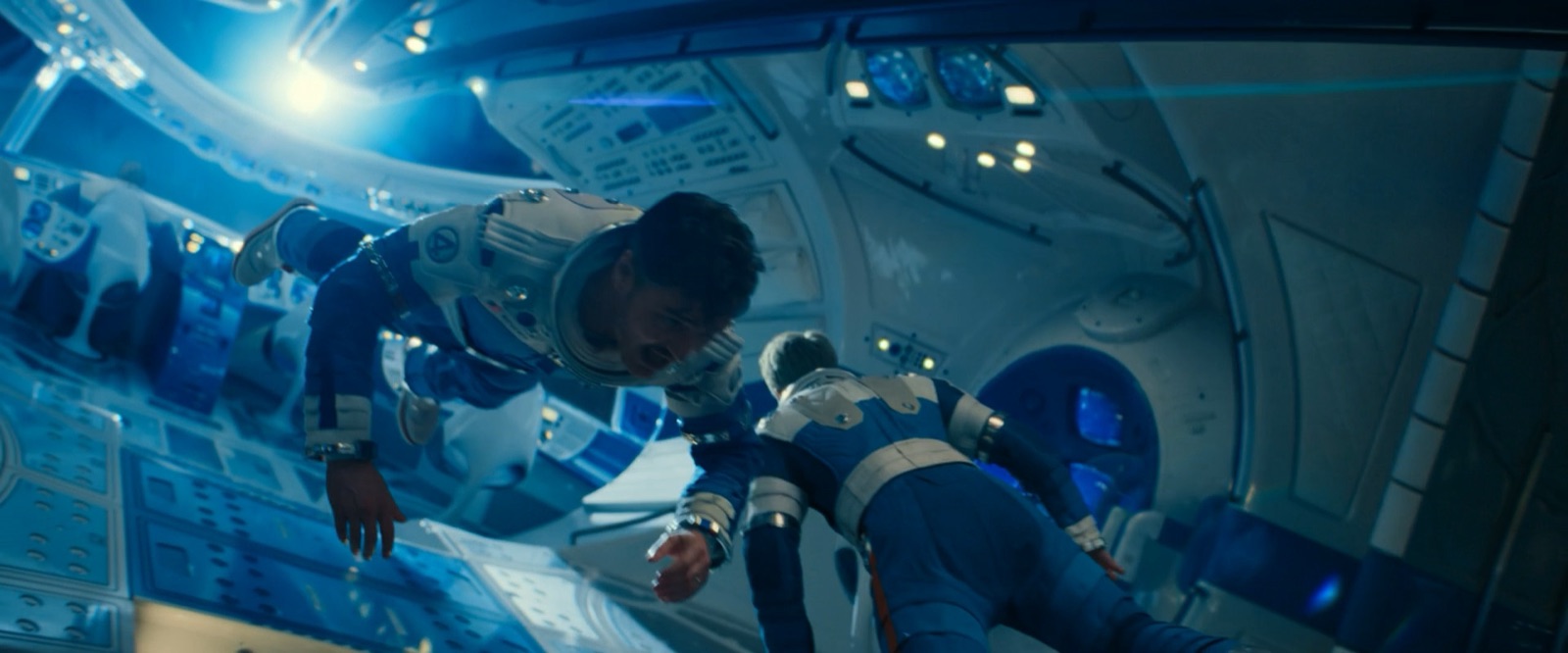
When it came to the interior, it was important to show that the Excelsior is not a prototype; it is a finished product. While the workstations of the ISS and the interfaces of Apollo-era crafts were references for us, Loewy’s Skylab and interiors from 2001: A Space Odyssey were the primary references. The important distinction is that in those spaces, space travel has come to be commonplace, and the workstations do not have an ad hoc quality; rather, they are elegantly industrial-designed, indicating a deep familiarity with the technical and ergonomic requirements of space flight.
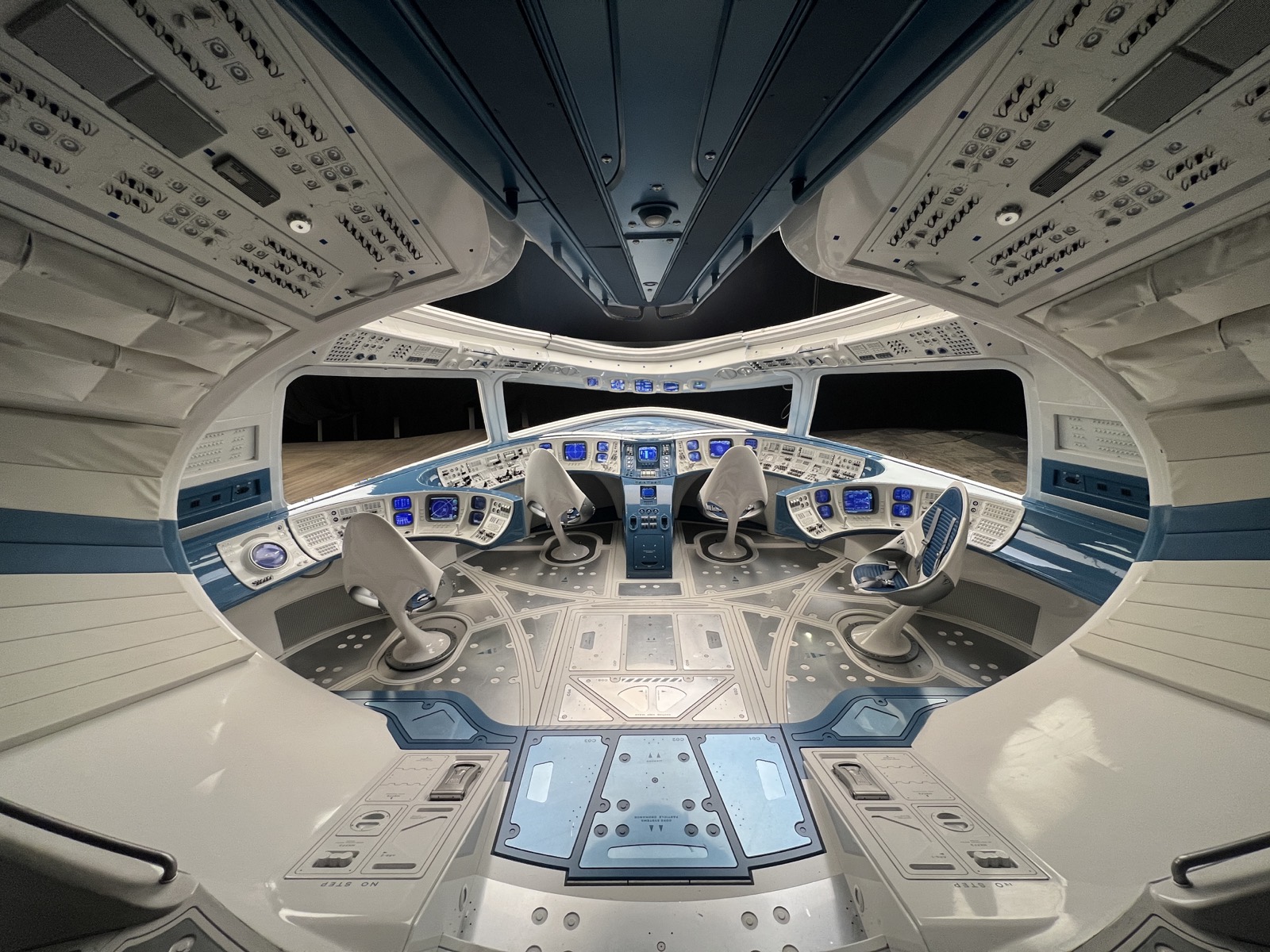
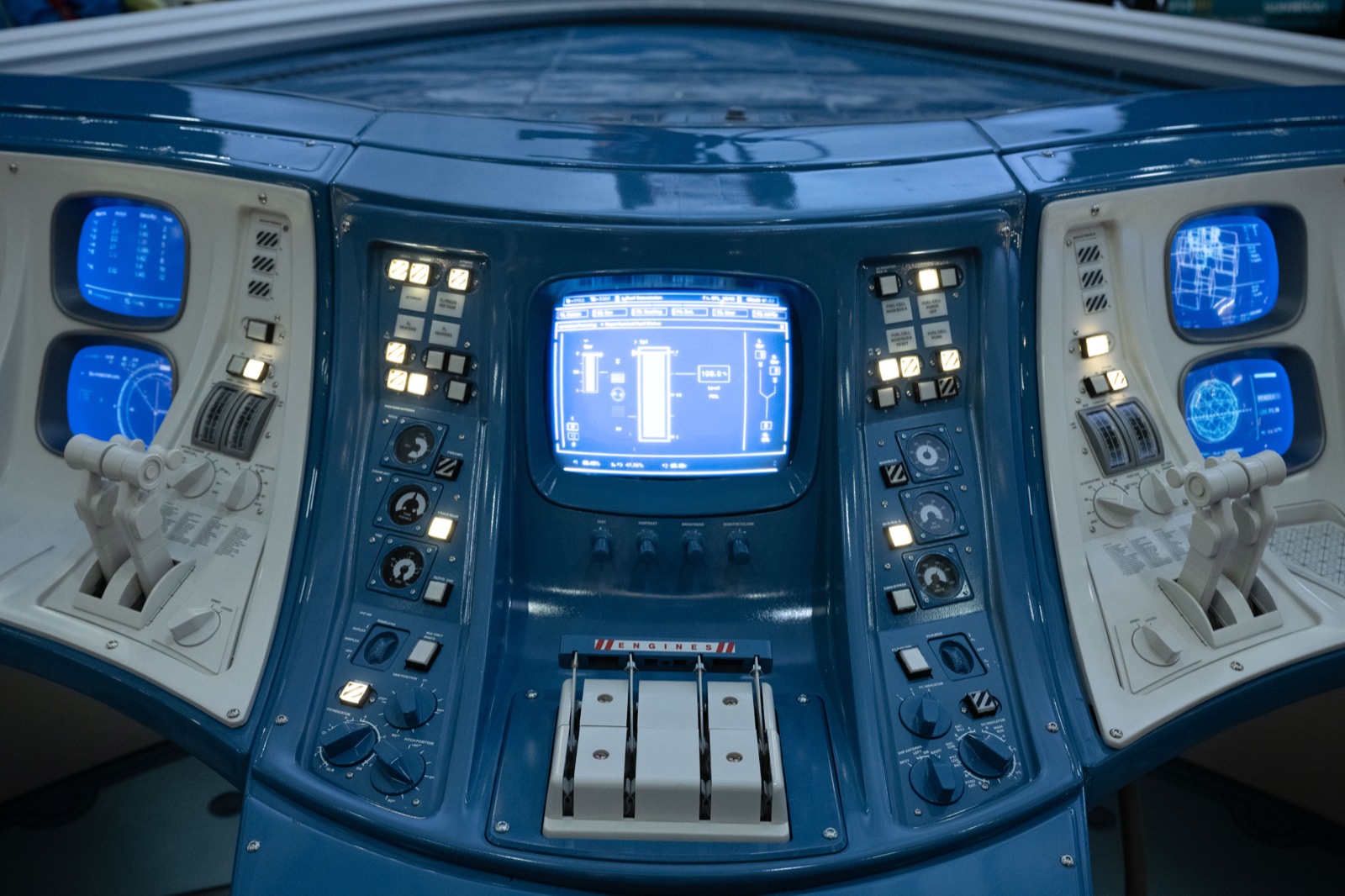
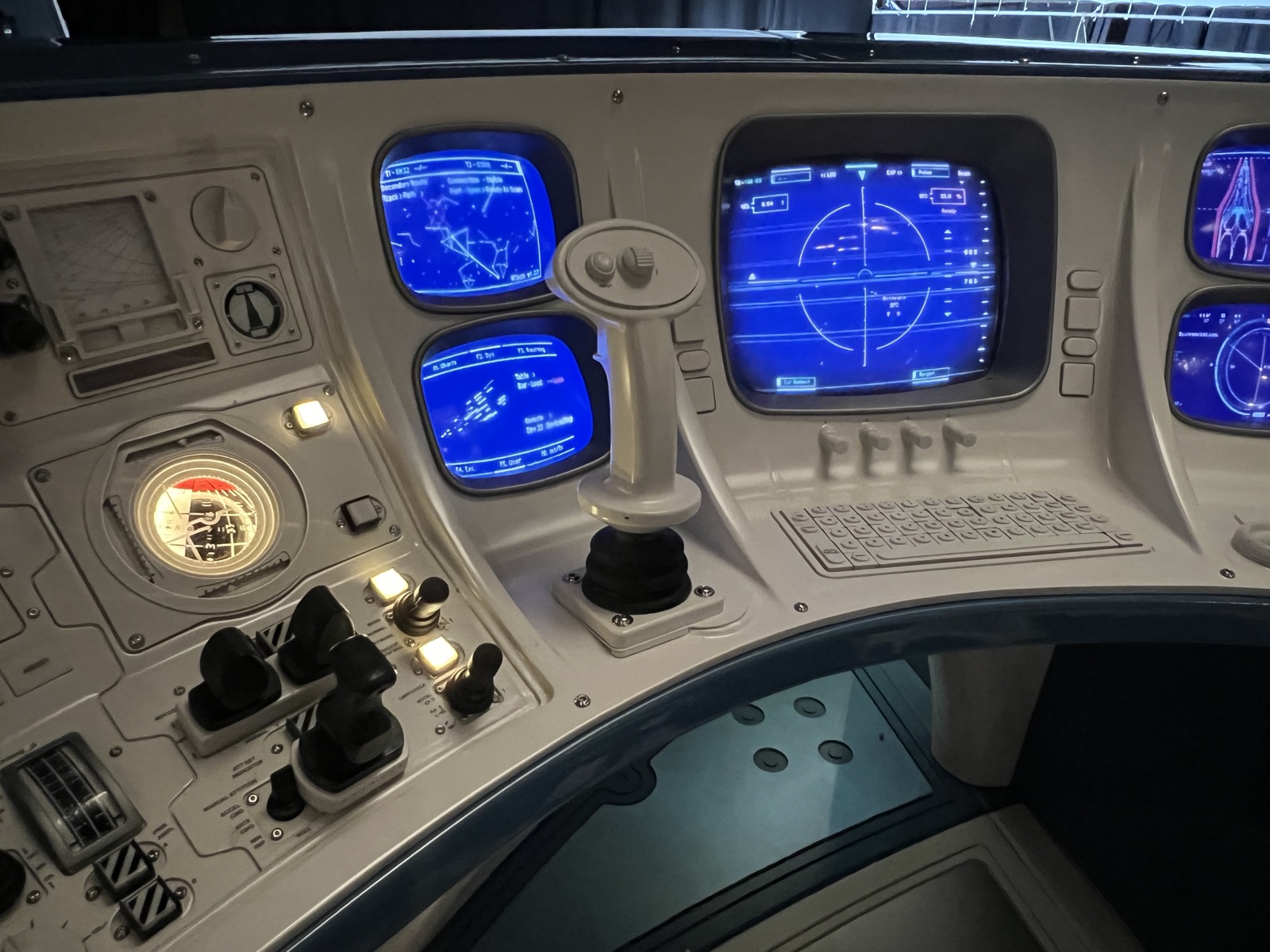
Set photography
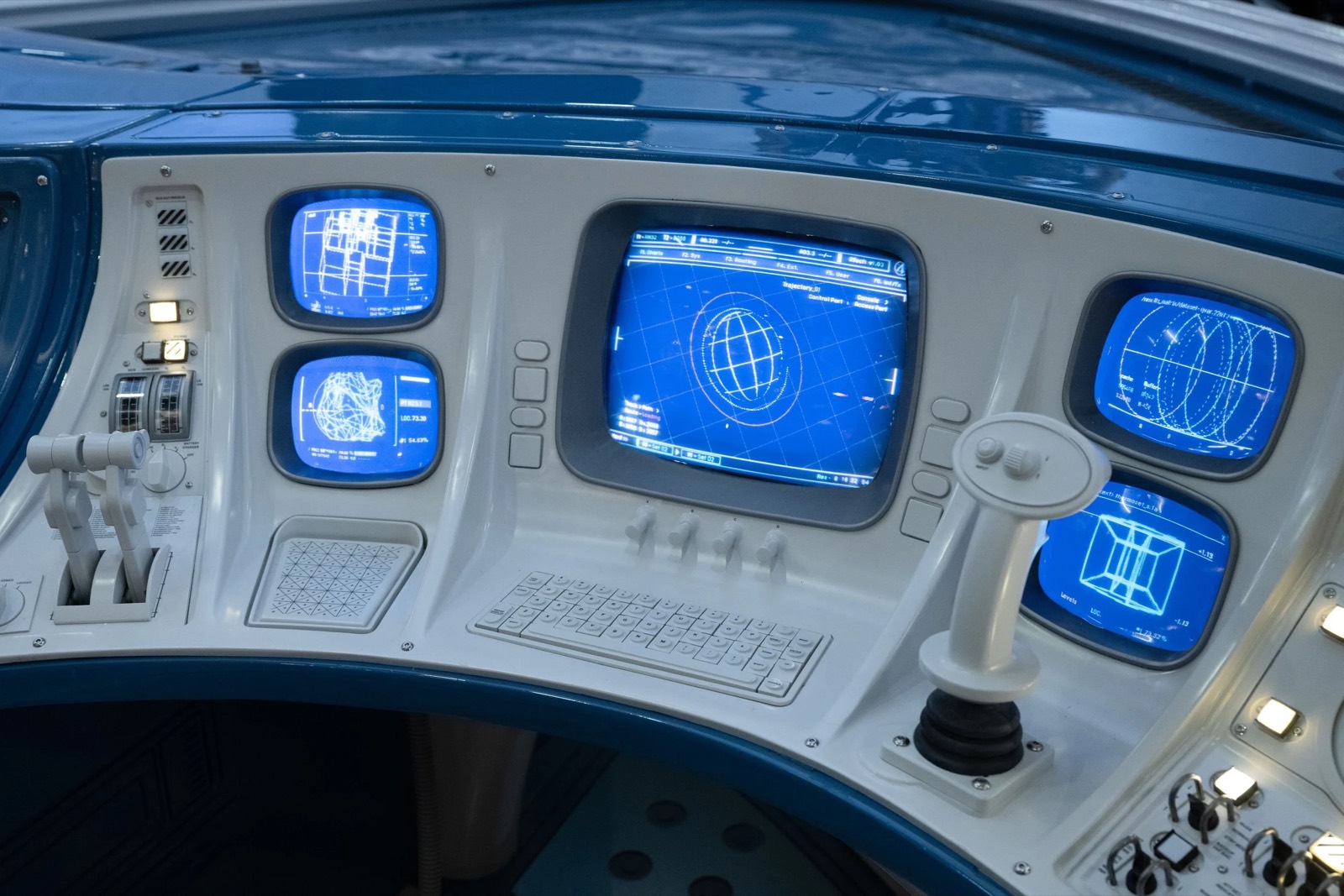
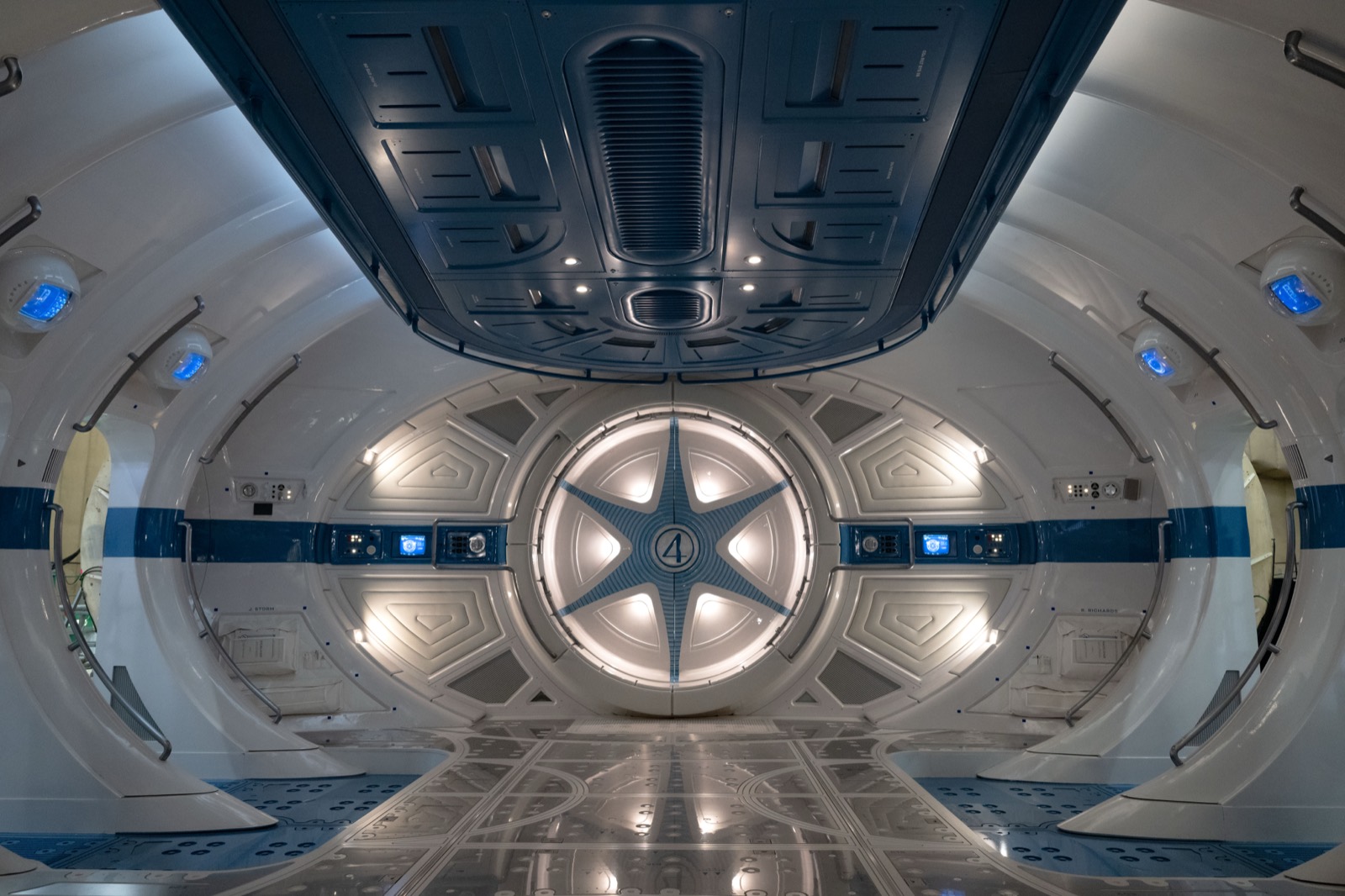
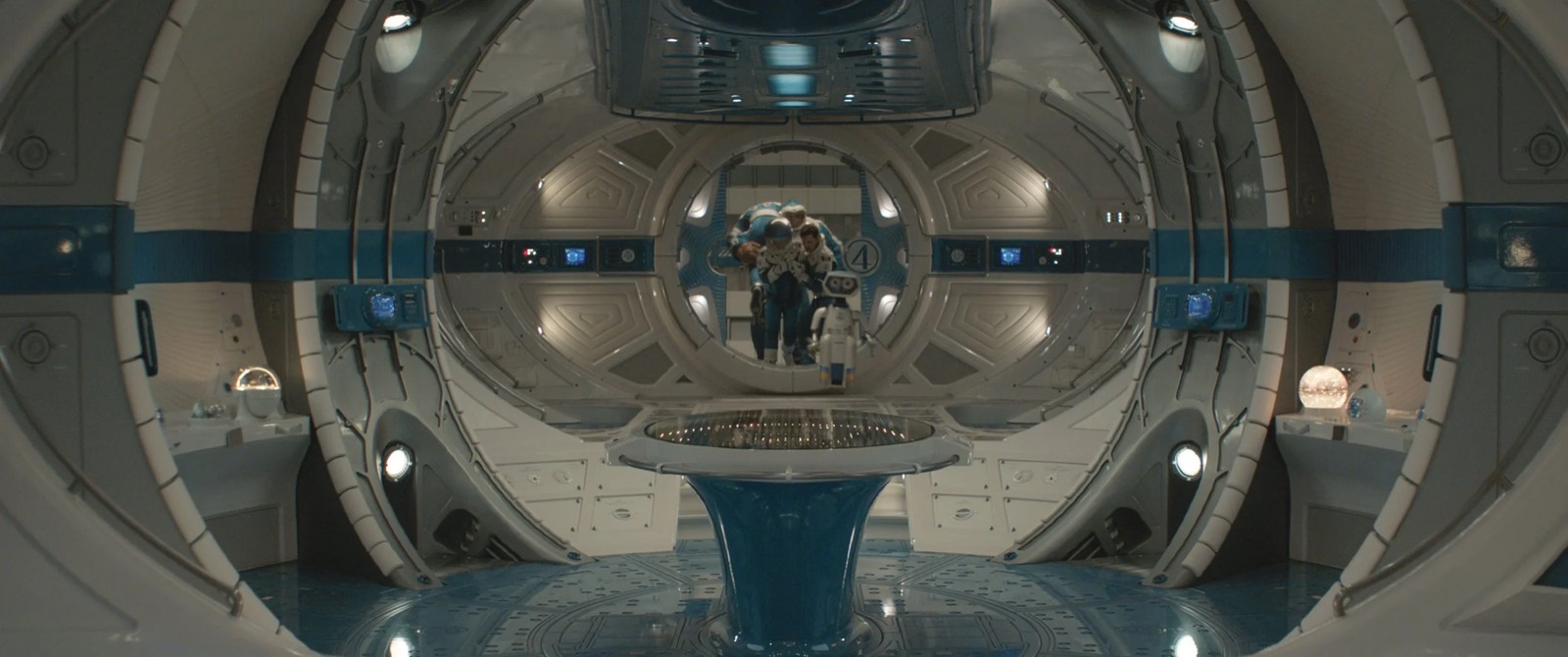
Skillfully modeled by Tex Kadonaga and Patrick Dunn-Baker, the interior surfacing of the Excelsior resembles the clean, resolved finishes of commercial airliners more than NASA’s early bare-bones craft. UK art director Liam Georgensen deftly guided a construction and SFX team to manifest this set in a way that could seamlessly accommodate the intricate blocking of the zero-gravity birth scene set in the midst of a pursuit around a neutron star! Set decorator Jille Azis and prop master Ty Teiger’s stellar teams created the many hugely complex workstations that fill the craft and cockpit.
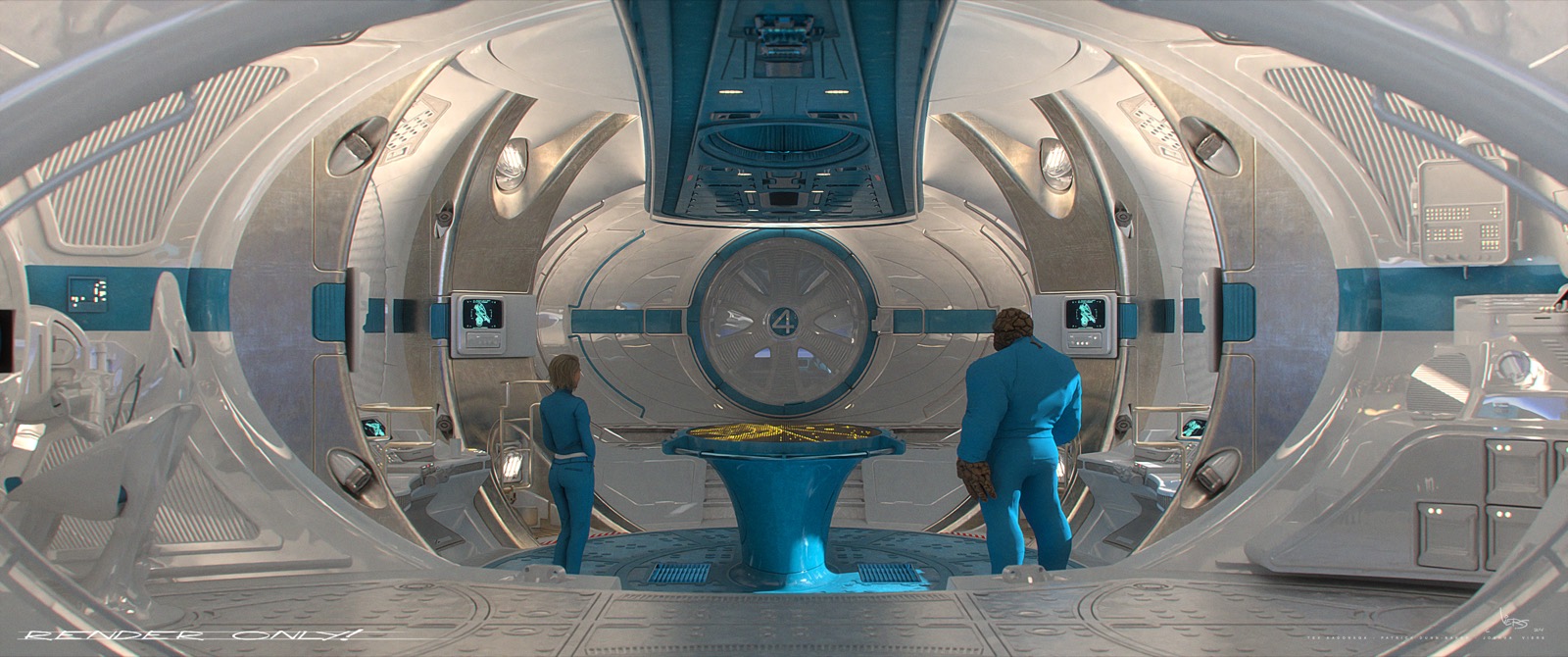
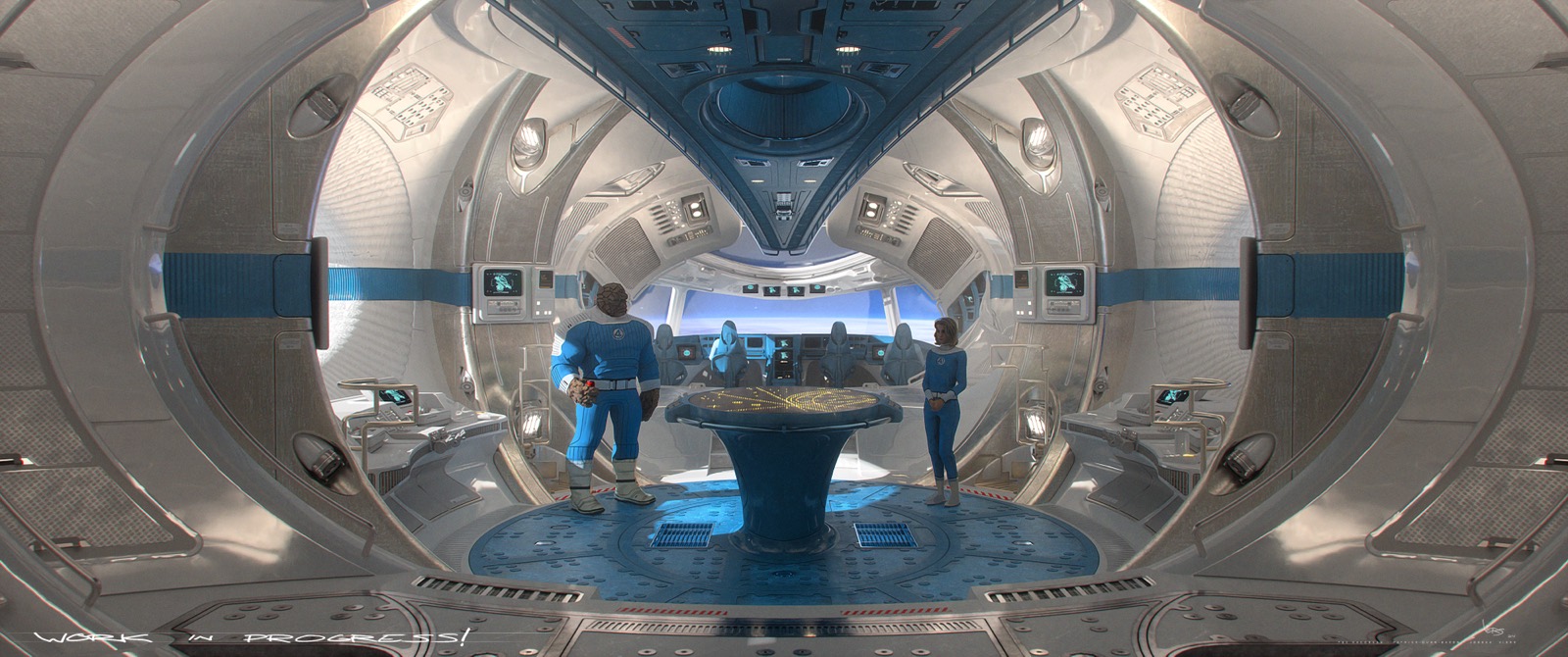
Concept illustration — Josh Viers
We wanted to honor the integration of the rocket into the actual Baxter Building as shown in the comics, but we wanted to ground it in realism. Rather than the rocket emerging from the top of the building, in our design the building stands on the bank of the East River (roughly where the United Nations is now) and a bridge extends eastward from the building to the connected launchpad over the river. When dormant, the Excelsior stands as a glistening dynamic monument—an expression of Reed’s optimism and technological prowess reflecting into the water. When the Excelsior is called upon, the launchpad is revealed as a complex engineering system hidden in plain sight.
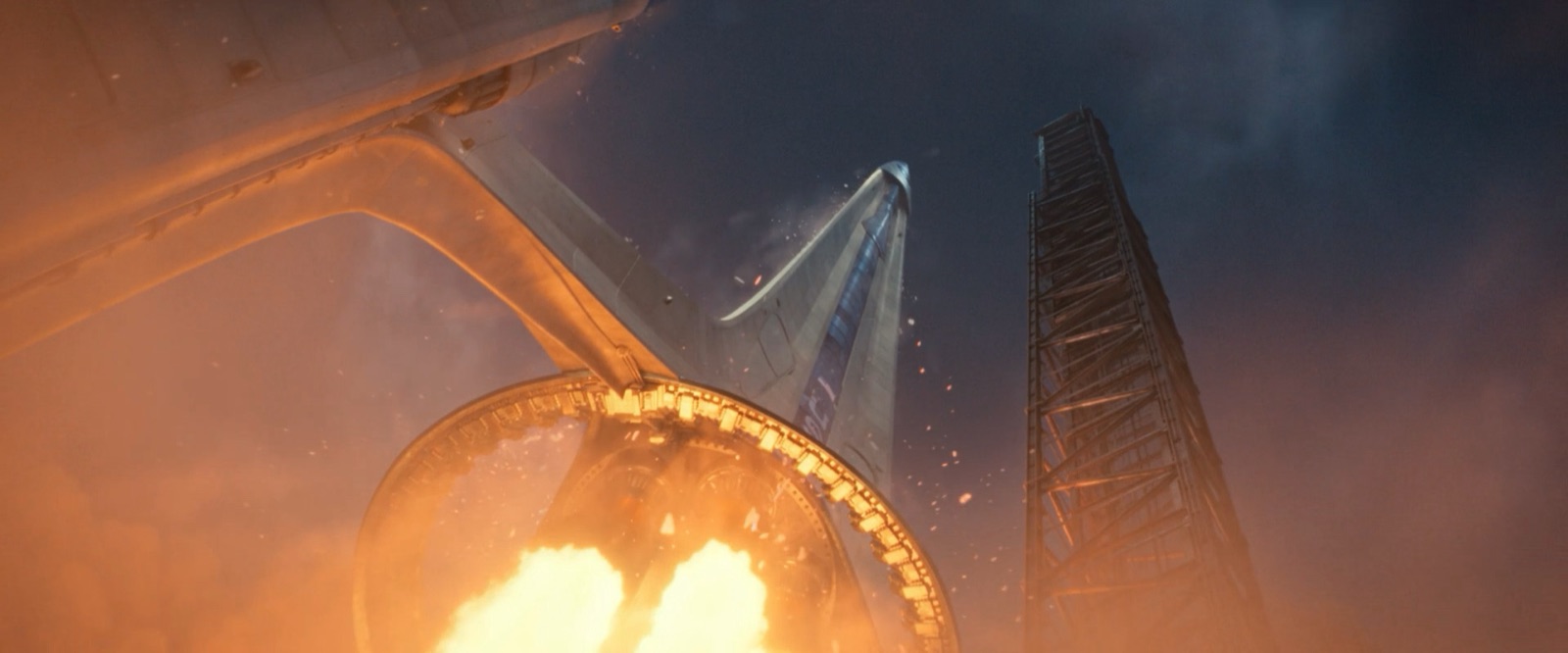
Together with talented set designer Patrick Dunn-Baker, we imagined Reed harnessing the river itself during launch: water drawn into a catchment system creates a vapor barrier to shield the city from the blast’s heat. Meanwhile, rotating concrete shields stack into place between the launchpad and the Baxter Building.
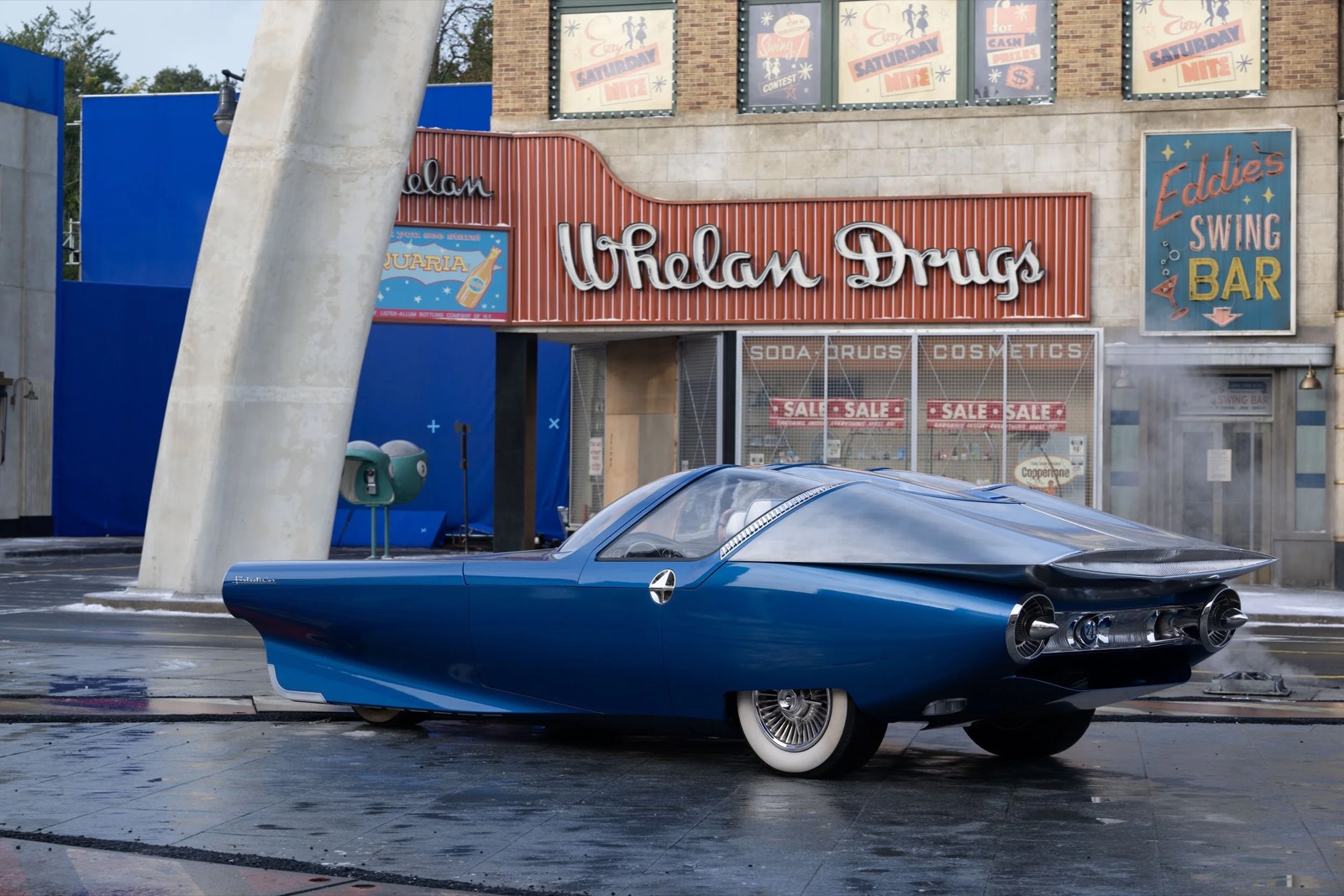
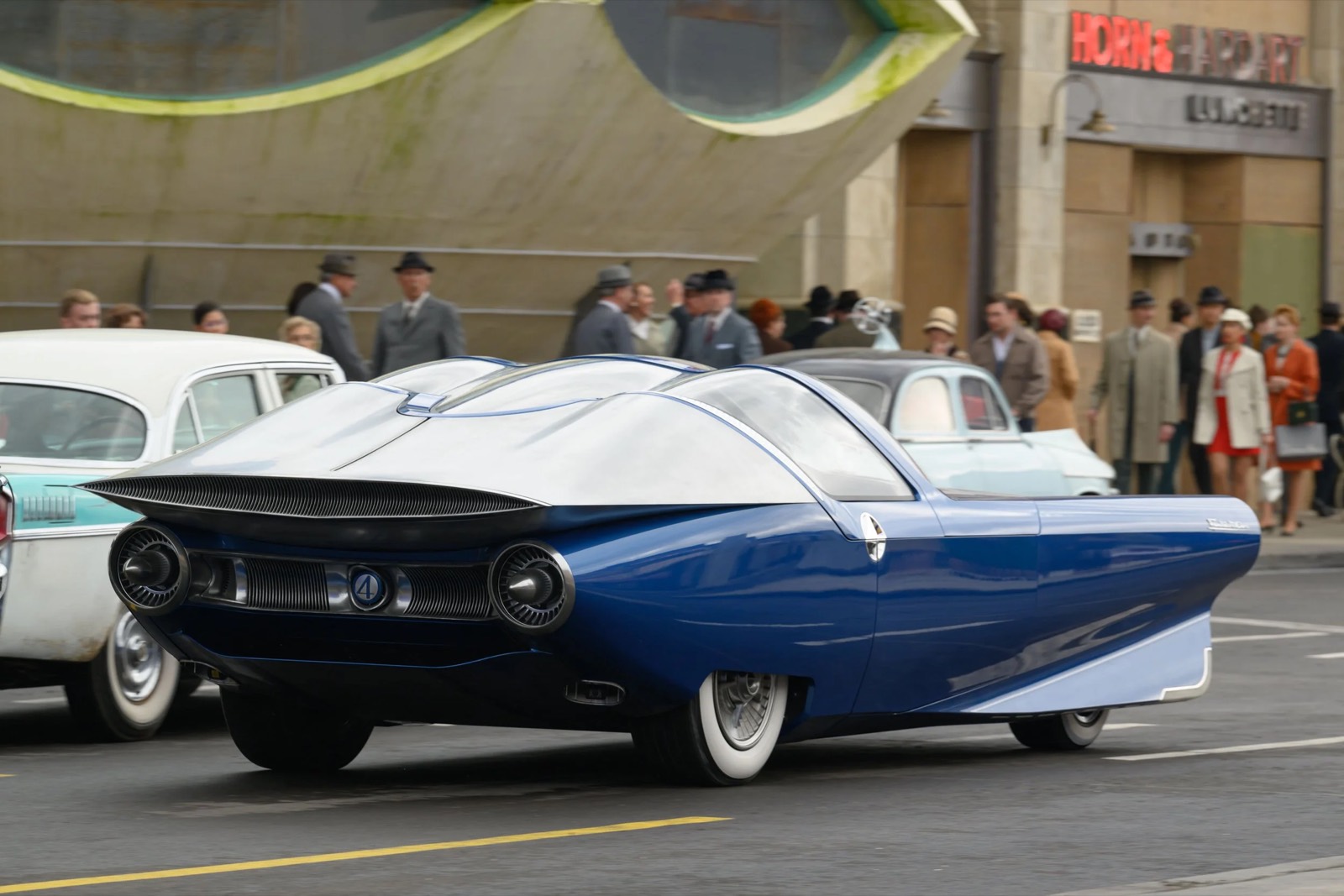
The Fantasticar
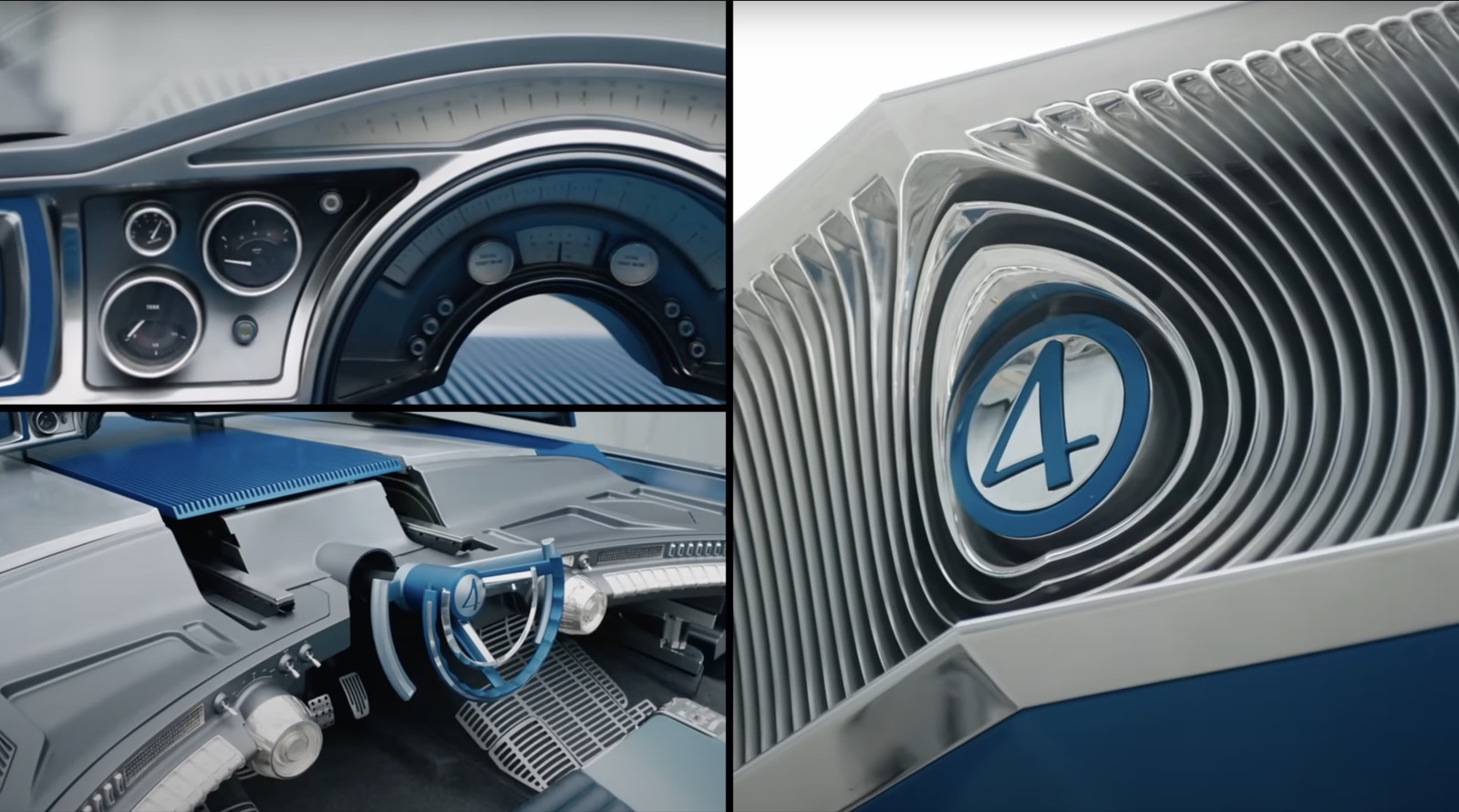
Like many graduates of ArtCenter, my alma mater, designing and building a car was a life goal; for this reason, I was delighted (and intimidated) by the challenge of creating a new take on the iconic Fantasticar.
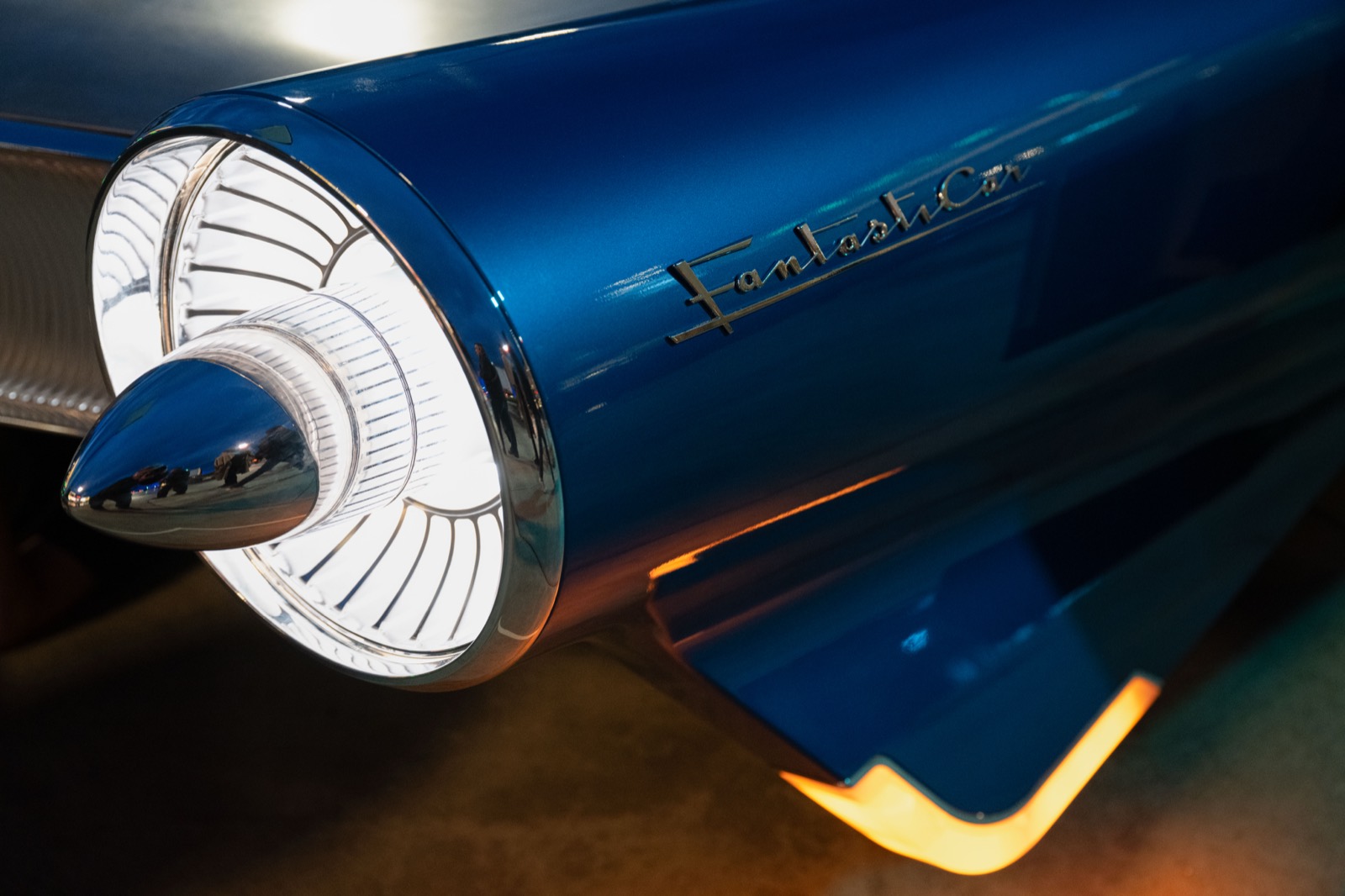

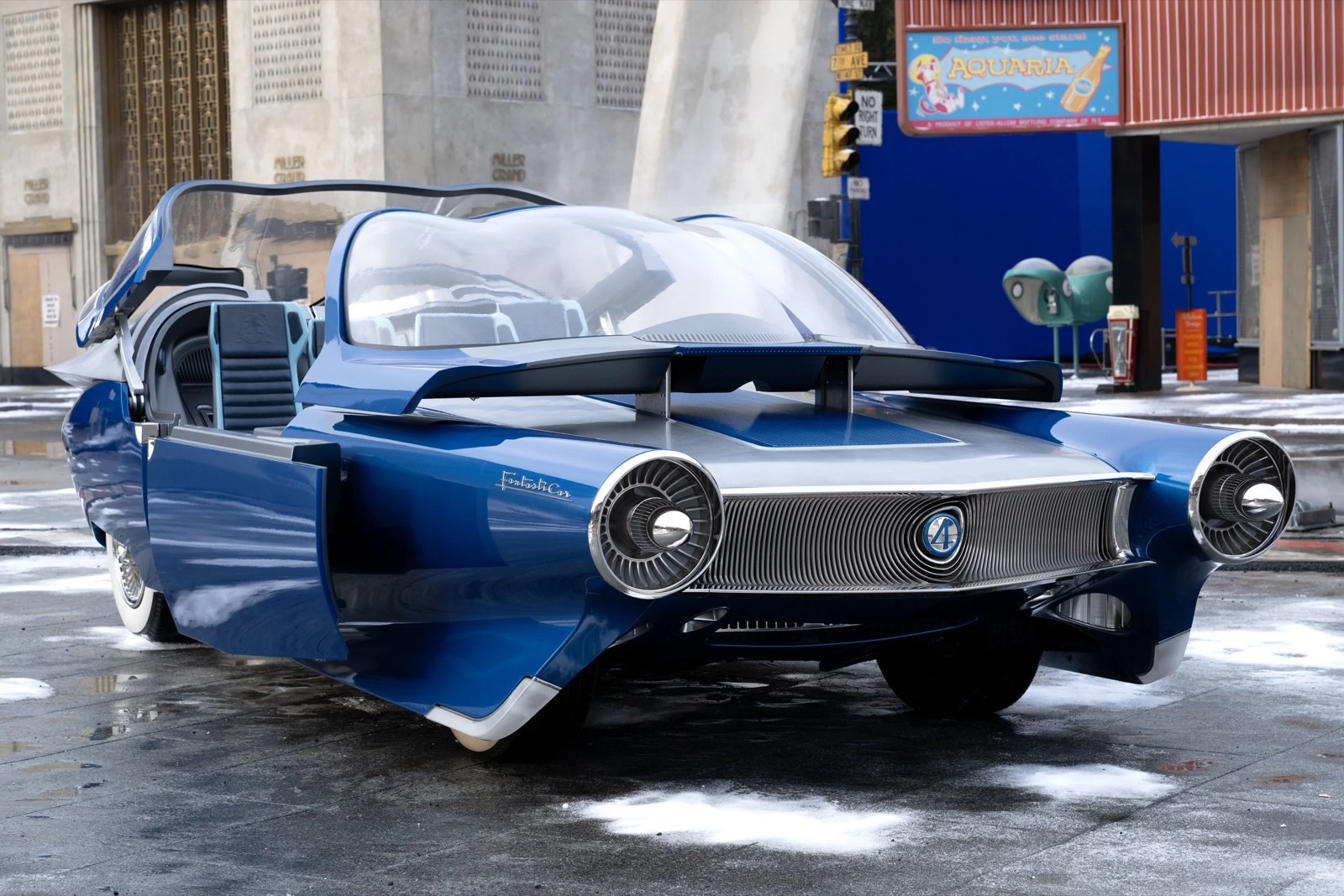
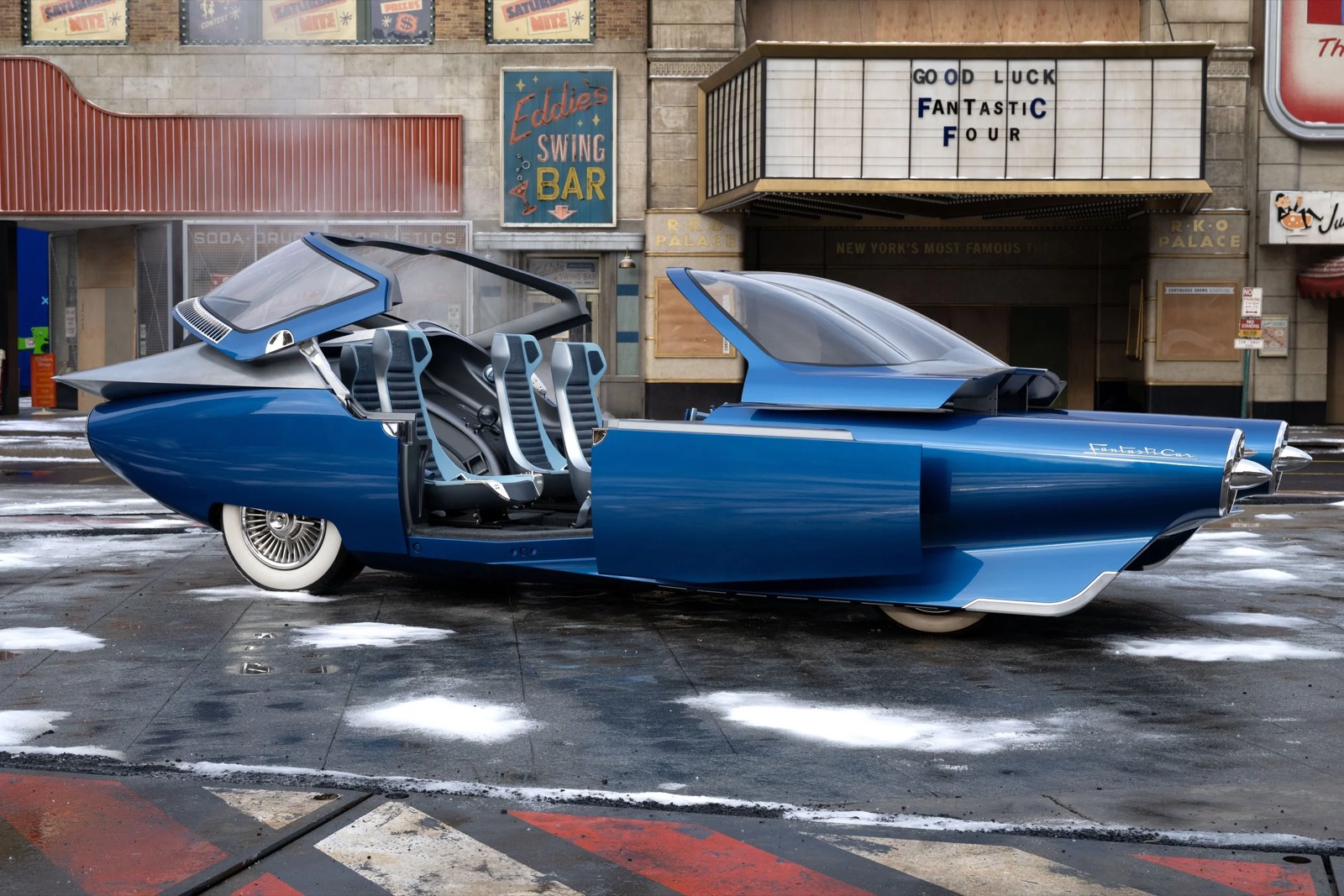
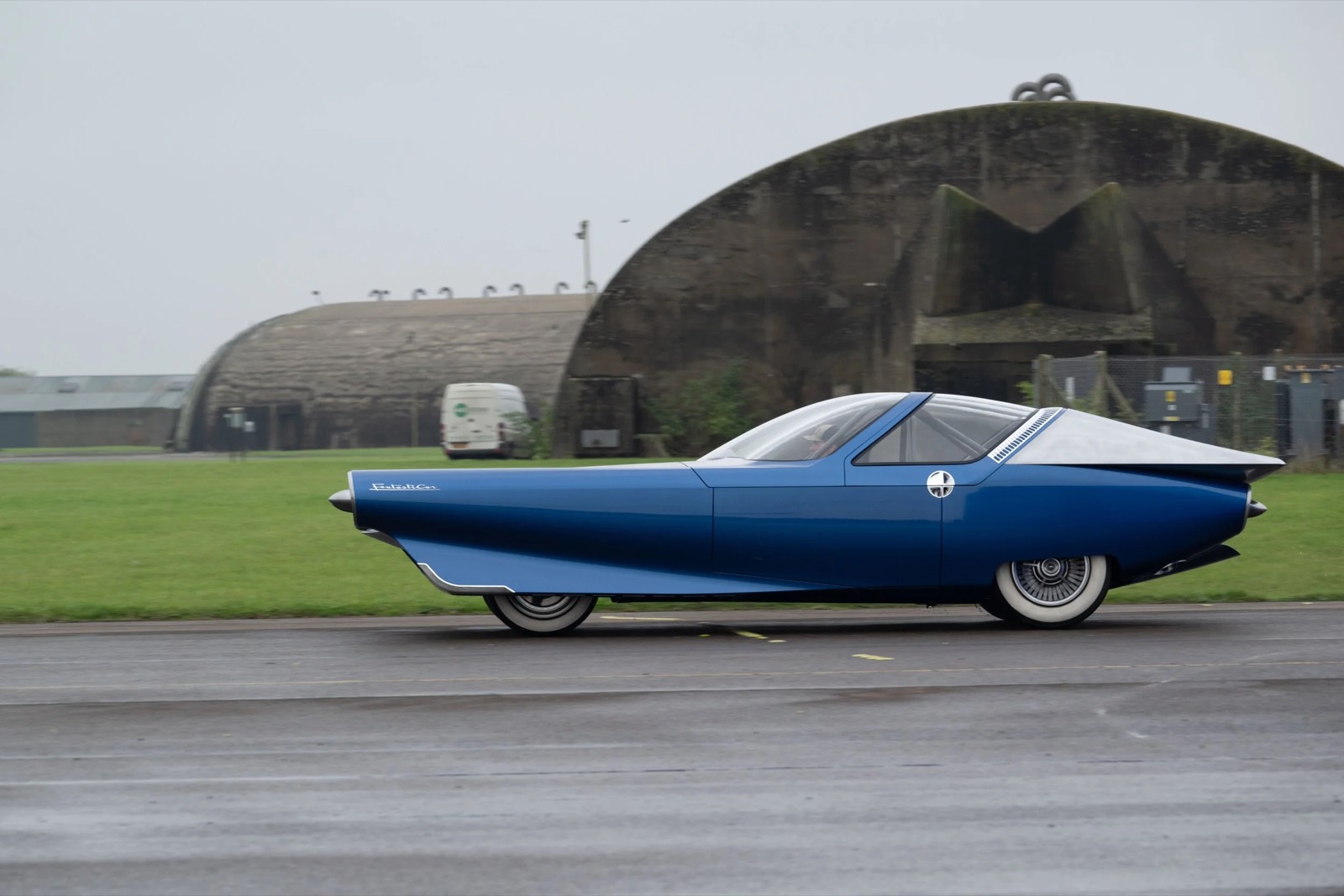
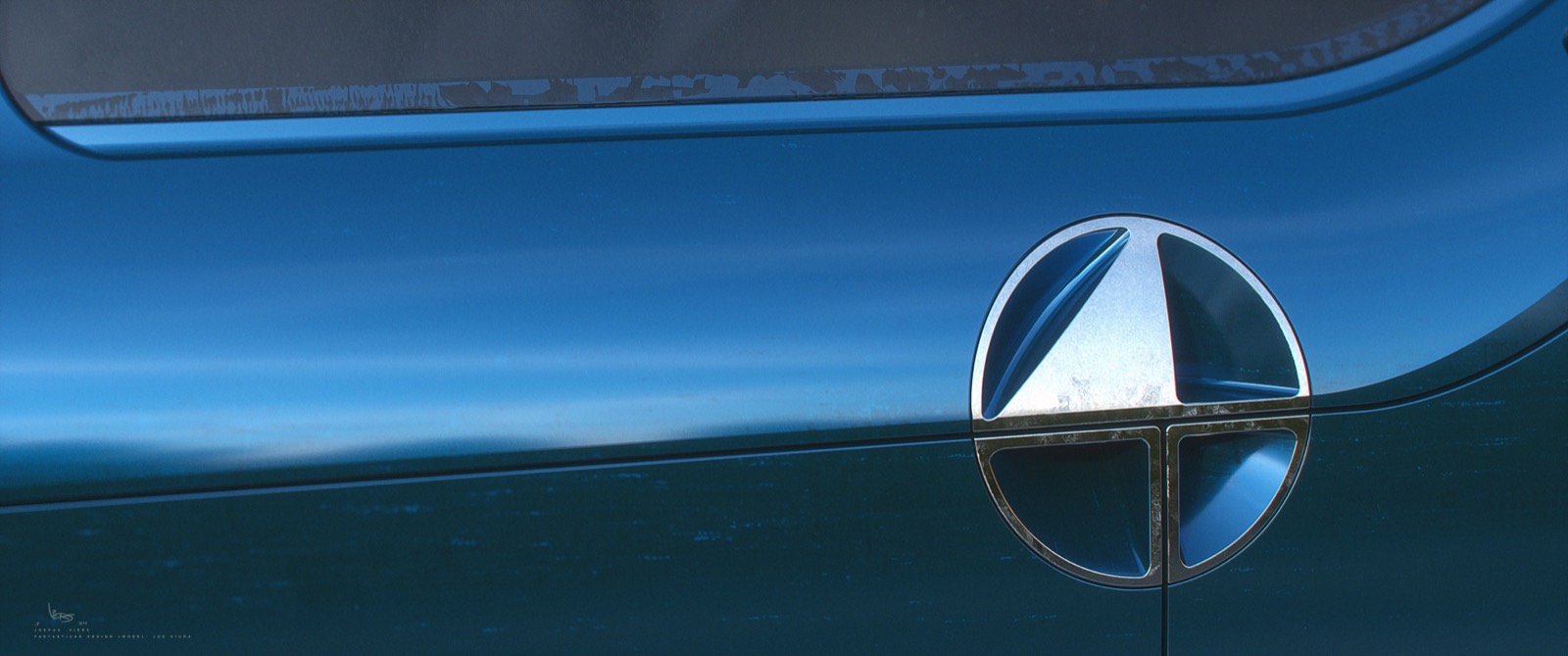
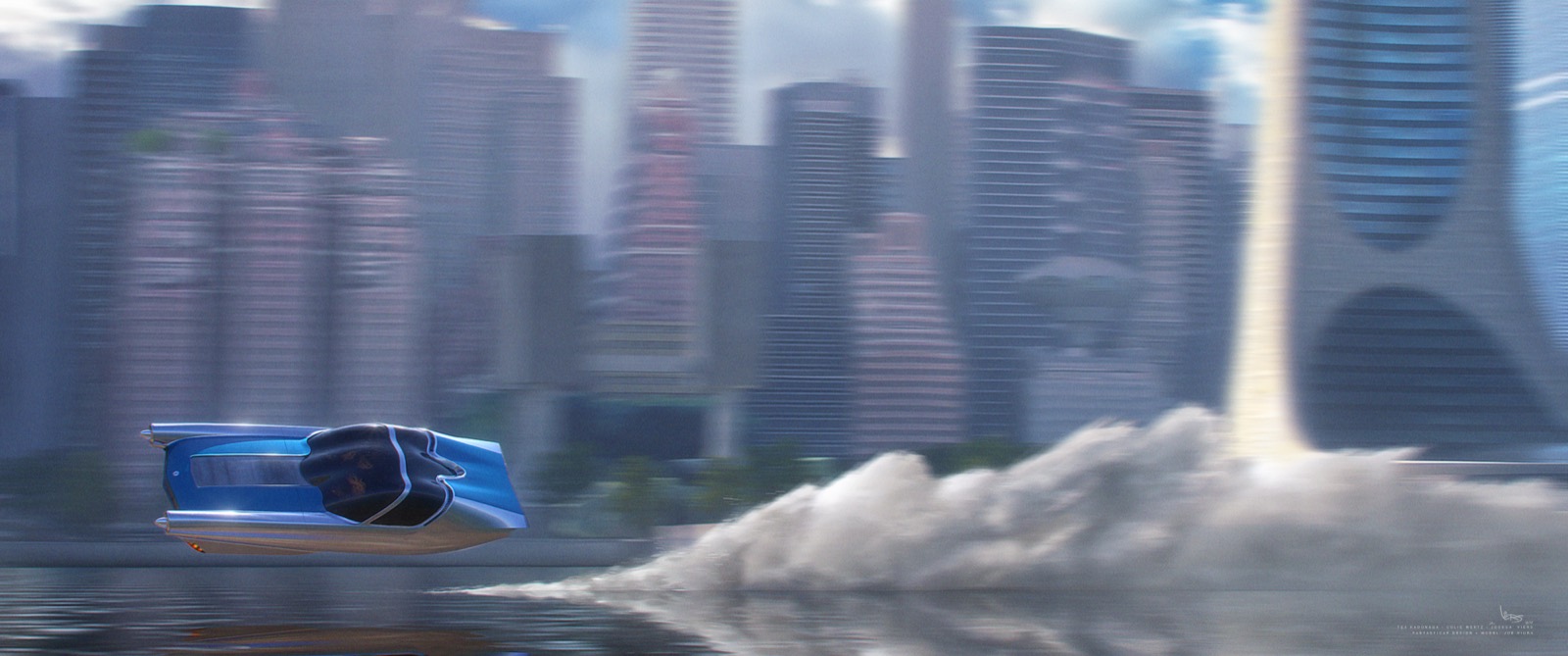
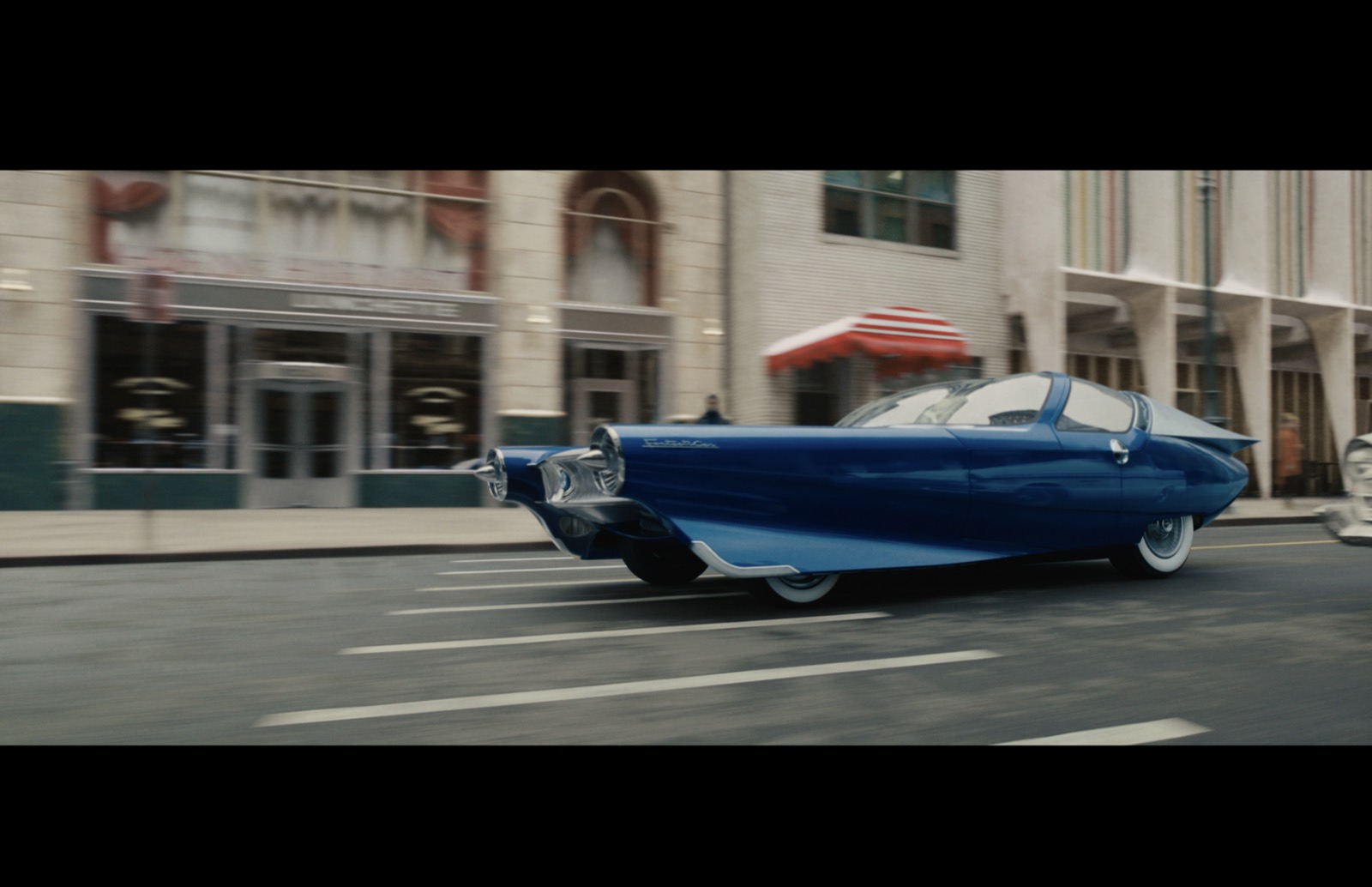
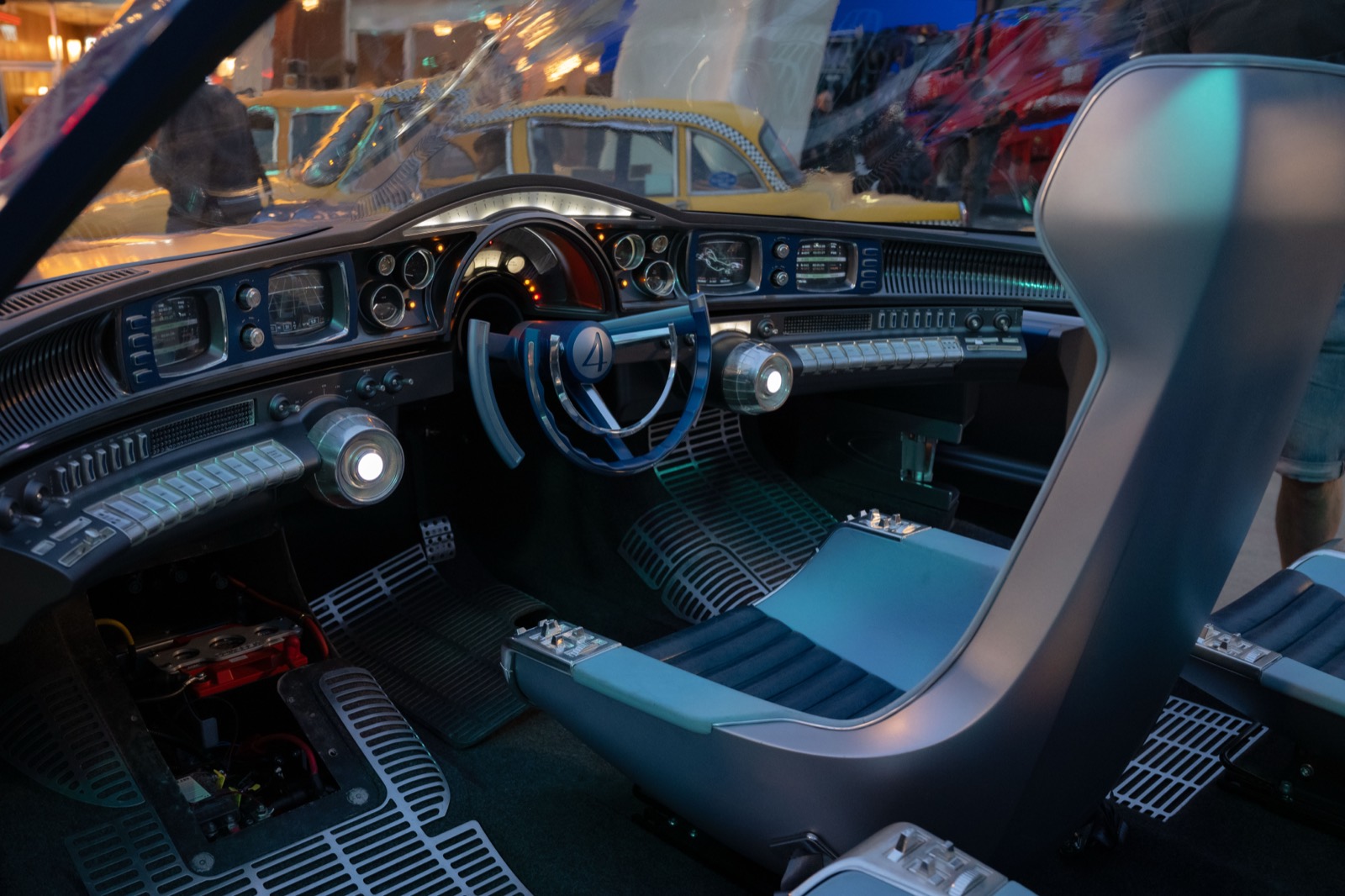
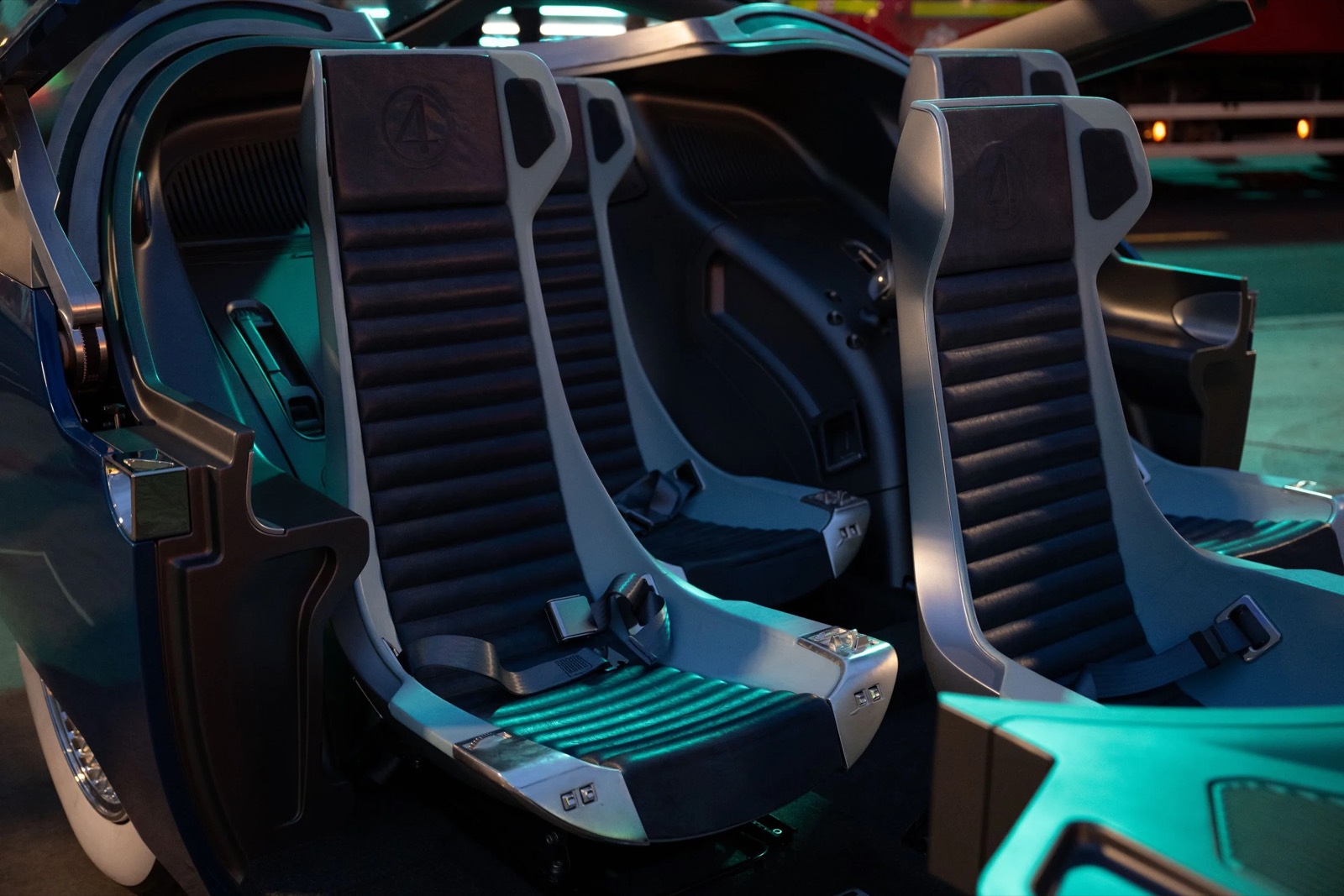
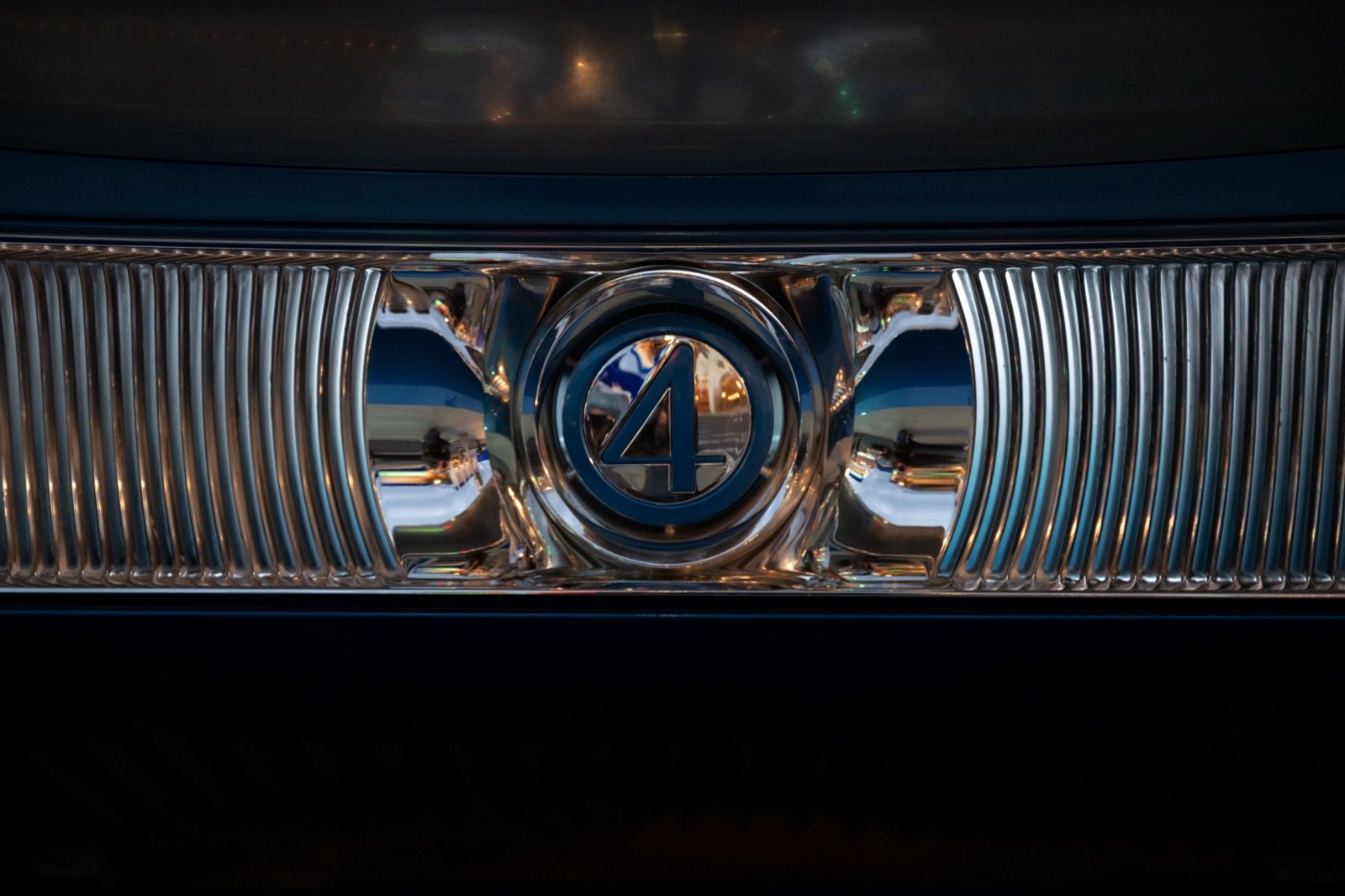
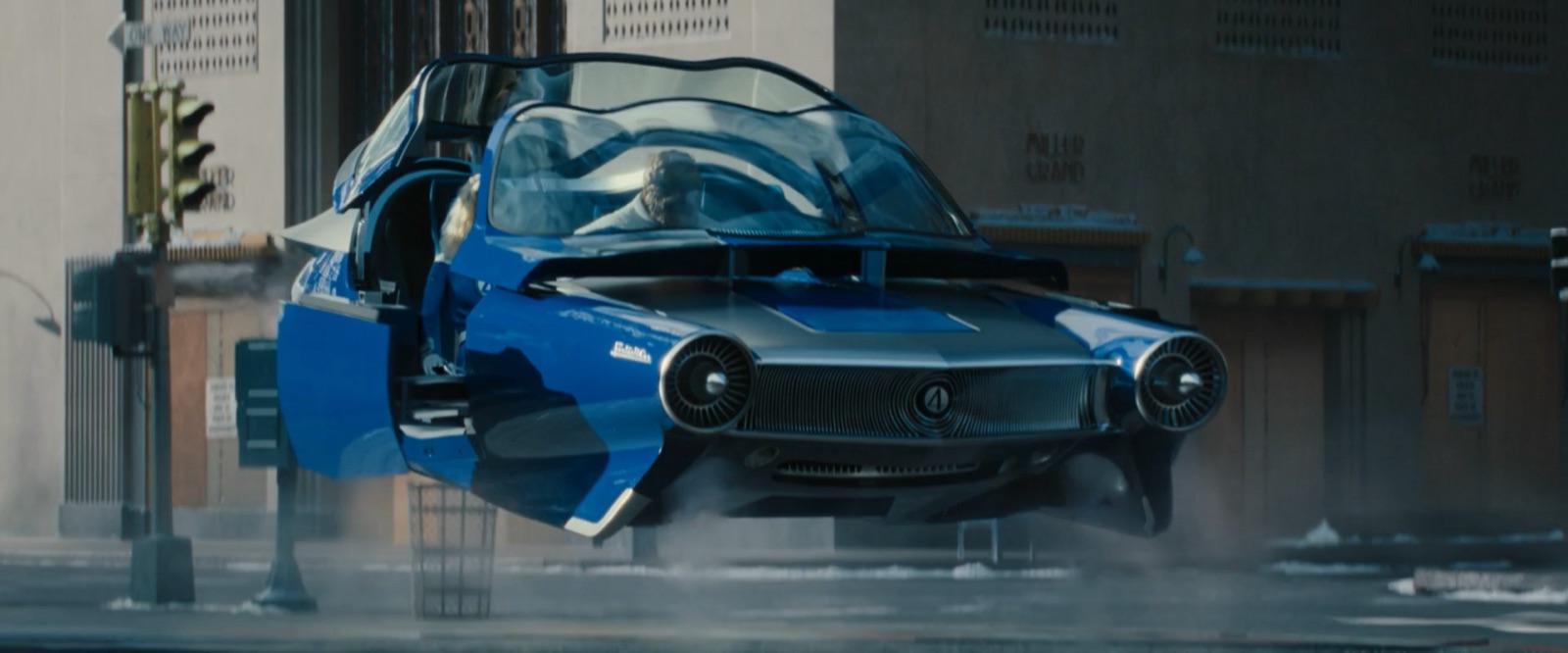
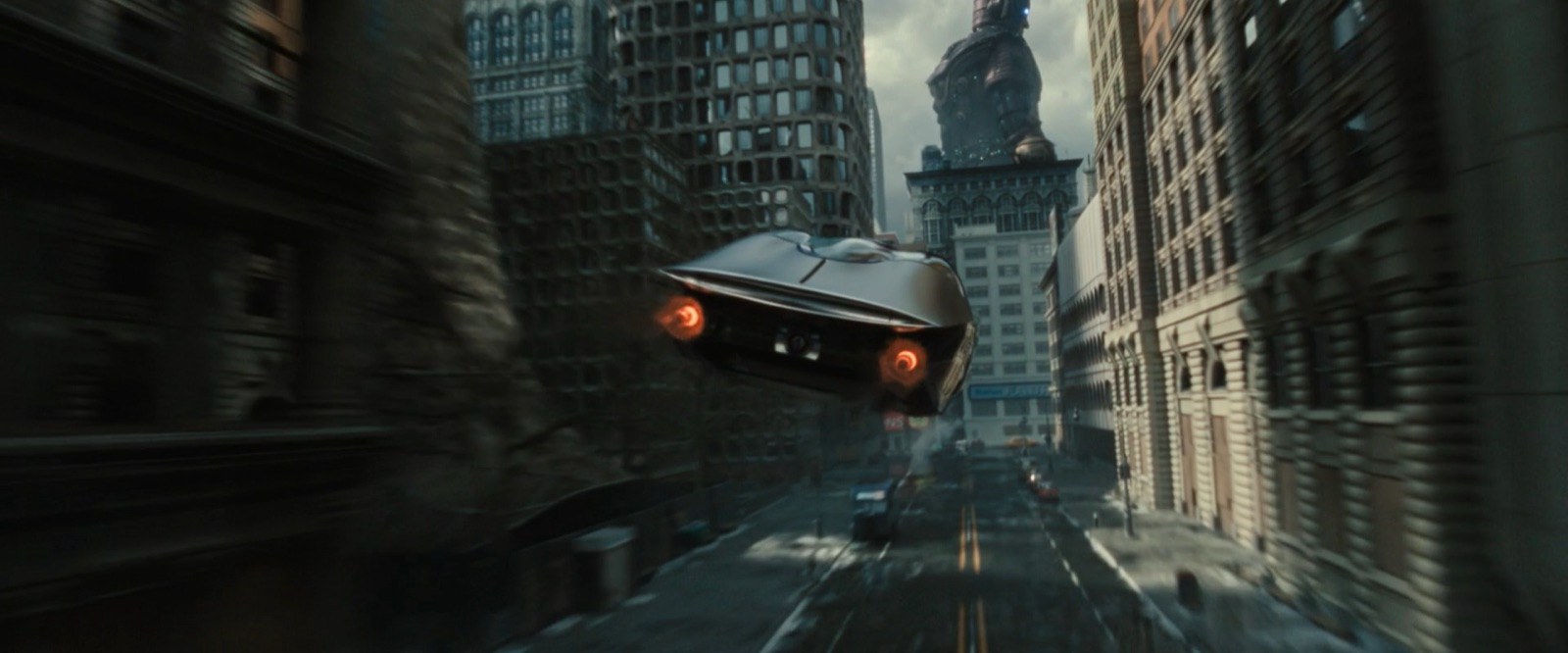
We knew the car had to feel distinctly retro-futuristic and include iconic touchpoints of the era: bubble canopies, chrome fins, turbine shapes, aerodynamic surfacing. But we wanted to push past the silly and naive versions of retro-futurism and find something truly elegant and dynamic even by modern standards. We were inspired greatly by the GM Firebird IV concept car, as well as the Ford FX-Atmos. The refined spirit of these cars provided a starting point, and from there, we looked to the source material. The original Fantasticar was a cluster of four vehicles that connected together in a diamond pattern. While we knew our car would be a single vehicle to allow for interior dialog scenes, we embraced this diamond configuration in our seating arrangement. Ben Grimm occupies the driver's seat at the front, while Reed and Sue occupy the middle row, and Johnny takes the backseat.
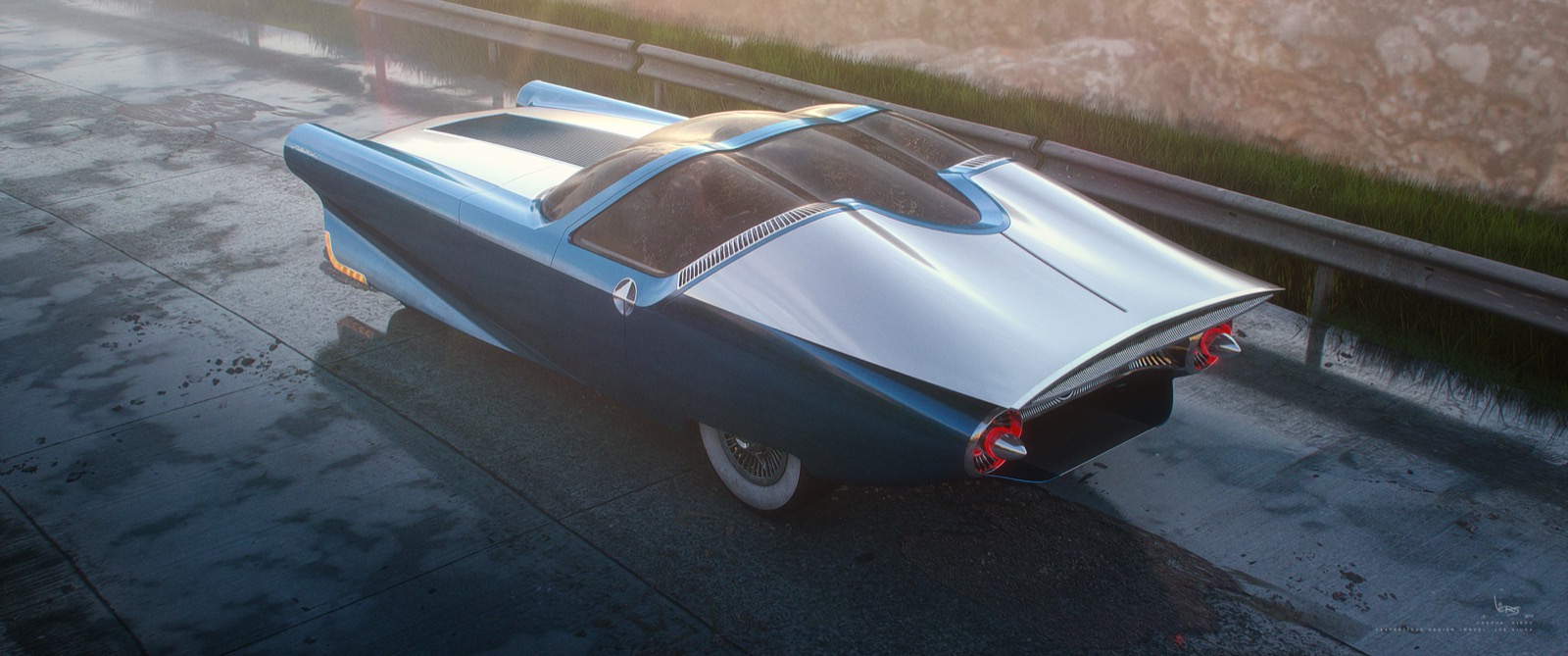
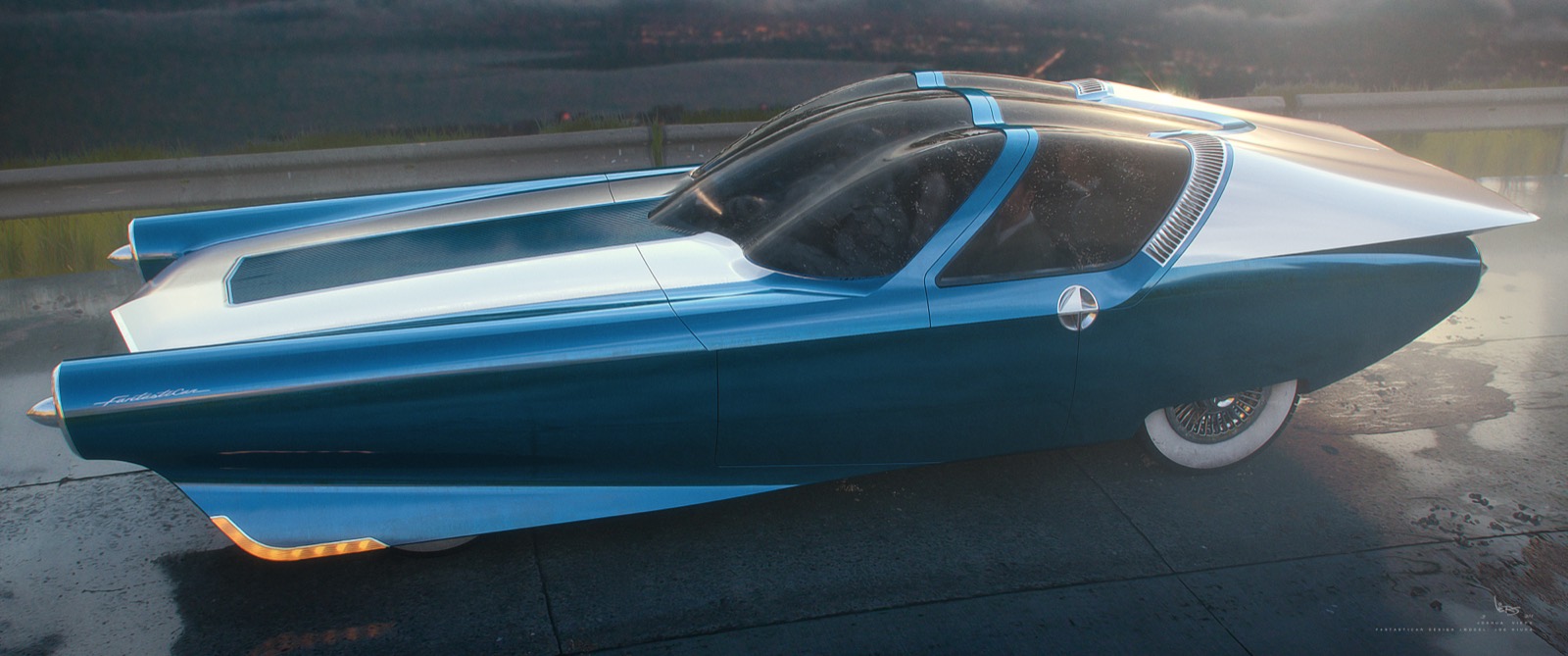
Concept illustration — Josh Viers
Concept illustration — Josh Viers
Designed and built entirely from scratch, the Fantasticar required a large team of talents to bring it to life: concept artists, engineers, and fabricators. Joe Hiura led the team and the NASA-worthy surface modeling. George Hull, Benjamin Last, and Ed Natividad all contributed to the beautiful shape of the car, while our steadfast on-the-ground art director, Oliver Hodge, interfaced with Nick Bonathan from SFX Coordinator Alistair William’s team to bring the car to life. We built two physical cars: one full hero vehicle with a working canopy and Tesla drivetrain, and one stunt chassis for the more aggressive driving shots.
Galactus’ World Ship
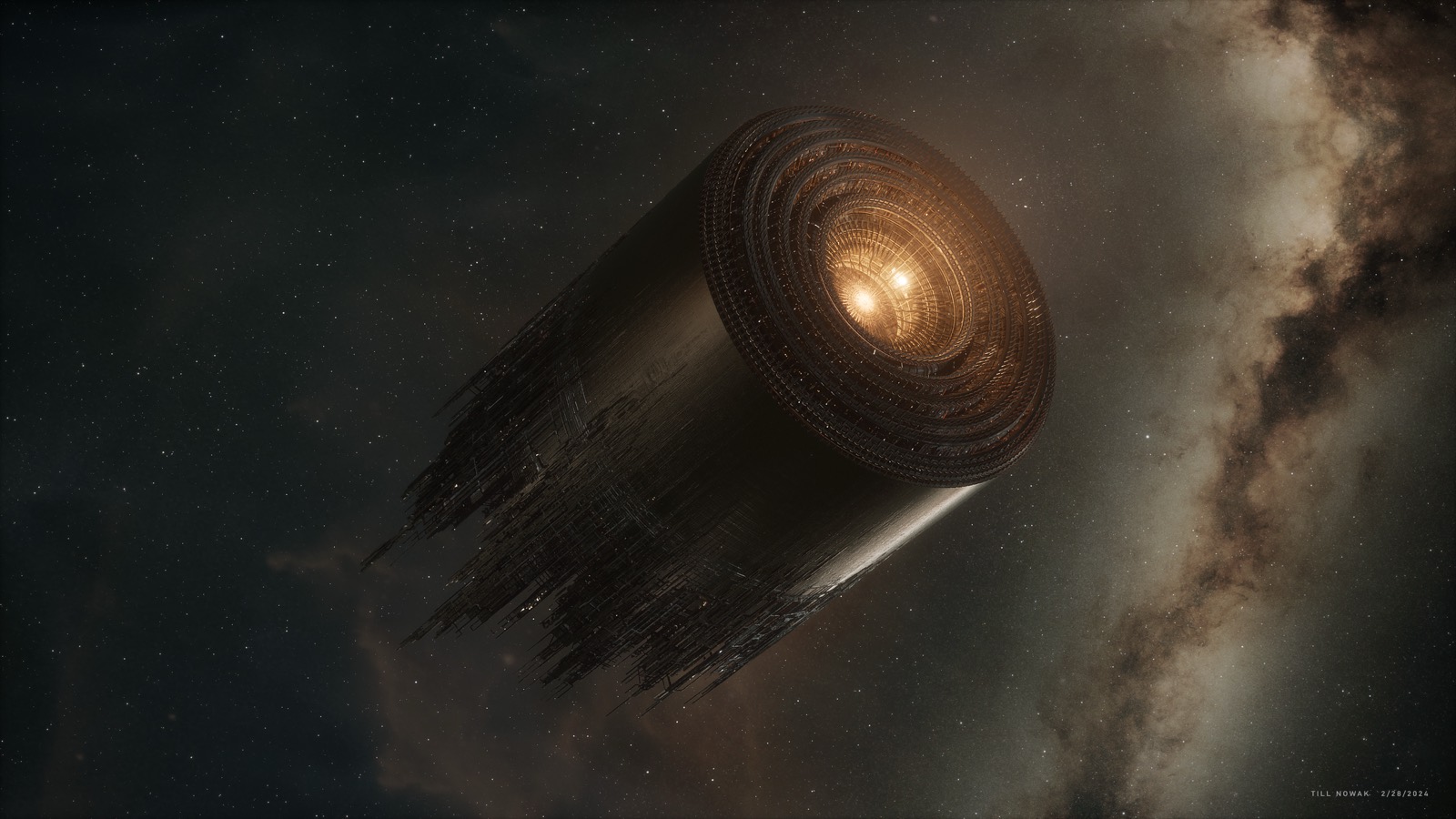
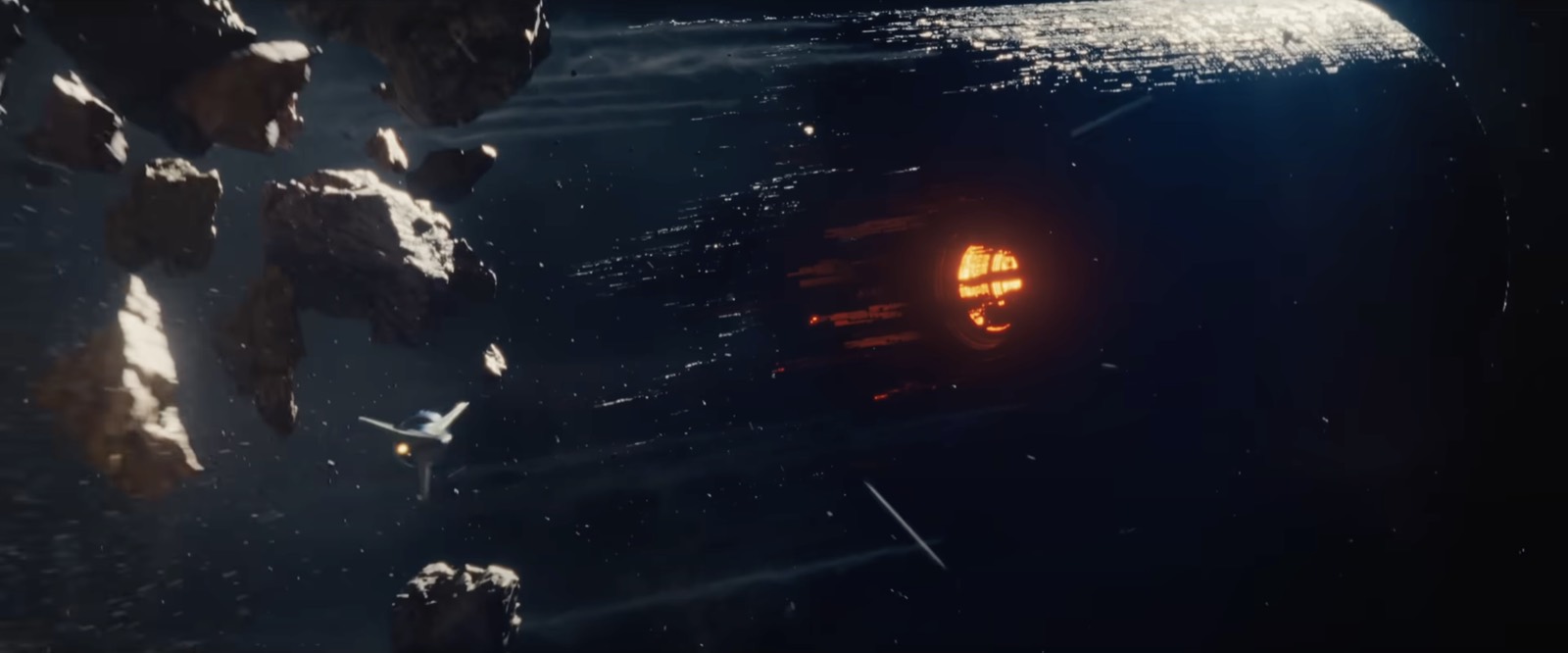
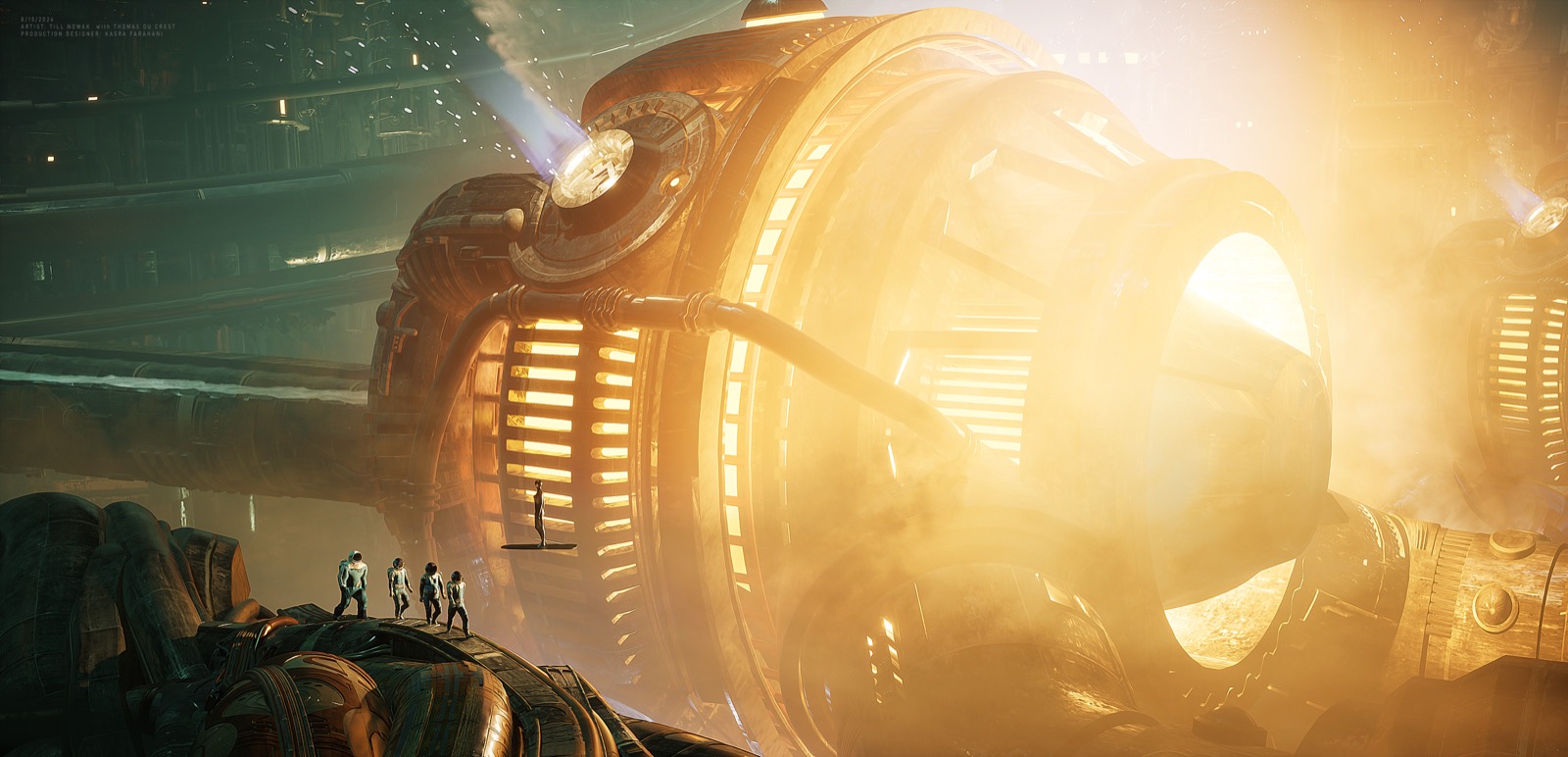
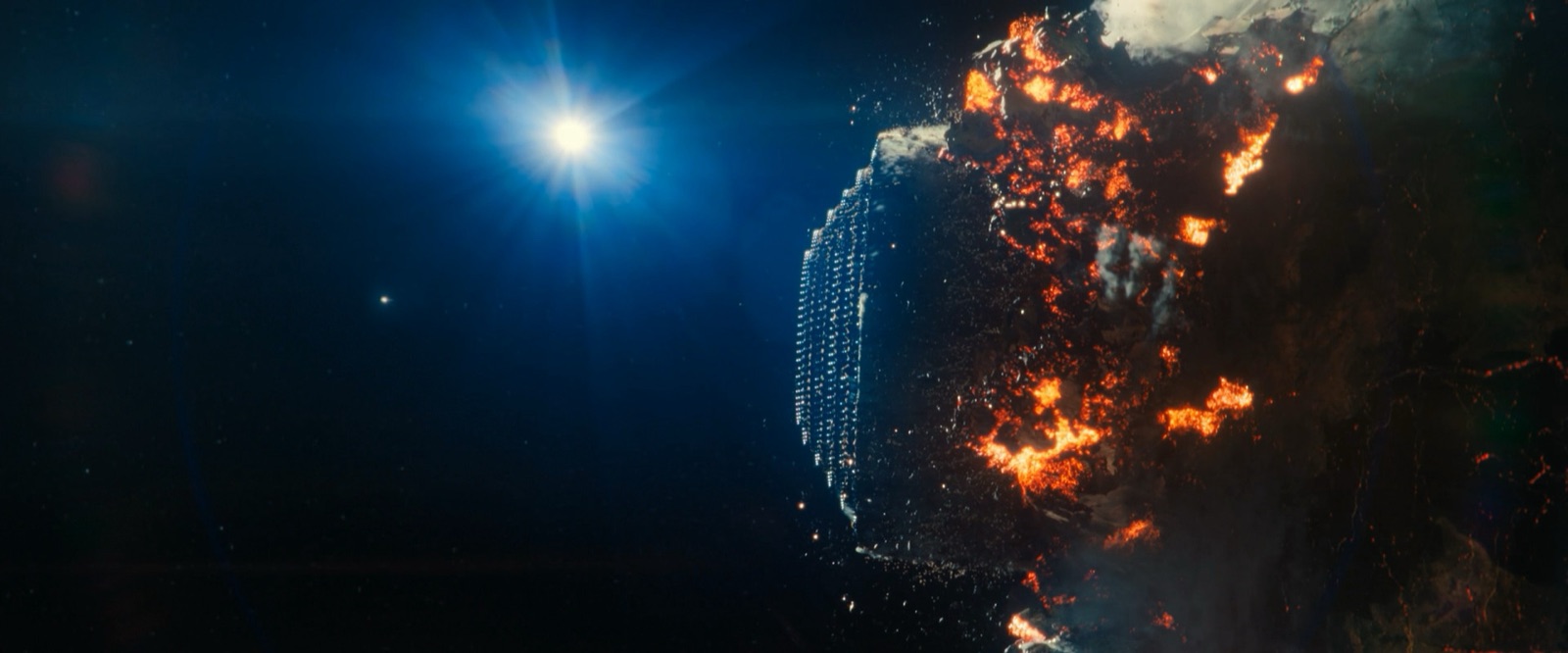
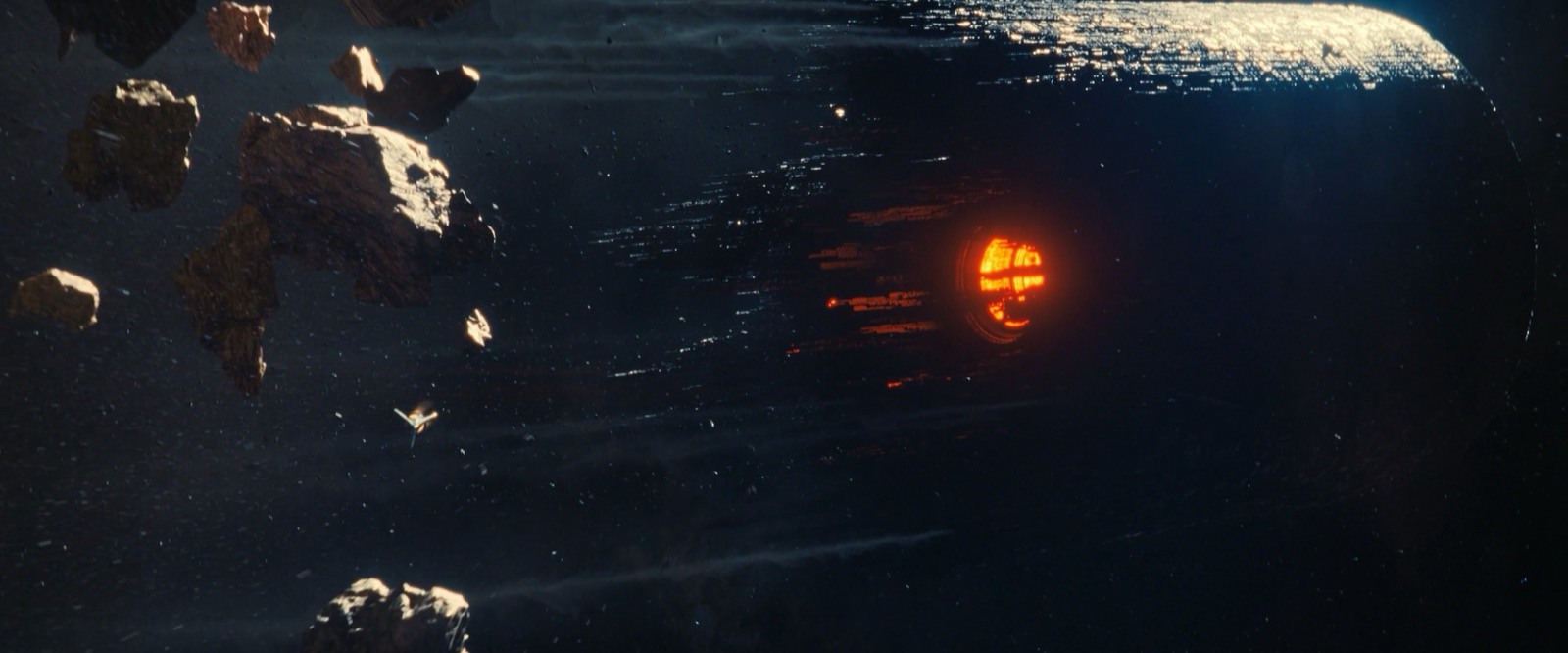
After so much time immersed in Reed’s optimistic retro future, the design of Galactus’ World Ship was a refreshing challenge. From the outset, we looked to Jack Kirby, whose cosmic machinery has always possessed a strange, mythic geometry—shapes that are whimsical, impossible, and yet profoundly iconic. The World Ship needed to feel at once ancient and brutal; a product of cold, driven engineering with one purpose: to feed. After much exploration with powerful images and animations by concept artist Till Nowak, we settled on a monolithic cylindrical form—not aerodynamic, not ornamental, simply a moon-sized cosmic drill. A space shark, with a gaping maw at one end filled with rows of concentric rings of teeth that grind and shear in counter-rotation. The ship doesn’t descend onto a planet; it bores through it, consuming crust and core with a horrifying appetite and speed.
A space shark, with a gaping maw at one end filled with rows of concentric rings of teeth.

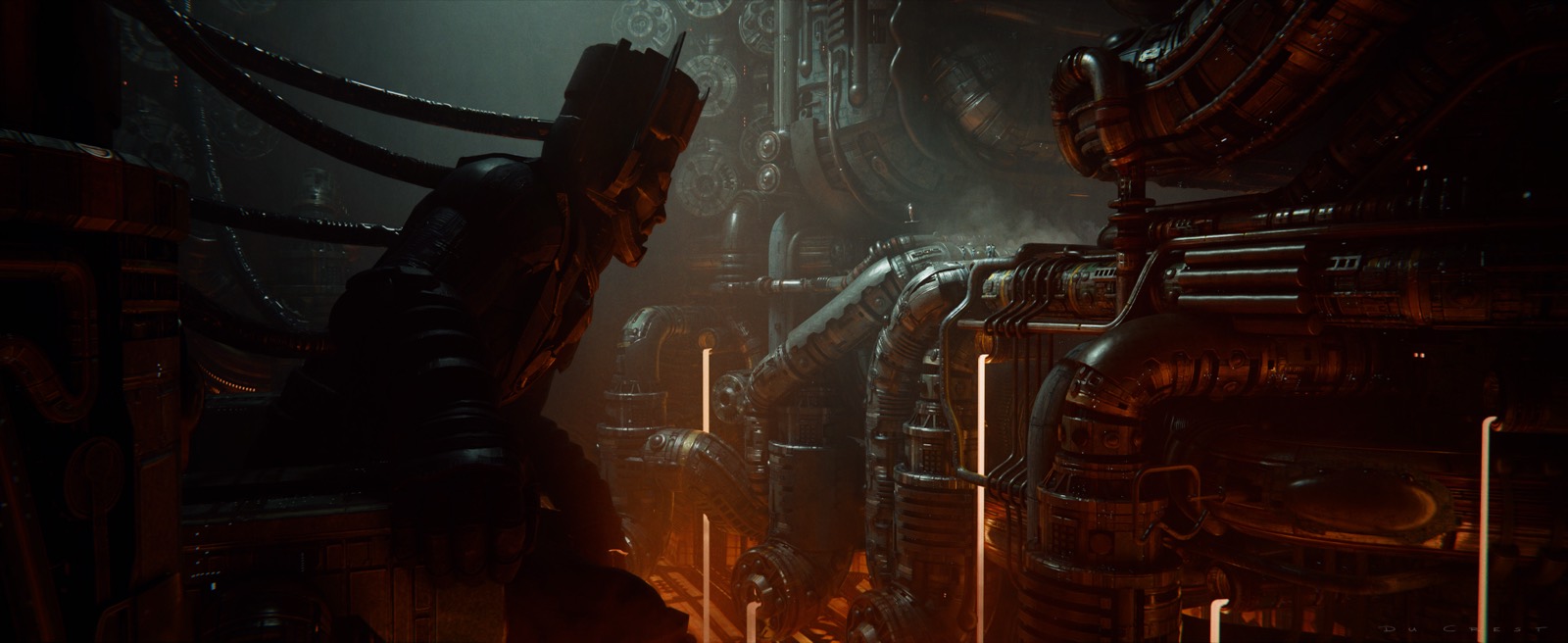
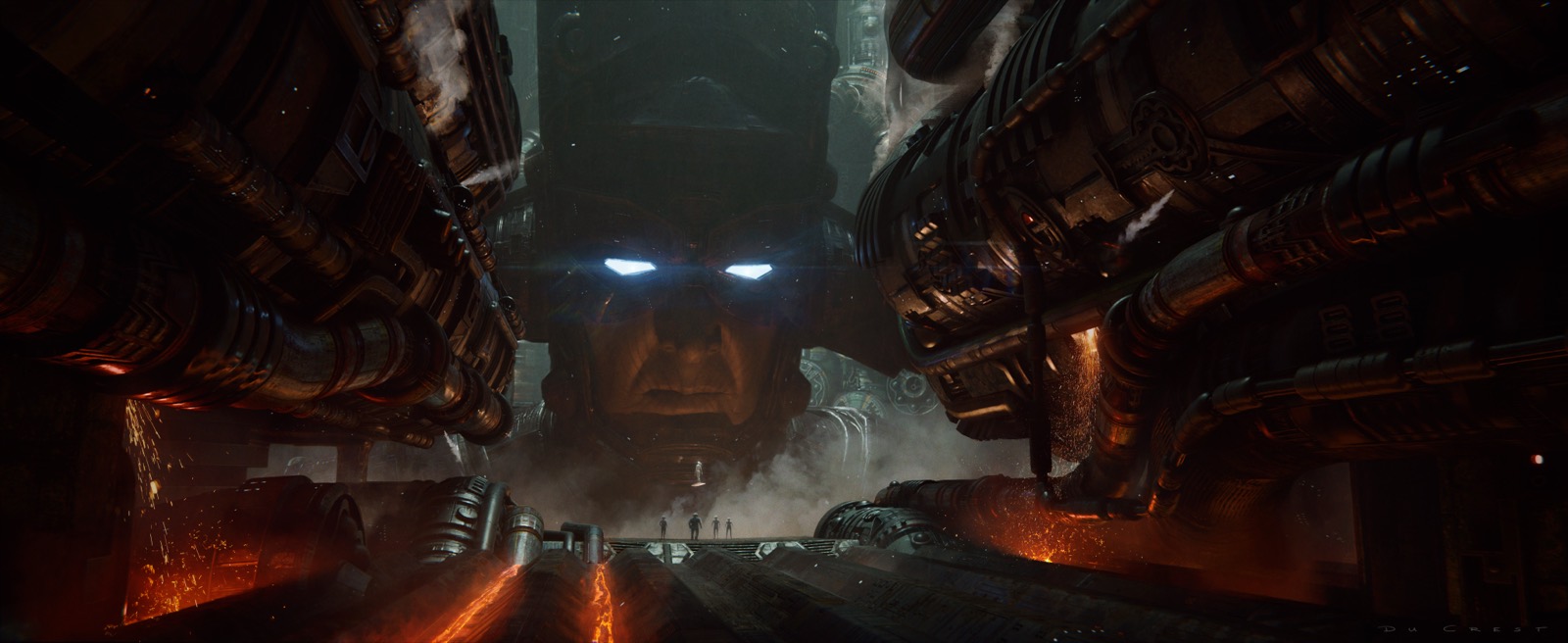
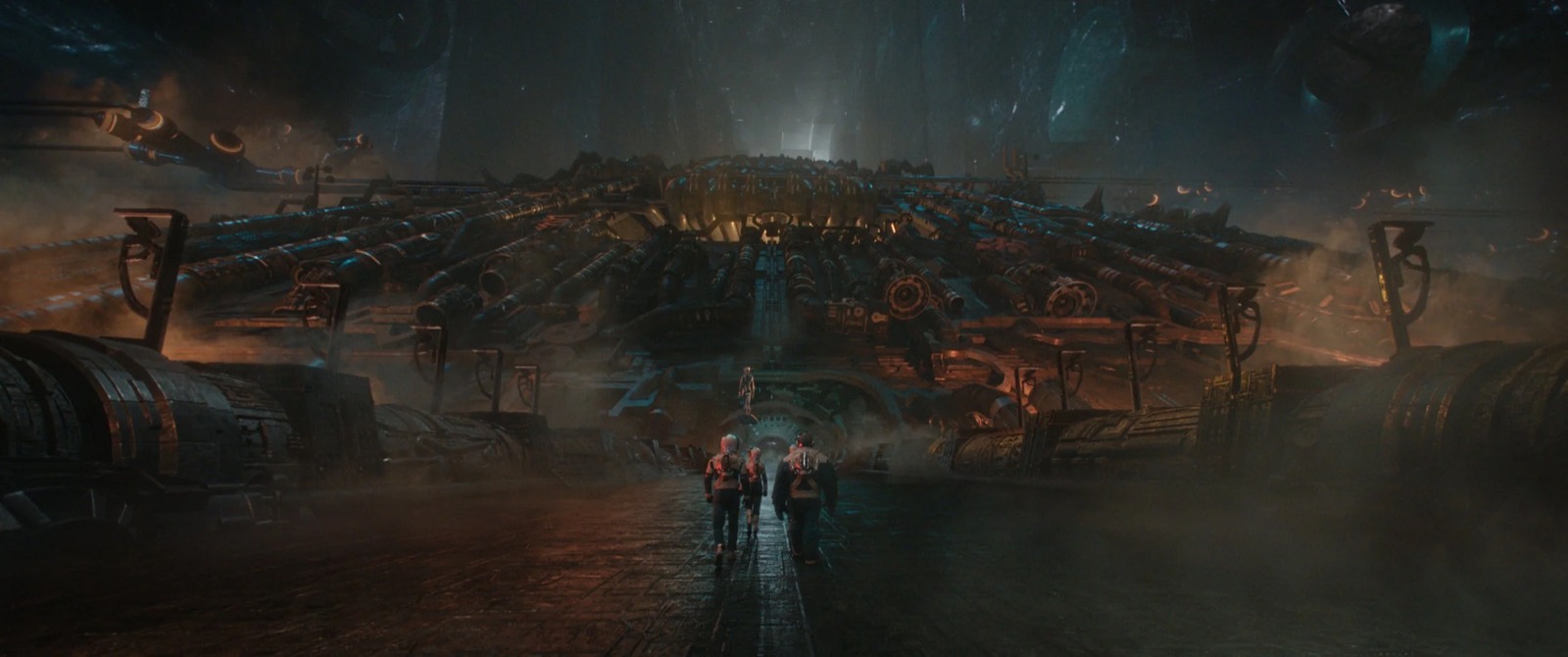
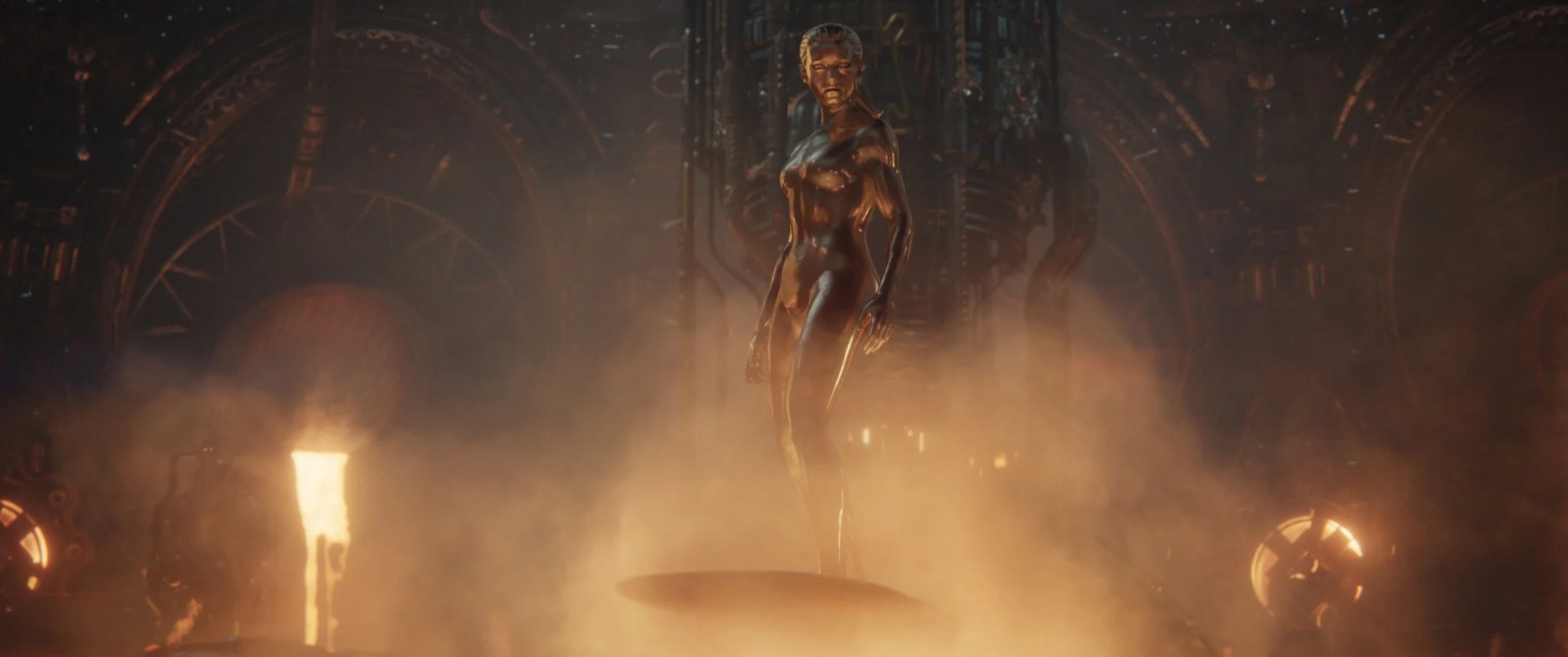
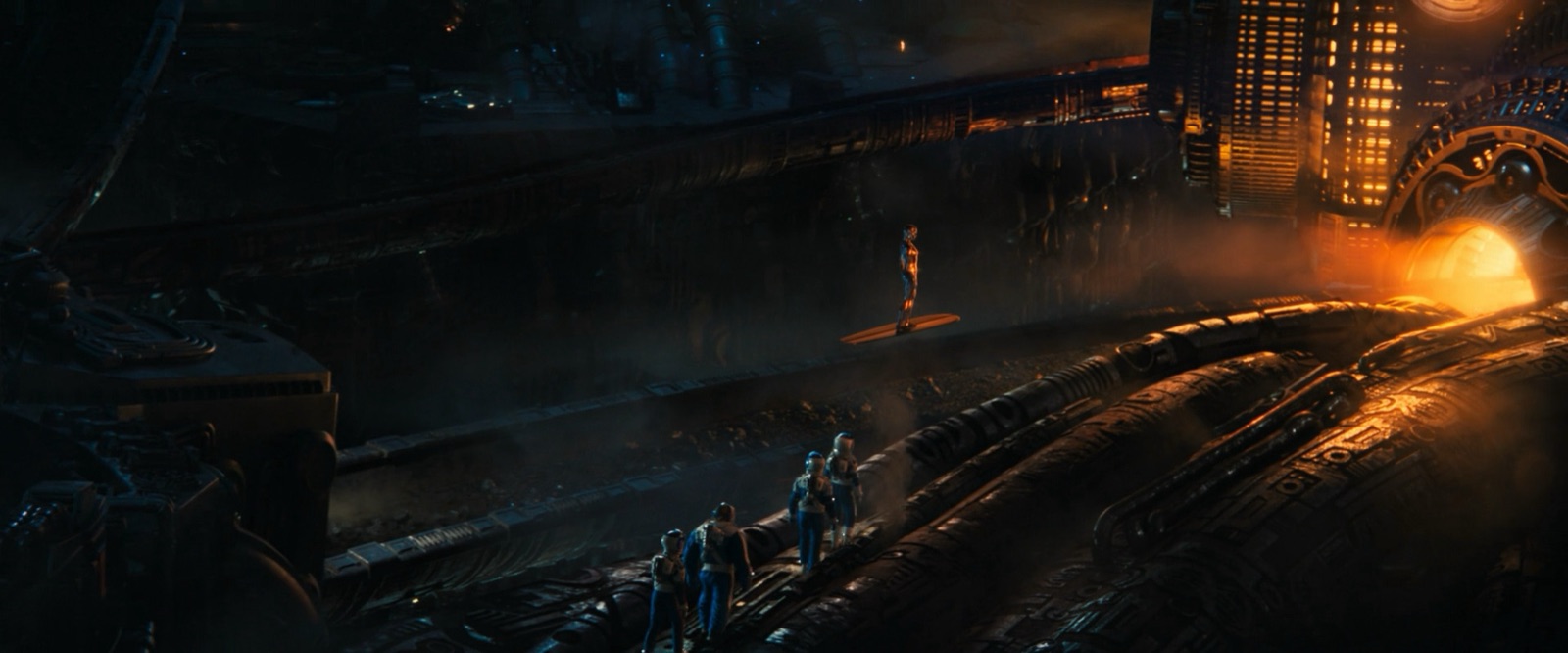
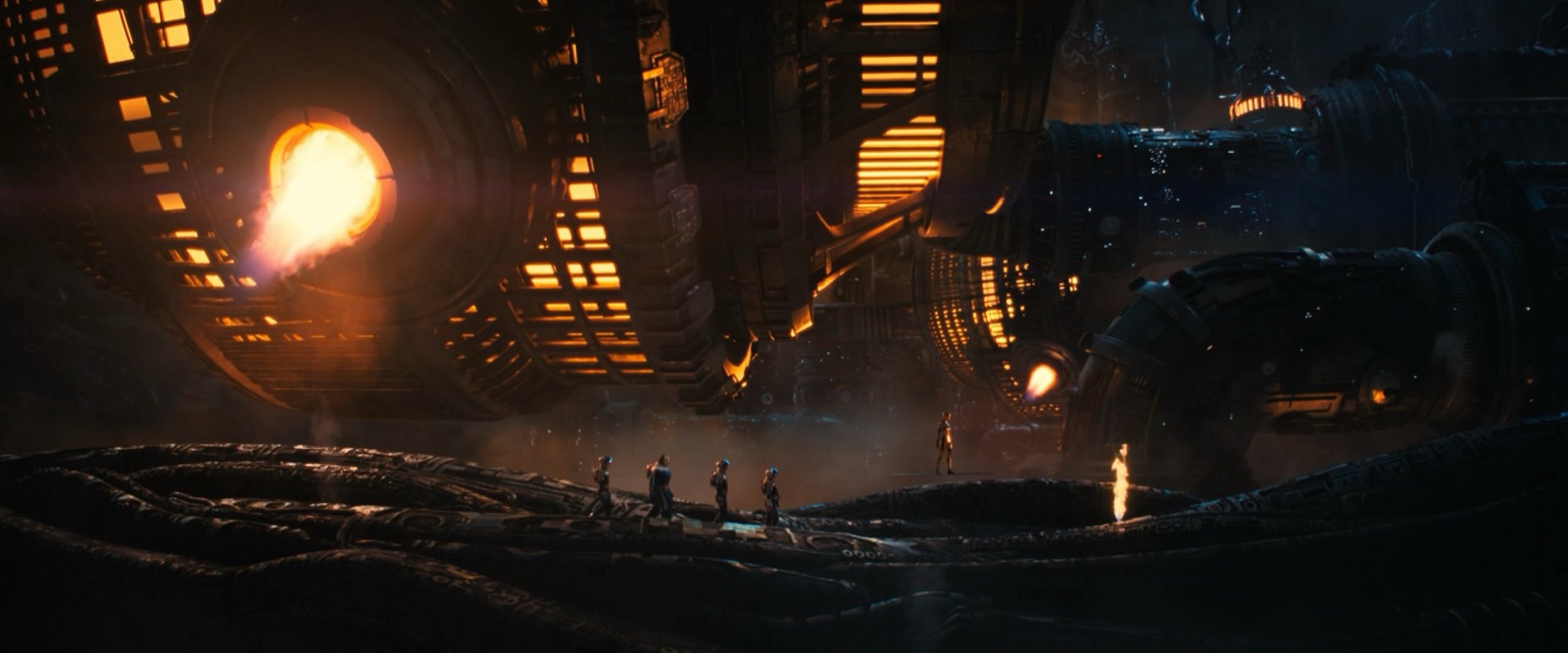
The design of the interior of the World Ship needed to tell the story of what the Earth's fate could be. We needed to see that this ship was nothing more than a giant digestive system designed to eat planets and break down the constituent matter into pure energy. With a tag-team effort by artists Till Nowak and Thomas Du Crest, we arrived at the properly unsettling imagery: cavernous chambers where chunks of planets and the living creatures that occupied them poured from waterfalls into giant grinders, rivers of pulverized matter drawn through filters and eventually into blazing furnaces that converted entire worlds into a luminous, plasma-like energy that fed Galactus. The scale and violence of the interior were designed to overwhelm, to make Reed’s carefully controlled world feel suddenly small.
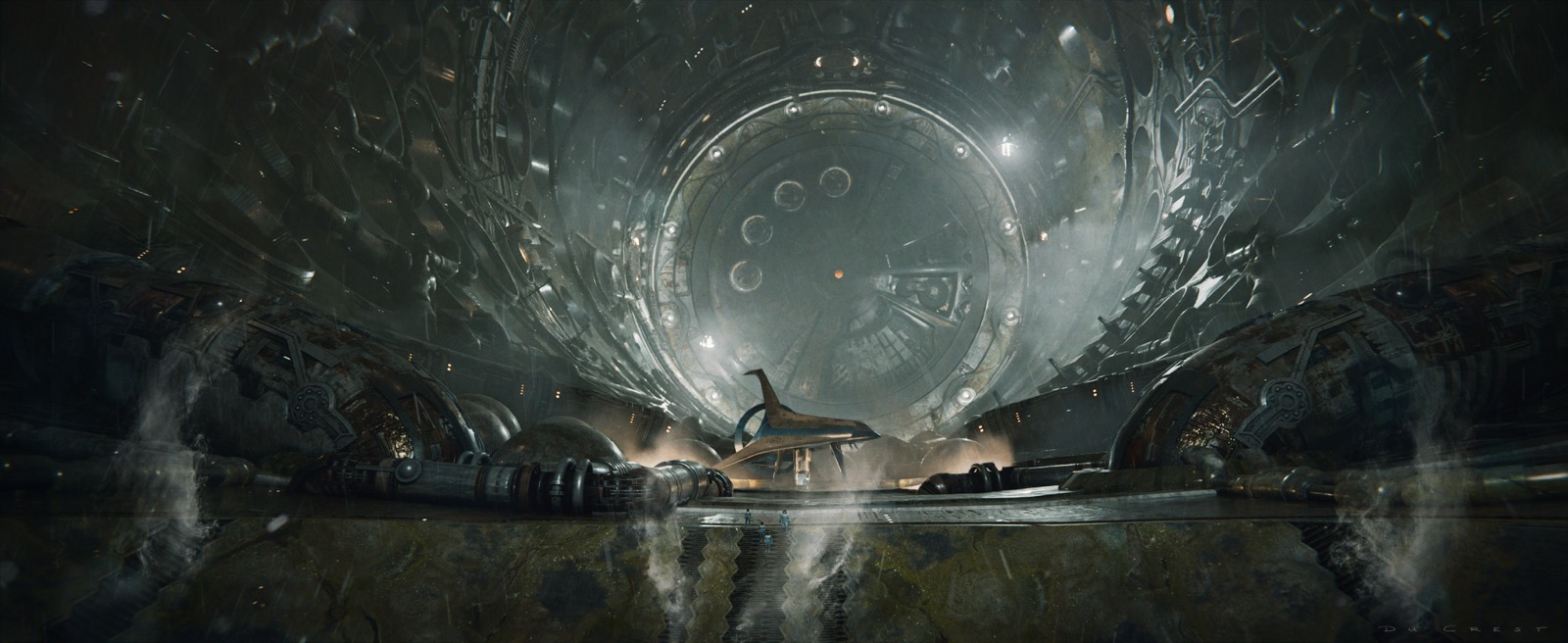
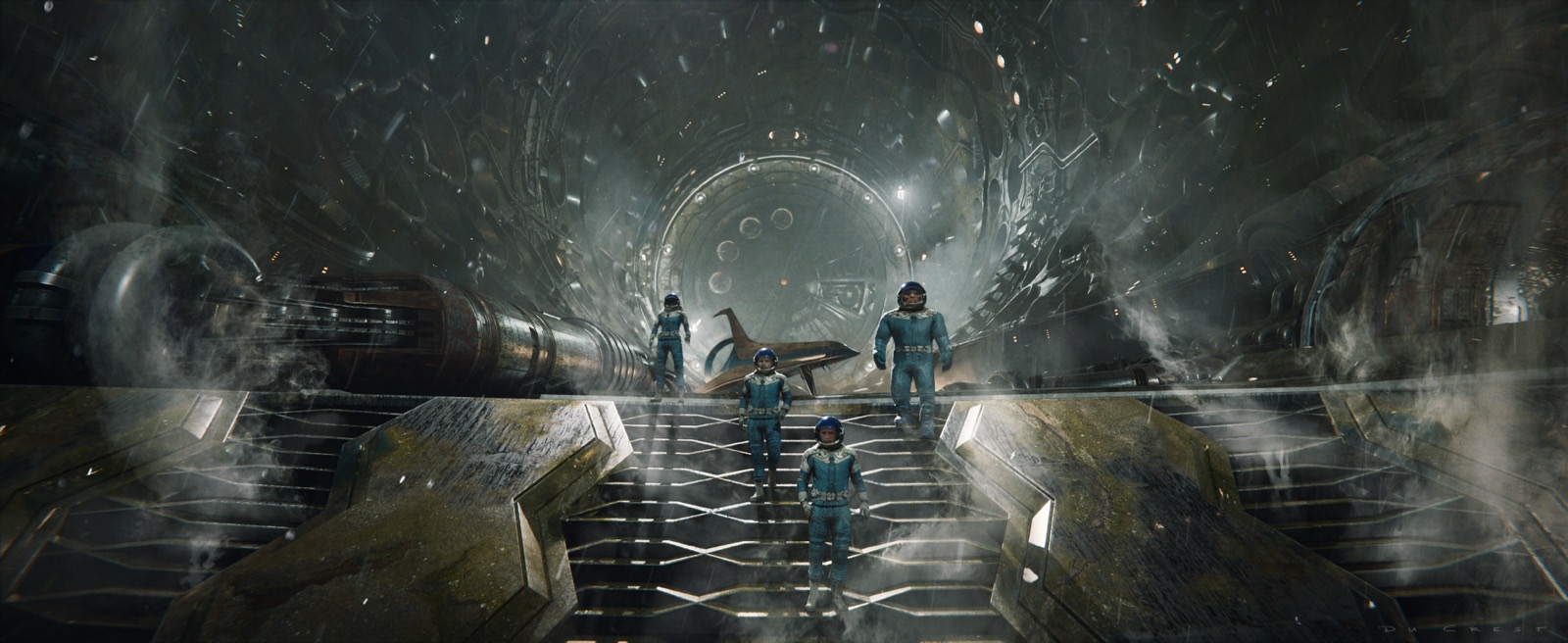
Concept illustration — Thomas Du Crest
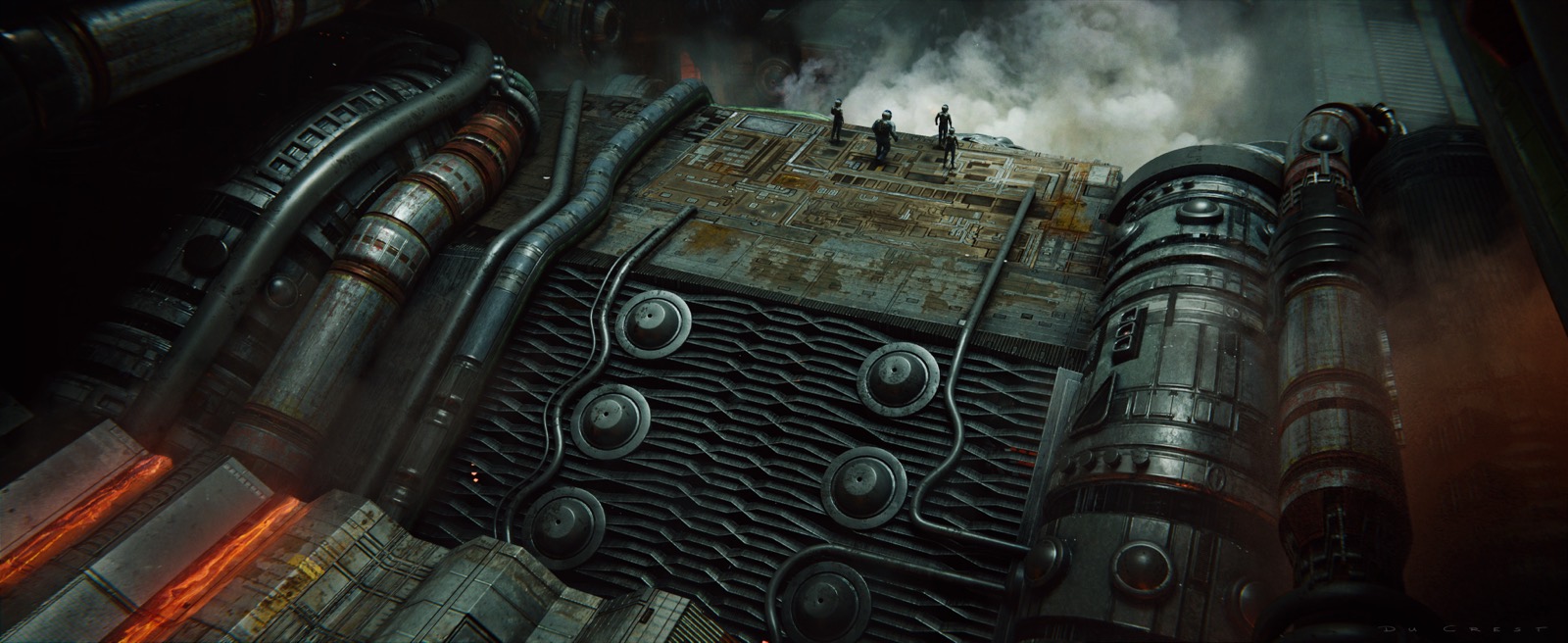
Art director Laura Baker led the charge on bringing this unfathomably large environment to life. While the scale was impossible to manifest fully in camera, we built a stage full of giant steaming Kirby-esque pipes that our characters walked along like ants as they took in the horrifying landscape on their way to meet Galactus.
Conclusion
Designing Fantastic Four: First Steps offered a canvas of extraordinary scale—an opportunity to invent an entire world from the ground up, from its urban planning to its architecture, from its vehicles to its spacecraft, and even the farthest reaches of space. Yet, for all the spectacle, First Steps is ultimately a story about family, and the world we designed had to reflect Reed’s most profound truth: his inventions, his breakthroughs, his visions of progress all matter less than the growing family he loves.


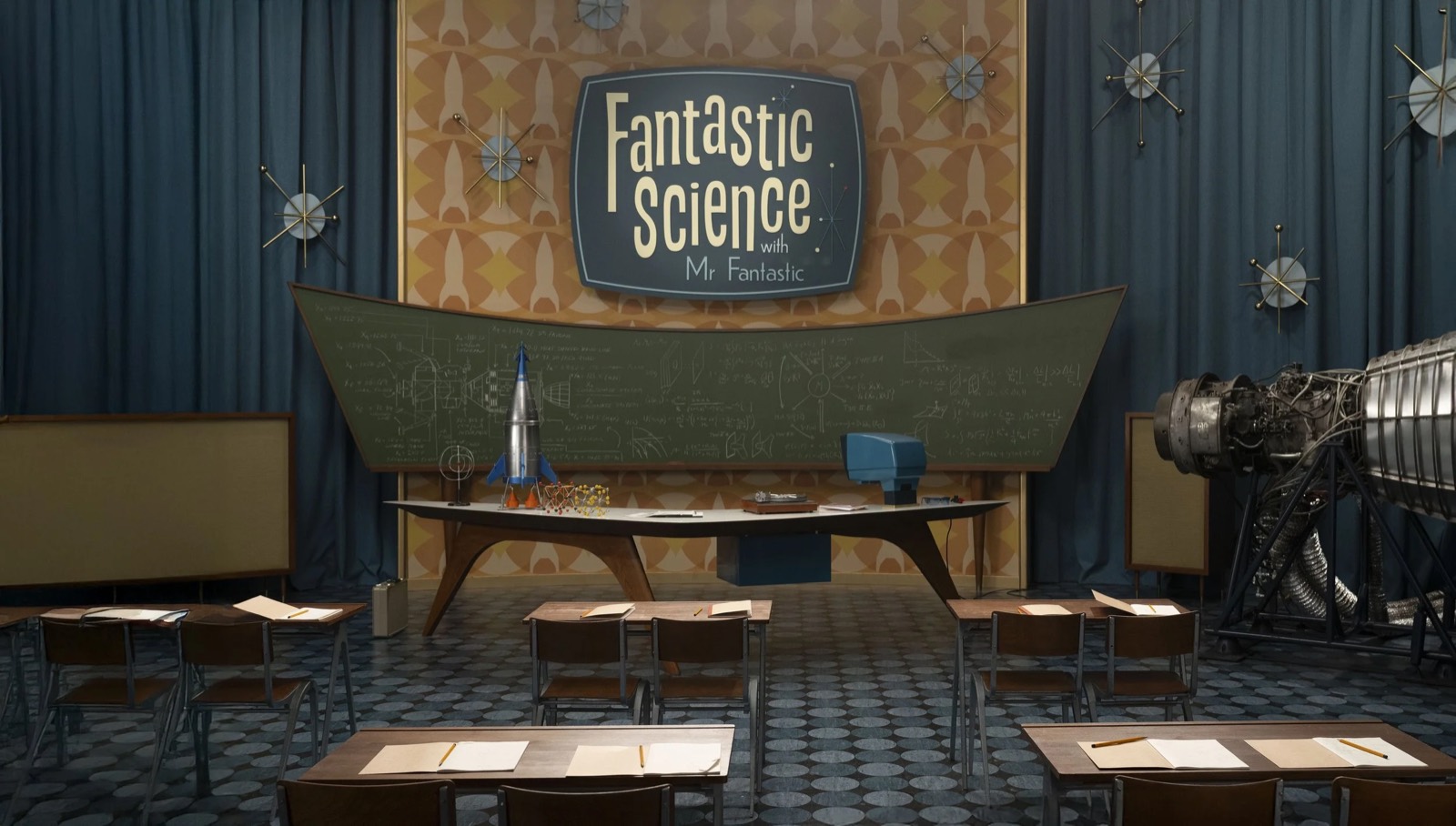
Graphic design — Jason Sweers

Images © Marvel Studios. All rights reserved.